
What does a thermal PCB pad do
Understanding The Function Of A Thermal PCB Pad
A thermal PCB pad, often referred to as a thermal relief pad, plays a crucial role in the design and functionality of printed circuit boards (PCBs). To understand its function, it is essential to first grasp the basic structure and purpose of a PCB.
A PCB serves as the foundation for electronic components, providing both mechanical support and electrical connections. These connections are made through conductive pathways, or traces, which are etched onto a non-conductive substrate. The thermal PCB pad is a specialized feature within this intricate network, designed to manage heat dissipation and ensure reliable soldering.
In the context of PCB design, thermal management is a critical consideration.
Electronic components generate heat during operation, and excessive heat can lead to performance degradation or even failure. The thermal PCB pad addresses this issue by facilitating efficient heat transfer away from sensitive components. Typically, these pads are connected to large copper areas, known as thermal planes or heat sinks, which help dissipate heat more effectively. By providing a controlled path for heat to travel, thermal pads help maintain optimal operating temperatures and enhance the overall reliability of the electronic device.
Moreover, thermal PCB pads are instrumental in the soldering process.
When components are soldered onto a PCB, the heat from the soldering iron must be sufficient to melt the solder and create a strong bond. However, if the heat is not properly managed, it can cause thermal stress and damage the components or the PCB itself. Thermal relief pads mitigate this risk by balancing the heat distribution. They typically feature a pattern of spokes or thermals that connect the pad to the surrounding copper area. This design reduces the thermal mass that needs to be heated, allowing for more controlled and efficient soldering.
Additionally, the use of thermal PCB pads can prevent issues related to thermal expansion and contraction.
As electronic devices operate, temperature fluctuations can cause materials to expand and contract. This thermal cycling can lead to mechanical stress and potential failure of solder joints. By providing a buffer that absorbs and distributes thermal energy, thermal pads help minimize the impact of these temperature changes, thereby extending the lifespan of the PCB and its components.
Furthermore, the implementation of thermal PCB pads can also improve the manufacturability of the PCB.
During the assembly process, maintaining consistent temperatures is vital for achieving high-quality solder joints. Thermal pads help achieve this consistency by ensuring that heat is evenly distributed across the PCB. This uniformity not only enhances the reliability of the solder joints but also reduces the likelihood of defects such as cold solder joints or tombstoning, where components lift off the PCB during soldering.
In conclusion, the thermal PCB pad is an essential feature in modern PCB design, serving multiple functions that contribute to the overall performance and reliability of electronic devices. By facilitating efficient heat dissipation, ensuring controlled soldering, mitigating thermal stress, and enhancing manufacturability, thermal pads play a pivotal role in the successful operation of PCBs. As electronic devices continue to evolve and become more complex, the importance of effective thermal management through the use of thermal PCB pads will only continue to grow.
Benefits Of Using Thermal PCB Pads In Circuit Design
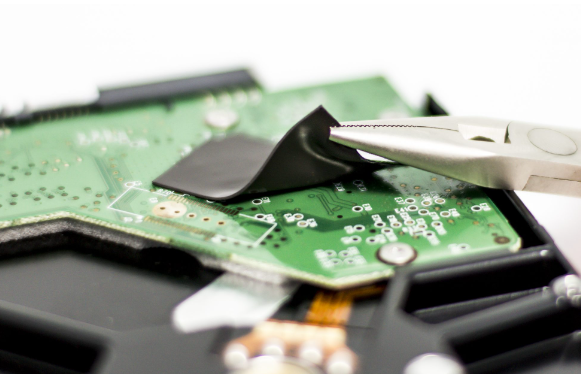
Thermal PCB pads play a crucial role in the design and functionality of printed circuit boards (PCBs). These specialized pads are designed to manage heat dissipation, ensuring that electronic components operate within their optimal temperature ranges. The benefits of using thermal PCB pads in circuit design are manifold, contributing to the overall reliability, efficiency, and longevity of electronic devices.
One of the primary advantages of thermal PCB pads is their ability to enhance heat dissipation.
Electronic components generate heat during operation, and if this heat is not effectively managed, it can lead to overheating and potential failure. Thermal pads provide a pathway for heat to be conducted away from the components and dissipated into the surrounding environment. This is particularly important in high-power applications where excessive heat generation is a common issue. By incorporating thermal pads, designers can ensure that components remain within safe temperature limits, thereby preventing thermal damage and extending the lifespan of the device.
In addition to improving heat dissipation, thermal PCB pads also contribute to the overall thermal management of the circuit board.
Effective thermal management is essential for maintaining the performance and reliability of electronic devices. Poor thermal management can result in hot spots, which can cause localized overheating and affect the performance of nearby components. Thermal pads help to distribute heat more evenly across the PCB, reducing the risk of hot spots and ensuring that all components operate within their specified temperature ranges. This uniform heat distribution is particularly beneficial in densely populated PCBs where space constraints make it challenging to implement other cooling solutions.
Furthermore, thermal PCB pads can enhance the mechanical stability of the circuit board.
The expansion and contraction of materials due to temperature fluctuations can cause mechanical stress, leading to issues such as solder joint fatigue and component misalignment. Thermal pads help to mitigate these effects by providing a stable thermal interface that accommodates the thermal expansion and contraction of materials. This reduces the mechanical stress on solder joints and components, thereby improving the overall reliability and durability of the PCB.
Another significant benefit of using thermal PCB pads is their impact on the electrical performance of the circuit.
High temperatures can affect the electrical properties of materials, leading to issues such as increased resistance and signal degradation. By maintaining lower operating temperatures, thermal pads help to preserve the electrical integrity of the circuit, ensuring consistent performance and reducing the risk of signal loss or interference. This is particularly important in high-frequency applications where signal integrity is critical.
Moreover, thermal PCB pads can contribute to the miniaturization of electronic devices.
As technology advances, there is a growing demand for smaller, more compact devices. Effective thermal management is essential for achieving this miniaturization without compromising performance or reliability. Thermal pads enable designers to manage heat dissipation in compact spaces, allowing for the integration of more components in a smaller footprint. This not only meets the demand for miniaturization but also enhances the functionality and versatility of electronic devices.
In conclusion, the benefits of using thermal PCB pads in circuit design are extensive and multifaceted. They play a vital role in enhancing heat dissipation, improving thermal management, ensuring mechanical stability, preserving electrical performance, and enabling device miniaturization. By incorporating thermal pads into PCB designs, engineers can create more reliable, efficient, and durable electronic devices that meet the demands of modern technology.
How Thermal PCB Pads Improve Heat Dissipation
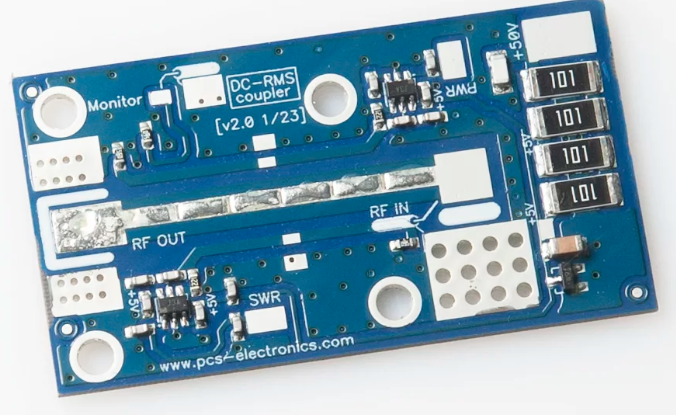
Thermal PCB pads play a crucial role in the efficient management of heat within electronic circuits. As electronic devices become increasingly compact and powerful, the need for effective thermal management solutions has never been more critical.
Thermal PCB pads, also known as thermal vias or thermal relief pads, are specifically designed to enhance heat dissipation from components that generate significant amounts of heat during operation. By understanding how these pads function, one can appreciate their importance in maintaining the reliability and longevity of electronic devices.
To begin with, thermal PCB pads are strategically placed on the printed circuit board (PCB) to facilitate the transfer of heat away from heat-generating components, such as integrated circuits (ICs), power transistors, and other high-power devices. These pads are typically made of materials with high thermal conductivity, such as copper, which allows for efficient heat transfer. The primary function of a thermal PCB pad is to create a low-resistance thermal path from the heat source to a larger area of the PCB or to an external heat sink. This helps to spread the heat more evenly across the board, thereby preventing localized hotspots that could potentially damage components or degrade their performance.
Moreover, thermal PCB pads often incorporate thermal vias, which are small holes filled with conductive material that connect the top and bottom layers of the PCB.
These vias provide an additional pathway for heat to travel from the surface-mounted component to the inner layers of the board, where it can be dissipated more effectively. By increasing the number of thermal vias and optimizing their placement, designers can significantly enhance the thermal performance of the PCB. This is particularly important in high-density designs where space is limited, and traditional cooling methods, such as heat sinks and fans, may not be feasible.
In addition to improving heat dissipation, thermal PCB pads also contribute to the overall mechanical stability of the board.
By reducing thermal stress on individual components, these pads help to minimize the risk of thermal expansion and contraction, which can lead to solder joint fatigue and eventual failure. This is especially relevant in applications where the device is subjected to frequent temperature cycling or operates in harsh environmental conditions. Consequently, the use of thermal PCB pads can enhance the durability and reliability of electronic devices, ensuring consistent performance over their intended lifespan.
Furthermore, the implementation of thermal PCB pads can also have a positive impact on the electrical performance of the circuit.
Excessive heat can cause changes in the electrical properties of components, leading to variations in resistance, capacitance, and inductance. By effectively managing heat dissipation, thermal PCB pads help to maintain the stability of these parameters, thereby ensuring the proper functioning of the circuit. This is particularly important in high-frequency applications, where even minor deviations in electrical characteristics can result in significant performance degradation.
In conclusion, thermal PCB pads are an essential component in the design of modern electronic devices, providing a critical solution for effective heat management. By facilitating the efficient transfer of heat away from high-power components, these pads help to prevent overheating, enhance mechanical stability, and maintain electrical performance.
As electronic devices continue to evolve, the importance of thermal PCB pads in ensuring their reliability and longevity cannot be overstated. Through careful design and optimization, these pads can significantly contribute to the overall success of electronic products in various applications.
Common Applications Of Thermal PCB Pads In Electronics
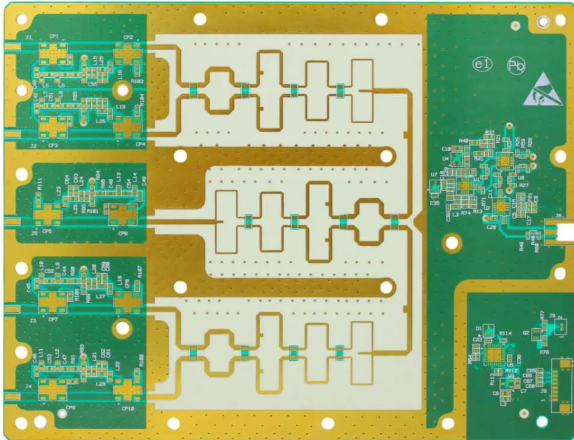
Thermal PCB pads play a crucial role in the realm of electronics, particularly in managing heat dissipation and ensuring the reliability and longevity of electronic components. These specialized pads are designed to facilitate the transfer of heat away from sensitive components, thereby preventing overheating and potential damage.
One of the most common applications of thermal PCB pads is in power electronics,
where components such as power transistors, diodes, and voltage regulators generate significant amounts of heat. By incorporating thermal pads, these devices can maintain optimal operating temperatures, thereby enhancing their performance and extending their lifespan.
In addition to power electronics, thermal PCB pads are extensively used in LED lighting systems.
LEDs are known for their efficiency and long life, but they also produce heat that must be managed effectively. Thermal pads in LED circuits help to dissipate this heat, ensuring that the LEDs operate within safe temperature ranges. This not only improves the performance of the LEDs but also prevents thermal degradation, which can lead to reduced brightness and color shifts over time.
Moreover, thermal PCB pads are integral to the functionality of computing devices,
including CPUs and GPUs. These components are the heart of any computer system and are responsible for executing complex calculations and rendering graphics. The intense processing power required generates substantial heat, which, if not managed properly, can lead to thermal throttling or even permanent damage. Thermal pads provide a pathway for heat to be conducted away from these critical components to heat sinks or other cooling solutions, thereby maintaining system stability and performance.
Furthermore, thermal PCB pads find applications in telecommunications equipment,
where they help manage the heat generated by high-frequency signal processing components. In devices such as routers, switches, and base stations, maintaining thermal stability is essential for reliable operation. Thermal pads ensure that these devices can handle high data throughput without succumbing to thermal stress, thus supporting uninterrupted communication services.
Another significant application of thermal PCB pads is in automotive electronics.
Modern vehicles are equipped with a plethora of electronic systems, including engine control units (ECUs), infotainment systems, and advanced driver-assistance systems (ADAS). These systems generate heat that must be effectively managed to ensure their proper functioning. Thermal pads help in dissipating this heat, thereby enhancing the reliability and safety of automotive electronics.
Additionally, thermal PCB pads are used in consumer electronics such as smartphones, tablets, and gaming consoles.
These devices are designed to be compact and lightweight, which often limits the space available for traditional cooling solutions. Thermal pads provide an efficient means of heat dissipation in these constrained environments, ensuring that the devices remain cool and perform optimally even during intensive use.
In conclusion, thermal PCB pads are indispensable in a wide range of electronic applications. They play a vital role in managing heat dissipation, thereby enhancing the performance, reliability, and longevity of electronic components. From power electronics and LED lighting to computing devices, telecommunications equipment, automotive electronics, and consumer gadgets, thermal PCB pads ensure that these devices operate within safe temperature limits. As electronic devices continue to evolve and become more powerful, the importance of effective thermal management solutions, including thermal PCB pads, will only continue to grow.