
Usb pcb connector
Understanding The Basics Of USB PCB Connectors
USB PCB connectors are integral components in modern electronic devices, serving as the interface between the printed circuit board (PCB) and external peripherals. Understanding the basics of these connectors is essential for anyone involved in electronics design or manufacturing.
These connectors facilitate the transfer of data and power between devices, making them indispensable in a wide range of applications, from consumer electronics to industrial machinery.
To begin with, USB, or Universal Serial Bus, is a standardized technology that allows for the connection and communication between computers and peripheral devices.
The USB standard has evolved over the years, with various versions such as USB 1.0, USB 2.0, USB 3.0, and the latest USB 4.0, each offering improvements in data transfer speeds and power delivery capabilities. The PCB, or printed circuit board, is the backbone of electronic devices, providing the physical platform for mounting and interconnecting electronic components.
USB PCB connectors come in various types and sizes, each designed to meet specific requirements.
The most common types include USB Type-A, Type-B, Micro-USB, Mini-USB, and the increasingly popular USB Type-C. Type-A connectors are typically found on host devices like computers and chargers, while Type-B connectors are often used on peripheral devices such as printers and external hard drives. Micro-USB and Mini-USB connectors are smaller versions used in portable devices like smartphones and cameras. USB Type-C, known for its reversible design and high data transfer rates, is becoming the standard for new devices due to its versatility and enhanced performance.
The design and selection of USB PCB connectors involve several critical considerations.
Firstly, the physical dimensions and layout of the connector must be compatible with the PCB design. This includes ensuring that the connector’s footprint matches the PCB’s pad layout and that there is sufficient space for the connector on the board. Additionally, the mechanical strength of the connector is crucial, as it must withstand repeated insertions and removals without degrading performance.
Electrical performance is another vital aspect.
The connector must provide reliable electrical connections with minimal resistance and signal loss. This is particularly important for high-speed data transfer applications, where signal integrity is paramount. The materials used in the connector’s construction, such as the contact plating and housing, also play a significant role in its overall performance and durability.
Moreover, the environmental conditions in which the device will operate must be considered.
Factors such as temperature, humidity, and exposure to dust or chemicals can affect the connector’s performance and longevity. Therefore, selecting connectors with appropriate environmental ratings and protective features is essential for ensuring reliable operation in harsh conditions.
In addition to these technical considerations, compliance with industry standards and regulations is crucial.
USB PCB connectors must adhere to the specifications set forth by the USB Implementers Forum (USB-IF) to ensure interoperability and compatibility with other USB devices. This includes meeting electrical, mechanical, and environmental requirements as defined by the relevant USB standards.
In conclusion, USB PCB connectors are fundamental components that enable the seamless connection and communication between electronic devices. Understanding their types, design considerations, and compliance requirements is essential for ensuring reliable and efficient performance in various applications. As technology continues to advance, the role of USB PCB connectors will remain pivotal in the development of innovative electronic devices.
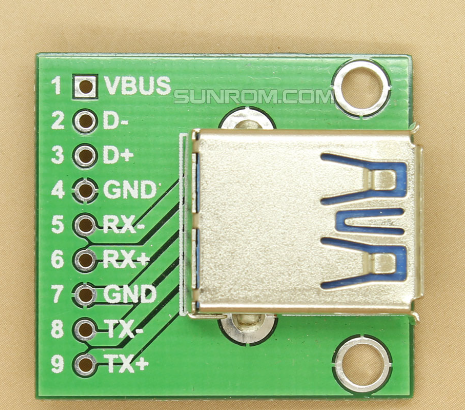
How To Choose The Right USB PCB Connector For Your Project
Selecting the appropriate USB PCB connector for your project is a critical decision that can significantly impact the performance, reliability, and overall success of your electronic design. With a myriad of options available, understanding the key factors to consider will help you make an informed choice. This article aims to guide you through the essential aspects to evaluate when choosing a USB PCB connector.
First and foremost, it is important to identify the specific type of USB connector that suits your project requirements.
USB connectors come in various forms, including Type-A, Type-B, Mini-USB, Micro-USB, and the increasingly popular USB Type-C. Each type has its unique characteristics and applications. For instance, USB Type-A connectors are commonly used in host devices like computers, while USB Type-B connectors are typically found in peripheral devices such as printers. Mini-USB and Micro-USB connectors are often used in portable devices due to their compact size. USB Type-C, known for its reversible design and high data transfer rates, is becoming the standard for modern devices.
Once you have determined the appropriate type of USB connector, the next step is to consider the electrical and mechanical specifications.
The current rating of the connector is a crucial factor, as it must be capable of handling the power requirements of your device. Overloading a connector can lead to overheating and potential failure. Additionally, the data transfer rate is another important consideration, especially for applications requiring high-speed communication. USB 2.0 connectors support data rates up to 480 Mbps, while USB 3.0 and USB 3.1 connectors offer significantly higher speeds, up to 5 Gbps and 10 Gbps respectively.
Another vital aspect to evaluate is the physical durability and reliability of the connector.
The number of mating cycles, which refers to the number of times the connector can be plugged and unplugged without degradation, is a key indicator of longevity. For applications involving frequent connections and disconnections, a connector with a high mating cycle rating is essential. Furthermore, the connector’s resistance to environmental factors such as moisture, dust, and temperature variations should be considered, particularly for outdoor or industrial applications.
The mounting style of the USB connector on the PCB is another critical factor.
Surface-mount technology (SMT) and through-hole technology (THT) are the two primary mounting methods. SMT connectors are mounted directly onto the surface of the PCB, offering a compact and efficient design suitable for high-density applications. On the other hand, THT connectors are inserted into holes drilled in the PCB and soldered on the opposite side, providing a more robust mechanical connection, which is advantageous for applications subject to mechanical stress.
In addition to these technical considerations, it is also important to evaluate the availability and cost of the USB connector.
Ensuring that the chosen connector is readily available from multiple suppliers can prevent potential delays in your project timeline. Moreover, balancing the cost with the required performance and reliability is essential to stay within budget without compromising on quality.
In conclusion, choosing the right USB PCB connector for your project involves a comprehensive evaluation of various factors, including the type of connector, electrical and mechanical specifications, durability, mounting style, and cost. By carefully considering these aspects, you can select a connector that not only meets your project requirements but also ensures optimal performance and reliability.
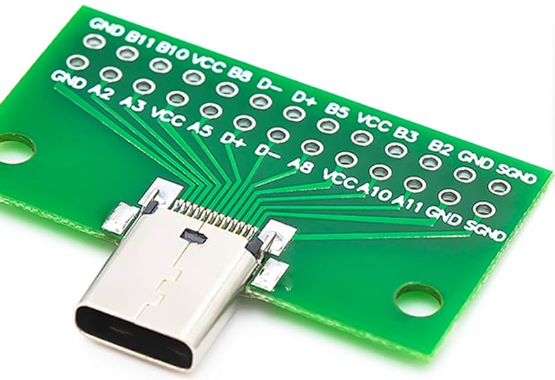
Common Issues And Solutions For USB PCB Connectors
USB PCB connectors are integral components in modern electronic devices, facilitating the connection between USB cables and printed circuit boards (PCBs). Despite their widespread use and critical functionality, these connectors can present several common issues that may affect device performance. Understanding these issues and their solutions is essential for ensuring reliable and efficient operation.
One prevalent issue with USB PCB connectors is mechanical stress.
These connectors are often subject to repeated plugging and unplugging, which can lead to wear and tear over time. This mechanical stress can cause the solder joints to crack or the connector to become loose, resulting in intermittent connections or complete failure. To mitigate this problem, it is advisable to use connectors with reinforced structures and to ensure that the soldering process is performed with precision. Additionally, incorporating strain relief mechanisms can help distribute the mechanical load more evenly, thereby extending the lifespan of the connector.
Another common problem is the accumulation of dust and debris within the connector.
This can obstruct the electrical contacts, leading to poor connectivity or signal degradation. Regular cleaning of the connectors using compressed air or specialized cleaning solutions can help maintain optimal performance. In environments prone to dust, using connectors with protective covers or designing enclosures that minimize exposure can be effective preventive measures.
Corrosion is also a significant concern, particularly in environments with high humidity or exposure to corrosive substances.
Corrosion can deteriorate the metal contacts within the connector, impairing electrical conductivity. To address this issue, selecting connectors with gold-plated contacts can provide better resistance to corrosion. Additionally, applying conformal coatings to the PCB can offer an extra layer of protection against environmental factors.
Electrical noise and interference can pose challenges for USB PCB connectors, especially in applications requiring high-speed data transfer.
Electromagnetic interference (EMI) can disrupt the signal integrity, leading to data errors or communication failures. To combat this, using connectors with built-in shielding can help reduce EMI. Furthermore, proper PCB layout techniques, such as maintaining adequate spacing between signal traces and grounding the connector appropriately, can enhance signal integrity.
Soldering defects are another frequent issue that can affect the performance of USB PCB connectors.
Cold solder joints, insufficient solder, or solder bridging can all lead to unreliable connections. Ensuring that the soldering process adheres to industry standards and using automated soldering equipment can minimize these defects. Additionally, performing thorough inspections and testing after soldering can help identify and rectify any issues before the final assembly.
Thermal management is crucial for maintaining the reliability of USB PCB connectors, particularly in high-power applications.
Excessive heat can cause the connector materials to degrade, leading to failure. Implementing effective thermal management strategies, such as using heat sinks or thermal vias, can help dissipate heat away from the connector. Moreover, selecting connectors rated for higher temperatures can provide additional assurance in demanding applications.
In conclusion, while USB PCB connectors are essential components in electronic devices, they are not without their challenges. Mechanical stress, dust accumulation, corrosion, electrical noise, soldering defects, and thermal management are common issues that can impact their performance. By understanding these problems and implementing appropriate solutions, it is possible to enhance the reliability and longevity of USB PCB connectors, ensuring seamless connectivity and optimal device functionality.
The Future Of USB PCB Connectors: Trends And Innovations
The future of USB PCB connectors is poised for significant advancements, driven by the rapid evolution of technology and the increasing demand for faster, more efficient data transfer solutions. As we delve into the trends and innovations shaping this critical component, it becomes evident that the landscape of USB PCB connectors is undergoing a transformative phase, promising enhanced performance and broader applications.
One of the most notable trends in the realm of USB PCB connectors is the shift towards higher data transfer rates.
The introduction of USB 3.2 and USB4 standards has set new benchmarks, offering speeds up to 40 Gbps. This leap in performance is essential to meet the growing needs of data-intensive applications, such as high-definition video streaming, virtual reality, and large-scale data backups. Consequently, manufacturers are focusing on developing connectors that can support these higher speeds while maintaining reliability and signal integrity.
In tandem with the push for faster data transfer, there is a significant emphasis on miniaturization.
As electronic devices become more compact and portable, the demand for smaller, yet highly efficient connectors has surged. Innovations in materials and manufacturing techniques are enabling the production of USB PCB connectors that occupy less space on the circuit board without compromising on performance. This trend is particularly relevant for wearable technology, smartphones, and other compact devices where space is at a premium.
Another critical innovation in USB PCB connectors is the move towards universal compatibility.
The USB Type-C connector has emerged as a game-changer in this regard, offering a reversible design that simplifies connections and reduces wear and tear. Moreover, USB Type-C supports a wide range of protocols, including USB, HDMI, DisplayPort, and power delivery, making it a versatile solution for various applications. This universal compatibility is driving the adoption of USB Type-C across different industries, from consumer electronics to automotive and industrial sectors.
Power delivery is another area where USB PCB connectors are witnessing significant advancements.
The USB Power Delivery (PD) specification allows for higher power transfer, up to 100 watts, enabling faster charging of devices and the ability to power larger peripherals. This capability is particularly beneficial for laptops, monitors, and other high-power devices, reducing the need for multiple chargers and simplifying the user experience. As a result, USB PD is becoming a standard feature in modern USB PCB connectors, further enhancing their utility.
The integration of advanced materials and manufacturing processes is also playing a crucial role in the evolution of USB PCB connectors.
The use of high-performance plastics, improved shielding techniques, and precision engineering are contributing to connectors that offer better durability, signal integrity, and thermal management. These improvements are essential to ensure that connectors can withstand the rigors of everyday use and maintain optimal performance over time.
Looking ahead, the future of USB PCB connectors will likely be influenced by emerging technologies such as 5G, the Internet of Things (IoT), and artificial intelligence (AI). These technologies will drive the need for even faster data transfer rates, more efficient power delivery, and greater miniaturization. As a result, ongoing research and development efforts will focus on pushing the boundaries of what USB PCB connectors can achieve, ensuring they remain at the forefront of technological innovation.
In conclusion, the future of USB PCB connectors is marked by exciting trends and innovations that promise to enhance their performance, versatility, and applicability. As technology continues to advance, USB PCB connectors will play a pivotal role in enabling the seamless connectivity and efficient power management that modern devices demand. Through continuous improvement and adaptation, these connectors will remain integral to the ever-evolving landscape of electronic devices and systems.