
Rogers substrate pcb
Advantages Of Using Rogers Substrate In PCB Design
Rogers substrate PCBs have become increasingly popular in the electronics industry due to their numerous advantages over traditional FR-4 materials.
One of the primary benefits of using Rogers substrates in PCB design is their superior electrical performance.
Unlike FR-4, which is a glass-reinforced epoxy laminate material, Rogers substrates are made from a variety of high-frequency laminates that offer excellent dielectric properties. This results in lower signal loss and better signal integrity, which is crucial for high-frequency applications such as RF and microwave circuits.
Another significant advantage of Rogers substrates is their thermal management capabilities.
These materials exhibit a lower coefficient of thermal expansion (CTE) compared to FR-4, which means they can better withstand temperature fluctuations without experiencing significant dimensional changes. This property is particularly important in applications where the PCB is subjected to varying thermal conditions, as it ensures the reliability and longevity of the electronic components mounted on the board. Additionally, Rogers substrates have higher thermal conductivity, which helps in dissipating heat more effectively, thereby reducing the risk of overheating and improving the overall performance of the device.
Furthermore, Rogers substrates offer excellent mechanical stability, which is essential for maintaining the structural integrity of the PCB.
The materials used in Rogers substrates are less prone to warping and bending, ensuring that the PCB remains flat and stable even under mechanical stress. This characteristic is particularly beneficial in applications where the PCB is subjected to physical forces, such as in automotive and aerospace industries. The mechanical stability of Rogers substrates also contributes to the ease of manufacturing and assembly, as it reduces the likelihood of defects and improves the overall yield.
In addition to their electrical, thermal, and mechanical advantages, Rogers substrates also provide better chemical resistance compared to FR-4 materials.
This makes them suitable for use in harsh environments where the PCB may be exposed to chemicals, moisture, or other corrosive substances. The enhanced chemical resistance ensures that the PCB maintains its performance and reliability over time, even in challenging conditions.
Moreover, Rogers substrates are available in a wide range of dielectric constants and thicknesses, allowing designers to choose the most appropriate material for their specific application.
This flexibility in material selection enables the optimization of the PCB design for various performance criteria, such as signal speed, impedance control, and power handling capabilities. The ability to tailor the substrate material to the specific requirements of the application ensures that the final product meets the desired performance standards.
Despite the numerous advantages of Rogers substrates, it is important to note that they are generally more expensive than traditional FR-4 materials.
However, the higher cost is often justified by the improved performance and reliability that Rogers substrates offer. In high-frequency and high-performance applications, the benefits of using Rogers substrates far outweigh the additional cost, making them a worthwhile investment.
In conclusion, the use of Rogers substrates in PCB design offers several significant advantages, including superior electrical performance, better thermal management, excellent mechanical stability, enhanced chemical resistance, and flexibility in material selection. These benefits make Rogers substrates an ideal choice for high-frequency and high-performance applications, where reliability and performance are of utmost importance. While the higher cost of Rogers substrates may be a consideration, the improved performance and longevity they provide make them a valuable investment for many electronic applications.
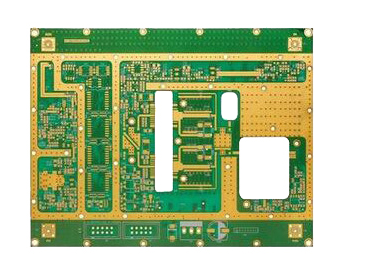
Comparing Rogers Substrate To FR4 In High-Frequency Applications
When it comes to high-frequency applications, the choice of substrate material for printed circuit boards (PCBs) is crucial. Two of the most commonly compared materials are Rogers substrate and FR4. Each has its own set of characteristics that make it suitable for specific applications, and understanding these differences is essential for making an informed decision.
Rogers substrate is renowned for its superior performance in high-frequency applications.
This material is composed of a ceramic-filled hydrocarbon resin system, which provides excellent electrical properties. One of the most significant advantages of Rogers substrate is its low dielectric constant (Dk) and low dissipation factor (Df). These properties ensure minimal signal loss and high signal integrity, which are critical in applications such as microwave circuits, RF components, and high-speed digital circuits. Additionally, Rogers substrate exhibits excellent thermal stability, which is vital for maintaining performance consistency in varying environmental conditions.
In contrast, FR4 is a widely used material in the PCB industry, primarily due to its cost-effectiveness and versatility.
FR4 is a composite material made of woven fiberglass cloth with an epoxy resin binder. While it is suitable for a broad range of applications, its performance in high-frequency scenarios is limited. The dielectric constant of FR4 is higher than that of Rogers substrate, leading to greater signal loss and reduced signal integrity. Furthermore, FR4 has a higher dissipation factor, which can result in increased heat generation and potential signal distortion.
Despite these limitations, FR4 remains a popular choice for many applications due to its affordability and ease of manufacturing.
It is well-suited for low to moderate frequency applications, where the stringent requirements of high-frequency performance are not as critical. Moreover, FR4 offers good mechanical strength and durability, making it a reliable option for various electronic devices.
When comparing Rogers substrate to FR4 in high-frequency applications, it is essential to consider the specific requirements of the project.
For instance, in applications where signal integrity and minimal loss are paramount, such as in telecommunications and aerospace industries, Rogers substrate is often the preferred choice. Its low dielectric constant and dissipation factor ensure that signals are transmitted with high fidelity, reducing the risk of errors and improving overall system performance.
On the other hand, for applications where cost constraints are a significant factor, and the frequency requirements are not as demanding, FR4 can be a viable option.
Its lower cost and widespread availability make it an attractive choice for consumer electronics, automotive applications, and general-purpose PCBs.
In conclusion, the decision between Rogers substrate and FR4 for high-frequency applications hinges on a careful evaluation of the specific needs of the project. While Rogers substrate offers superior electrical properties and thermal stability, making it ideal for high-frequency and high-performance applications, FR4 provides a cost-effective and versatile solution for a wide range of other applications. By understanding the strengths and limitations of each material, engineers and designers can make informed choices that optimize the performance and cost-effectiveness of their PCB designs.
Key Considerations For Manufacturing PCBs With Rogers Substrate
When manufacturing printed circuit boards (PCBs) with Rogers substrate, several key considerations must be taken into account to ensure optimal performance and reliability. Rogers Corporation is renowned for its high-frequency laminate materials, which are particularly favored in applications requiring superior electrical performance, such as RF (radio frequency) and microwave circuits. Understanding the unique properties of Rogers substrates and the specific requirements for their processing is crucial for achieving the desired outcomes in PCB manufacturing.
First and foremost, the choice of Rogers material is pivotal.
Rogers offers a variety of laminates, each with distinct characteristics tailored to different applications. For instance, Rogers RO4000 series is known for its excellent thermal management and mechanical stability, making it suitable for high-power RF designs. On the other hand, the RO3000 series is prized for its low dielectric loss, which is essential for high-frequency applications. Selecting the appropriate Rogers material based on the specific needs of the project is the foundation of successful PCB manufacturing.
Once the material is chosen, the design phase must consider the unique properties of Rogers substrates.
Unlike traditional FR-4 materials, Rogers laminates exhibit different dielectric constants and thermal coefficients. These differences necessitate careful impedance control and signal integrity analysis during the design process. Engineers must meticulously calculate trace widths, spacing, and layer stack-ups to ensure that the PCB meets the required electrical specifications. Additionally, the thermal management properties of Rogers materials should be leveraged to design efficient heat dissipation pathways, especially in high-power applications.
Transitioning from design to fabrication, the processing of Rogers substrates requires specialized techniques.
Drilling, for instance, must be performed with precision to avoid damaging the material. The use of high-speed drilling machines with appropriate drill bits is recommended to achieve clean and accurate holes. Furthermore, the lamination process must be carefully controlled to prevent delamination or voids, which can compromise the integrity of the PCB. The use of vacuum lamination and proper temperature profiling are essential steps in this regard.
Another critical aspect is the surface preparation and metallization of Rogers substrates.
Due to their unique chemical composition, Rogers materials may require different surface treatments compared to traditional FR-4. Ensuring proper adhesion of copper layers is vital for reliable electrical connections. Techniques such as plasma etching or chemical roughening can be employed to enhance surface adhesion. Additionally, the choice of metallization process, whether electroless plating or direct metallization, should be tailored to the specific Rogers material being used.
Quality control and testing are indispensable in the manufacturing process of PCBs with Rogers substrates.
Given the high-performance applications these materials are often used in, rigorous testing for electrical performance, thermal stability, and mechanical robustness is necessary. Techniques such as time-domain reflectometry (TDR) and vector network analysis (VNA) can be employed to verify impedance and signal integrity. Thermal cycling and mechanical stress tests ensure that the PCB can withstand the operational conditions it will be subjected to.
In conclusion, manufacturing PCBs with Rogers substrate involves a series of meticulous steps, from material selection and design to fabrication and testing. Each phase requires a deep understanding of the unique properties of Rogers laminates and the application-specific requirements. By adhering to best practices and leveraging specialized techniques, manufacturers can produce high-performance PCBs that meet the stringent demands of modern RF and microwave applications.
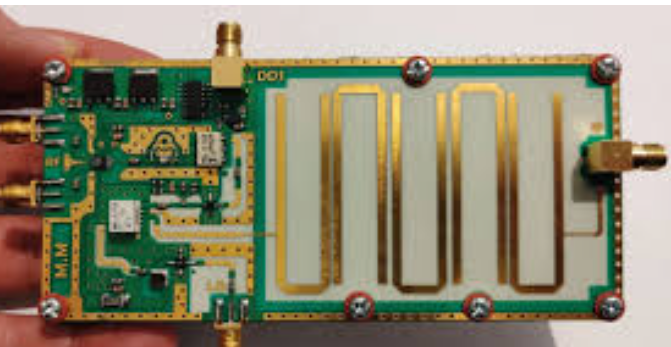
Thermal Management Solutions With Rogers Substrate PCBs
Rogers substrate PCBs have emerged as a pivotal solution in the realm of thermal management, particularly in high-frequency and high-power applications. These advanced materials are renowned for their superior thermal conductivity, which is essential for maintaining the performance and reliability of electronic devices. As electronic components continue to shrink in size while increasing in power density, effective thermal management becomes increasingly critical. Rogers substrate PCBs address this challenge by offering a combination of low dielectric loss, high thermal conductivity, and excellent mechanical stability.
One of the primary advantages of Rogers substrate PCBs is their ability to dissipate heat efficiently.
Traditional PCB materials, such as FR-4, often fall short in high-power applications due to their limited thermal conductivity. In contrast, Rogers substrates are engineered to provide enhanced thermal performance, which helps in maintaining optimal operating temperatures for electronic components. This is particularly important in applications such as RF and microwave circuits, where excessive heat can lead to signal degradation and reduced efficiency.
Moreover, the low dielectric constant of Rogers substrates contributes to their effectiveness in thermal management.
A low dielectric constant minimizes signal loss and ensures that the electronic signals are transmitted with minimal interference. This characteristic is crucial in high-frequency applications, where even minor signal losses can significantly impact overall performance. By combining low dielectric loss with high thermal conductivity, Rogers substrate PCBs offer a dual advantage that is highly sought after in advanced electronic designs.
In addition to their thermal and electrical properties, Rogers substrate PCBs also exhibit excellent mechanical stability.
This stability is vital for maintaining the integrity of the PCB under various environmental conditions, including temperature fluctuations and mechanical stress. The robust nature of Rogers substrates ensures that the PCB can withstand the rigors of demanding applications without compromising performance. This reliability is particularly beneficial in industries such as aerospace, automotive, and telecommunications, where electronic components are often exposed to harsh conditions.
Furthermore, the versatility of Rogers substrate PCBs makes them suitable for a wide range of applications.
They are commonly used in power amplifiers, antennas, and other RF components, where efficient thermal management is crucial. The ability to tailor the properties of Rogers substrates to meet specific requirements allows designers to optimize their PCBs for various applications, ensuring that the thermal management needs are adequately addressed.
In conclusion, Rogers substrate PCBs offer a comprehensive solution for thermal management in high-frequency and high-power applications. Their superior thermal conductivity, low dielectric loss, and excellent mechanical stability make them an ideal choice for advanced electronic designs. As the demand for more powerful and compact electronic devices continues to grow, the importance of effective thermal management cannot be overstated. Rogers substrate PCBs provide the necessary thermal performance to ensure that electronic components operate reliably and efficiently, even under challenging conditions. By leveraging the unique properties of Rogers substrates, designers can achieve optimal thermal management and enhance the overall performance of their electronic systems.