
Pcb prototype cnc
Benefits Of Using CNC Machines For PCB Prototyping
The utilization of CNC (Computer Numerical Control) machines for PCB (Printed Circuit Board) prototyping has revolutionized the electronics manufacturing industry. This advanced technology offers a multitude of benefits that significantly enhance the efficiency, precision, and overall quality of PCB production.
One of the primary advantages of using CNC machines for PCB prototyping is the remarkable precision they provide.
Traditional methods of PCB manufacturing often involve manual processes that are prone to human error. In contrast, CNC machines operate with computer-controlled precision, ensuring that each cut, drill, and etch is executed with exacting accuracy. This level of precision is crucial for the intricate designs and tight tolerances required in modern electronic devices.
Moreover, CNC machines offer unparalleled repeatability.
Once a design is programmed into the machine, it can produce identical PCBs consistently, regardless of the complexity of the design. This repeatability is essential for maintaining quality control and ensuring that each prototype meets the required specifications. Additionally, the ability to quickly and accurately reproduce designs allows for rapid iteration and testing, which is vital in the fast-paced world of electronics development.
Another significant benefit of CNC machines in PCB prototyping is their versatility.
These machines can handle a wide range of materials, including various types of copper-clad laminates, which are commonly used in PCB manufacturing. This versatility allows engineers and designers to experiment with different materials and thicknesses, optimizing the performance and durability of their prototypes.
Furthermore, CNC machines can perform multiple operations, such as drilling, milling, and routing, in a single setup. This multi-functionality streamlines the prototyping process, reducing the need for multiple machines and manual interventions, thereby saving time and reducing the risk of errors.
In addition to precision and versatility, CNC machines also offer significant time and cost savings. Traditional PCB prototyping methods, such as photolithography and chemical etching, can be time-consuming and require expensive materials and equipment. CNC machining, on the other hand, can produce prototypes quickly and efficiently, with minimal material waste. This efficiency translates to lower production costs and faster turnaround times, enabling companies to bring their products to market more rapidly.
Furthermore, the use of CNC machines for PCB prototyping enhances the ability to create complex and innovative designs.
The precision and control offered by CNC technology allow for the creation of intricate patterns and fine details that would be challenging or impossible to achieve with manual methods. This capability is particularly important as electronic devices continue to become smaller and more sophisticated, requiring increasingly complex PCB designs.
In conclusion, the benefits of using CNC machines for PCB prototyping are manifold. The precision, repeatability, versatility, and efficiency of CNC technology significantly improve the quality and speed of PCB production. These advantages not only enhance the prototyping process but also contribute to the overall success of electronic product development. As the demand for advanced and reliable electronic devices continues to grow, the role of CNC machines in PCB prototyping will undoubtedly become even more critical, driving innovation and progress in the electronics industry.
Step-By-Step Guide To Creating PCB Prototypes With CNC
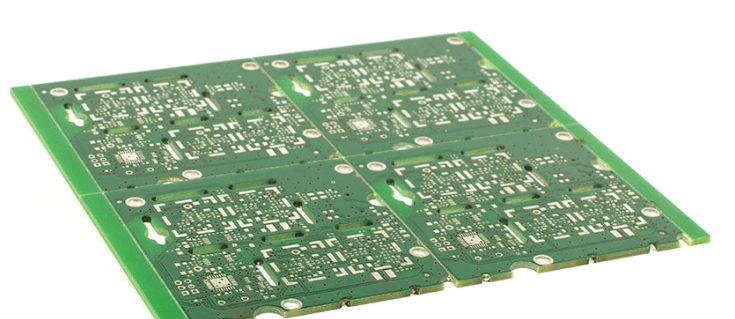
Creating PCB prototypes with CNC (Computer Numerical Control) machines is a precise and efficient method that has gained popularity among electronics enthusiasts and professionals alike. This process involves using a CNC machine to mill the copper-clad board, thereby creating the desired circuit pattern. To begin with, it is essential to have a well-prepared design. This design is typically created using CAD (Computer-Aided Design) software, which allows for meticulous planning and layout of the circuit. Once the design is finalized, it is converted into a format that the CNC machine can interpret, usually G-code.
The next step involves preparing the CNC machine itself. This includes securing the copper-clad board onto the machine’s work surface.
It is crucial to ensure that the board is firmly in place to prevent any movement during the milling process, which could result in inaccuracies. Additionally, selecting the appropriate milling bit is vital. The bit’s size and type will depend on the intricacy of the design and the thickness of the copper layer. Commonly used bits range from 0.1mm to 0.3mm in diameter for fine details.
Once the machine is set up, the G-code file is loaded into the CNC machine’s control software.
This software will guide the machine through the milling process, ensuring that the design is accurately transferred onto the copper-clad board. During this phase, it is important to monitor the machine closely. Although CNC machines are highly precise, occasional adjustments may be necessary to maintain accuracy. For instance, if the milling bit encounters an unexpected obstacle or if there is a deviation in the board’s alignment, immediate intervention can prevent potential errors.
After the milling process is complete, the next step is to inspect the board for any imperfections.
This involves checking for incomplete traces, burrs, or any other anomalies that could affect the board’s functionality. If any issues are detected, they can often be corrected with a fine file or a small knife. Following this, the board is cleaned to remove any debris or dust generated during milling. This cleaning process is crucial as it ensures that the board is free from contaminants that could interfere with soldering or the overall performance of the PCB.
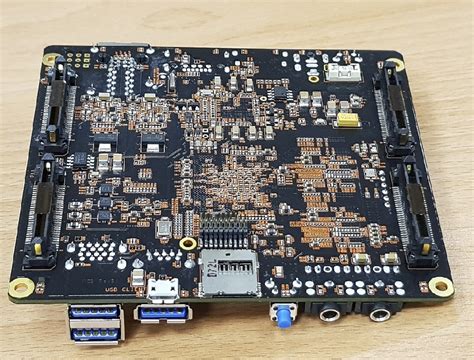
The final stage involves drilling holes for components and vias.
This can also be done using the CNC machine, provided it is equipped with the appropriate drill bits. The precision of the CNC machine ensures that the holes are accurately placed according to the design specifications. Once the drilling is complete, the board is ready for component placement and soldering. It is advisable to test the board for continuity and functionality before proceeding with full assembly. This preliminary testing can help identify any issues early on, allowing for timely corrections.
In conclusion, creating PCB prototypes with CNC machines is a methodical process that requires careful planning and attention to detail. From designing the circuit and preparing the CNC machine to milling, inspecting, and drilling, each step plays a crucial role in ensuring the final product meets the desired specifications. By following these steps meticulously, one can achieve high-quality PCB prototypes that are both functional and reliable.
Common Challenges In PCB CNC Prototyping And How To Overcome Them
PCB CNC prototyping is a critical process in the development of electronic devices, offering a rapid and cost-effective means to create circuit boards. However, this process is not without its challenges. Understanding these common issues and knowing how to address them can significantly enhance the efficiency and quality of the prototypes produced.
One of the primary challenges in PCB CNC prototyping is achieving precise alignment and registration.
Misalignment can lead to circuit paths that do not connect properly, resulting in a non-functional prototype. To overcome this, it is essential to use high-quality CNC machines that offer precise control over the milling process. Additionally, implementing a robust setup procedure, including the use of alignment pins and fiducial markers, can help ensure that the PCB material is correctly positioned before milling begins.
Another significant challenge is managing the depth of cut.
Inconsistent cutting depths can cause traces to be either too shallow, leading to poor electrical connectivity, or too deep, potentially damaging the substrate. To mitigate this issue, it is crucial to calibrate the CNC machine accurately. Regular maintenance and calibration checks can help maintain the precision of the cutting tools. Furthermore, using software that allows for real-time monitoring and adjustment of cutting depths can provide an additional layer of control, ensuring that the milling process remains consistent.
Material selection also poses a challenge in PCB CNC prototyping.
Different materials have varying properties that can affect the milling process, such as hardness, flexibility, and thermal conductivity. Choosing the right material for the specific application is vital. For instance, FR4 is a commonly used material due to its excellent mechanical and electrical properties. However, for high-frequency applications, materials like Rogers or Teflon may be more suitable. Understanding the properties of different materials and selecting the appropriate one for the intended application can help avoid issues related to material incompatibility.
Tool wear and breakage are other common issues encountered during PCB CNC prototyping.
The small and intricate nature of PCB designs requires the use of fine milling tools, which are prone to wear and breakage. To address this, it is important to use high-quality tools made from durable materials such as carbide. Regular inspection and replacement of tools can prevent unexpected breakages that could disrupt the prototyping process. Additionally, optimizing the milling parameters, such as feed rate and spindle speed, can reduce the stress on the tools, thereby extending their lifespan.
Dust and debris management is another critical aspect of PCB CNC prototyping.
The milling process generates a significant amount of dust and debris, which can interfere with the machine’s operation and affect the quality of the prototype. Implementing an effective dust collection system can help keep the work area clean and prevent contamination of the PCB. Regular cleaning and maintenance of the CNC machine are also essential to ensure its optimal performance.
In conclusion, while PCB CNC prototyping presents several challenges, understanding these issues and implementing appropriate solutions can significantly improve the prototyping process. By focusing on precise alignment, managing cutting depths, selecting suitable materials, maintaining tools, and controlling dust and debris, it is possible to produce high-quality PCB prototypes efficiently. As technology continues to advance, further innovations in CNC machining and materials will likely provide even more effective solutions to these common challenges.
Top CNC Machines For Efficient PCB Prototyping
Printed Circuit Board (PCB) prototyping is a critical phase in the development of electronic devices, and the efficiency of this process can significantly impact the overall project timeline. One of the most effective ways to streamline PCB prototyping is through the use of Computer Numerical Control (CNC) machines. These machines offer precision, speed, and repeatability, making them indispensable tools for engineers and designers. In this article, we will explore some of the top CNC machines that are particularly well-suited for efficient PCB prototyping.
To begin with, the Bantam Tools Desktop PCB Milling Machine stands out as a popular choice among professionals and hobbyists alike.
This machine is known for its user-friendly interface and robust software, which simplifies the process of converting design files into physical PCBs. The Bantam Tools machine is capable of milling, drilling, and engraving with high precision, ensuring that even the most intricate designs are accurately reproduced. Additionally, its compact size makes it ideal for small workspaces, without compromising on performance.
Another noteworthy CNC machine is the Voltera V-One.
This machine is unique in that it combines both milling and printing capabilities, allowing users to create double-sided PCBs with ease. The Voltera V-One uses conductive ink to print traces and pads, which can then be cured using its built-in heating element. This dual functionality not only speeds up the prototyping process but also reduces the need for multiple machines. Furthermore, the Voltera V-One’s intuitive software guides users through each step, making it accessible even to those with limited experience in PCB fabrication.
Moving on, the Othermill Pro, now known as the Bantam Tools Desktop PCB Milling Machine, deserves mention for its exceptional precision and versatility.
This machine is capable of handling a wide range of materials, including FR-1, FR-4, and even softer metals like aluminum. Its high-speed spindle and advanced motion control system ensure that each cut is clean and accurate, minimizing the risk of errors. The Othermill Pro also features an automatic tool change system, which further enhances its efficiency by reducing downtime between operations.
In addition to these machines, the LPKF ProtoMat S104 is another excellent option for PCB prototyping.
This high-end machine is designed for professional use and offers a range of advanced features, such as automatic tool change, depth control, and a high-frequency spindle. The ProtoMat S104 is capable of producing complex multilayer PCBs with fine pitch components, making it suitable for demanding applications. Its integrated camera system ensures precise alignment, while its powerful software provides comprehensive design and manufacturing capabilities.
Lastly, the CNC 3018 Pro is a budget-friendly option that offers impressive performance for its price.
While it may not have all the advanced features of higher-end machines, the CNC 3018 Pro is more than capable of handling basic PCB prototyping tasks. Its open-source software and customizable design make it a versatile choice for those looking to experiment and learn. Despite its affordability, the CNC 3018 Pro delivers reliable results, making it a valuable addition to any prototyping toolkit.
In conclusion, the choice of CNC machine for PCB prototyping depends on various factors, including budget, required precision, and specific project needs. Machines like the Bantam Tools Desktop PCB Milling Machine, Voltera V-One, Othermill Pro, LPKF ProtoMat S104, and CNC 3018 Pro each offer unique advantages that cater to different aspects of the prototyping process. By selecting the right CNC machine, engineers and designers can significantly enhance the efficiency and accuracy of their PCB prototypes, ultimately leading to more successful electronic products.