
Pcb manufacturing date
Advances In Automated Optical Inspection (AOI) Systems about pcb manufacturing date
Advances in Automated Optical Inspection (AOI) systems have significantly transformed the landscape of PCB manufacturing equipment, ushering in a new era of precision and efficiency. As the demand for high-quality printed circuit boards (PCBs) continues to escalate, manufacturers are increasingly relying on AOI systems to ensure the integrity and functionality of their products. These systems, which utilize advanced imaging technologies and sophisticated algorithms, have become indispensable tools in the quest for defect-free PCBs.
One of the most notable advancements in AOI systems is the integration of high-resolution cameras and multi-angle lighting.
These enhancements allow for the detailed inspection of PCBs, capturing even the minutest defects that could compromise the performance of the final product. By employing multiple cameras and varying light sources, AOI systems can generate comprehensive images that reveal surface anomalies, solder joint issues, and component misalignments with remarkable clarity. This level of detail is crucial for identifying defects that might otherwise go unnoticed, thereby ensuring that only the highest quality boards proceed to the next stage of production.
In addition to hardware improvements, the software that drives AOI systems has also seen significant advancements.
Modern AOI software leverages machine learning and artificial intelligence to enhance defect detection capabilities. By training on vast datasets of PCB images, these systems can learn to recognize patterns and anomalies with increasing accuracy. This not only reduces the likelihood of false positives but also enables the system to adapt to new types of defects as they emerge. Consequently, manufacturers can maintain stringent quality control standards while minimizing the need for manual inspection, which is both time-consuming and prone to human error.
Furthermore, the integration of AOI systems with other manufacturing equipment has streamlined the production process.
By connecting AOI systems to the broader manufacturing network, data can be shared in real-time, allowing for immediate corrective actions. For instance, if an AOI system detects a recurring defect, it can alert upstream equipment to adjust parameters and prevent further occurrences. This level of interconnectivity not only enhances the overall efficiency of the production line but also reduces waste and rework, leading to significant cost savings.
Another critical development in AOI technology is the ability to perform 3D inspections.
Traditional 2D AOI systems, while effective, are limited in their ability to detect certain types of defects, such as insufficient solder or lifted leads. 3D AOI systems, on the other hand, can measure the height and volume of components and solder joints, providing a more comprehensive assessment of the PCB’s quality. This capability is particularly important for complex, high-density boards where even slight deviations can have a substantial impact on performance.
Moreover, the user interface of AOI systems has become more intuitive and user-friendly.
Modern systems often feature touchscreens, customizable dashboards, and advanced reporting tools that make it easier for operators to monitor and analyze inspection results. This ease of use not only improves productivity but also ensures that operators can quickly identify and address issues, further enhancing the overall quality control process.
In conclusion, the advancements in Automated Optical Inspection systems have revolutionized PCB manufacturing equipment, offering unparalleled precision, efficiency, and reliability. Through the integration of high-resolution imaging, sophisticated software, real-time data sharing, 3D inspection capabilities, and user-friendly interfaces, AOI systems have become essential in producing defect-free PCBs. As technology continues to evolve, it is likely that AOI systems will become even more advanced, further solidifying their role as a cornerstone of modern PCB manufacturing.
The Role Of Solder Paste Printers In PCB Manufacturing
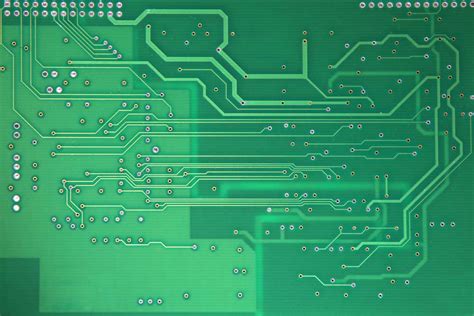
In the intricate world of printed circuit board (PCB) manufacturing, solder paste printers play a pivotal role in ensuring the functionality and reliability of the final product. These sophisticated machines are responsible for applying solder paste to the PCB, a critical step that precedes the placement of electronic components. The precision and accuracy of solder paste application directly influence the performance and durability of the assembled PCB, making solder paste printers indispensable in the manufacturing process.
To understand the significance of solder paste printers, it is essential to first grasp the function of solder paste itself.
Solder paste is a mixture of powdered solder and flux, which serves as a temporary adhesive to hold surface-mount components in place on the PCB during the reflow soldering process. The paste is applied to the PCB through a stencil, which has openings corresponding to the pads on the board where components will be mounted. The quality of this application is crucial, as any misalignment or inconsistency can lead to defects such as solder bridges, insufficient solder joints, or component misplacement.
Solder paste printers are designed to address these challenges by providing high precision and repeatability in the paste application process.
Modern solder paste printers are equipped with advanced features such as vision systems, automated alignment, and pressure control mechanisms. These features ensure that the solder paste is deposited accurately and consistently, even on the smallest and most densely packed PCBs. The vision system, for instance, uses cameras to align the stencil with the PCB, correcting any misalignment in real-time. This level of precision is particularly important in the production of high-density interconnect (HDI) boards, where the margin for error is minimal.
Moreover, solder paste printers contribute to the overall efficiency of the PCB manufacturing process.
By automating the paste application, these machines reduce the need for manual intervention, thereby minimizing the risk of human error. This automation also speeds up the production process, allowing manufacturers to meet the increasing demand for electronic devices without compromising on quality. Additionally, the use of solder paste printers can lead to significant cost savings. By ensuring that the right amount of paste is applied to each pad, these machines help to reduce material waste and rework costs associated with defective boards.
Another critical aspect of solder paste printers is their role in quality control.
Many modern printers are equipped with inspection systems that can detect defects in the paste application before the board moves on to the next stage of production. This early detection allows manufacturers to address issues promptly, preventing defective boards from progressing through the assembly line and reducing the likelihood of costly rework or scrap. The data collected by these inspection systems can also be used to identify trends and improve the overall manufacturing process, leading to continuous quality improvement.
In conclusion, solder paste printers are a cornerstone of PCB manufacturing, playing a crucial role in ensuring the accuracy, efficiency, and quality of the final product. Their advanced features and automation capabilities not only enhance the precision of solder paste application but also contribute to cost savings and quality control. As the demand for more complex and miniaturized electronic devices continues to grow, the importance of solder paste printers in the PCB manufacturing process will only increase, underscoring their vital role in the production of reliable and high-performance electronic products.
Innovations In PCB Drilling And Routing Machines
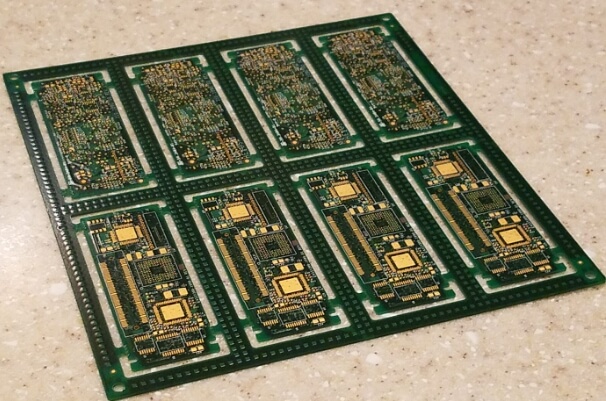
Printed Circuit Board (PCB) manufacturing has seen significant advancements over the years, particularly in the realm of drilling and routing machines. These innovations have been driven by the need for higher precision, increased efficiency, and the ability to handle more complex designs. As the demand for smaller, more powerful electronic devices grows, the importance of cutting-edge PCB drilling and routing technology cannot be overstated.
One of the most notable innovations in PCB drilling machines is the advent of laser drilling technology.
Traditional mechanical drilling methods, while effective, often struggle with the miniaturization required by modern electronics. Laser drilling, on the other hand, offers unparalleled precision, allowing for the creation of microvias and other intricate features that are essential for high-density interconnect (HDI) PCBs. This technology utilizes high-powered lasers to ablate material with extreme accuracy, resulting in cleaner holes and reduced risk of damage to the surrounding substrate.
In addition to laser drilling, advancements in mechanical drilling have also been significant.
Modern mechanical drilling machines are now equipped with multi-spindle heads, which enable simultaneous drilling of multiple holes. This not only speeds up the manufacturing process but also ensures uniformity and consistency across the board. Furthermore, these machines are often integrated with advanced software that can optimize drilling patterns and adjust parameters in real-time, thereby enhancing both efficiency and precision.
Routing machines, which are used to cut and shape the PCB after drilling, have also seen remarkable improvements.
One of the key innovations in this area is the development of high-speed routing spindles. These spindles can operate at extremely high RPMs, allowing for faster and more precise cutting. This is particularly important for complex PCB designs that require intricate shapes and tight tolerances. Additionally, modern routing machines are often equipped with automated tool changers, which can switch between different cutting tools without manual intervention. This not only reduces downtime but also ensures that the right tool is always used for the job, further enhancing the quality of the final product.
Another significant advancement in PCB routing technology is the integration of vision systems.
These systems use cameras and image processing software to inspect the PCB in real-time during the routing process. By doing so, they can detect any deviations from the intended design and make immediate adjustments. This level of real-time quality control is crucial for maintaining the high standards required in modern electronics manufacturing.
Moreover, the incorporation of artificial intelligence (AI) and machine learning (ML) into PCB drilling and routing machines has opened new avenues for innovation.
AI algorithms can analyze vast amounts of data from the manufacturing process to identify patterns and optimize performance. For instance, they can predict tool wear and schedule maintenance before a failure occurs, thereby reducing downtime and increasing overall efficiency. Machine learning models can also be used to continuously improve the accuracy and speed of drilling and routing operations by learning from past performance and making data-driven adjustments.
In conclusion, the innovations in PCB drilling and routing machines have significantly enhanced the capabilities of modern electronics manufacturing. From laser drilling and high-speed spindles to vision systems and AI integration, these advancements have enabled the production of more complex, precise, and reliable PCBs. As technology continues to evolve, it is likely that we will see even more groundbreaking developments in this field, further pushing the boundaries of what is possible in PCB manufacturing.
Enhancing Efficiency With Surface Mount Technology (SMT) Equipment
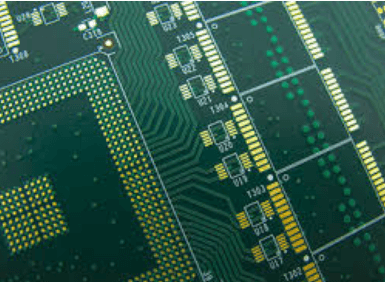
Surface Mount Technology (SMT) equipment has revolutionized the field of printed circuit board (PCB) manufacturing, significantly enhancing efficiency and precision. This advanced technology involves mounting electronic components directly onto the surface of PCBs, as opposed to inserting them into holes. The adoption of SMT equipment has led to numerous benefits, including reduced production time, increased reliability, and the ability to produce more compact and complex circuit designs.
One of the primary advantages of SMT equipment is its ability to automate the assembly process
Automated machines, such as pick-and-place devices, are capable of placing thousands of components per hour with remarkable accuracy. This automation not only speeds up production but also minimizes human error, ensuring a higher quality end product. Furthermore, the precision of these machines allows for the placement of smaller components, which is essential for modern electronic devices that demand miniaturization.
In addition to automation, SMT equipment enhances efficiency through its ability to handle a wide variety of components.
From resistors and capacitors to integrated circuits and connectors, SMT machines can accommodate diverse component types and sizes. This versatility is crucial for manufacturers who need to produce different types of PCBs for various applications, ranging from consumer electronics to industrial machinery. By using SMT equipment, manufacturers can quickly switch between different production runs, thereby reducing downtime and increasing overall productivity.
Another significant benefit of SMT equipment is its contribution to improved thermal performance and electrical characteristics.
Surface-mounted components typically have shorter lead lengths compared to their through-hole counterparts, which results in lower inductance and resistance. This leads to better signal integrity and reduced electromagnetic interference, which are critical factors in high-speed and high-frequency applications. Additionally, the compact nature of SMT assemblies allows for better heat dissipation, enhancing the reliability and longevity of the final product.
Moreover, SMT equipment supports the trend towards environmentally friendly manufacturing practices.
The use of lead-free soldering techniques, which are compatible with SMT processes, helps reduce the environmental impact of PCB production. Lead-free solders are less harmful to both workers and the environment, aligning with global efforts to minimize the use of hazardous materials in electronics manufacturing. Consequently, companies that invest in SMT equipment are better positioned to comply with stringent environmental regulations and meet the growing demand for eco-friendly products.
The integration of advanced inspection and testing systems within SMT equipment further enhances manufacturing efficiency.
Automated optical inspection (AOI) and X-ray inspection systems are commonly used to detect defects such as misaligned components, soldering issues, and other anomalies. These inspection systems provide real-time feedback, allowing manufacturers to identify and rectify problems early in the production process. This proactive approach reduces the likelihood of defective products reaching the market, thereby improving customer satisfaction and reducing warranty costs.
In conclusion, Surface Mount Technology (SMT) equipment plays a pivotal role in enhancing the efficiency of PCB manufacturing. Through automation, versatility, improved thermal and electrical performance, environmental benefits, and advanced inspection capabilities, SMT equipment enables manufacturers to produce high-quality, reliable, and complex PCBs at a faster rate. As the demand for sophisticated electronic devices continues to grow, the adoption of SMT equipment will remain a critical factor in the success of PCB manufacturing operations.