
Pcb in transformers
Design Considerations for PCBs in Transformer Applications
When designing printed circuit boards (PCBs) for transformer applications, several critical considerations must be taken into account to ensure optimal performance, reliability, and safety. The integration of PCBs in transformers necessitates a thorough understanding of both electrical and mechanical design principles, as well as an awareness of the specific requirements imposed by the application environment.
To begin with, the electrical characteristics of the PCB must be meticulously planned.
This involves selecting appropriate materials that can withstand the high voltages and currents typically associated with transformer operations. The dielectric properties of the PCB substrate are of paramount importance, as they influence the board’s ability to insulate and manage electrical stress. Materials such as FR-4, polyimide, or ceramic substrates are often chosen for their superior dielectric strength and thermal stability. Additionally, the copper thickness on the PCB must be sufficient to handle the current load without excessive heating, which could lead to thermal degradation or failure.
Another crucial aspect is the layout of the PCB traces.
The trace width and spacing must be designed to accommodate the high current flow and to prevent issues such as arcing or short circuits. Proper trace routing is essential to minimize electromagnetic interference (EMI) and to ensure efficient power transfer. This often involves the use of wider traces and careful consideration of the trace geometry to reduce inductive and capacitive coupling. Furthermore, the placement of components on the PCB should be optimized to minimize parasitic effects and to enhance thermal management.
Thermal management is another key consideration in the design of PCBs for transformer applications.
Transformers can generate significant amounts of heat during operation, and effective heat dissipation is critical to maintaining the integrity and performance of the PCB. This can be achieved through the use of thermal vias, heat sinks, and appropriate PCB stack-up configurations that facilitate heat transfer away from critical components. Additionally, the choice of solder mask and surface finish can impact the thermal performance and reliability of the PCB.
Mechanical considerations also play a vital role in the design process.
The PCB must be robust enough to withstand the mechanical stresses associated with transformer operation, including vibrations, shocks, and thermal cycling. This necessitates the use of high-quality materials and manufacturing processes that ensure the mechanical integrity of the board. The mounting and securing of the PCB within the transformer enclosure must also be carefully planned to prevent mechanical damage and to ensure proper alignment and connectivity.
Moreover, compliance with industry standards and regulations is essential in the design of PCBs for transformer applications.
Standards such as IPC-2221 for generic PCB design and IPC-6012 for qualification and performance specification of rigid PCBs provide guidelines that help ensure the reliability and safety of the final product. Adherence to these standards not only facilitates regulatory approval but also enhances the overall quality and performance of the PCB.
In conclusion, the design of PCBs for transformer applications requires a comprehensive approach that addresses electrical, thermal, and mechanical considerations. By carefully selecting materials, optimizing trace layout, managing thermal performance, and ensuring mechanical robustness, designers can create PCBs that meet the demanding requirements of transformer applications. Compliance with industry standards further ensures that the PCBs are reliable, safe, and capable of delivering optimal performance in their intended application environments.
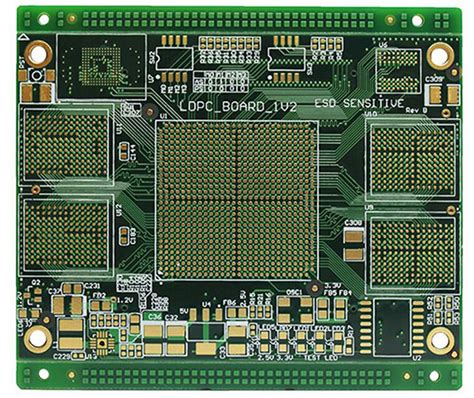
Thermal Management Techniques for Transformer PCBs
Thermal management is a critical aspect of transformer PCB design, as it directly impacts the performance, reliability, and longevity of the device. Effective thermal management techniques are essential to dissipate the heat generated during operation and to maintain the temperature within safe limits.
One of the primary methods employed in thermal management is the use of heat sinks.
Heat sinks are designed to increase the surface area available for heat dissipation, thereby enhancing the cooling process. They are typically made of materials with high thermal conductivity, such as aluminum or copper, which facilitate the efficient transfer of heat away from the PCB components.
In addition to heat sinks, thermal vias are another effective technique used in transformer PCBs.
Thermal vias are small holes filled with conductive material that connect the different layers of the PCB. These vias provide a path for heat to travel from the hot components to the cooler areas of the board, thereby distributing the heat more evenly and preventing localized hotspots. The strategic placement of thermal vias can significantly improve the thermal performance of the PCB.
Furthermore, the use of thermal interface materials (TIMs) is crucial in enhancing the thermal management of transformer PCBs.
TIMs are materials that are placed between the heat-generating components and the heat sinks to improve the thermal conductivity between them. These materials fill the microscopic air gaps that naturally occur between the surfaces, thereby reducing thermal resistance and improving heat transfer. Common types of TIMs include thermal pads, thermal grease, and phase-change materials, each offering different levels of thermal conductivity and ease of application.
Another important consideration in thermal management is the layout of the PCB.
The placement of components plays a significant role in heat dissipation. High-power components should be placed in areas with good airflow and away from heat-sensitive components. Additionally, spreading out heat-generating components can help to distribute the heat more evenly across the board. The use of thermal reliefs, which are small copper areas connected to the thermal vias, can also aid in heat dissipation by providing additional paths for heat to escape.
Moreover, the choice of PCB material can influence thermal management.
Materials with high thermal conductivity, such as metal-core PCBs, can help to dissipate heat more effectively than traditional FR4 materials. Metal-core PCBs have a metal layer, usually aluminum or copper, which acts as a heat spreader, thereby improving the overall thermal performance of the board.
Active cooling methods, such as fans or liquid cooling systems, can also be employed in transformer PCBs to enhance thermal management.
Fans can increase the airflow around the PCB, thereby improving heat dissipation. Liquid cooling systems, although more complex and expensive, can provide superior cooling performance by circulating a coolant through a network of tubes and heat exchangers.
In conclusion, effective thermal management techniques are essential for ensuring the optimal performance and reliability of transformer PCBs. The use of heat sinks, thermal vias, thermal interface materials, strategic component placement, high-conductivity materials, and active cooling methods can significantly enhance the thermal performance of the PCB. By carefully considering these techniques during the design phase, engineers can create transformer PCBs that operate efficiently and have a longer lifespan.
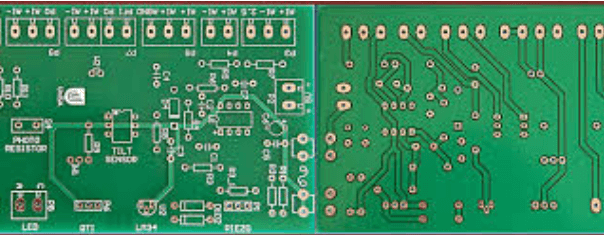
Material Selection for High-Performance Transformer PCBs
When designing high-performance transformer printed circuit boards (PCBs), the selection of materials is a critical factor that significantly influences the overall efficiency, reliability, and longevity of the transformer. The choice of materials must account for various electrical, thermal, and mechanical properties to ensure optimal performance under diverse operating conditions. Consequently, understanding the key material properties and their impact on transformer PCB performance is essential for engineers and designers.
One of the primary considerations in material selection for transformer PCBs is the dielectric constant (Dk) of the substrate material.
The dielectric constant affects the signal integrity and impedance control of the PCB. Materials with a stable and low dielectric constant are preferred as they minimize signal loss and ensure consistent performance across a wide frequency range. Common materials used for high-performance transformer PCBs include FR-4, a glass-reinforced epoxy laminate, and more advanced options like PTFE (polytetrafluoroethylene) and ceramic-filled laminates. These materials offer excellent electrical properties, making them suitable for high-frequency applications.
In addition to the dielectric constant, the thermal properties of the substrate material are equally important.
Transformers often operate under high temperatures, and the PCB material must withstand these conditions without degrading. The glass transition temperature (Tg) is a critical parameter that indicates the temperature at which the material transitions from a rigid to a more pliable state. Materials with a high Tg are preferred for high-performance transformer PCBs as they maintain their structural integrity and electrical properties at elevated temperatures. For instance, high-Tg FR-4 and polyimide materials are commonly used in applications requiring superior thermal performance.
Another crucial factor in material selection is the coefficient of thermal expansion (CTE).
The CTE measures how much a material expands or contracts with temperature changes. A low and matched CTE between the PCB material and the components mounted on it is essential to prevent mechanical stress and potential failure during thermal cycling. Materials like ceramic-filled laminates and certain high-performance polymers offer low CTE values, making them ideal for applications with stringent thermal requirements.
Mechanical properties, such as tensile strength and flexural strength, also play a vital role in the durability and reliability of transformer PCBs.
The selected material must withstand mechanical stresses during manufacturing, assembly, and operation. High-performance materials like polyimide and ceramic-filled laminates provide excellent mechanical strength, ensuring the PCB can endure the rigors of its application environment.
Furthermore, the material’s moisture absorption characteristics must be considered, as moisture can adversely affect the electrical properties and long-term reliability of the PCB. Low moisture absorption materials, such as PTFE and certain high-performance polymers, are preferred for applications where humidity and moisture exposure are concerns.
In conclusion, the selection of materials for high-performance transformer PCBs involves a careful evaluation of various electrical, thermal, and mechanical properties. The dielectric constant, thermal properties, coefficient of thermal expansion, mechanical strength, and moisture absorption characteristics are all critical factors that influence the performance and reliability of the transformer. By choosing materials that meet the specific requirements of the application, engineers can design transformer PCBs that deliver superior performance, reliability, and longevity, ensuring the efficient operation of the transformer in its intended environment.
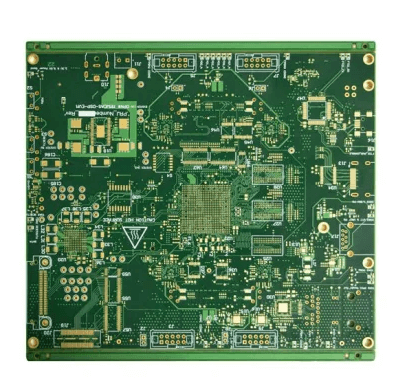
Reliability Testing and Quality Assurance for Transformer PCBs
Reliability testing and quality assurance are critical components in the manufacturing and deployment of printed circuit boards (PCBs) in transformers. These processes ensure that the PCBs, which are integral to the functionality and efficiency of transformers, meet stringent performance and safety standards. The importance of reliability testing cannot be overstated, as it directly impacts the longevity and operational stability of transformers in various applications, from industrial machinery to power distribution networks.
To begin with, reliability testing encompasses a series of rigorous evaluations designed to simulate the operational conditions that a PCB will encounter throughout its lifecycle.
These tests include thermal cycling, which subjects the PCB to extreme temperature variations to assess its ability to withstand thermal stress. Additionally, vibration testing is conducted to evaluate the PCB’s mechanical resilience under conditions of physical shock and continuous motion. By exposing the PCB to these stressors, manufacturers can identify potential points of failure and make necessary design adjustments to enhance durability.
Moreover, environmental testing plays a pivotal role in ensuring that PCBs can operate effectively in diverse and often harsh conditions.
This includes humidity testing, where the PCB is exposed to high levels of moisture to determine its resistance to corrosion and electrical leakage. Salt spray testing is another critical evaluation, particularly for transformers used in coastal or marine environments, as it assesses the PCB’s ability to resist salt-induced corrosion. These tests are essential for guaranteeing that the PCB maintains its integrity and performance, regardless of the external environment.
In addition to reliability testing, quality assurance processes are implemented to maintain high standards of production and consistency.
Quality assurance begins with the selection of materials, ensuring that only high-grade components are used in the manufacturing of PCBs. This is followed by meticulous inspection procedures at various stages of production, including automated optical inspection (AOI) and X-ray inspection. AOI uses advanced imaging technology to detect defects such as soldering errors, misalignments, and surface imperfections, while X-ray inspection provides a non-destructive means of examining the internal structure of the PCB for hidden flaws.
Furthermore, functional testing is conducted to verify that the PCB performs as intended under normal operating conditions.
This involves applying electrical signals to the PCB and measuring its response to ensure that it meets the specified performance criteria. Any deviations from the expected results are analyzed, and corrective actions are taken to address the underlying issues. This iterative process of testing and refinement is crucial for achieving a high level of reliability and performance.
The integration of reliability testing and quality assurance is essential for the successful deployment of PCBs in transformers.
By rigorously evaluating the PCBs under simulated operational conditions and ensuring adherence to quality standards, manufacturers can deliver products that are both reliable and efficient. This not only enhances the performance and longevity of transformers but also contributes to the overall safety and stability of the electrical systems in which they are used.
In conclusion, the meticulous processes of reliability testing and quality assurance are indispensable for the production of high-quality PCBs for transformers. These processes ensure that the PCBs can withstand the various stresses and environmental conditions they will encounter, thereby guaranteeing their performance and durability. As a result, transformers equipped with rigorously tested and quality-assured PCBs can operate reliably and efficiently, providing a stable and safe power supply across a wide range of applications.