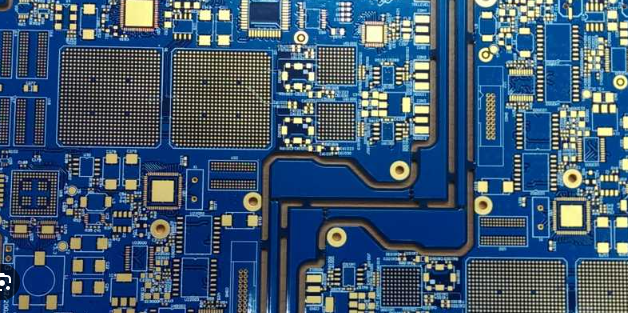
Pca board
Understanding The Basics Of PCA Boards
Principal Component Analysis (PCA) boards are integral components in the realm of data science and machine learning, serving as a pivotal tool for dimensionality reduction. Understanding the basics of PCA boards requires a grasp of both the theoretical underpinnings and practical applications of PCA itself. At its core, PCA is a statistical procedure that transforms a set of possibly correlated variables into a set of linearly uncorrelated variables called principal components. This transformation is achieved through an orthogonal transformation, which ensures that the principal components are orthogonal to each other, thereby eliminating redundancy and preserving the most critical information.
The primary objective of PCA is to reduce the dimensionality of a dataset while retaining as much variability as possible.
This is particularly useful in scenarios where datasets have a large number of variables, which can complicate analysis and visualization. By reducing the number of dimensions, PCA simplifies the dataset, making it easier to explore and interpret. This reduction is accomplished by identifying the directions, or principal components, along which the variance of the data is maximized. The first principal component accounts for the largest possible variance, followed by the second principal component, and so on.
PCA boards, in this context, refer to the hardware or software platforms that facilitate the implementation of PCA.
These boards are designed to handle the computational complexity associated with PCA, enabling efficient processing of large datasets. They often incorporate specialized algorithms and hardware accelerators to perform matrix operations, eigenvalue decomposition, and other mathematical computations required for PCA. By leveraging these boards, data scientists and machine learning practitioners can expedite the dimensionality reduction process, thereby enhancing the performance of their models.
In practical terms, PCA boards are employed in various applications, ranging from image processing and pattern recognition to financial modeling and bioinformatics.
For instance, in image processing, PCA can be used to compress images by reducing the number of pixels while preserving essential features. This not only reduces storage requirements but also speeds up subsequent image analysis tasks. Similarly, in financial modeling, PCA helps in identifying the underlying factors that drive market movements, thereby aiding in risk management and portfolio optimization.
Moreover, PCA boards are instrumental in improving the interpretability of machine learning models.
High-dimensional data can obscure the relationships between variables, making it challenging to draw meaningful conclusions. By reducing the number of dimensions, PCA clarifies these relationships, allowing for more straightforward interpretation and better decision-making. This is particularly valuable in fields such as healthcare, where understanding the interactions between various factors can lead to more accurate diagnoses and treatment plans.
Despite its advantages, it is important to recognize the limitations of PCA.
One significant drawback is that PCA assumes linear relationships between variables, which may not always be the case in real-world data. Additionally, PCA is sensitive to the scale of the data, necessitating careful preprocessing to ensure that variables are appropriately normalized. Furthermore, while PCA can reduce dimensionality, it may also result in the loss of some information, particularly if the discarded components contain non-negligible variance.
In conclusion, PCA boards play a crucial role in the efficient implementation of Principal Component Analysis, facilitating dimensionality reduction and enhancing the performance of data-driven models. By understanding the basics of PCA and the functionality of these boards, practitioners can harness their full potential, leading to more effective data analysis and improved outcomes across various domains.
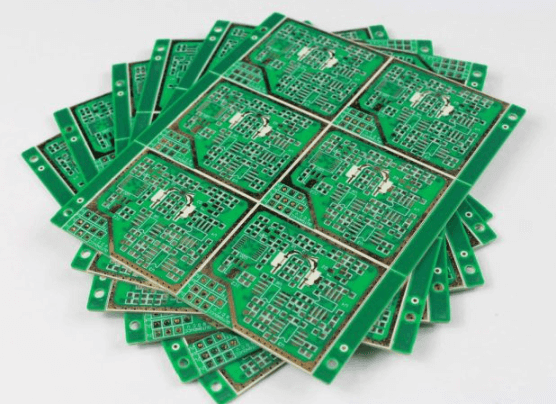
Top Applications Of PCA Boards In Modern Electronics
Principal Component Analysis (PCA) boards have become integral to the advancement of modern electronics, offering a multitude of applications that enhance both functionality and efficiency. As the demand for more sophisticated and compact electronic devices continues to grow, PCA boards play a crucial role in meeting these requirements. Their versatility and adaptability make them indispensable in various sectors, from consumer electronics to industrial automation.
One of the primary applications of PCA boards is in the realm of consumer electronics.
Smartphones, tablets, and laptops are prime examples where PCA boards are utilized to optimize performance while minimizing space. By integrating multiple components onto a single board, manufacturers can produce sleeker and more efficient devices. This not only improves the user experience but also reduces production costs and energy consumption. Consequently, PCA boards contribute significantly to the development of high-performance, portable electronic devices that are now ubiquitous in everyday life.
In addition to consumer electronics, PCA boards are extensively used in the automotive industry.
Modern vehicles are equipped with numerous electronic systems that enhance safety, comfort, and efficiency. PCA boards are employed in various applications, such as engine control units, infotainment systems, and advanced driver-assistance systems (ADAS). These boards enable the integration of complex functionalities into a compact form factor, ensuring that vehicles remain both reliable and efficient. As the automotive industry continues to evolve towards electric and autonomous vehicles, the importance of PCA boards is expected to grow even further.
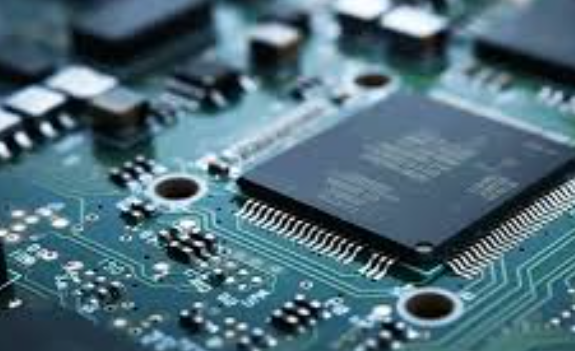
Moreover, PCA boards are pivotal in the field of industrial automation.
Factories and production lines rely heavily on sophisticated electronic systems to monitor and control various processes. PCA boards facilitate the integration of sensors, actuators, and control units into a cohesive system, enabling real-time data collection and analysis. This, in turn, allows for more precise control and optimization of manufacturing processes, leading to increased productivity and reduced operational costs. The ability to integrate multiple functions onto a single board also simplifies maintenance and reduces downtime, further enhancing the efficiency of industrial operations.
Another significant application of PCA boards is in the medical sector.
Medical devices, such as diagnostic equipment, monitoring systems, and wearable health devices, require high levels of precision and reliability. PCA boards enable the miniaturization of these devices while maintaining their functionality and accuracy. For instance, portable diagnostic tools and wearable health monitors benefit from the compact and efficient design of PCA boards, making them more accessible and user-friendly. This not only improves patient care but also facilitates the early detection and management of various health conditions.
Furthermore, PCA boards are essential in the development of telecommunications infrastructure.
As the demand for faster and more reliable communication networks increases, PCA boards are used to enhance the performance of network equipment. They enable the integration of multiple communication protocols and processing units onto a single board, ensuring seamless data transmission and reception. This is particularly important in the deployment of 5G networks, where high-speed data transfer and low latency are critical.
In conclusion, PCA boards have become a cornerstone of modern electronics, offering a wide range of applications that enhance the performance, efficiency, and reliability of various devices and systems. From consumer electronics and automotive systems to industrial automation, medical devices, and telecommunications infrastructure, PCA boards play a vital role in driving technological advancements. As the demand for more sophisticated and compact electronic solutions continues to rise, the significance of PCA boards is set to increase, paving the way for further innovations in the field of electronics.
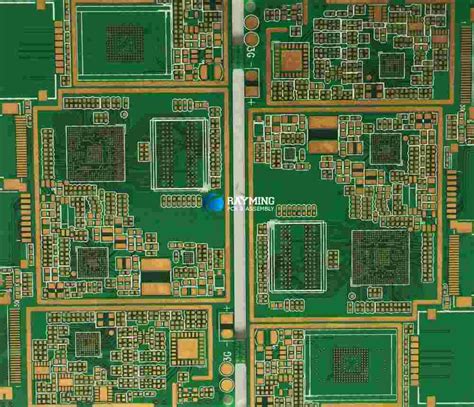
How To Choose The Right PCA Board For Your Project
Selecting the appropriate PCA (Printed Circuit Assembly) board for your project is a critical decision that can significantly impact the performance, reliability, and overall success of your electronic device. The process involves a thorough understanding of your project’s requirements, as well as the various types of PCA boards available in the market.
To begin with, it is essential to clearly define the specific needs of your project.
This includes identifying the electrical and mechanical specifications, such as the number of layers, the type of components to be mounted, and the operating environment. For instance, a high-frequency application may necessitate a multi-layer board with advanced materials to ensure signal integrity, while a simple consumer gadget might only require a single or double-layer board.
Once the project requirements are established, the next step is to consider the different types of PCA boards.
There are several categories, including rigid, flexible, and rigid-flex boards. Rigid boards are the most common and are typically used in applications where the board does not need to bend. Flexible boards, on the other hand, are designed to be bent or folded, making them ideal for compact devices or applications with limited space. Rigid-flex boards combine the benefits of both rigid and flexible boards, offering a versatile solution for complex designs. Understanding the advantages and limitations of each type will help you make an informed decision.
In addition to the type of board, the choice of materials is another crucial factor.
The substrate material, typically FR4 for standard applications, plays a significant role in the board’s performance. For high-frequency or high-temperature applications, materials such as polyimide or Rogers laminates may be more suitable. These materials offer better thermal stability and lower dielectric losses, which are essential for maintaining signal integrity in demanding environments. It is also important to consider the copper thickness, as it affects the board’s current-carrying capacity and thermal management.
Another key consideration is the manufacturing process and the capabilities of the PCA board supplier.
It is advisable to select a supplier with a proven track record and the ability to meet your specific requirements. This includes capabilities such as fine-pitch component placement, advanced soldering techniques, and thorough testing procedures. A reliable supplier will also provide comprehensive support throughout the design and manufacturing process, ensuring that any potential issues are addressed promptly.
Cost is inevitably a factor in the decision-making process.
While it may be tempting to opt for the cheapest option, it is important to weigh the cost against the quality and reliability of the board. Investing in a high-quality PCA board can save time and money in the long run by reducing the risk of failures and the need for rework. It is also worth considering the total cost of ownership, which includes factors such as lead times, minimum order quantities, and the availability of technical support.
Finally, it is essential to stay informed about the latest advancements in PCA board technology.
The field of electronics is constantly evolving, with new materials, manufacturing techniques, and design tools emerging regularly. Keeping abreast of these developments can help you make more informed decisions and leverage cutting-edge solutions for your project.
In conclusion, choosing the right PCA board for your project involves a careful evaluation of your specific requirements, an understanding of the different types of boards and materials, and a consideration of the manufacturing capabilities and cost. By taking a methodical approach and staying informed about industry advancements, you can ensure that your project is built on a solid foundation, leading to a successful and reliable end product.
Future Trends In PCA Board Technology
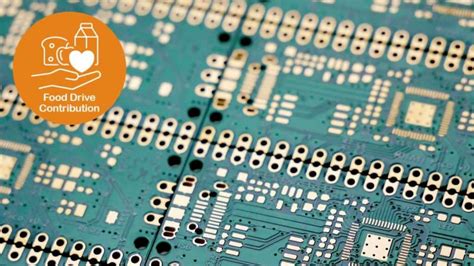
The evolution of PCA (Printed Circuit Assembly) board technology has been marked by significant advancements, and the future promises even more transformative changes. As we look ahead, several trends are poised to shape the landscape of PCA board technology, driven by the relentless pursuit of efficiency, miniaturization, and enhanced functionality.
One of the most prominent trends is the increasing integration of advanced materials.
Traditional materials like FR4 are gradually being supplemented or replaced by high-performance alternatives such as polyimide and ceramic substrates. These materials offer superior thermal stability and electrical performance, which are crucial for the ever-demanding applications in aerospace, automotive, and high-frequency communication systems. The shift towards these advanced materials is expected to continue, driven by the need for PCA boards that can withstand harsh environments and deliver reliable performance.
In tandem with material advancements, the miniaturization of components is another critical trend.
The demand for smaller, more powerful electronic devices has led to the development of components with reduced footprints. Surface-mount technology (SMT) has already revolutionized the industry by allowing components to be mounted directly onto the surface of PCA boards, thereby saving space and improving performance. Looking forward, we can anticipate further innovations in component miniaturization, including the adoption of nano-scale materials and 3D printing techniques. These advancements will enable the production of even more compact and efficient PCA boards, meeting the needs of next-generation electronic devices.
Moreover, the rise of the Internet of Things (IoT) is significantly influencing PCA board technology.
IoT devices require PCA boards that are not only compact but also capable of supporting wireless communication and low power consumption. To address these requirements, designers are increasingly incorporating advanced communication modules and energy-efficient components into PCA boards. Additionally, the use of flexible and stretchable substrates is gaining traction, allowing PCA boards to be integrated into wearable devices and other unconventional form factors. This trend is expected to accelerate as IoT continues to expand into various sectors, from healthcare to smart cities.
Another noteworthy trend is the growing emphasis on sustainability and environmental responsibility.
The electronics industry is under increasing pressure to reduce its environmental footprint, and PCA board technology is no exception. Manufacturers are exploring eco-friendly materials and processes, such as lead-free soldering and the use of biodegradable substrates. Furthermore, there is a push towards designing PCA boards with recyclability in mind, ensuring that components can be easily disassembled and repurposed at the end of their lifecycle. This focus on sustainability is likely to become more pronounced, driven by regulatory requirements and consumer demand for greener products.
In addition to these material and design trends, advancements in manufacturing techniques are set to revolutionize PCA board production.
Automation and artificial intelligence (AI) are playing an increasingly important role in the manufacturing process, enhancing precision and efficiency. Automated optical inspection (AOI) systems, for instance, are being used to detect defects in PCA boards with high accuracy, reducing the need for manual inspection and rework. AI-driven design tools are also enabling engineers to optimize PCA board layouts for performance and manufacturability, shortening development cycles and reducing costs. As these technologies continue to mature, they will further streamline the production of PCA boards, making them more accessible and affordable.
In conclusion, the future of PCA board technology is characterized by a convergence of material innovations, miniaturization, IoT integration, sustainability efforts, and advanced manufacturing techniques. These trends are collectively driving the development of more efficient, compact, and environmentally friendly PCA boards, poised to meet the evolving demands of various industries. As we move forward, it is clear that PCA board technology will continue to play a pivotal role in the advancement of electronic devices, shaping the way we interact with technology in our daily lives.