
High-speed pcb design guidelines
Importance Of Signal Integrity In High-Speed PCB Design
In the realm of high-speed PCB design, the importance of signal integrity cannot be overstated. As electronic devices continue to evolve, the demand for faster processing speeds and higher data rates has led to increasingly complex circuit designs. Ensuring signal integrity in these high-speed circuits is crucial for maintaining the performance and reliability of the final product. Signal integrity refers to the quality and fidelity of electrical signals as they travel through the PCB. Poor signal integrity can result in data corruption, timing errors, and overall system instability, which can be detrimental to the functionality of the device.
One of the primary factors affecting signal integrity in high-speed PCB design is the impedance of the transmission lines.
Impedance mismatches can cause signal reflections, which degrade the signal quality and lead to errors. To mitigate this, designers must carefully control the impedance of the traces by considering the trace width, spacing, and the dielectric properties of the PCB material. Additionally, maintaining consistent impedance throughout the signal path is essential to minimize reflections and ensure signal integrity.
Another critical aspect of signal integrity is the management of crosstalk, which occurs when signals on adjacent traces interfere with each other.
Crosstalk can be particularly problematic in high-speed designs where signals switch rapidly and have high-frequency components. To reduce crosstalk, designers can increase the spacing between traces, use differential signaling, and implement proper grounding techniques. Shielding sensitive traces with ground planes or guard traces can also help to minimize crosstalk and preserve signal integrity.
Power integrity is closely related to signal integrity and is equally important in high-speed PCB design.
Power integrity refers to the ability of the power distribution network to deliver clean and stable power to all components on the PCB. Voltage fluctuations and noise in the power supply can adversely affect signal integrity and lead to system malfunctions. To ensure power integrity, designers should use decoupling capacitors strategically placed near power pins, design low-impedance power and ground planes, and minimize the loop area of power delivery paths.
The layout of the PCB also plays a significant role in maintaining signal integrity.
High-speed signals should be routed with care to avoid unnecessary bends and vias, which can introduce impedance discontinuities and signal reflections. Additionally, the length of the traces should be matched for differential pairs to ensure that the signals arrive simultaneously at their destination. Proper layer stack-up design, with dedicated ground and power planes, can further enhance signal integrity by providing a stable reference and reducing electromagnetic interference.
Electromagnetic compatibility (EMC) is another consideration in high-speed PCB design that impacts signal integrity.
High-speed circuits can generate electromagnetic emissions that interfere with other electronic devices and degrade signal quality. To address EMC issues, designers can use techniques such as controlled impedance routing, proper grounding, and the use of ferrite beads and filters to suppress high-frequency noise.
In conclusion, the importance of signal integrity in high-speed PCB design cannot be ignored. By carefully managing impedance, crosstalk, power integrity, and layout considerations, designers can ensure that their high-speed circuits perform reliably and efficiently. As technology continues to advance, the need for meticulous attention to signal integrity will only become more critical, underscoring its significance in the design and development of modern electronic devices.
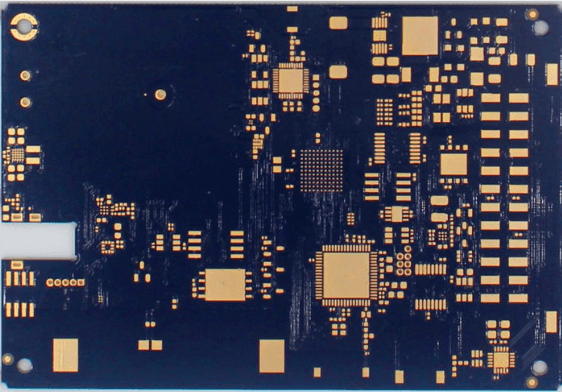
Techniques For Minimizing Crosstalk In High-Speed PCB Layouts
In the realm of high-speed PCB design, minimizing crosstalk is paramount to ensuring signal integrity and overall system performance. Crosstalk, the unwanted coupling of signals between adjacent traces, can lead to data corruption, timing errors, and electromagnetic interference. To mitigate these issues, designers must employ a variety of techniques that address the root causes of crosstalk and enhance the robustness of the PCB layout.
One fundamental approach to minimizing crosstalk is to maintain adequate spacing between signal traces.
By increasing the distance between adjacent traces, the capacitive and inductive coupling that causes crosstalk is significantly reduced. This spacing should be carefully calculated based on the operating frequency and the specific characteristics of the signals involved. Additionally, employing differential signaling can further reduce crosstalk, as differential pairs are designed to cancel out noise and interference.
Another critical technique involves the use of ground planes.
Ground planes act as a reference point for signals and provide a low-impedance path for return currents. By placing a continuous ground plane adjacent to signal layers, designers can create a controlled impedance environment that minimizes crosstalk. Furthermore, stitching vias can be used to connect ground planes across multiple layers, ensuring a consistent return path and further reducing the potential for crosstalk.
The routing of signal traces also plays a crucial role in crosstalk mitigation.
Designers should avoid running high-speed signal traces in parallel for extended distances, as this increases the likelihood of crosstalk. Instead, traces should be routed orthogonally on adjacent layers, which helps to minimize the coupling between them. Additionally, employing serpentine routing techniques can help to equalize the lengths of differential pairs, ensuring that signals arrive simultaneously and reducing the potential for crosstalk.
Shielding is another effective method for minimizing crosstalk in high-speed PCB layouts.
By placing grounded guard traces or vias between signal traces, designers can create a physical barrier that reduces the coupling of signals. This technique is particularly useful for sensitive analog signals or high-speed digital signals that are susceptible to interference. However, it is important to ensure that the guard traces are properly grounded to avoid creating additional sources of noise.
The use of controlled impedance traces is also essential in high-speed PCB design.
By carefully designing the width, spacing, and dielectric properties of traces, designers can achieve a consistent impedance that minimizes reflections and crosstalk. This requires precise calculations and simulations to ensure that the traces meet the desired impedance specifications. Additionally, impedance matching techniques, such as termination resistors, can be employed to further reduce reflections and crosstalk.
Finally, signal integrity analysis tools can be invaluable in identifying and mitigating crosstalk issues.
These tools allow designers to simulate the behavior of signals on the PCB and identify potential sources of crosstalk. By analyzing the results, designers can make informed decisions about trace routing, spacing, and other layout considerations. This proactive approach helps to ensure that crosstalk is minimized before the PCB is manufactured, reducing the need for costly revisions and rework.
In conclusion, minimizing crosstalk in high-speed PCB layouts requires a comprehensive approach that addresses spacing, grounding, routing, shielding, and impedance control. By employing these techniques and leveraging advanced signal integrity analysis tools, designers can create robust PCB layouts that maintain signal integrity and ensure reliable system performance. As high-speed designs continue to evolve, staying abreast of best practices and emerging technologies will be essential for minimizing crosstalk and achieving optimal results.
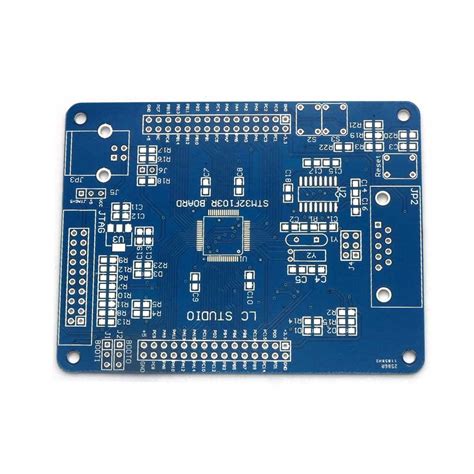
Effective Power Distribution Strategies For High-Speed PCBs
Effective power distribution is a critical aspect of high-speed PCB design, as it directly influences the performance, reliability, and electromagnetic compatibility of the final product. To achieve optimal power distribution, designers must consider several key strategies that ensure stable and efficient power delivery to all components on the board.
One fundamental approach is the implementation of a well-designed power distribution network (PDN).
A robust PDN minimizes voltage drops and noise, providing a stable power supply to high-speed circuits. This can be achieved by using low-impedance power and ground planes, which help to reduce the inductance and resistance in the power delivery path. Additionally, the use of multiple vias to connect power and ground planes can further decrease impedance, enhancing the overall performance of the PDN.
Another essential strategy is the careful placement and selection of decoupling capacitors.
Decoupling capacitors act as local energy reservoirs, supplying instantaneous current to high-speed components and filtering out noise. To maximize their effectiveness, capacitors should be placed as close as possible to the power pins of integrated circuits (ICs). Moreover, a combination of capacitors with different values can be used to cover a wide range of frequencies, ensuring comprehensive noise suppression. For instance, using a mix of 0.1 µF, 1 µF, and 10 µF capacitors can provide effective decoupling across various frequency bands.
In addition to decoupling capacitors, the use of power islands or power planes can significantly improve power distribution.
Power islands are dedicated areas on the PCB that are isolated from other circuits and connected to specific power rails. These islands help to confine high-frequency noise and reduce the risk of interference with other signals. Similarly, power planes provide a low-impedance path for current flow, enhancing the stability of the power supply. When designing power planes, it is crucial to ensure that they are continuous and free of splits or gaps, as discontinuities can lead to increased impedance and signal integrity issues.
Thermal management is another critical aspect of effective power distribution in high-speed PCBs.
High-speed components often generate significant amounts of heat, which can adversely affect their performance and longevity. To mitigate thermal issues, designers should incorporate thermal vias, heat sinks, and thermal pads into the PCB layout. These elements help to dissipate heat away from critical components, maintaining optimal operating temperatures and ensuring reliable performance.
Signal integrity is closely related to power distribution, as poor power delivery can lead to signal degradation and timing issues.
To maintain signal integrity, designers should minimize the length of power traces and avoid routing them near sensitive signal lines. Additionally, the use of differential pairs and controlled impedance traces can help to preserve signal quality and reduce the impact of power-related noise.
Finally, thorough simulation and analysis are indispensable for verifying the effectiveness
of power distribution strategies in high-speed PCB designs. Tools such as power integrity simulators and electromagnetic field solvers can provide valuable insights into the performance of the PDN, allowing designers to identify and address potential issues before fabrication. By leveraging these tools, designers can optimize their power distribution networks, ensuring that high-speed PCBs meet the stringent performance and reliability requirements of modern electronic systems.
In conclusion, effective power distribution is paramount for the success of high-speed PCB designs.
By implementing robust PDNs, strategically placing decoupling capacitors, utilizing power islands and planes, managing thermal issues, and maintaining signal integrity, designers can achieve stable and efficient power delivery. Furthermore, thorough simulation and analysis play a crucial role in validating these strategies, ultimately leading to high-performance and reliable electronic products.
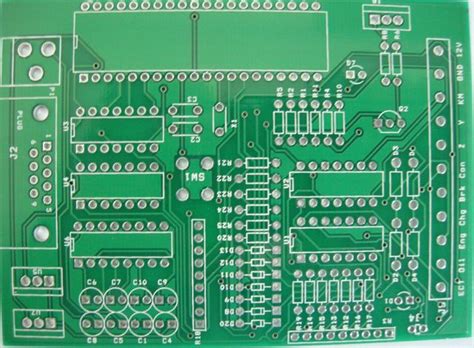
Best Practices For High-Speed PCB Trace Routing
When designing high-speed printed circuit boards (PCBs), meticulous attention to trace routing is paramount to ensure signal integrity and overall system performance. High-speed signals are susceptible to various forms of interference and signal degradation, making it essential to adhere to best practices in trace routing. One fundamental principle is to minimize the length of high-speed traces. Shorter traces reduce the potential for signal reflections and electromagnetic interference (EMI), which can significantly impact the performance of high-speed circuits. Additionally, maintaining consistent trace widths and spacing is crucial to avoid impedance mismatches that can lead to signal integrity issues.
Another critical aspect of high-speed PCB trace routing is the use of controlled impedance traces.
Controlled impedance ensures that the characteristic impedance of the trace matches the impedance of the source and load, thereby minimizing signal reflections. This can be achieved by carefully designing the trace geometry and selecting appropriate materials for the PCB substrate. Furthermore, differential pair routing is often employed for high-speed signals, such as those used in USB, HDMI, and Ethernet interfaces. Differential pairs consist of two traces that carry equal and opposite signals, which helps to cancel out common-mode noise and reduce EMI. It is essential to maintain a consistent spacing between the traces in a differential pair to ensure proper signal coupling and impedance matching.
In addition to controlled impedance and differential pair routing, proper grounding is vital for high-speed PCB designs.
A solid ground plane provides a low-impedance return path for high-speed signals, reducing the risk of ground bounce and signal degradation. It is advisable to place ground planes on adjacent layers to high-speed signal traces to create a controlled impedance environment and minimize crosstalk. Moreover, stitching vias can be used to connect ground planes on different layers, further enhancing signal integrity.
Crosstalk, the unwanted coupling of signals between adjacent traces, is another concern in high-speed PCB design.
To mitigate crosstalk, it is important to maintain adequate spacing between high-speed traces and to route them orthogonally on adjacent layers. Additionally, the use of guard traces, which are grounded traces placed between high-speed signals, can help to shield sensitive signals from interference. Careful layer stack-up design is also essential to minimize crosstalk and ensure signal integrity.
Signal integrity can also be affected by via stubs, which are unused portions of vias that extend beyond the signal layer.
Via stubs can cause signal reflections and degrade signal quality. To avoid this issue, it is recommended to use back-drilling or blind/buried vias to eliminate or minimize via stubs. Furthermore, the use of microvias can help to reduce the impact of vias on high-speed signals by minimizing the length of the via barrel.
Power integrity is another critical consideration in high-speed PCB design.
Ensuring a stable power supply is essential for the proper functioning of high-speed circuits. Decoupling capacitors should be strategically placed close to the power pins of high-speed components to filter out noise and provide a stable power supply. Additionally, power and ground planes should be designed to minimize impedance and provide a low-inductance path for high-speed signals.
In conclusion, high-speed PCB trace routing requires careful consideration of various factors to ensure signal integrity and optimal performance. By adhering to best practices such as minimizing trace lengths, using controlled impedance traces, employing differential pair routing, ensuring proper grounding, mitigating crosstalk, addressing via stubs, and maintaining power integrity, designers can create high-speed PCBs that meet the stringent demands of modern electronic systems.