
Flex pcb material thickness
Understanding Flex PCB Material Thickness: A Comprehensive Guide
Flex PCB material thickness is a critical aspect in the design and functionality of flexible printed circuit boards (PCBs). Understanding the nuances of this parameter is essential for engineers and designers who aim to optimize the performance and reliability of their electronic devices. The thickness of the material used in flex PCBs can significantly influence various factors, including flexibility, durability, and electrical performance.
To begin with, the material thickness in flex PCBs is typically measured in mils, where one mil equals one-thousandth of an inch.
The choice of thickness is largely dependent on the specific application and the mechanical requirements of the device. For instance, thinner materials, often ranging from 1 to 3 mils, are preferred in applications where high flexibility is paramount. These applications include wearable electronics, medical devices, and other compact gadgets that require the circuit to bend and twist without compromising functionality.
Conversely, thicker materials, which can range from 4 to 10 mils or more, are utilized in applications where mechanical strength and durability are more critical.
These might include automotive electronics, industrial machinery, and aerospace components, where the flex PCB must withstand harsh environmental conditions and mechanical stress. The increased thickness provides additional support and reduces the risk of damage due to repeated flexing or external forces.
Transitioning to the electrical performance aspect, the thickness of the flex PCB material also affects the impedance and signal integrity.
Thinner materials tend to have lower dielectric constants, which can be advantageous for high-frequency signal transmission. This is particularly important in applications such as high-speed data communication and RF circuits, where maintaining signal integrity is crucial. On the other hand, thicker materials may introduce higher dielectric losses, potentially degrading the performance of high-frequency signals.
Moreover, the choice of material thickness is intertwined with the manufacturing process and cost considerations.
Thinner materials can be more challenging to handle during fabrication, requiring specialized equipment and techniques to ensure precision and avoid defects. This can lead to increased production costs and longer lead times. However, advancements in manufacturing technologies have mitigated some of these challenges, enabling the production of high-quality flex PCBs with varying thicknesses.
In addition to the base material thickness, the overall thickness of a flex PCB is also influenced by other layers, such as adhesive, copper, and protective coatings. The adhesive layer, which bonds the copper foil to the substrate, typically adds a few mils to the total thickness. Similarly, the copper layer, which forms the conductive traces, can vary in thickness depending on the current-carrying requirements of the circuit. Protective coatings, such as solder mask or coverlay, further contribute to the overall thickness and provide additional protection against environmental factors.
In conclusion, understanding flex PCB material thickness is a multifaceted endeavor that requires careful consideration of mechanical, electrical, and manufacturing factors. The choice of thickness must align with the specific requirements of the application, balancing flexibility, durability, and performance. As technology continues to evolve, the ability to precisely control and optimize material thickness will remain a key factor in the advancement of flexible electronics. By comprehensively understanding these aspects, engineers and designers can make informed decisions that enhance the functionality and reliability of their products.
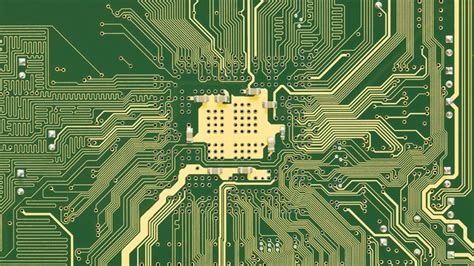
How Flex PCB Material Thickness Impacts Performance and Durability
The thickness of flex PCB material plays a crucial role in determining both the performance and durability of the final product. Flex PCBs, or flexible printed circuit boards, are designed to bend and flex, making them ideal for applications where space constraints and mechanical flexibility are paramount. However, the material thickness of these PCBs can significantly influence their electrical performance, mechanical strength, and overall reliability.
To begin with, the electrical performance of a flex PCB is directly affected by its material thickness.
Thinner materials generally offer lower impedance, which can be beneficial for high-frequency signal transmission. This is particularly important in applications such as telecommunications and high-speed data transfer, where signal integrity is paramount. Conversely, thicker materials may introduce higher impedance, potentially leading to signal loss or degradation. Therefore, selecting the appropriate material thickness is essential to ensure optimal electrical performance.
In addition to electrical considerations, the mechanical properties of a flex PCB are also influenced by its material thickness.
Thinner flex PCBs are more pliable and can bend more easily, which is advantageous in applications requiring tight bends or dynamic flexing. For instance, in wearable electronics or medical devices, where the PCB must conform to irregular shapes or move with the user, a thinner material can provide the necessary flexibility without compromising functionality. However, it is important to note that while thinner materials offer greater flexibility, they may also be more susceptible to mechanical damage, such as tearing or cracking, especially in environments subject to repeated bending or mechanical stress.
On the other hand, thicker flex PCBs provide enhanced mechanical strength and durability.
They are less likely to suffer from mechanical failures and can withstand more substantial physical forces. This makes them suitable for applications where the PCB will be subjected to harsh conditions or where mechanical robustness is a priority. For example, in automotive or industrial applications, where the PCB may be exposed to vibrations, shocks, or extreme temperatures, a thicker material can offer the necessary durability to ensure long-term reliability.
Furthermore, the choice of material thickness can also impact the manufacturing process and cost of flex PCBs.
Thinner materials may be more challenging to handle during fabrication and assembly, requiring specialized equipment and techniques. This can increase production complexity and cost. Conversely, thicker materials are generally easier to work with but may result in a bulkier final product, which could be a disadvantage in space-constrained applications. Therefore, manufacturers must carefully balance the trade-offs between material thickness, performance requirements, and production considerations to achieve the desired outcome.
In conclusion, the thickness of flex PCB material is a critical factor that influences both the performance and durability of the final product.
Thinner materials offer advantages in terms of electrical performance and flexibility but may be more prone to mechanical damage. Thicker materials provide greater mechanical strength and durability but may introduce higher impedance and increase production complexity. By carefully considering the specific requirements of the application and the trade-offs associated with different material thicknesses, designers and manufacturers can optimize the performance and reliability of flex PCBs to meet the demands of various industries.
Choosing the Right Flex PCB Material Thickness for Your Application
When selecting the appropriate flex PCB material thickness for your application, it is crucial to consider several factors that can significantly impact the performance, reliability, and manufacturability of the final product. Flex PCBs, or flexible printed circuit boards, offer numerous advantages over traditional rigid PCBs, including enhanced flexibility, reduced weight, and the ability to fit into compact spaces. However, the material thickness of a flex PCB plays a pivotal role in determining its suitability for specific applications.
To begin with, the mechanical properties of the flex PCB are directly influenced by its material thickness.
Thinner materials provide greater flexibility, which is essential for applications requiring frequent bending or dynamic movement. For instance, in wearable electronics or medical devices, where the circuit must conform to the contours of the human body, a thinner flex PCB material is often preferred. Conversely, thicker materials offer increased rigidity and durability, making them suitable for applications where the circuit will be subjected to minimal bending or static conditions.
Moreover, the electrical performance of the flex PCB is also affected by its material thickness.
Thinner materials can lead to higher resistance and potential signal integrity issues, especially in high-frequency applications. Therefore, it is important to balance the need for flexibility with the electrical requirements of the circuit. In high-speed data transmission or RF applications, a slightly thicker material may be necessary to ensure optimal signal performance and minimize losses.
In addition to mechanical and electrical considerations, the thermal management of the flex PCB must be taken into account.
Thicker materials generally have better heat dissipation properties, which can be beneficial in applications with high power consumption or where heat generation is a concern. Effective thermal management is essential to prevent overheating and ensure the longevity of the electronic components. Therefore, understanding the thermal requirements of your application is vital when choosing the appropriate material thickness.
Furthermore, the manufacturability of the flex PCB is influenced by its material thickness.
Thinner materials can be more challenging to handle during the fabrication process, potentially leading to issues such as tearing or misalignment. On the other hand, thicker materials may require more complex manufacturing techniques and can increase production costs. It is essential to work closely with your PCB manufacturer to determine the optimal material thickness that balances ease of fabrication with the desired performance characteristics.
Additionally, the environmental conditions in which the flex PCB will operate should be considered.
Factors such as temperature fluctuations, humidity, and exposure to chemicals can affect the performance and longevity of the flex PCB. Thicker materials may offer better protection against environmental stressors, ensuring the reliability of the circuit in harsh conditions. Therefore, evaluating the environmental requirements of your application is crucial in selecting the appropriate material thickness.
In conclusion, choosing the right flex PCB material thickness for your application involves a careful assessment of various factors, including mechanical flexibility, electrical performance, thermal management, manufacturability, and environmental conditions. By understanding the specific requirements of your application and working closely with your PCB manufacturer, you can select the optimal material thickness that ensures the performance, reliability, and cost-effectiveness of your flex PCB. This comprehensive approach will ultimately lead to the successful implementation of your electronic design, meeting both functional and operational demands.

Innovations in Flex PCB Material Thickness: Trends and Future Directions
Flex PCB material thickness has become a focal point in the electronics industry, driven by the increasing demand for miniaturization and enhanced performance in electronic devices. As technology advances, the need for flexible printed circuit boards (PCBs) that can accommodate complex designs while maintaining reliability and durability has grown significantly. This has led to innovations in the materials and processes used to manufacture flex PCBs, with a particular emphasis on optimizing material thickness.
One of the primary trends in flex PCB material thickness is the move towards thinner substrates.
Thinner materials offer several advantages, including reduced weight, improved flexibility, and the ability to fit into smaller spaces. These benefits are particularly important in applications such as wearable technology, medical devices, and advanced consumer electronics, where space constraints and the need for lightweight components are critical considerations. By utilizing thinner substrates, manufacturers can create more compact and efficient designs, ultimately enhancing the overall performance of the final product.
In addition to the trend towards thinner materials, there is also a growing interest in the use of advanced materials that offer superior mechanical and electrical properties.
For example, polyimide films are commonly used in flex PCBs due to their excellent thermal stability, chemical resistance, and mechanical strength. Recent developments in polyimide technology have led to the creation of ultra-thin films that maintain these desirable properties while offering even greater flexibility and reduced thickness. This allows for the production of flex PCBs that can withstand the rigors of demanding applications without compromising on performance.
Another important aspect of flex PCB material thickness is the need for precise control during the manufacturing process.
As the industry moves towards thinner materials, maintaining consistent thickness across the entire substrate becomes increasingly challenging. Advanced manufacturing techniques, such as laser direct imaging and precision etching, have been developed to address this issue. These techniques enable manufacturers to achieve the high level of accuracy required for modern flex PCBs, ensuring that the final product meets the stringent specifications demanded by today’s electronic devices.
Looking towards the future, it is clear that the trend towards thinner and more advanced flex PCB materials will continue to drive innovation in the industry.
As new materials and manufacturing processes are developed, the potential for even greater miniaturization and performance improvements will become a reality. For instance, the integration of nanomaterials and advanced composites into flex PCB substrates holds promise for further reducing material thickness while enhancing electrical and mechanical properties. This could lead to the development of next-generation electronic devices that are smaller, lighter, and more powerful than ever before.

Moreover, the increasing adoption of flexible hybrid electronics (FHE) is expected to further influence the evolution of flex PCB material thickness
. FHE combines traditional rigid and flexible components into a single, integrated system, offering the best of both worlds in terms of performance and flexibility. As this technology matures, the demand for ultra-thin, high-performance flex PCBs will likely grow, driving further advancements in material science and manufacturing techniques.
In conclusion, the innovations in flex PCB material thickness are shaping the future of the electronics industry. The move towards thinner substrates, the development of advanced materials, and the implementation of precise manufacturing techniques are all contributing to the creation of more compact, efficient, and reliable electronic devices. As technology continues to evolve, the ongoing focus on optimizing flex PCB material thickness will undoubtedly play a crucial role in meeting the ever-increasing demands of modern electronic applications.