
Cheap flexible pcb
Understanding The Basics Of Cheap Flexible PCBs: A Beginner’s Guide
Flexible printed circuit boards (PCBs) have become an integral component in modern electronics, offering a versatile and cost-effective solution for a wide range of applications. As technology continues to advance, the demand for cheap flexible PCBs has surged, making it essential for beginners to understand their basic characteristics and benefits. These PCBs are distinguished by their ability to bend and flex, which allows them to fit into compact and irregularly shaped spaces, a feature that is particularly advantageous in the design of wearable devices, medical equipment, and consumer electronics.
To begin with, flexible PCBs are constructed using a flexible substrate, typically made from polyimide or polyester materials.
These substrates provide the necessary flexibility while maintaining the electrical integrity required for circuit functionality. The use of such materials not only contributes to the flexibility of the PCB but also enhances its durability and resistance to environmental factors such as heat and moisture. Consequently, flexible PCBs are well-suited for applications that demand reliability under dynamic conditions.
Moreover, the manufacturing process of flexible PCBs involves several steps that are similar to those used in the production of rigid PCBs
albeit with some modifications to accommodate the flexible nature of the substrate. The process begins with the design and layout of the circuit, followed by the etching of copper traces onto the flexible substrate. Subsequently, protective layers are applied to shield the circuit from external damage. This meticulous process ensures that the final product is both functional and robust, capable of withstanding the mechanical stresses associated with bending and flexing.
In addition to their physical attributes, flexible PCBs offer several advantages over their rigid counterparts.
One of the most significant benefits is their ability to reduce the overall weight and size of electronic devices. By eliminating the need for connectors and cables, flexible PCBs streamline the design, resulting in lighter and more compact products. This is particularly beneficial in industries where space and weight are critical considerations, such as aerospace and automotive sectors.
Furthermore, the cost-effectiveness of flexible PCBs cannot be overlooked.
While the initial design and setup costs may be higher compared to rigid PCBs, the long-term savings are substantial. The reduction in material usage, coupled with the decreased need for additional components, translates to lower production costs. Additionally, the enhanced reliability and reduced risk of failure associated with flexible PCBs contribute to cost savings by minimizing the need for repairs and replacements.
Despite these advantages, it is important to acknowledge the challenges associated with the use of flexible PCBs.
The design process can be more complex, requiring careful consideration of factors such as bend radius and stress points to prevent damage during operation. Moreover, the handling and assembly of flexible PCBs demand specialized equipment and expertise, which may pose a barrier for some manufacturers.
In conclusion, cheap flexible PCBs represent a significant advancement in the field of electronics, offering a combination of flexibility, durability, and cost-effectiveness that is unmatched by traditional rigid PCBs. As technology continues to evolve, the demand for these innovative components is expected to grow, making it imperative for beginners to familiarize themselves with their basic principles and applications. By understanding the fundamentals of flexible PCBs, individuals can better appreciate their potential and contribute to the development of cutting-edge electronic solutions.
Top Benefits Of Using Cheap Flexible PCBs In Modern Electronics
In the rapidly evolving landscape of modern electronics, the demand for innovative and cost-effective solutions is ever-increasing. Among the myriad of technological advancements, flexible printed circuit boards (PCBs) have emerged as a pivotal component, offering a multitude of benefits that cater to the dynamic needs of contemporary electronic devices. Notably, the advent of cheap flexible PCBs has further revolutionized the industry, making these advantages accessible to a broader range of applications and manufacturers.
To begin with, one of the most significant benefits of using cheap flexible PCBs is their inherent versatility.
Unlike traditional rigid PCBs, flexible PCBs can be bent, folded, and twisted to fit into compact and irregularly shaped spaces. This adaptability is particularly advantageous in the design of modern electronics, where miniaturization and space optimization are paramount. For instance, in wearable technology, flexible PCBs allow for seamless integration into clothing and accessories, enhancing both functionality and user comfort. Similarly, in the automotive industry, these PCBs facilitate the incorporation of electronic components into the limited spaces of vehicle interiors, thereby supporting the development of advanced infotainment and safety systems.
Moreover, the cost-effectiveness of cheap flexible PCBs cannot be overstated.
By reducing material usage and simplifying assembly processes, these PCBs offer a more economical alternative to their rigid counterparts. This affordability is crucial for startups and small-scale manufacturers who seek to innovate without incurring prohibitive costs. Additionally, the reduced weight and material requirements contribute to lower shipping and handling expenses, further enhancing their appeal from a financial perspective. As a result, companies can allocate resources more efficiently, investing in research and development or expanding their product lines.
In addition to their versatility and cost-effectiveness, cheap flexible PCBs also provide enhanced reliability and durability.
The flexibility of these PCBs allows them to absorb mechanical stress and vibrations, which are common in portable and mobile devices. This resilience reduces the likelihood of circuit failure, thereby extending the lifespan of electronic products. Furthermore, flexible PCBs are often manufactured using high-quality materials that are resistant to environmental factors such as moisture and temperature fluctuations. This robustness ensures consistent performance even in challenging conditions, making them ideal for applications in aerospace, medical devices, and industrial equipment.
Transitioning to another key advantage, the use of cheap flexible PCBs also supports the trend towards environmentally sustainable manufacturing practices.
The efficient use of materials and energy in their production process aligns with the growing emphasis on reducing the environmental footprint of electronic devices. Additionally, the lightweight nature of flexible PCBs contributes to the development of energy-efficient products, as less energy is required for transportation and operation. This alignment with sustainability goals not only benefits the environment but also enhances the reputation of companies committed to eco-friendly practices.
In conclusion, the integration of cheap flexible PCBs into modern electronics offers a host of benefits that address the pressing demands of today’s technological landscape. Their versatility, cost-effectiveness, reliability, and environmental compatibility make them an indispensable component in the design and manufacture of cutting-edge electronic devices. As the industry continues to evolve, the role of flexible PCBs is likely to expand, driving further innovation and enabling the creation of products that are not only advanced but also accessible and sustainable.
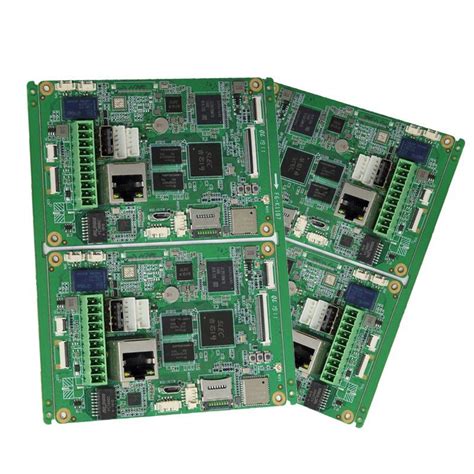
How To Source High-Quality Yet Cheap Flexible PCBs For Your Projects
Sourcing high-quality yet affordable flexible printed circuit boards (PCBs) for your projects can be a challenging endeavor, especially given the myriad of options available in the market. However, with a strategic approach, it is possible to find suppliers that offer both quality and cost-effectiveness. The first step in this process is understanding the specific requirements of your project. By clearly defining the technical specifications, such as the number of layers, material type, and size, you can narrow down potential suppliers who specialize in producing flexible PCBs that meet these criteria.
Once you have a clear understanding of your project needs, the next step is to conduct thorough research on potential suppliers.
This involves looking into their reputation, production capabilities, and customer reviews. Online platforms and forums dedicated to electronics and PCB manufacturing can be invaluable resources for gathering insights and recommendations. Additionally, reaching out to industry peers for their experiences and suggestions can provide a more personal perspective on which suppliers consistently deliver quality products.
After identifying a shortlist of potential suppliers, it is crucial to evaluate their manufacturing processes and quality control measures.
Requesting samples is a practical way to assess the quality of their flexible PCBs firsthand. Pay close attention to the precision of the etching, the durability of the materials, and the overall finish of the samples. Furthermore, inquire about the supplier’s quality assurance certifications, such as ISO 9001, which can serve as an indicator of their commitment to maintaining high standards.
Price negotiation is another critical aspect of sourcing cheap flexible PCBs.
While it is important to keep costs low, it should not come at the expense of quality. Engaging in open discussions with suppliers about pricing can often lead to mutually beneficial agreements. Some suppliers may offer discounts for bulk orders or long-term partnerships, which can significantly reduce costs. Additionally, exploring options for local suppliers can sometimes result in lower shipping costs and faster delivery times, further enhancing cost-effectiveness.
In parallel with these efforts, it is advisable to stay informed about the latest advancements in PCB technology and materials.
Innovations in this field can lead to more efficient manufacturing processes and cost reductions, which can be advantageous when negotiating with suppliers. By demonstrating an understanding of current trends and technologies, you can position yourself as a knowledgeable customer, potentially gaining leverage in discussions with suppliers.
Moreover, it is essential to consider the total cost of ownership when sourcing flexible PCBs.
This includes not only the initial purchase price but also factors such as shipping fees, import duties, and potential costs associated with defects or returns. A comprehensive evaluation of these elements can provide a clearer picture of the overall investment required and help avoid unexpected expenses.
In conclusion, sourcing high-quality yet cheap flexible PCBs requires a methodical approach that balances technical requirements, supplier evaluation, and cost considerations. By conducting thorough research, assessing supplier capabilities, and engaging in strategic negotiations, you can secure flexible PCBs that meet your project’s needs without compromising on quality. Staying informed about industry trends and considering the total cost of ownership further enhances your ability to make informed decisions, ultimately leading to successful project outcomes.

Innovative Applications Of Cheap Flexible PCBs In Various Industries
In recent years, the advent of cheap flexible printed circuit boards (PCBs) has revolutionized various industries by offering a versatile and cost-effective solution for electronic applications. These innovative components have opened up new possibilities for design and functionality, allowing industries to explore creative applications that were previously constrained by the limitations of traditional rigid PCBs. As we delve into the myriad of applications, it becomes evident that the impact of cheap flexible PCBs is both profound and far-reaching.
To begin with, the consumer electronics industry has been one of the primary beneficiaries of flexible PCBs.
The demand for compact and lightweight devices has driven manufacturers to adopt these components, which can be bent and shaped to fit into small and irregular spaces. This flexibility has enabled the production of sleeker smartphones, tablets, and wearable devices, enhancing user experience without compromising on performance. Moreover, the reduced cost of flexible PCBs has made it feasible for manufacturers to experiment with innovative designs, further pushing the boundaries of what is possible in consumer electronics.
Transitioning to the automotive industry, flexible PCBs have found significant applications in modern vehicles, where the integration of electronic systems is becoming increasingly complex.
These components are used in a variety of applications, from infotainment systems to advanced driver-assistance systems (ADAS). The ability to conform to the contours of a vehicle’s interior allows for more efficient use of space, while the cost-effectiveness of flexible PCBs helps keep production costs in check. Additionally, their durability and reliability under harsh conditions make them ideal for automotive applications, where safety and performance are paramount.
In the realm of healthcare, flexible PCBs are playing a crucial role in the development of medical devices that are both innovative and accessible.
Wearable health monitors, for instance, benefit from the lightweight and adaptable nature of these components, allowing for continuous monitoring of vital signs without causing discomfort to the patient. Furthermore, the affordability of flexible PCBs has made it possible to produce disposable medical devices, which are essential in maintaining hygiene and preventing cross-contamination in clinical settings. This has significant implications for patient care, particularly in resource-constrained environments where cost is a critical factor.
The aerospace industry, too, has embraced the advantages of flexible PCBs, particularly in the design and manufacture of satellites and unmanned aerial vehicles (UAVs).
The weight savings offered by these components are crucial in applications where every gram counts, and their ability to withstand extreme conditions ensures reliability in demanding environments. As the industry continues to push the envelope in terms of exploration and innovation, flexible PCBs will undoubtedly play a pivotal role in enabling new technologies and capabilities.
Finally, the Internet of Things (IoT) is another area where flexible PCBs are making a significant impact.
The proliferation of connected devices requires components that are not only cost-effective but also capable of being integrated into a wide range of form factors. Flexible PCBs meet these requirements, facilitating the development of smart home devices, industrial sensors, and more. As IoT continues to expand, the demand for these versatile components is expected to grow, driving further innovation and adoption across various sectors.
In conclusion, the introduction of cheap flexible PCBs has catalyzed a wave of innovation across multiple industries. Their unique properties and cost advantages have enabled the development of new applications and technologies, transforming the way we interact with electronic devices. As industries continue to explore the potential of these components, it is clear that flexible PCBs will remain a cornerstone of technological advancement for years to come.