
Polyimide flex pcb material
Advantages Of Polyimide Flex PCB Material In Modern Electronics
Polyimide flex PCB material has emerged as a cornerstone in the development of modern electronics, offering a multitude of advantages that cater to the ever-evolving demands of the industry. As electronic devices become increasingly compact and complex, the need for materials that can support intricate designs while maintaining reliability and performance is paramount. Polyimide, a high-performance polymer, has proven to be an ideal choice for flexible printed circuit boards (PCBs) due to its unique properties and versatility.
One of the primary advantages of polyimide flex PCB material is its exceptional thermal stability.
Polyimide can withstand high temperatures, making it suitable for applications that involve significant heat generation. This characteristic is particularly beneficial in industries such as aerospace and automotive, where electronic components are often exposed to extreme conditions. The ability to maintain structural integrity and performance under such circumstances ensures the longevity and reliability of the devices in which these PCBs are used.
In addition to thermal stability, polyimide flex PCBs offer excellent mechanical flexibility.
This flexibility allows for the design of circuits that can bend and twist without compromising functionality, which is crucial in the development of wearable technology and other compact devices. The adaptability of polyimide flex PCBs enables engineers to create innovative designs that can fit into unconventional spaces, thereby expanding the possibilities for electronic device configurations.
Moreover, polyimide flex PCBs are known for their lightweight nature, which is a significant advantage in the production of portable electronics.
As consumer demand for lighter and more efficient devices continues to grow, the use of polyimide flex PCBs helps manufacturers meet these expectations without sacrificing performance. The reduction in weight also contributes to energy efficiency, as lighter devices typically require less power to operate, thus extending battery life and enhancing user experience.
Another notable benefit of polyimide flex PCB material is its excellent chemical resistance.
This property ensures that the circuits remain unaffected by exposure to various chemicals, which is essential in environments where such exposure is inevitable. Consequently, polyimide flex PCBs are well-suited for use in medical devices and industrial applications, where reliability and durability are critical.
Furthermore, the use of polyimide flex PCBs can lead to cost savings in the manufacturing process.
The material’s inherent properties allow for the reduction of connectors and interconnects, simplifying assembly and reducing the potential for errors. This streamlining of the production process not only lowers manufacturing costs but also enhances the overall quality and reliability of the final product.
In conclusion, the advantages of polyimide flex PCB material in modern electronics are manifold. Its thermal stability, mechanical flexibility, lightweight nature, chemical resistance, and potential for cost savings make it an indispensable component in the design and manufacture of cutting-edge electronic devices. As technology continues to advance, the role of polyimide flex PCBs in enabling innovation and meeting the demands of various industries will undoubtedly remain significant. The ongoing development and refinement of this material will likely lead to even more applications and benefits, further solidifying its position as a key player in the future of electronics.
Comparing Polyimide Flex PCB Material To Other Substrates
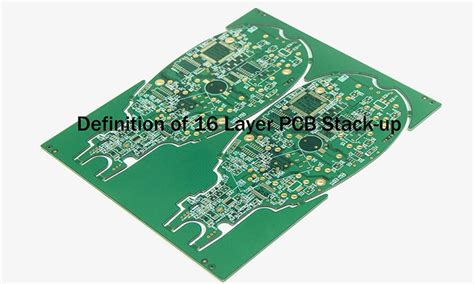
Polyimide flex PCB material has become a cornerstone in the development of flexible printed circuit boards, offering a unique combination of properties that make it highly desirable for a wide range of applications. When comparing polyimide to other substrates, it is essential to consider the specific attributes that set it apart and contribute to its widespread adoption in the electronics industry.
To begin with, polyimide is renowned for its exceptional thermal stability.
This characteristic is particularly advantageous in environments where high temperatures are prevalent, as polyimide can withstand temperatures up to 260°C without significant degradation. In contrast, other substrates such as polyester may begin to lose their structural integrity at much lower temperatures, making them less suitable for high-temperature applications. This thermal resilience ensures that polyimide flex PCBs maintain their performance and reliability even under demanding conditions.
Moreover, polyimide exhibits excellent mechanical properties, including high tensile strength and flexibility.
These attributes are crucial for applications that require the circuit to bend or flex without breaking, such as in wearable technology or foldable devices. While other materials like PET (polyethylene terephthalate) also offer some degree of flexibility, they often fall short in terms of durability and long-term performance when compared to polyimide. The ability of polyimide to endure repeated flexing without failure makes it a preferred choice for dynamic applications.
In addition to its mechanical and thermal advantages, polyimide also boasts superior chemical resistance.
This property is vital in environments where exposure to harsh chemicals or solvents is a concern. Polyimide’s resistance to chemical degradation ensures that the integrity of the circuit is maintained, reducing the risk of failure due to environmental factors. Other substrates may not offer the same level of chemical resistance, potentially leading to compromised performance over time.
Furthermore, polyimide’s electrical properties are noteworthy.
It provides excellent dielectric strength and low dielectric constant, which are essential for maintaining signal integrity in high-frequency applications. These electrical characteristics make polyimide an ideal substrate for advanced electronic devices that require precise and reliable signal transmission. While other materials may offer competitive electrical properties, the combination of polyimide’s thermal, mechanical, and chemical attributes often gives it an edge in demanding applications.
Despite these advantages, it is important to acknowledge that polyimide flex PCB material may come at a higher cost compared to other substrates.
This cost factor can be a consideration for projects with budget constraints. However, the long-term benefits of using polyimide, such as enhanced reliability and performance, often justify the initial investment. In applications where failure is not an option, the cost-effectiveness of polyimide becomes apparent when considering the potential costs associated with downtime or repairs.
In conclusion, while there are various substrates available for flexible printed circuit boards, polyimide stands out due to its exceptional thermal stability, mechanical strength, chemical resistance, and electrical properties. These attributes make it a versatile and reliable choice for a wide range of applications, from consumer electronics to industrial and aerospace sectors. Although the initial cost may be higher, the long-term benefits and performance of polyimide flex PCB material often outweigh the alternatives, making it a preferred choice for engineers and designers seeking durability and reliability in their electronic designs.
Innovations In Polyimide Flex PCB Material For Wearable Technology
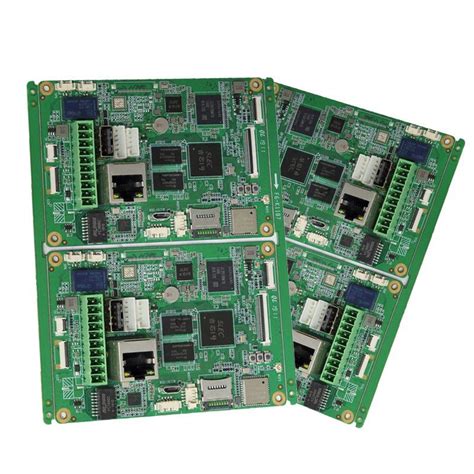
Polyimide flex PCB material has emerged as a cornerstone in the development of wearable technology, offering a unique combination of flexibility, durability, and thermal stability. As the demand for wearable devices continues to grow, driven by advancements in health monitoring, fitness tracking, and smart textiles, the need for innovative materials that can meet the rigorous demands of these applications becomes increasingly critical. Polyimide, a high-performance polymer known for its exceptional mechanical and thermal properties, has become the material of choice for flexible printed circuit boards (PCBs) in wearable technology.
One of the primary reasons polyimide is favored in this domain is its ability to maintain structural integrity under extreme conditions.
Wearable devices are often subjected to constant bending, twisting, and stretching, necessitating a material that can withstand such mechanical stress without compromising performance. Polyimide flex PCBs excel in this regard, offering a high degree of flexibility that allows them to conform to various shapes and surfaces, making them ideal for integration into clothing, accessories, and other wearable items.
Moreover, the thermal stability of polyimide is another significant advantage.
Wearable devices generate heat during operation, and it is crucial for the materials used to dissipate this heat effectively to prevent damage and ensure user safety. Polyimide’s ability to withstand high temperatures without degrading makes it an excellent choice for applications where thermal management is a concern. This property not only enhances the reliability of the devices but also extends their lifespan, providing a more sustainable solution in the rapidly evolving field of wearable technology.
In addition to its mechanical and thermal properties, polyimide flex PCB material offers excellent chemical resistance, which is essential for wearables that may be exposed to sweat, moisture, and other environmental factors. This resistance ensures that the electronic components remain protected, maintaining the functionality and performance of the device over time. Furthermore, polyimide’s lightweight nature contributes to the overall comfort and wearability of the devices, a critical factor in consumer acceptance and satisfaction.
Recent innovations in polyimide flex PCB material have focused on enhancing its electrical performance and integration capabilities.
Advances in material science have led to the development of polyimide composites with improved conductivity, enabling more efficient power distribution and signal transmission within wearable devices. These enhancements are crucial for supporting the increasing complexity and functionality of modern wearables, which often incorporate multiple sensors, processors, and communication modules.
Additionally, the miniaturization of electronic components has driven the need for thinner and more compact polyimide flex PCBs.
Manufacturers are now able to produce ultra-thin polyimide films that maintain their robust properties while allowing for greater design flexibility and integration into smaller form factors. This development is particularly important as the trend towards more discreet and unobtrusive wearable devices continues to gain momentum.
In conclusion, the innovations in polyimide flex PCB material are playing a pivotal role in advancing wearable technology. By providing a reliable, flexible, and durable platform for electronic integration, polyimide is enabling the creation of next-generation wearables that are not only more functional but also more comfortable and user-friendly. As research and development in this field continue, we can expect further enhancements in material properties and performance, paving the way for even more sophisticated and versatile wearable devices in the future.
Environmental Impact And Sustainability Of Polyimide Flex PCB Material
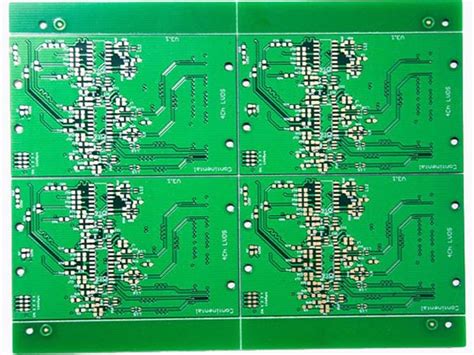
Polyimide flex PCB material has become a cornerstone in the electronics industry, particularly due to its unique properties that allow for flexibility, durability, and high thermal stability. However, as the demand for electronic devices continues to surge, the environmental impact and sustainability of these materials have come under scrutiny. Understanding the ecological footprint of polyimide flex PCBs is crucial for developing strategies that mitigate their environmental impact while maintaining their technological benefits.
To begin with, polyimide is a polymer known for its exceptional thermal and chemical resistance, making it an ideal substrate for flexible printed circuit boards (PCBs).
These characteristics enable the production of lightweight, compact, and highly reliable electronic devices. However, the production process of polyimide involves the use of various chemicals and solvents, which can pose environmental challenges. The synthesis of polyimide typically requires high temperatures and energy-intensive processes, contributing to greenhouse gas emissions. Moreover, the solvents used in the production process can lead to volatile organic compound (VOC) emissions, which are harmful to both human health and the environment.
In addition to the production phase, the disposal of polyimide flex PCBs presents another environmental concern.
Electronic waste, or e-waste, is a growing problem worldwide, with millions of tons generated each year. Polyimide flex PCBs, like other electronic components, contribute to this waste stream. The non-biodegradable nature of polyimide means that these materials can persist in the environment for extended periods, potentially leading to soil and water contamination. Furthermore, the presence of heavy metals and other hazardous substances in electronic waste can exacerbate these environmental issues.
Despite these challenges, there are ongoing efforts to enhance the sustainability of polyimide flex PCBs.
One approach is the development of more environmentally friendly production methods. Researchers are exploring alternative synthesis routes that reduce energy consumption and minimize the use of harmful solvents. For instance, solvent-free or water-based processes are being investigated as potential solutions to decrease VOC emissions. Additionally, advancements in recycling technologies offer promising avenues for reducing the environmental impact of polyimide flex PCBs. Efficient recycling processes can recover valuable materials from electronic waste, thereby reducing the need for virgin resources and minimizing landfill contributions.
Moreover, the electronics industry is increasingly adopting a circular economy approach, which emphasizes the importance of designing products with their entire lifecycle in mind. This includes considering the end-of-life phase during the design process to facilitate easier disassembly and recycling. By incorporating eco-design principles, manufacturers can create polyimide flex PCBs that are not only high-performing but also environmentally responsible.
In conclusion, while polyimide flex PCB material offers significant advantages for modern electronics, its environmental impact cannot be overlooked.
The production and disposal of these materials pose challenges that require concerted efforts from researchers, manufacturers, and policymakers. By advancing sustainable production methods, improving recycling technologies, and embracing circular economy principles, the electronics industry can mitigate the environmental impact of polyimide flex PCBs. As society continues to rely on electronic devices, it is imperative to balance technological progress with environmental stewardship, ensuring a sustainable future for generations to come.