
Top Circuit Board Assembly Companies Driving Innovation Today
Key Takeaways
The circuit board assembly (commonly referred to as pcb assembly or pcba) industry plays a pivotal role in the technology landscape, serving as the backbone for nearly all electronic devices. As we delve into the realm of leading pcb assembly companies, it’s essential to recognize their contribution to innovation and quality assurance within the sector. These companies are adopting innovative manufacturing processes that not only enhance efficiency but also reduce costs significantly. Their commitment to rigorous quality assurance practices ensures that every assembled board meets stringent standards, ultimately safeguarding the performance of electronic products. Furthermore, cutting-edge solutions such as automation and advanced materials are being integrated into their production lines, driving substantial advancements in speed and precision. The lasting impact of these developments extends beyond immediate benefits; they are reshaping consumer expectations and setting new industry benchmarks. Understanding these dynamics is critical for stakeholders and enthusiasts alike who aim to grasp the future possibilities in circuit board technology.
Overview of Circuit Board Assembly: Importance and Impact on Technology
The realm of pcb assembly plays a pivotal role in the modern technological landscape, serving as a foundation for countless electronic devices. The process of assembling printed circuit boards (PCBs) is essential for the functionality and reliability of electronic systems. Companies involved in pcba are responsible for transforming design prototypes into fully operational products, ensuring that every component is meticulously placed and soldered to meet precise specifications. This intricate process not only impacts performance but also influences the cost and time-to-market for various technological innovations.
The importance of pcb assembly extends beyond mere fabrication; it encompasses the integration of advanced manufacturing techniques designed to enhance quality and efficiency. As technology continues to evolve, these manufacturers leverage automation, robotics, and intelligent software solutions to streamline their processes, reduce errors, and maximize output. This continuous improvement in pcba is crucial as it helps drive down production costs while boosting company competitiveness in an ever-evolving marketplace.
Moreover, the impact of effective pcb assembly on technology can be seen in advancements such as smaller device designs and the integration of more features into compact form factors. With consumer demand for more powerful yet portable devices rising, companies specializing in circuit board assembly are often at the forefront of developing innovative solutions that meet these expectations.
“Staying updated with industry standards and embracing innovative techniques are essential steps for businesses aiming to succeed in the highly competitive circuit board assembly market.”
In summary, the significance of pcba cannot be overstated; it not only facilitates technological advancements but also acts as a driver for industry transformation through its meticulous manufacturing processes. As leading companies continue to innovate within this space, they contribute significantly to shaping a future where technology is more efficient, reliable, and accessible.
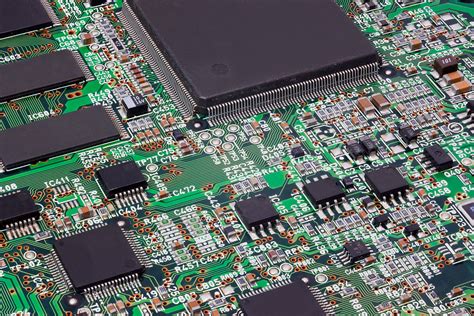
Key Players in the Circuit Board Assembly Industry
In the dynamic landscape of pcb assembly, various companies have emerged as key players driving technological advancements and setting standards within the industry. These firms are recognized for their commitment to quality, innovation, and their ability to adapt to the changing demands of electronics manufacturing.
Leading circuit board assembly companies specialize in creating printed circuit boards (PCBs) that are essential components in a wide array of electronic devices. They integrate cutting-edge technologies such as surface mount technology and automated assembly processes, which not only enhance production efficiency but also improve the performance of the final products.
Here is a summary of some notable pcb assembly companies:
| Company Name | Specialization | Notable Features |
|---|---|---|
| Company A | High-volume PCBA | Automated assembly lines |
| Company B | Prototype production | Rapid turnaround times |
| Company C | Custom solutions | Advanced quality control |
| Company D | Eco-friendly materials | Sustainable manufacturing practices |
These companies leverage sophisticated manufacturing processes, including advanced soldering techniques and rigorous testing protocols, ensuring that every PCBA meets stringent quality standards. By focusing on continuous improvement and innovation, they play a crucial role in transforming products across industries such as telecommunications, automotive, and consumer electronics. The collaboration between these key players not only propels technological advances forward but also expands the possibilities for future applications within the realm of electronic devices. Overall, their influence is vital in shaping a modern technological landscape that relies heavily on efficient and high-quality pcb assembly solutions.
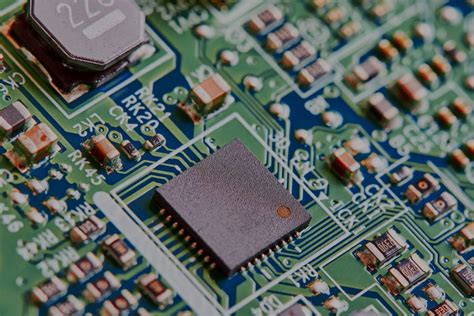
Innovative Manufacturing Processes in Circuit Board Assembly
The landscape of pcb assembly has evolved significantly, driven by advancements in technology and the need for greater efficiency. Leading circuit board assembly companies are now leveraging sophisticated manufacturing processes that streamline production while enhancing the quality of the final product. One notable innovation is the implementation of surface-mount technology (SMT), which allows for more compact designs and greater component density on PCBs. This method not only improves the speed of assembly but also reduces costs, making it a preferred choice among many pcba manufacturers.
Moreover, many companies are adopting automation and robotics to achieve precision and consistency in their processes. Automated pick-and-place machines have become essential tools that drastically reduce human error and increase production rates. To complement these advancements, real-time inspection systems are utilized to perform rigorous quality assurance checks at various stages of assembly, ensuring that each pcb assembly meets stringent industry standards. These innovations collectively contribute to creating high-performance electronic devices that underpin modern technological applications, marking a significant shift in how pcba is approached across various sectors.
Overall, these cutting-edge manufacturing processes not only enhance productivity but also provide a competitive edge to manufacturers by enabling them to respond rapidly to evolving market demands while maintaining exceptional quality.
Quality Assurance Practices Among Leading Companies
In the competitive landscape of pcb assembly, quality assurance stands as a pivotal element that distinguishes top players in the industry. Leading pcba companies implement rigorous quality control measures throughout their manufacturing processes, ensuring that each circuit board meets high standards of performance and reliability. These practices often begin with the selection of high-grade materials, followed by meticulous assembly techniques that emphasize precision and efficiency. Furthermore, advanced testing methodologies, such as Automated Optical Inspection (AOI) and X-ray inspection, are employed to identify defects before the products reach the market. Moreover, best practices include thorough documentation and compliance with international standards like ISO 9001, which underlines the commitment to quality and customer satisfaction. By leveraging these strategies, companies not only enhance their operational efficiency but also boost their reputation in a rapidly evolving technology landscape. Ultimately, a strong focus on quality assurance serves as a foundation for continued innovation and investment in next-generation pcb assembly solutions.
Cutting-Edge Solutions Transforming Circuit Board Assembly
The landscape of PCB assembly is being revolutionized by a plethora of cutting-edge solutions that enhance efficiency and precision in the manufacturing process. Leading circuit board assembly companies are integrating advanced technologies such as automation, artificial intelligence (AI), and the Internet of Things (IoT) into their production lines. For instance, automated assembly systems not only speed up the production timeline but also significantly reduce the risk of errors commonly associated with manual assembly. These innovations enable companies to produce high-quality PCBA that meet the increasing demands for compact and complex electronic designs.
Moreover, data analytics plays a crucial role in monitoring machine performance and optimizing production workflows. By harnessing data-driven insights, firms can identify bottlenecks and implement proactive measures to streamline their operations, leading to enhanced throughput and reduced costs. Additionally, several organizations are embracing sustainable practices within their circuit board assembly processes by utilizing eco-friendly materials and reducing waste through innovative recycling techniques. As technology continues to evolve, the focus on these cutting-edge solutions will only intensify, paving the way for higher standards in manufacturing excellence within the PCB assembly industry.
Case Studies: Success Stories from Top Circuit Board Assembly Companies
In the ever-evolving landscape of technology, pcb assembly companies play a pivotal role in driving innovation and efficiency. Numerous pcba firms have distinguished themselves through their exemplary practices and pioneering solutions. For instance, Company A has leveraged advanced automation techniques to significantly improve their production speed while maintaining high-quality standards. Their commitment to excellence is evident in their rigorous testing processes, ensuring that every circuit board assembly meets stringent industry benchmarks before being delivered to clients.
Another notable example is Company B, known for its innovative approach to designing flexible pcb assembly solutions tailored for unique client needs. This adaptability has enabled them to cater effectively to various sectors, from consumer electronics to medical devices. Their use of eco-friendly materials also highlights a growing trend towards sustainability within the industry, demonstrating that circuit board assembly can be both efficient and responsible.
Moreover, Company C’s investment in research and development has led to groundbreaking technologies that enhance connectivity and performance in their products. Their latest pcba innovation reduces size while increasing functionality—proof of how top players are transforming challenges into opportunities within the circuit board assembly space.
These success stories illustrate the impact of leading pcb assembly companies not only on their immediate markets but also on the broader technological landscape. By continually pushing boundaries and embracing new methodologies, these firms are setting benchmarks for what can be achieved through circuit board assembly, ultimately reshaping how technology integrates into everyday life.
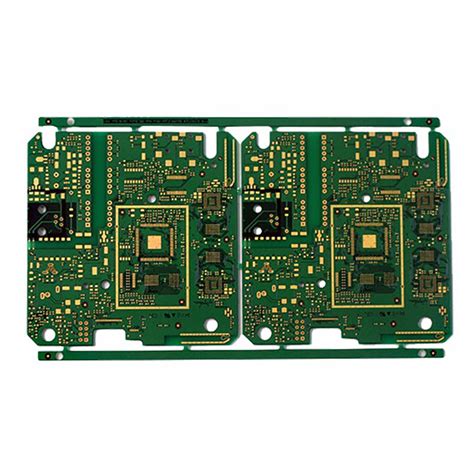
Future Trends in Circuit Board Assembly Technology
As the demand for compact and efficient electronic devices continues to rise, the pcb assembly industry is witnessing transformative innovations. Leading companies in pcba are increasingly adopting advanced manufacturing technologies to create more intricate and reliable circuit board designs. One such trend is the integration of automation and smart manufacturing methodologies, which optimize production processes and reduce human error. These advancements are complemented by the growing use of materials that enhance performance and durability, enabling the development of more sophisticated electronic products. Additionally, a significant focus is being placed on sustainability within circuit board assembly, with companies prioritizing eco-friendly materials and processes to minimize environmental impact. The introduction of artificial intelligence (AI) in quality assurance practices is also pivotal, allowing companies to analyze data in real-time, which leads to improved defect detection and faster response times. As these trends evolve, they pave the way for groundbreaking applications across various industries, ensuring that pcb assembly remains a crucial driver of technological progress and innovation in the years to come.
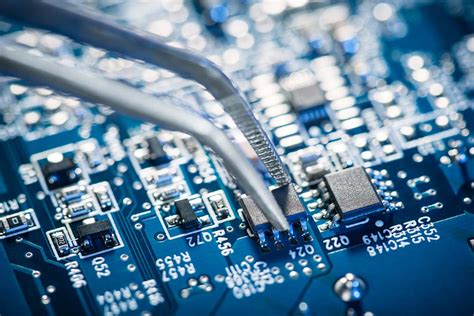
Conclusion
In summary, the landscape of pcb assembly is rapidly evolving, driven by the innovations from leading circuit board assembly companies. These companies are not only enhancing the efficiency of their production lines through sophisticated manufacturing processes but are also prioritizing quality assurance to meet stringent standards demanded by various industries. The integration of advanced technologies such as automation and AI into the pcba process is revolutionizing how these firms operate, allowing them to deliver cutting-edge solutions that cater to an increasingly complex market. As we look to the future, it is clear that these key players will continue their journey toward excellence in circuit board assembly, with a keen focus on sustainability and agility, ensuring they remain at the forefront of technological advancement. Thus, the importance of these companies cannot be overstated as they play a crucial role in shaping the future of electronic innovation.
FAQs
What is PCB assembly?
PCB assembly, or PCBA, refers to the process of soldering electronic components onto a printed circuit board (PCB) to create a functional electronic device. This process is critical in ensuring that the board performs its intended functions.
Why is quality assurance important in PCB assembly?
Quality assurance in pcb assembly helps to identify and eliminate defects in the production process. By implementing stringent quality control measures, leading companies can ensure that their PCBA products meet regulatory standards and perform reliably in real-world applications.
What innovative processes are used in circuit board assembly?
Innovative processes in circuit board assembly include advanced techniques such as Surface Mount Technology (SMT), Automated Optical Inspection (AOI), and real-time production monitoring systems. These advancements optimize production efficiency, reduce waste, and enhance the overall quality of pcb assembly.
Who are the key players in the PCB assembly industry?
Key players include industry leaders such as Jabil, Flextronics, and Foxconn, among others. These companies drive innovation and set benchmarks for quality and reliability within the PCBA industry.
What future trends can we expect in PCB assembly technology?
Future trends may include increased automation, the use of artificial intelligence for quality control, and advancements in materials that enable more compact designs. These changes will likely enhance both efficiency and functionality within circuit board assemblies.