
Flexible pcb for led strip
Advantages Of Using Flexible PCB for LED Strip Design
Flexible printed circuit boards (PCBs) have become a cornerstone in the design and implementation of LED strips, offering a multitude of advantages that enhance both functionality and versatility. As the demand for innovative lighting solutions continues to grow, the integration of flexible PCBs in LED strip design has emerged as a pivotal development, providing numerous benefits that cater to a wide range of applications.
One of the primary advantages of using flexible PCBs in LED strip design is their inherent adaptability.
Unlike traditional rigid PCBs, flexible PCBs can be bent, twisted, and shaped to fit a variety of spaces and configurations. This flexibility allows for the creation of LED strips that can conform to curved surfaces, wrap around corners, or fit into tight spaces, making them ideal for applications in automotive lighting, architectural installations, and consumer electronics. The ability to mold the PCB to the desired shape without compromising its functionality significantly broadens the scope of design possibilities.
In addition to their adaptability, flexible PCBs offer enhanced durability and reliability.
The materials used in flexible PCBs, such as polyimide or polyester films, are designed to withstand mechanical stress and environmental factors. This resilience ensures that the LED strips maintain their performance even in challenging conditions, such as high temperatures or exposure to moisture. Consequently, flexible PCBs contribute to the longevity and consistent performance of LED strips, reducing the need for frequent maintenance or replacement.
Moreover, the use of flexible PCBs in LED strip design facilitates improved thermal management.
Efficient heat dissipation is crucial for maintaining the performance and lifespan of LEDs, as excessive heat can lead to reduced brightness and premature failure. Flexible PCBs are often designed with materials and structures that enhance thermal conductivity, allowing heat to be effectively dissipated away from the LEDs. This capability not only ensures optimal performance but also contributes to energy efficiency, as the LEDs can operate at lower temperatures and with reduced power consumption.
Another significant advantage of flexible PCBs is their contribution to the miniaturization of LED strips.
As electronic devices and lighting solutions become increasingly compact, the demand for smaller and more efficient components has intensified. Flexible PCBs enable the integration of multiple electronic components into a single, compact design, reducing the overall size and weight of the LED strip. This miniaturization is particularly beneficial in applications where space is limited, such as in wearable technology or intricate lighting designs.
Furthermore, flexible PCBs offer cost-effectiveness in the manufacturing process. The ability to produce complex circuits on a single flexible substrate reduces the need for multiple components and assembly steps, leading to lower production costs. Additionally, the lightweight nature of flexible PCBs can result in reduced shipping and handling expenses. These cost savings, combined with the enhanced performance and versatility of flexible PCBs, make them an attractive option for manufacturers and designers alike.
In conclusion, the integration of flexible PCBs in LED strip design presents a multitude of advantages that enhance adaptability, durability, thermal management, miniaturization, and cost-effectiveness. As the demand for innovative and efficient lighting solutions continues to rise, the role of flexible PCBs in LED strip design is poised to become increasingly significant, driving advancements in technology and expanding the possibilities for creative and functional lighting applications.
How To Choose The Right Flexible PCB For Your LED Strip Project
When embarking on an LED strip project, selecting the appropriate flexible printed circuit board (PCB) is crucial to ensure optimal performance and longevity. Flexible PCBs offer a versatile and efficient solution for LED strips, providing the necessary support and connectivity while accommodating the unique design requirements of various applications. To make an informed decision, several factors must be considered, each contributing to the overall effectiveness and reliability of the LED strip.
First and foremost, it is essential to evaluate the material composition of the flexible PCB.
Typically, these PCBs are made from polyimide or polyester films, known for their excellent flexibility and thermal stability. Polyimide is often preferred for high-temperature applications due to its superior heat resistance, while polyester is suitable for projects with moderate temperature requirements. Understanding the thermal demands of your specific LED strip application will guide you in selecting the appropriate material, ensuring that the PCB can withstand the operational environment without compromising performance.
In addition to material selection, the thickness of the flexible PCB plays a significant role in its functionality.
Thinner PCBs offer greater flexibility, which is advantageous for applications requiring intricate bends and curves. However, they may be more susceptible to mechanical stress and damage. Conversely, thicker PCBs provide enhanced durability but may limit flexibility. Balancing these factors is crucial, as the chosen thickness should align with the physical demands of the installation while maintaining structural integrity.
Another critical consideration is the copper weight of the flexible PCB, which directly impacts its current-carrying capacity.
LED strips require a consistent and reliable power supply, and the copper weight determines the amount of current the PCB can handle without overheating. For high-power LED applications, a heavier copper weight is advisable to ensure efficient power distribution and prevent potential failures. Conversely, for low-power applications, a lighter copper weight may suffice, offering cost savings without compromising performance.
Furthermore, the design and layout of the flexible PCB are pivotal in achieving the desired lighting effects and functionality.
The trace width and spacing must be carefully calculated to accommodate the electrical requirements of the LED strip while minimizing resistance and potential signal interference. Additionally, the placement of components and connectors should be strategically planned to facilitate easy installation and maintenance. Collaborating with experienced PCB designers can help optimize the layout, ensuring that the final product meets both aesthetic and functional objectives.
Moreover, the choice of surface finish on the flexible PCB can influence its performance and longevity.
Common finishes include immersion gold, immersion silver, and organic solderability preservatives (OSP). Each finish offers distinct advantages, such as enhanced solderability, corrosion resistance, and cost-effectiveness. The selection should be based on the specific environmental conditions and soldering requirements of the LED strip project.
Lastly, it is imperative to consider the manufacturing capabilities and quality standards of the PCB supplier.
Partnering with a reputable manufacturer ensures that the flexible PCBs are produced with precision and adhere to industry standards, minimizing the risk of defects and failures. Requesting samples and reviewing customer feedback can provide valuable insights into the supplier’s reliability and product quality.
In conclusion, choosing the right flexible PCB for your LED strip project involves a comprehensive evaluation of material properties, thickness, copper weight, design layout, surface finish, and supplier credibility. By carefully considering these factors, you can ensure that your LED strip project achieves optimal performance, durability, and aesthetic appeal, ultimately leading to a successful and satisfying outcome.
Innovations In Flexible PCB Technology For LED Lighting Solutions
Flexible printed circuit boards (PCBs) have revolutionized the landscape of LED lighting solutions, offering unprecedented versatility and efficiency. As the demand for innovative lighting solutions continues to grow, flexible PCBs have emerged as a pivotal component in the design and implementation of LED strips. These advanced circuit boards provide a host of benefits that cater to the evolving needs of modern lighting applications, making them an indispensable element in the industry.
One of the primary advantages of flexible PCBs in LED lighting is their ability to conform to various shapes and surfaces.
Unlike traditional rigid PCBs, flexible variants can be bent, twisted, and folded, allowing for seamless integration into unconventional spaces. This adaptability is particularly beneficial in applications where space constraints or unique design requirements are present, such as in automotive lighting, architectural installations, and wearable technology. By enabling LEDs to be placed in areas that were previously inaccessible, flexible PCBs open up new possibilities for creative and functional lighting designs.
Moreover, the lightweight nature of flexible PCBs contributes to their appeal in LED strip applications.
The reduced weight not only facilitates easier installation but also enhances the overall efficiency of the lighting system. This is especially important in portable or mobile applications, where minimizing weight is crucial. Additionally, the thin profile of flexible PCBs allows for a more discreet presence, ensuring that the focus remains on the lighting effect rather than the hardware itself.
In terms of performance, flexible PCBs offer excellent thermal management capabilities, which are critical for maintaining the longevity and efficiency of LED strips. The materials used in flexible PCBs are designed to dissipate heat effectively, preventing the LEDs from overheating and ensuring consistent performance over time. This thermal efficiency is complemented by the ability to incorporate advanced features such as dimming controls and color-changing capabilities, further enhancing the functionality of LED lighting solutions.
The manufacturing process of flexible PCBs also contributes to their growing popularity.
Advances in fabrication techniques have made it possible to produce these circuit boards with high precision and reliability. The use of advanced materials, such as polyimide and polyester, ensures durability and flexibility, while modern production methods allow for the integration of complex circuitry in a compact form factor. This combination of durability and sophistication makes flexible PCBs an ideal choice for high-performance LED applications.
Furthermore, the environmental benefits of flexible PCBs cannot be overlooked.
As sustainability becomes an increasingly important consideration in product design, the eco-friendly nature of flexible PCBs is a significant advantage. The materials used in their construction are often recyclable, and the energy-efficient manufacturing processes contribute to a reduced carbon footprint. This aligns with the broader industry trend towards sustainable practices and supports the development of environmentally responsible lighting solutions.
In conclusion, the innovations in flexible PCB technology have significantly enhanced the capabilities and applications of LED lighting solutions. By offering unparalleled flexibility, lightweight design, superior thermal management, and sustainable manufacturing, flexible PCBs have become a cornerstone of modern LED strip technology. As the demand for versatile and efficient lighting solutions continues to rise, the role of flexible PCBs is set to expand, driving further advancements in the field and paving the way for new and exciting lighting possibilities..
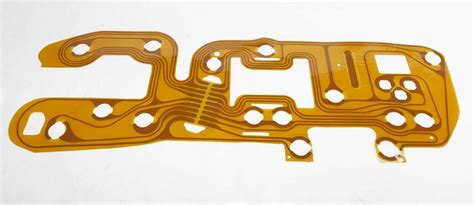
Tips For Designing Efficient Flexible PCBs For LED Strips
Designing efficient flexible PCBs for LED strips requires a careful balance of technical precision and creative innovation. As LED technology continues to advance, the demand for flexible PCBs has grown, driven by their ability to conform to various shapes and spaces, making them ideal for a wide range of applications. To achieve optimal performance and reliability, several key considerations must be taken into account during the design process.
Firstly, understanding the material properties of flexible PCBs is crucial.
These PCBs are typically made from polyimide or polyester films, which offer excellent flexibility and thermal stability. Selecting the appropriate material depends on the specific requirements of the LED strip application, such as the operating environment and the degree of flexibility needed. For instance, polyimide is often preferred for high-temperature applications due to its superior heat resistance, while polyester may be suitable for less demanding conditions.
In addition to material selection, the layout of the circuit is a critical factor in designing efficient flexible PCBs.
The layout should minimize the length of the conductive traces to reduce resistance and power loss, which is particularly important for LED strips that require consistent brightness across their length. Employing a well-organized layout not only enhances electrical performance but also simplifies the manufacturing process, reducing the likelihood of errors and defects.
Moreover, the choice of components and their placement on the PCB can significantly impact the overall efficiency of the LED strip.
It is advisable to use components with low power consumption and high efficiency to maximize the energy efficiency of the LED strip. Furthermore, strategic placement of components can help in managing heat dissipation, which is essential for maintaining the longevity and performance of the LEDs. Heat sinks or thermal vias can be incorporated into the design to facilitate effective heat management.
Transitioning to the aspect of signal integrity, it is important to ensure that the design minimizes electromagnetic interference (EMI) and signal loss.
This can be achieved by maintaining proper spacing between traces and using ground planes to shield sensitive components. Additionally, employing differential signaling for data lines can further enhance signal integrity, especially in applications where high-speed data transmission is required.
Another vital consideration is the mechanical design of the flexible PCB.
Since these PCBs are often subjected to bending and flexing, it is essential to design them with appropriate bend radii to prevent mechanical stress and potential damage. Reinforcing areas that are prone to frequent bending with additional layers or stiffeners can also enhance durability.
Finally, testing and prototyping play a pivotal role in the design process.
Prototyping allows designers to evaluate the performance of the flexible PCB in real-world conditions and make necessary adjustments before mass production. Rigorous testing ensures that the PCB meets all performance and reliability standards, thereby reducing the risk of failure in the final product.
In conclusion, designing efficient flexible PCBs for LED strips involves a comprehensive approach that encompasses material selection, circuit layout, component choice, signal integrity, mechanical design, and thorough testing. By carefully considering each of these aspects, designers can create flexible PCBs that not only meet the functional requirements of LED strips but also deliver superior performance and reliability in diverse applications.