
Mastering Control Board Assembly: Tips for Success and Precision
Key Takeaways
Mastering pcb assembly requires a comprehensive understanding of the essential techniques and processes involved in pcba. One of the key takeaways is the importance of careful planning and preparation before starting the assembly process. By ensuring that you have all the necessary tools and materials at hand, you set a strong foundation for achieving success in your projects. Additionally, understanding the layout and function of each component on the control board is crucial for avoiding common mistakes that can lead to inefficiencies or errors.
It’s also essential to focus on precision during assembly. Techniques such as using magnification tools, maintaining a steady hand, and following step-by-step instructions can significantly enhance the accuracy of your work. Implementing testing and quality assurance practices throughout the process ensures that you catch potential issues early, leading to better performance and reliability of your final product.
Keeping an eye on future trends in control board technology will also help you stay ahead, allowing you to incorporate innovative practices into your pcb assembly efforts. By embracing both foundational techniques and advanced tips, anyone involved in pcba will find themselves positioned for success in this ever-evolving field.
Introduction to Control Board Assembly: Understanding the Basics
Control board assembly, or pcb assembly as it is often referred to, plays a crucial role in the electronics manufacturing industry. The process involves the meticulous arrangement of components onto a printed circuit board (PCB) to create a functional unit that powers various electronic devices. Understanding the fundamentals of this process is essential for anyone looking to improve their skills in pcba or pcb assembly.
At its core, control board assembly begins with the selection of high-quality materials and components that meet specific performance criteria. This ensures that the final product operates reliably and efficiently. The assembly process generally includes steps such as component placement, soldering, and testing, each of which requires a careful approach to avoid common pitfalls.
For aspiring professionals and hobbyists alike, grasping essential tools such as soldering irons, multimeters, and PCB design software is invaluable. These tools allow for precision during assembly, minimization of errors, and enhancement of overall quality. In addition to tools, familiarity with crucial terminology and techniques related to pcb assembly, such as surface mount technology (SMT) and through-hole technology (THT), is vital in achieving optimal results.
Fostering an understanding of these fundamentals sets the foundation for further advancement into more sophisticated techniques and practices within control board assembly. Whether one is assembling simple circuits or complex devices with multiple functionalities, a solid grounding in these basics will lead to improved precision and reliability throughout the entire manufacturing process.
Essential Tools and Materials for Effective Assembly
When embarking on pcb assembly, having the right tools and materials is crucial for achieving high-quality results. Whether you are a novice or an experienced technician in pcba, understanding the essential components can significantly influence the efficiency and precision of your assembly process.
Begin with the basics: a reliable soldering iron paired with good-quality solder is indispensable. For those delicate components found on circuit boards, using a precise soldering tip can enhance control during application. Additionally, having a set of tweezers enables you to handle small parts with accuracy, minimizing the risk of damaging them.
It’s also important to consider electronic testing equipment such as multimeters and oscilloscopes, which play a pivotal role in assessing functionality throughout the assembly process. These tools help identify potential issues before finalizing your project, thereby ensuring optimal performance.
| Tool/Material | Purpose |
|---|---|
| Soldering Iron | To join electronic components through solder |
| Good-quality Solder | Ensures reliable electrical connections |
| Tweezers | For handling small parts |
| Multimeter | To measure electrical values and functionality |
| Oscilloscope | To visualize signals |
To further enhance your setup, consider quality pcba materials such as printed circuit boards made from high-grade substrates. These materials not only improve durability but also contribute to better signal integrity.
By equipping yourself with these essential tools and understanding their specific applications in control board assembly, you are positioning yourself for success. Remember that attention to detail is vital; even the best tools will not compensate for rushed efforts or oversight during the assembly process.

Step-by-Step Guide to Assembling Control Boards
Assembling control boards, commonly referred to as pcb assembly or pcba, is a meticulous process that requires precision and attention to detail. To begin, one must gather all necessary materials and tools, ensuring everything is organized before diving into the assembly process. This includes the printed circuit board (PCB) itself, various components such as resistors, capacitors, and integrated circuits, along with a soldering iron and solder. The first step in the assembly involves carefully placing components onto the PCB according to the schematic diagram. This is crucial for ensuring that each component is correctly oriented and positioned. Once all components are placed, the next phase involves soldering them in place; this step requires skill and steady hands to achieve clean joints that will establish reliable electrical connections.
After soldering is complete, it’s important to visually inspect the pcba for any potential issues such as cold solder joints or misplaced components. Utilizing a magnifying glass can aid in this inspection process, ensuring all connections are reliable. Following visual checks, performing a functionality test on the board will help confirm that everything operates as intended. Each step in this process plays a vital role in achieving high-quality assembly; neglecting any part can lead to performance issues later on.
Lastly, maintaining a clean working environment cannot be understated as it significantly impacts both efficiency and accuracy during assembly. By following these detailed steps with care and precision, one enhances their competency in control board assembly, ultimately leading to improved performance and reliability of electronic systems.
Common Mistakes to Avoid in Control Board Assembly
When it comes to pcb assembly, there are several common pitfalls that can compromise the overall quality and functionality of the final product. One mistake many beginners make is neglecting the importance of a clean workspace. Dust, debris, and incorrect handling can lead to contamination, which may cause significant issues later in the assembly process. Another frequent error is overlooking the component orientation; misaligning parts can create short circuits or open circuits when it comes time to test the pcba. Additionally, insufficient soldering techniques often result in weak or unreliable connections. It is critical to ensure that solder joints are uniform and properly reflowed, which not only enhances durability but also improves overall circuit performance. Lastly, failing to double-check component values before assembly can lead to costly delays and products that don’t meet specifications. By being aware of these common mistakes and prioritizing precision and attention to detail in your control board assembly, you can dramatically increase both your efficiency and the reliability of your assemblies.
Techniques for Ensuring Precision and Reliability
Achieving precision and reliability in pcb assembly is crucial for the successful performance of electronics. One important technique is the meticulous placement of components on the pcba. Use a vacuum pick-up tool for small parts to avoid undue stress on delicate components. This technique helps maintain the integrity of connections and reduces the risk of misalignment during soldering. Additionally, employing specialized soldering techniques, such as using fine-tipped soldering irons or hot air rework stations, can significantly enhance accuracy, especially in densely populated areas of the control board assembly.
Furthermore, implementing a systematic approach to handling tools and components can minimize errors. Organizing workspace for easy access to essential tools such as tweezers, flux pens, and magnifying glasses ensures that everything is within reach when needed. This not only speeds up the assembly process but also reduces distractions that might lead to mistakes.
Regular inspections are another crucial aspect of maintaining precision in pcba processes. Schedule periodic checks at different assembly stages—before soldering, post-soldering, and final inspection—to ensure that all components are placed correctly and meet quality standards. By integrating these techniques into your assembly practices, you can enhance the reliability of your control board assemblies, ultimately contributing to their long-term functionality in diverse applications. Consistency in following these methods will foster an environment where quality control thrives, leading to fewer defects and improved end products.
Testing and Quality Assurance in Control Board Assembly
In the realm of pcb assembly, comprehensive testing and quality assurance protocols play a vital role in ensuring the reliability and functionality of the final product. Implementing a systematic approach to testing can prevent faulty pcba from reaching consumers, thereby enhancing overall satisfaction and trust in the product. Various testing methods, including visual inspections, automated optical inspection (AOI), and functional testing, are essential to identify defects early in the assembly process. By incorporating these techniques, manufacturers can maintain high standards of quality while optimizing their assembly processes. Additionally, establishing a robust quality control checklist helps streamline procedures, ensuring that each component meets specified parameters before moving to the next stage of assembly. This meticulous focus on quality not only reduces production waste but also leads to greater efficiency throughout the manufacturing cycle. As technology evolves, integrating advanced testing tools such as X-ray inspections and stress-testing environments will further enhance the thoroughness of quality assurance practices. Ultimately, investing time and resources into effective testing and quality assurance methodologies is crucial for achieving precise pcb assembly that meets both industry standards and customer expectations.
Advanced Tips for Professional-Level Assembly
When engaging in pcb assembly, achieving a professional-level outcome requires a thorough understanding of both techniques and best practices. One key aspect is the careful selection and organization of components, ensuring that each piece is in its designated place before starting the assembly. This not only saves time but also reduces errors. Additionally, maintaining a clean and uncluttered workspace is essential; it minimizes mistakes and boosts efficiency.
Moreover, consider investing in high-quality soldering tools and materials. Tools like precision soldering irons and high-performance pcba solder are crucial for creating reliable connections that stand the test of time. Using flux can significantly improve the soldering process by ensuring cleaner joins, which is vital in achieving durability and functionality of the board.
“Always test your connections with a multimeter during the assembly process to identify issues early on.” This practice can prevent complications when the board comes to operation.
Lastly, continuous education on emerging technologies in circuit design and assembly can provide a competitive edge. Staying updated on trends such as automated assembly techniques or advancements in materials science can enhance both your skills and your output quality significantly.
Future Trends in Control Board Technology and Assembly
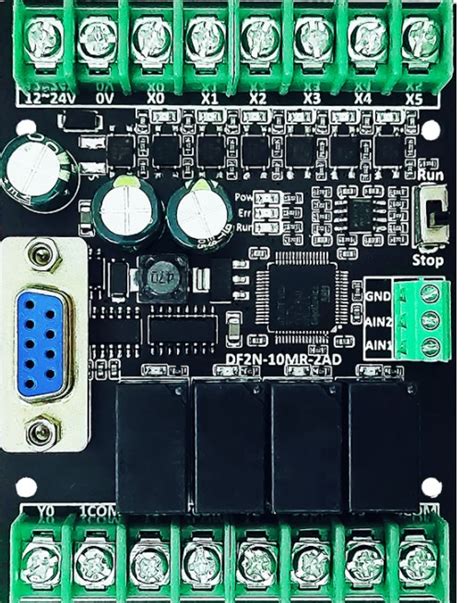
As technology continues to advance, the landscape of PCB assembly and its associated processes is evolving at a remarkable pace. One of the most significant trends is the integration of automation in PCBA. Automation not only reduces the time required for assembly but also enhances precision and consistency, minimizing human error. Companies are increasingly adopting robotic systems for tasks such as soldering, which allows for greater accuracy at a fraction of the time compared to manual methods.
Another trend is the shift towards more compact designs necessitating advanced control board assembly techniques. As devices become smaller, there is a growing need for innovative approaches that ensure the reliability and performance of PCBA while adhering to space constraints. Developments in materials science are also influencing this trend; lightweight yet resilient materials are being utilized to create control boards capable of supporting complex functionalities without compromising on durability.
Additionally, we are witnessing an increased focus on sustainability within PCB assembly processes. Many manufacturers are looking for eco-friendly materials and methods that reduce waste and energy consumption, aligning with a global move towards sustainability in technology manufacturing.
Finally, the rise of artificial intelligence (AI) in quality assurance cannot be overlooked. AI systems monitor production lines in real time, identifying potential defects before they result in significant issues, thereby ensuring that every aspect of control board assembly aligns with rigorous quality standards.
In summary, staying abreast of these advancements will be critical for professionals involved in PCBA, as adapting to these trends will not only enhance their skills but also ensure they remain competitive in an ever-evolving market landscape.
Conclusion
In mastering control board assembly, it is crucial to reflect on the essential elements that contribute to effective pcb assembly. A thorough understanding of the pcba processes not only enables you to achieve precision in your work but also enhances the overall reliability and performance of the assembled boards. By adhering to best practices and continuously honing your skills, you can minimize errors that often occur during the assembly process. Embracing advanced techniques, such as effective soldering methods and proper component placement, will significantly elevate the quality of your work. Additionally, prioritizing quality assurance measures ensures that each pcb assembly meets high industry standards, thereby fostering trust in your final product. As the landscape of control board assembly evolves with new technological advancements, staying informed about these trends will further drive your success. Ultimately, remaining committed to continual improvement and innovation will guarantee that you are well-prepared for the challenges ahead in the world of pcba.
FAQs
What is PCB assembly?
PCB assembly, often referred to as PCBA, is the process of soldering electronic components onto a printed circuit board (PCB) to create a functional electronic device.
What are the main steps involved in the control board assembly?
The main steps include designing the PCB layout, selecting suitable components, preparing the board, soldering components, and performing quality checks on the assembled board for durability and performance.
What tools are essential for effective PCB assembly?
Essential tools include soldering irons, multimeters, tweezers, and magnifying glasses. For larger scale production, machines like pick-and-place systems may be used.
How can I ensure precision in control board assembly?
To ensure precision, careful attention to detail during the layout design and component placement is critical. Using high-quality soldering techniques and performing thorough inspections will also enhance accuracy.
What common mistakes should I avoid when assembling PCBs?
Common mistakes include incorrect component placement, poor solder joints, failing to account for thermal considerations during soldering, and neglecting proper cleaning of the PCB prior to assembly.
How do I test a completed PCB for reliability?
Testing can involve functional testing of the electronic circuits, in-circuit testing for individual components, or thermal testing to ensure that heat dissipation is managed effectively.
For further insights into PCB assembly, including advanced techniques and latest trends in control board technology, please click here: Andwin PCB Assembly