
Revolutionizing Circuit Manufacturing for the Future of Technology
Key Takeaways
The landscape of pcb manufacturing is continuously evolving, influenced by a myriad of factors that prioritize efficiency, quality, and reliability. As you delve into this dynamic field, it’s crucial to consider how innovative techniques are transforming pcb manufacturing companies and the processes they employ. With advancements in automation and smart technology, you can expect a significant decrease in pcb manufacturing cost, allowing businesses to allocate resources more effectively. The integration of sophisticated design tools enables you to produce higher quality boards while minimizing errors—a critical aspect in maintaining competitiveness in the pcb manufacturing business. By staying abreast of these developments, you position yourself at the forefront of innovation, ensuring that your operations meet the growing demands of technology while adhering to sustainable practices. Ultimately, grappling with these emerging trends will not only enhance your understanding but also empower you to make informed decisions for future advancements in circuit manufacturing.
Revolutionizing Circuit Manufacturing: An Overview
In recent years, the landscape of PCB manufacturing has undergone a dramatic transformation, reshaping how PCB manufacturing companies operate and innovate. As technology continues to advance, you may be intrigued to learn about the innovative techniques that are enhancing efficiency and quality in this critical sector. These advancements have led to not only improved processes but also a significant reduction in PCB manufacturing costs, allowing businesses to remain competitive in a rapidly evolving market.
One noteworthy trend is the integration of automation and artificial intelligence into the PCB manufacturing business model. These technologies streamline operations, mitigate human errors, and ensure consistency in production quality. Furthermore, impressive developments in materials science have resulted in the creation of new substrates and components that significantly enhance the performance of circuits.
| Technique | Benefits |
|---|---|
| Automation | Increased speed and reduced errors |
| Advanced materials | Higher performance and durability |
| AI-driven analytics | Improved decision-making processes |
Embracing these innovations not only optimizes your production lines but also aligns your business strategies with emerging global standards. By adapting to these changes, you position yourself at the forefront of an industry poised for remarkable growth while addressing pressing challenges such as sustainability and supply chain efficiency. The future undoubtedly holds exciting possibilities for those involved in PCB manufacturing, making it an opportune time for you to invest in cutting-edge advancements that will shape tomorrow’s technology landscape.
Innovative Techniques Driving Efficiency in Circuit Manufacturing
In the rapidly evolving landscape of circuit manufacturing, innovative techniques are essential for enhancing efficiency and meeting the increasing demands of technology. One significant area focusing on pcb manufacturing is the adoption of advanced automation and robotics. By integrating these systems, pcb manufacturing companies can streamline processes, resulting in reduced errors and faster production times. Furthermore, employing Machine Learning and Artificial Intelligence allows for real-time monitoring and adjustments, leading to optimal performance.
Another technique contributing to efficiency involves advanced materials that improve durability and functionality while also minimizing costs. By selecting high-quality materials, you can substantially lower the pcb manufacturing cost, thereby enhancing the overall value of your pcb manufacturing business.
“Incorporating innovative technologies not only boosts production efficiency but also paves the way for creating more complex circuit designs.”
Additionally, lean manufacturing practices are being implemented to eliminate wasteful processes. This approach betters resource management and allows teams to focus on producing high-quality products. Automation also enables companies to scale their operations without substantially increasing labor costs.
By embracing these innovative methods, businesses in the circuit manufacturing sector are positioned strategically for sustained growth. For more insights into cutting-edge advancements in pcb manufacturing, you may explore resources here.
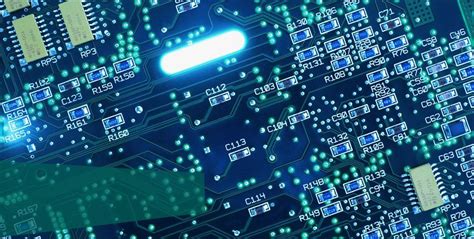
Quality Control Measures in Modern Circuit Manufacturing
In the fast-paced world of pcb manufacturing, implementing robust quality control measures is essential to ensure that products meet rigorous standards. With the rise of technology, you must leverage innovative strategies that not only enhance efficiency but also significantly reduce the pcb manufacturing cost. By adopting industry-leading practices, such as continuous testing and real-time monitoring, you can minimize defects and enhance the overall reliability of your products. Furthermore, collaborating with reputable pcb manufacturing companies can provide you with access to advanced tools and methodologies that facilitate thorough inspection processes. It’s crucial to establish stringent protocols throughout every phase of your pcb manufacturing business, from design iteration to final assembly, ensuring that quality checks are integrated seamlessly into your workflow. By prioritizing quality control, you not only safeguard your reputation but also position your business for sustainable growth in an increasingly competitive landscape.
The Role of Technology in Enhancing Reliability
In the dynamic world of pcb manufacturing, the integration of advanced technology plays a crucial role in enhancing reliability. By leveraging innovative processes, you can significantly reduce errors and improve product quality, ensuring that your pcb manufacturing business stands out in a competitive market. Advanced manufacturing techniques contribute to the unpredictability of outcomes often seen in circuit production, thereby stabilizing performance metrics that are vital for success. Moreover, utilizing real-time data analytics can enhance decision-making processes, allowing you to identify and rectify potential issues before they escalate into significant problems. When assessing pcb manufacturing costs, incorporating cutting-edge technologies such as automation and artificial intelligence can lead to more precise operations, reducing waste and ensuring that the final products meet stringent quality standards set forth by industry norms. As you explore relationships with various pcb manufacturing companies, prioritize those that not only focus on cost-effectiveness but also emphasize innovative technological solutions tailored to bolster reliability throughout the entire production lifecycle. By doing so, your operations will not only thrive but also adapt seamlessly to the evolving demands of modern technology.
Emerging Trends in Circuit Design and Fabrication
In today’s fast-evolving tech landscape, pcb manufacturing is undergoing significant transformations, driven by innovative approaches and emerging technologies. You’ll find that various pcb manufacturing companies are now adopting advanced materials and techniques which enhance both functionality and efficiency. For instance, the introduction of additive manufacturing in pcb manufacturing allows for complex designs that were previously unattainable through conventional methods. This shift not only revolutionizes design possibilities but also reduces the pcb manufacturing cost through more efficient material usage. Furthermore, as environmental consciousness grows, many businesses are focusing on sustainable practices within their pcb manufacturing business, implementing measures that minimize waste while maximizing resource efficiency. You may be intrigued by how these trends not only streamline production but also ensure adherence to stricter quality standards, ultimately paving the way for innovations that cater to a wider range of applications in electronic devices.
Sustainability Practices in Circuit Manufacturing
In recent years, sustainability has emerged as a critical focus in the pcb manufacturing industry, driven by a growing awareness of environmental impact and resource conservation. Many pcb manufacturing companies are adopting green practices to reduce waste and improve energy efficiency. This shift not only benefits the environment but also enhances the pcb manufacturing cost structure. For instance, implementing advanced recycling techniques for raw materials has shown significant potential in minimizing waste. Additionally, using sustainable circuit design principles can lead to reduced energy consumption during production, promoting a circular economy. You may find that investing in sustainable practices can position your pcb manufacturing business not only as environmentally responsible but also as a market leader committed to innovation and quality.
By integrating these sustainable practices, you can ensure that your operations align with the increasing demand for responsible manufacturing while maintaining efficiency and reliability in the fast-paced tech landscape. Moreover, embracing these practices could open up new opportunities for collaboration—investors and customers alike are increasingly favoring companies that demonstrate a commitment to sustainability. Thus, making strategic choices in your pcb manufacturing processes can yield significant long-term benefits both economically and environmentally.
Challenges and Solutions in Today’s Tech Landscape
Navigating the complex world of pcb manufacturing presents a series of challenges that require innovative solutions to maintain competitiveness. One main issue companies often face is the pcb manufacturing cost; balancing quality with budget constraints is crucial. Many pcb manufacturing companies are now turning to advanced technologies that enhance efficiency, allowing them to reduce waste and streamline production. Overcoming supply chain disruptions has also become vital, as the demand for high-quality printed circuit boards surges. By cultivating strong relationships with suppliers and implementing real-time tracking systems, you can mitigate risks associated with sourcing materials. Furthermore, continuous training of staff on the latest engineering practices and technologies can foster a culture of innovation within your pcb manufacturing business. Adopting modern quality control processes not only improves reliability but also helps to meet evolving industry standards. By addressing these challenges head-on, you position your business for greater success in a rapidly changing tech landscape.
Future Forecast: What’s Next for Circuit Manufacturing?
As you look to the future of circuit manufacturing, several exciting developments are on the horizon. The ongoing evolution of pcb manufacturing techniques is set to enhance the functionality and efficiency of electronic devices significantly. Recent innovations from pcb manufacturing companies emphasize not only speed but also precision, catering to the increasing demand for smaller and more complex designs. You can expect a shift towards more automated processes that can reduce pcb manufacturing costs while maintaining high standards of quality. This streamlining will likely result in a more competitive pcb manufacturing business landscape, where companies that embrace advanced technologies will gain a distinct advantage. Sustainable practices are also becoming integrated into design protocols, reducing environmental impact while promoting economic growth in the sector. As these trends evolve, they will redefine the standards of reliability and performance in circuit applications, making them pivotal for supporting next-generation technologies. It’s an exciting time for both manufacturers and consumers as circuit manufacturing shifts towards an increasingly sustainable and efficient future.
Conclusion
In recent years, the landscape of circuit manufacturing has undergone significant transformations, driven by innovative strategies and emerging technologies. As you explore the world of pcb manufacturing, you’ll notice that the commitment of pcb manufacturing companies to enhancing efficiency and quality is more pronounced than ever. By adopting advanced techniques, these companies ensure that the pcb manufacturing cost is managed effectively while maintaining high standards. Moreover, the focus on sustainability practices within the pcb manufacturing business not only addresses environmental concerns but also offers a competitive advantage. Looking ahead, as these advancements continue to unfold, it’s evident that your choice of partners in circuit manufacturing will play a crucial role in your technological endeavors. Embracing these changes will set the stage for a more reliable and efficient future in technology.
FAQs
What is PCB manufacturing?
PCB manufacturing refers to the process of creating printed circuit boards, which are essential components found in nearly every electronic device. This involves several steps, including design, fabrication, and assembly.
How do I choose the right PCB manufacturing company?
When selecting a PCB manufacturing company, consider factors such as their reputation, manufacturing capabilities, and customer service. A reliable company should also provide transparent information about pcb manufacturing costs and lead times.
What factors influence the cost of PCB manufacturing?
The pcb manufacturing cost can vary based on several elements, such as the complexity of the design, materials used, and quantity ordered. Understanding these factors can help you budget effectively for your pcb manufacturing business.
What are some trends in PCB manufacturing?
Emerging trends in pcb manufacturing include the adoption of advanced materials, more efficient production techniques, and a greater focus on sustainability. These trends reflect ongoing innovations driving the future of technology in the electronics sector.
How does technology improve PCB reliability?
Advancements in technology have enhanced reliability in circuit boards through better quality control measures and more precise fabrication methods. This leads to fewer defects and longer-lasting products for your pcb manufacturing business.
For further insights into effective strategies for optimizing your production processes or to explore more about PCB solutions, please click here: Visit AndwinPCB.