
Revolutionize Your Design with Custom Flex PCB Solutions
Key Takeaways
When considering custom flex PCB solutions, it’s crucial to understand the transformative technology behind these flexible printed circuit boards. Unlike traditional rigid boards, custom flex PCBs are designed to adapt to a variety of shapes and applications, allowing for significant flexibility. This adaptability can lead to a reduction in weight and space within your designs, which is particularly beneficial in industries such as automotive and consumer electronics. The pcb manufacturing process for these boards often involves intricate techniques that enable complex layouts without the typical constraints found in rigid PCB designs.
You may also want to explore the key benefits associated with using custom flex PCBs, such as improved performance and reliability under dynamic conditions. Additionally, innovations in the field can offer surprising advantages that are tailored to modern electronic needs, setting your projects apart from competitors who may still rely on standard PCB technology.
If you’re evaluating options among various pcb manufacturing companies, you’ll likely encounter varying pcb manufacturing costs, which can be influenced by factors like material selection and production volume. Understanding these factors helps you make informed decisions that align with your project’s budget while prioritizing performance.
Considering the ongoing advances within the industry also hints at spectacular innovations on the horizon for custom flex technology. Staying abreast of these trends is essential for anyone involved in a pcb manufacturing business, ensuring you’re ready to meet client expectations with tailored solutions that maximize efficiency and functionality.
Understanding Custom Flex PCB Technology: An Overview
Custom flex PCBs have emerged as a game-changer in the realm of PCB manufacturing. These flexible printed circuit boards offer unrivaled adaptability, making them suitable for a wide array of electronic applications. Unlike traditional rigid boards, the unique properties of flex PCBs allow them to bend and conform to various shapes, ensuring that they meet specific design requirements without compromising on functionality. You might wonder how this flexibility influences your projects; the answer lies in the lightweight structures that these boards offer coupled with enhanced performance metrics.
Furthermore, by choosing custom flex PCB solutions, you can potentially reduce the PCB manufacturing cost, optimizing not just for size but also for efficiency in your design processes. Comparing custom flex PCBs with conventional rigid boards reveals significant advantages; not only do they occupy less space, but they also facilitate improved thermal performance and signal integrity.
To give you a clearer picture, consider the following table:
| Feature | Custom Flex PCB | Traditional Rigid Board |
|---|---|---|
| Flexibility | Yes | No |
| Lightweight Design | Yes | No |
| Space Efficiency | Higher | Lower |
| Cost Effectiveness | Competitive | Typically Higher |
“Choosing the right materials and specifications can lead to innovative designs that enhance overall product functionality.”
As you explore options among different PCB manufacturing companies, understanding these key elements will help guide you toward making informed decisions that align with your project’s needs and objectives. Whether you’re diving into research and development or enhancing existing products, the adaptability offered by custom flex PCBs is an essential factor to consider for maintaining a competitive edge in today’s fast-paced electronic market. For more insights into quality solutions, you can visit Andwin PCB.
Key Benefits of Custom Flex PCBs in Modern Design
Custom flex PCBs offer a multitude of advantages that are crucial for modern electronic designs. One of the most significant benefits is their exceptional flexibility, allowing you to design circuits that can bend and conform to various shapes, unlike traditional rigid boards. This adaptability can notably enhance the performance of your products. Moreover, the lightweight structure of these boards contributes to lowering overall device weight, making them ideal for applications where space is at a premium, such as wearables and mobile devices.
In addition to their physical attributes, custom flex PCBs can streamline the pcb manufacturing process. By integrating multiple functions onto one flexible board, you may reduce the need for additional components and simplify assembly. This can ultimately lead to lower pcb manufacturing costs, ensuring that you remain competitive in a fast-paced market. When selecting from various pcb manufacturing companies, opting for those offering custom solutions might provide significant value by minimizing material waste and optimizing production efficiency.
The versatility of custom flex boards also aligns well with innovative applications in various fields, such as healthcare devices and automotive controls. These advancements enable you to push the boundaries of design while ensuring reliability and functionality. Understanding these benefits can help you choose the right approach for your projects, thereby enhancing your design capabilities in today’s ever-evolving technological landscape.
Innovative Applications of Custom Flex PCB Solutions
The versatility of custom flex PCBs has made them integral to a variety of modern applications, transforming how technology interacts with the world around you. From wearable devices that seamlessly integrate into your daily life to flexible displays that can bend and stretch, the possibilities are vast. The lightweight nature of these flexible printed circuit boards allows for designs that not only save space but also reduce overall weight, making them ideal for industries like aerospace and automotive, where every ounce matters. Moreover, pcb manufacturing companies are realizing the cost-effectiveness of developing custom solutions tailored to specific needs, thereby optimizing designs and enhancing product performance.
In sectors such as consumer electronics and medical devices, the enhanced performance offered by custom flex PCBs allows for more innovative product features. For instance, in medical technology, these boards can conform to complex shapes within devices, improving functionality and comfort for users. As you explore pcb manufacturing costs, it becomes clear that while initial investments may vary, the long-term benefits—such as increased reliability and flexibility—justify any expenditure.
Moreover, designing for performance involves understanding the various challenges associated with multi-layered configurations which custom flex solutions can efficiently address. The emerging trends in electronic designs emphasize not just on making devices smaller but also on enhancing their capabilities without compromising on durability or performance. Therefore, as you consider engaging in a pcb manufacturing business, leaning towards custom flex PCB solutions may give you an edge in meeting contemporary demands while pushing the boundaries of what your products can achieve.
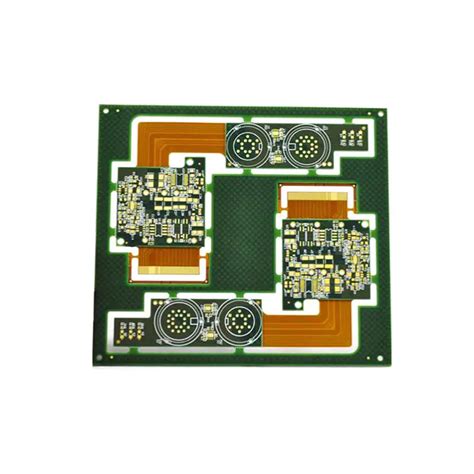
Comparing Custom Flex PCBs with Traditional Rigid Boards
When evaluating the differences between custom flex PCBs and traditional rigid boards, various factors come into play that influence your design decisions. Custom flex PCBs offer remarkable advantages in terms of flexibility and adaptability, allowing for more innovative designs that can bend and fit into tighter spaces. This makes them ideal for modern electronics where compactness is paramount. On the other hand, traditional rigid boards have been the staple in PCB manufacturing due to their durability and ease of assembly. However, they often limit design options due to their inflexible nature.
Moreover, the cost considerations associated with these two types can also be a deciding factor for your project. While the pcb manufacturing cost for custom flex PCBs may initially be higher than that of traditional options, the long-term benefits of reduced weight and increased design freedom frequently justify this investment. Furthermore, if you are collaborating with proficient pcb manufacturing companies, they can help navigate any complexities involved in the transition to flex designs.
Ultimately, choosing between these two types involves assessing your specific requirements, weighing the benefits of flexibility against established durability. Understanding how these factors influence your pcb manufacturing business is crucial for making informed design choices that align with current technological advancements.
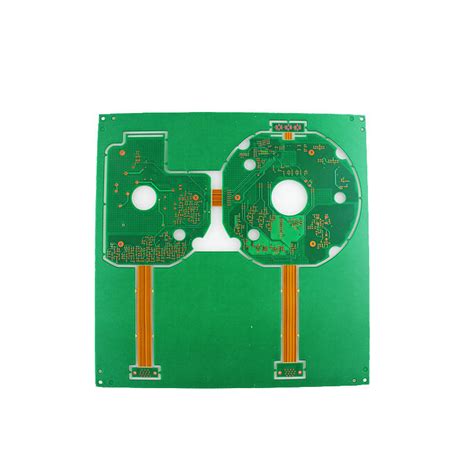
Designing for Performance: Key Considerations for Custom Flex PCBs
When embarking on a project that involves custom flex PCBs, it is essential to prioritize performance at every stage of the design process. Structural integrity is a primary consideration, as the flexible nature of these PCBs necessitates robust materials that can withstand bending and twisting without compromising functionality. Moreover, it’s critical to account for the pcb manufacturing cost; effective planning can lead to more economical solutions without sacrificing quality. Additionally, understanding the capabilities of different pcb manufacturing companies can help you choose one that specializes in flexible designs and offers the best support for your project’s unique requirements.
Thermal management also plays a vital role in performance optimization. Ensuring that heat dissipation is effectively managed will not only prolong the life of your flex PCB but also enhance its reliability. Furthermore, when designing your PCB layout, consider how various components interact with each other; avoiding excessive stress at connection points is crucial to maintain electrical integrity during flexing cycles.
In today’s competitive landscape, the right partnership with competent pcb manufacturing businesses can greatly influence the outcome of your project. Collaborating closely allows you to refine designs iteratively and adapt based on testing feedback. Ultimately, striking a balance between innovation and practicality, while keeping the overall pcb manufacturing cost in check, will ensure that your design achieves high performance and meets modern electronic demands effectively.
Case Studies: Successful Implementations of Custom Flex PCB Solutions
Custom flex PCBs have emerged as essential components across various industries, showcasing their potential through numerous successful case studies. One noteworthy instance involved a medical device company that aimed to create a lightweight and flexible sensor. By partnering with specialized pcb manufacturing companies, they developed a custom flex PCB that seamlessly integrated into their device, enhancing its portability and comfort for users. These innovations not only improved user experience but also reduced the overall pcb manufacturing cost significantly.
Similarly, in the realm of consumer electronics, a startup collaborated with pcb manufacturing experts to design a flexible display module. This case highlighted how custom flex PCBs could accommodate intricate shapes and sizes that traditional rigid boards simply could not achieve. The end product was lauded for its sleek design and superior performance, demonstrating how strategic investments in pcb manufacturing can elevate a product’s marketability.
Moreover, the automotive industry has also reaped the rewards of adopting custom flex PCB solutions. A leading automaker implemented these technologies in their vehicle’s infotainment system, leading to improved functionality and reliability while minimizing weight—crucial factors in modern automotive design. These examples reflect an evolving landscape where pcb manufacturing business strategies must adapt to include flexible solutions capable of meeting diverse technological demands.
In all these instances, the emphasis on collaboration with experienced pcb manufacturing companies has proven vital for successful outcomes. Custom flex PCBs not only fulfill specific project needs but also illustrate the broader trend towards flexibility and innovation in electronic design across multiple sectors.
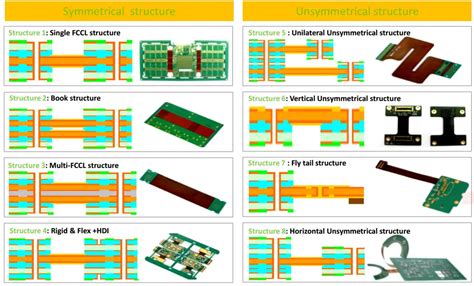
The Future of Electronics: Trends in Custom Flex PCB Development
As technology advances, the trend towards custom flex PCBs is reshaping the electronics landscape. With an increasing demand for compact designs and efficient functionalities, pcb manufacturing is evolving to accommodate these needs. You may notice that various pcb manufacturing companies are focusing on innovative solutions that leverage the unique characteristics of flex technology. The integration of custom flex PCBs not only enhances performance but also significantly reduces pcb manufacturing costs by streamlining production processes and minimizing material waste. This shift reflects a broader understanding within the pcb manufacturing business that flexible solutions are not just beneficial but essential in many applications, such as wearable technology, medical devices, and automotive systems. Embracing these trends could lead you to create more versatile and capable designs, aligning with contemporary expectations for high-performance electronics.
How to Choose the Right Custom Flex PCB for Your Project
Selecting the ideal custom flex PCB for your project involves a careful assessment of several factors that influence both performance and overall success. First, you should evaluate your specific design requirements. Consider elements such as size, shape, and the degree of flexibility needed. Understanding how these parameters align with your project can significantly affect the pcb manufacturing process.
Next, it’s critical to look into various pcb manufacturing companies that specialize in flex circuits. Their expertise can offer invaluable insights into the best materials and technology suited for your application. Additionally, inquire about their experience in handling projects similar to yours, as this can indicate their ability to meet your requirements.
Another vital factor is the pcb manufacturing cost. Ensure you obtain detailed quotes from multiple manufacturers to compare pricing effectively while considering the quality of materials used and technology employed. It’s essential to strike a balance between cost and quality, as choosing a less expensive option may compromise performance and longevity.
Finally, understanding the timeline for production is paramount in planning your project efficiently. Confirm that the selected manufacturer can meet your deadlines without sacrificing quality or requiring extensive revisions due to design misunderstandings.
By focusing on these considerations—design requirements, manufacturer expertise, cost analysis, and timeline management—you can choose a custom flex PCB that not only fits your project’s specifications but also elevates its overall performance potential.
Conclusion
In summation, embracing custom flex PCB solutions can be a game changer for your design projects. Leveraging the unique capabilities that these advanced circuits offer can lead to unprecedented innovation in your devices. Being lightweight and adaptable, custom flex PCBs allow you to fit electronic components into tighter spaces and enhance the overall durability of your products. When considering pcb manufacturing, remember that choosing experienced pcb manufacturing companies can significantly impact the pcb manufacturing cost. These factors are crucial as they directly relate to the efficiency and effectiveness of your manufacturing business. As you move forward, weigh the benefits of flexibility against traditional rigid boards, ensuring your design meets both current needs and anticipates future demands. By strategically integrating custom flex PCBs, you’re not just updating a component; you’re redefining the possibilities of your electronic designs for tomorrow’s technological landscape.
FAQs
What is a custom flex PCB?
A custom flex PCB is a printed circuit board designed to be flexible, allowing for unique shapes and configurations that traditional rigid boards cannot accommodate. This flexibility enables innovative designs in various electronic applications.
What are the key benefits of using custom flex PCBs in my designs?
The primary benefits include increased flexibility, lightweight structures, and enhanced performance. They also help save space, making them ideal for compact devices, while providing improved reliability in dynamic environments.
How do I assess the cost of PCB manufacturing for custom flex solutions?
The cost of PCB manufacturing varies based on factors like size, complexity, materials used, and production volume. It’s essential to get quotes from multiple pcb manufacturing companies to ensure you receive competitive pricing.
Are there specific applications for custom flex PCBs?
Yes, custom flex PCBs are used in various industries such as consumer electronics, medical devices, automotive applications, and wearable technology. They support advanced functionalities while maintaining compact design.
How does the manufacturing process differ for custom flex PCBs compared to rigid boards?
The manufacturing process for custom flex PCBs often involves additional steps like lamination and the use of specialized materials that allow flexibility. This complexity can affect both pcb manufacturing cost and production timelines.
For further insight into your PCB needs, please visit this link to explore additional resources on how to choose the best solutions for your project.