
Revolutionizing Circuitry: The Future of Board PCBA Technology
Key Takeaways
The landscape of pcb assembly is undergoing a significant transformation due to advancements in PCBA technology. These innovations not only drive performance but also enhance efficiency and promote sustainability. One of the most noteworthy trends in modern pcb assembly is the integration of advanced materials and designs that allow for smaller, more powerful circuit boards. These enhancements enable devices to operate at higher speeds while consuming less energy, which is critical for meeting consumer demand for faster and more efficient electronics. Moreover, the push for a greener future has led to the adoption of environmentally friendly materials and practices within PCBA, reducing waste and promoting recycling initiatives. The convergence of automation and artificial intelligence in manufacturing processes further revolutionizes board assembly techniques, streamlining production and ensuring precision. Understanding these key aspects will provide a solid foundation as industries continue to evolve in the face of rapid technological advancement, positioning pcba at the forefront of innovation in the electronics sector.
The Evolution of Board PCBA Technology: A Historical Perspective
The journey of board PCBA technology has been nothing short of remarkable, demonstrating a continuous adaptation to meet the dynamic demands of the electronics industry. Initially, PCB assembly methods were rudimentary, primarily involving manual soldering and simple circuit designs. As technology progressed, the introduction of automated processes marked a significant shift, enabling faster production and greater precision in PCBA.
Throughout the decades, advancements in materials and design techniques have further refined the capabilities of pcb assembly. For example, the transition from through-hole components to surface mount technology (SMT) not only facilitated denser circuit designs but also improved electrical performance by reducing parasitic elements. This evolution has led to a dramatic increase in functionality while minimizing size, making compact electronic devices more feasible than ever before.
Table 1 below highlights key milestones in the evolution of board PCBA technology:
| Year | Key Milestone | Impact on PCB Assembly |
|---|---|---|
| 1960 | Introduction of Circuit Boards | Streamlined connection methods |
| 1980 | SMT Adoption | Enhanced density and efficiency |
| 1990 | RoHS Directive | Shift towards safety and compliance |
| 2000 | Integration of CAD software | Improved design accuracy |
| 2010 | Rise of Smart Technologies | Necessitated rapid advancements |
Looking at this progression emphasizes how innovations in board PCBA have been critical in meeting industry demands for performance and efficiency-centric solutions. Each advancement not only contributed to physical improvements but also paved the way for upcoming innovations that continue to shape modern electronics.
“Embracing change is not merely an option; it is a necessity for survival in the fast-paced world of electronics.”
Key Innovations Driving Performance in Board PCBA
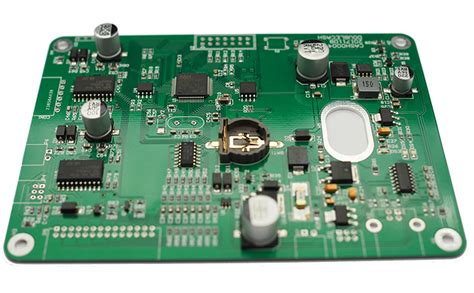
The landscape of board PCBA technology is experiencing significant transformation, driven by several key innovations that enhance both performance and reliability. One of the standout advancements is the integration of high-density interconnect (HDI) designs, which facilitate more routing options and smaller component footprints. This allows for more compact devices without sacrificing functionality. Additionally, the advent of flexible PCBs is reshaping the way products are designed, offering adaptability that traditional rigid board technologies lack. Enhanced materials also play a critical role; high-temperature solder and advanced substrates ensure that pcb assembly can withstand harsher environments and longer lifespans. Furthermore, improvements in automated assembly processes are optimizing production efficiency, significantly reducing defects while speeding up the manufacturing timeline. These innovations not only elevate the performance of electronic components but also set a stage for future developments in the realm of circuit design where performance, efficiency, and sustainability converge to drive forward-thinking solutions in pcb assembly.
Efficiency Enhancements in Modern Circuitry Design
In recent years, the landscape of pcb assembly has evolved significantly, driven by the quest for greater efficiency and performance in electronic devices. The integration of advanced techniques in pcba design has allowed manufacturers to streamline production processes, reduce material waste, and enhance the overall functionality of products. Innovations such as embedded components and fine-pitch technology have enabled designers to create more compact circuit boards while maximizing space utilization. This not only contributes to lighter devices but also facilitates higher density interconnections that improve signal integrity. Furthermore, the adoption of automated inspection and testing methods plays a critical role in ensuring that each assembly meets stringent quality standards, thereby reducing failures and rework rates. As these pcba technologies continue to advance, they promote a more sustainable approach by minimizing resource consumption and optimizing energy efficiency throughout the product lifecycle. By focusing on these key enhancements, the electronics industry is not merely adapting to market demands but actively setting new standards for efficiency that will shape future designs.
Sustainability Practices in PCB Assembly: A Greener Future
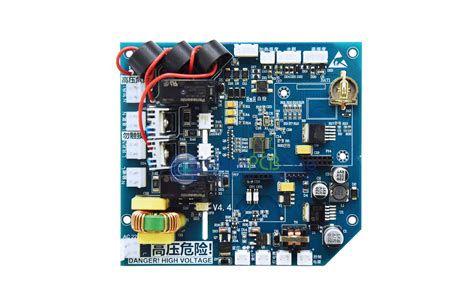
As the demand for more environmentally friendly solutions in electronics grows, sustainability practices in PCB assembly have become a focal point of innovation. The industry is increasingly adopting green materials and processes to minimize its environmental impact. For instance, the shift towards lead-free solder and the use of biodegradable substrates are notable advancements that not only help in reducing toxic waste but also enhance the safety of electronic products. Furthermore, companies are exploring closed-loop systems in their manufacturing processes, allowing for the recycling and reusing of materials, which is crucial for minimizing waste. By investing in energy-efficient technologies, firms are not only optimizing their PCBA operations but also contributing to a more sustainable future. The integration of smart technologies facilitates better monitoring and control over energy use during production, further aligning pcb assembly with global sustainability goals. Ultimately, these practices not only benefit the environment but also position businesses as leaders in a market that increasingly values eco-consciousness and responsibility.
The Role of Automation and AI in Board PCBA Manufacturing
The integration of automation and AI in pcb assembly processes is significantly transforming the landscape of pcba manufacturing. This evolution is largely driven by the need for enhanced precision and efficiency. Automated systems are designed to handle intricate tasks such as component placement, soldering, and inspection with unparalleled accuracy, reducing the likelihood of human error. Moreover, the implementation of machine learning algorithms allows these systems to improve over time, adapting to varying production demands and identifying potential defects at an early stage.
The adoption of AI-driven analytics provides manufacturers with real-time insights into production flows, enabling faster decision-making and optimization of pcb assembly lines. By leveraging data collected from various stages of production, companies can streamline operations, minimize waste, and enhance overall productivity. This not only leads to cost savings but also contributes to a more sustainable approach in manufacturing practices.
Furthermore, as industries evolve towards smaller, more complex devices, the role of automation becomes increasingly essential in managing these intricacies. The combination of automation, AI, and advanced manufacturing techniques supports a seamless transition to next-generation circuitry designs found in modern electronics. As these technologies mature, we can expect even greater advancements that will enhance the capabilities of pcba, ultimately redefining our approach to circuit design and electronic manufacturing as a whole.
Challenges and Solutions in Advanced PCB Assembly Techniques
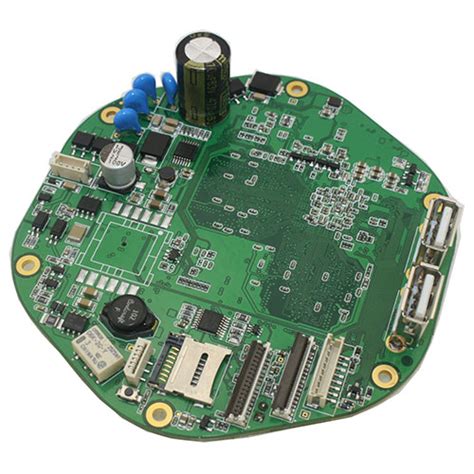
In the rapidly evolving landscape of pcb assembly, several challenges arise that demand innovative solutions to ensure optimal functionality and efficiency. One primary concern is the miniaturization of components, which necessitates a meticulous pcba design process to avoid signal interference and maintain performance. As the size of electronic devices shrinks, achieving a balance between density and functionality becomes increasingly complex. Additionally, the introduction of new materials for better performance often leads to compatibility issues during assembly. To address these challenges, manufacturers are turning to advanced technologies such as automated optical inspection (AOI) and real-time process monitoring that enhance precision in pcb assembly operations. Implementing these technologies not only minimizes defects but also reduces rework costs significantly. Moreover, standardizing processes across different production lines can facilitate smoother transitions when adopting new materials or components. With these proactive strategies, the industry is well-positioned to meet the demands of advanced pcba applications while continuing to innovate for a sustainable future in electronics.
Future Trends Shaping Circuitry and Electronics Industry
As the electronics industry continues to evolve, numerous trends are emerging that will significantly impact pcb assembly and pcba technologies. A notable trend is the push towards miniaturization, where components are becoming smaller yet maintaining or enhancing their performance. This transition demands innovations in manufacturing techniques, such as advanced surface-mount technology (SMT) and improved soldering processes for efficient pcb assembly. Furthermore, integrating flexible circuit boards offers unprecedented design flexibility, allowing for creativity in product development.
Another important trend is the growing focus on renewable energy sources, leading to the integration of sustainable practices within pcba operations. This reflects a wider societal shift towards eco-friendliness, prompting manufacturers to adopt greener materials and production methods that reduce waste and energy consumption.
Additionally, the rise of the Internet of Things (IoT) has created a demand for interconnected devices that rely heavily on sophisticated pcba solutions. As a result, manufacturers are increasingly exploring automation and AI-driven processes to enhance production speed and accuracy. These alterations not only improve operational efficiency but also enable quicker adaptation to market demands.
Overall, these trends indicate a future where pcb assembly is more efficient, sustainable, and adaptable, laying the groundwork for advanced applications across various sectors in electronics.
Case Studies: Successful Implementation of Cutting-Edge Board PCBA Solutions
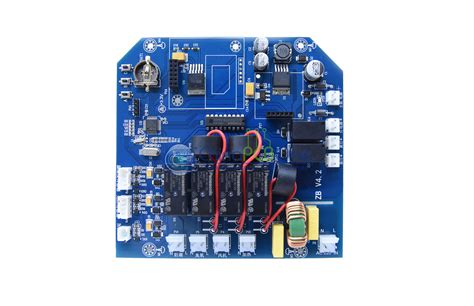
Successful implementation of board PCBA technologies has transformed various industries, demonstrating significant advancements in pcb assembly processes. A notable example includes a leading telecommunications company that adopted a new pcba design to streamline its product lines. By integrating advanced materials and optimized layouts, the company saw a reduction in manufacturing time by 30%, allowing faster go-to-market strategies. Another compelling case is found in the automotive sector, where an innovative pcb assembly solution enabled real-time diagnostics and improved reliability in electric vehicles. This implementation not only enhanced efficiency but also contributed to greater sustainability by reducing waste through more precise parts utilization. These examples underscore the potential of board PCBA innovations to revolutionize performance across various applications, thereby setting the stage for future advancements in circuitry that prioritize both functionality and environmental responsibility. Through continued investment in cutting-edge technologies, industries are witnessing a paradigm shift that improves not only production capabilities but also end-user satisfaction.
Conclusion
As we reflect on the rapid advancements in board PCBA technology, it is clear that the integration of innovative practices has significantly transformed the landscape of electronic circuitry. The continuous evolution of pcb assembly techniques has led to enhancements in both performance and efficiency, making modern devices faster and more reliable. Sustainability is becoming an essential aspect, with manufacturers increasingly adopting eco-friendly practices in their PCBA processes. The implementation of automation, paired with intelligent design solutions, has not only streamlined production but also contributed to higher quality standards in the industry. As we look ahead, emerging trends promise to further influence the field, potentially reshaping how we approach circuit design and assembly. The future of board PCBA holds exciting possibilities that could redefine our interaction with technology, making it more efficient and sustainable than ever before.
FAQs
What is board PCBA technology?
Board PCBA, or Printed Circuit Board Assembly, refers to the process of assembling electronic components onto a printed circuit board to create electronic systems. It plays a crucial role in modern electronics, including consumer products and industrial applications.
Why is PCB assembly important in electronics?
PCB assembly is essential because it enhances the functionality and reliability of electronic devices. The quality of the PCBA directly impacts the overall performance and durability of the final product.
What are some key innovations in board PCBA technology?
Innovations like fine-pitch soldering, advanced materials, and automated assembly processes have significantly improved PCB assembly efficiencies. These advancements allow for smaller, faster, and more reliable electronic components.
How does sustainability impact board PCBA practices?
Emphasis on sustainability has led to eco-friendly manufacturing practices in PCB assembly, such as using lead-free solder and recycling components. These practices are expected to reduce environmental footprints in electronics production.
What role does automation play in board PCBA manufacturing?
Automation enhances precision and reduces production time in PCB assembly, making the manufacturing process more efficient. Machines equipped with AI can also detect defects early, ensuring high-quality output.
For more information on how to implement advanced pcb assembly solutions, please click here: Andwin PCB Assembly.