
Choosing the Right Double-Sided PCB Manufacturer for Your Needs
Key Takeaways
Choosing the right double-sided PCB manufacturer involves considering various key factors that can directly impact the success of your project. First, it’s crucial to evaluate the pcb manufacturing technology utilized by the company. You want a partner who employs modern and efficient techniques to ensure quality and reliability. Next, the materials used in the production process play a significant role; make sure that the manufacturer sources high-grade materials that can withstand operational demands. Additionally, you should assess the manufacturing capabilities and quality standards of potential pcb manufacturing companies; this includes checking for certifications and past project reviews.
Don’t underestimate the impact of Design for Manufacturability (DFM) principles in your workflow, as they can greatly influence the overall efficiency of production. Customer support is another vital aspect—selecting a company that communicates effectively can help resolve issues swiftly and maintain project momentum. Finally, balance pcb manufacturing cost against quality; while it may be tempting to opt for a lower price point, you should always consider how that could affect your product’s performance in the long run. Making informed decisions regarding these factors will help you select a manufacturer that aligns with your project’s specific needs and elevates your pcb manufacturing business to new heights.
Key Factors to Consider When Selecting a Double-Sided PCB Manufacturer
When embarking on your search for a double-sided PCB manufacturer, understanding the key factors that influence your decision is crucial. First, consider the technology behind PCB manufacturing processes. Different manufacturers utilize various technologies, and ensuring that a vendor is equipped with the latest advancements can significantly affect the quality and efficiency of your project. Next, pay attention to the materials they use. High-quality materials are essential for ensuring reliability and performance in your final product.
Make sure to assess the manufacturing capabilities of potential candidates. This involves evaluating their equipment, production speeds, and the potential scalability of their operations as your needs evolve. As you do so, keep an eye on their adherence to quality standards; certifications from industry organizations can be a good indicator of this.
Additionally, don’t overlook the importance of Design for Manufacturability (DFM). A manufacturer who prioritizes DFM can streamline your design processes and reduce overall costs while enhancing product quality. You should also evaluate the level of customer support and communication that manufacturers offer; effective collaboration can lead to smoother project execution.
Lastly, consider the balance between cost-effectiveness and quality. While it may be tempting to choose lower-priced options among PCB manufacturing companies, compromising on quality might lead to greater long-term costs due to failures or redesign needs.
“Always remember that investing in a reputable manufacturer can save you both time and resources down the line.”
In conclusion, taking into account these factors will guide you toward selecting a manufacturer that aligns with your specific needs in double-sided PCB manufacturing while maintaining an optimal balance between cost and quality.
Understanding the Technology Behind Double-Sided PCBs
When delving into double-sided PCB manufacturing, it is essential to grasp the intricacies of the technology used. Double-sided PCBs are designed to accommodate components and wiring on both sides of the board, which can significantly optimize space, enhance performance, and support more complex circuit designs. Understanding this technology involves familiarizing yourself with the layers that make up a double-sided PCB, such as copper layers, substrate materials, and solder mask applications. The manufacturing process typically involves methods like screen printing, etching, and drilling—all of which require precise machinery and skilled technicians to ensure that each unit meets high-quality standards.
Furthermore, when evaluating PCB manufacturing companies, consider their expertise in using advanced technologies like laser drilling and automated assembly. These innovations can lead to improved efficiency and lower PCB manufacturing costs. You’ll want a manufacturer that not only provides quality products but also invests in the latest technologies that enhance both performance and reliability. Being aware of these critical technological aspects can empower you to make informed decisions when selecting a PCB manufacturing business that aligns with your project’s specific requirements. Ultimately, understanding these fundamentals will aid you in achieving a successful design while navigating potential challenges in your project’s lifecycle.
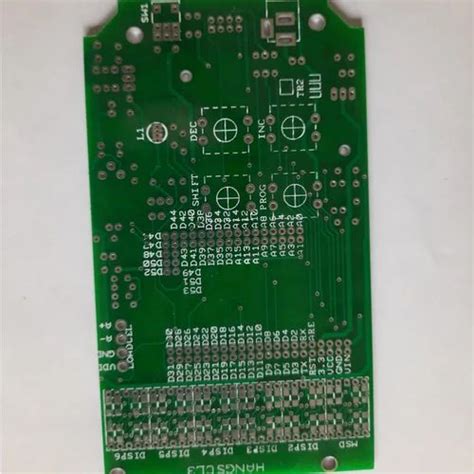
Materials Used in Double-Sided PCB Manufacturing
Understanding the materials used in double-sided PCB manufacturing is vital for selecting the right manufacturer. The choice of materials not only affects the performance of your design but also impacts the overall PCB manufacturing cost. Generally, high-quality FR-4 is the standard substrate used due to its excellent electrical properties and mechanical strength. However, depending on your project’s requirements, you might consider other materials like Polyimide, which can withstand higher temperatures, or CEM-1, a more cost-effective option for simpler designs.
In addition to the substrate, the laminate and copper thickness can significantly influence your design’s reliability and functionality. It’s essential to inquire about the types of laminates available from different PCB manufacturing companies. Some manufacturers may even provide custom blends tailored to specific functions, which can be crucial for specialized applications. Furthermore, consider how different materials respond to environmental factors such as humidity and temperature fluctuations; this can affect the longevity of your product.
By understanding these aspects of double-sided PCB manufacturing, you equip yourself with knowledge that empowers you to engage effectively with potential manufacturers. Selecting a company that aligns well with your material needs not only ensures product quality but can also play a critical role in maintaining competitive pricing within your PCB manufacturing business. Therefore, it’s vital to weigh these material choices carefully as they will have lasting effects on both functionality and cost-efficiency throughout your project’s life cycle.
Assessing Manufacturing Capabilities and Quality Standards
When selecting a double-sided PCB manufacturer, it’s crucial to assess their manufacturing capabilities and quality standards. You want to partner with PCB manufacturing companies that not only possess advanced equipment and technologies but also adhere to strict quality control measures. Look for manufacturers that are certified in industry standards like ISO 9001 or IPC-A-600, as these certifications often indicate a commitment to excellence. Furthermore, inquire about their quality assurance processes; manufacturers that implement rigorous testing phases in their production lines can significantly reduce the likelihood of defects, thereby ensuring a higher degree of reliability in your project’s needs.
Understanding the PCB manufacturing cost is equally important. Manufacturers with sophisticated capabilities may charge more, but these costs often reflect better quality and lower failure rates down the line. A balance must be struck between cost and performance; ensure that you are investing in a PCB manufacturing business that prioritizes both efficiency and quality output. By taking the time to explore these aspects, you can make an informed decision that aligns with your specific project requirements while minimizing risks associated with product failures.

Importance of DFM (Design for Manufacturability) in PCB Production
When selecting a double-sided PCB manufacturer, it is crucial to understand the importance of Design for Manufacturability (DFM) in the PCB manufacturing process. DFM ensures that your design is optimized for efficient production, which directly affects the overall PCB manufacturing cost. A manufacturer that emphasizes DFM can significantly reduce potential production issues, minimizing waste and enhancing yield rates. By collaborating closely with your manufacturer during the design phase, you can ensure that your designs utilize appropriate materials and technologies, which are pivotal when working with specialized PCB manufacturing companies. In fact, a robust DFM approach can identify potential pitfalls early on, enabling you to make revisions that enhance both functionality and manufacturability. This collaboration not only streamlines the production process but also supports your PCB manufacturing business in achieving timely delivery of high-quality products. Thus, when you prioritize DFM principles with your selected manufacturer, you are setting the stage for successful project execution while keeping costs manageable.

Evaluating Customer Support and Communication from Manufacturers
When it comes to selecting the right double-sided PCB manufacturer, the importance of effective customer support and communication cannot be overstated. You’re not just looking at the pcb manufacturing cost; you need to consider how manufacturers will respond to your inquiries and support your project throughout its lifecycle. A responsive pcb manufacturing company demonstrates a commitment to your needs, which can significantly impact your project’s success. Good communication means that you can easily discuss any design changes, quality issues, or time-sensitive matters that may arise during the pcb manufacturing business process. When evaluating potential partners, ask about their communication channels—be it through email, phone calls, or online chat—and assess their responsiveness. This will give you an idea of how supportive they will be once you’ve engaged in business with them. Additionally, look for reviews or testimonials regarding their customer service approach; this can often reveal invaluable insights into their operational ethos and reliability during critical phases of PCB production. By prioritizing manufacturers that emphasize strong customer support and communication, you are not just investing in superior pcb manufacturing services; you’re also ensuring a smoother collaboration that can lead to better project outcomes.

Comparing Cost-Effectiveness vs. Quality in PCB Manufacturing
When navigating the landscape of PCB manufacturing, the balance between cost-effectiveness and quality can be a daunting challenge. You may find it tempting to opt for the lowest price offered by various PCB manufacturing companies, but this approach can sometimes lead to significant trade-offs. Understanding that quality often encompasses more than just the physical attributes of the boards—such as their durability and performance—can guide your decision-making process. Evaluate your project’s requirements carefully: investing in higher-quality materials and advanced manufacturing processes may come with a higher upfront cost, but it often results in a more reliable product that can save you money in repairs or replacements down the line.
Furthermore, assessing PCB manufacturing cost should include an analysis of potential long-term benefits versus initial expenses; a component that excels in quality can increase your product’s longevity and user satisfaction. It’s also wise to consider whether the PCB manufacturing business practices transparent pricing strategies that align with quality standards, which can significantly enhance your production outcomes. By weighing these factors thoughtfully, you will enable yourself to make informed decisions that not only meet your budget constraints but also ensure the final product can withstand rigorous testing and fulfill its intended purpose effectively.
Conclusion
When embarking on the journey of selecting a double-sided PCB manufacturer, it is crucial to keep in mind the various elements that will influence your project’s success. Understanding PCB manufacturing processes and the technology behind double-sided designs can significantly affect your outcomes. Prioritize PCB manufacturing companies that openly communicate their capabilities and provide detailed insights into their production methods. Moreover, evaluating the PCB manufacturing cost against provided quality is essential; a balance between affordability and performance should guide your decision-making. You should also consider how each potential manufacturer approaches Design for Manufacturability (DFM), as this can streamline production and reduce waste in your PCB manufacturing business. By factoring in these considerations, you ensure that you partner with a manufacturer that aligns with your project’s specific requirements while optimizing quality and cost.
FAQs
What is a double-sided PCB?
A double-sided PCB is a printed circuit board that allows electronic components to be mounted on both sides, maximizing space and functionality for your project.
Why should I consider double-sided PCBs over single-sided ones?
Double-sided designs enhance pcb manufacturing capabilities by allowing for more complex circuits in a smaller area, thus improving performance and optimizing the pcb manufacturing cost.
How can I ensure the quality of the double-sided PCB?
Look for pcb manufacturing companies that adhere to industry standards, offer detailed specifications about their manufacturing processes, and provide certifications to back their quality assurances.
What materials are typically used in double-sided PCB production?
Common materials include FR-4, Copper, and Polyimide, each selected based on their respective properties that suit your project requirements.
How do I evaluate the capabilities of a manufacturer?
Ask about their pcb manufacturing business practices, production volume capacity, equipment quality, and previous experience with similar projects to gauge their specific strengths.
Are there hidden costs associated with double-sided PCB manufacturing I should be aware of?
Yes, factors like prototyping fees, tooling costs, and shipping can influence the overall pcb manufacturing cost, so it’s crucial to discuss these up front with potential manufacturers.