
Metal core pcb sample prototype
Advantages Of Metal Core PCB sample Prototypes In High-Power Applications
Metal core printed circuit boards (PCBs) have emerged as a pivotal innovation in the realm of high-power applications, offering a range of advantages that make them indispensable in various industries. As electronic devices continue to evolve, the demand for efficient thermal management and enhanced durability has become increasingly critical. Metal core PCBs, with their unique construction, address these needs effectively, making them a preferred choice for engineers and designers working on high-power applications.
One of the primary advantages of metal core PCBs is their superior thermal conductivity.
Unlike traditional PCBs, which are typically made from materials like fiberglass, metal core PCBs incorporate a metal layer, usually aluminum or copper, that acts as a heat sink. This metal layer efficiently dissipates heat away from critical components, thereby reducing the risk of overheating and ensuring the longevity of the device. In high-power applications, where components can generate significant amounts of heat, this capability is particularly beneficial. By maintaining optimal operating temperatures, metal core PCBs help prevent thermal-related failures, thus enhancing the reliability of the entire system.
In addition to their thermal management capabilities, metal core PCBs offer improved mechanical stability.
The metal layer provides a robust foundation that enhances the structural integrity of the board. This is especially important in applications where the PCB may be subjected to mechanical stress or vibration. The enhanced durability of metal core PCBs ensures that they can withstand harsh operating conditions without compromising performance. Consequently, they are well-suited for use in automotive, aerospace, and industrial applications, where reliability and durability are paramount.
Furthermore, metal core PCBs contribute to the miniaturization of electronic devices.
As the demand for compact and lightweight devices continues to grow, engineers are tasked with finding ways to integrate more functionality into smaller spaces. The efficient heat dissipation properties of metal core PCBs allow for higher component density without the risk of overheating. This enables designers to create more compact and efficient designs, meeting the ever-increasing consumer demand for smaller, more powerful devices.
Moreover, the use of metal core PCBs can lead to cost savings in the long run.
While the initial cost of manufacturing metal core PCBs may be higher than that of traditional PCBs, their enhanced thermal management and durability can result in lower maintenance and replacement costs over time. Devices that operate efficiently and reliably are less likely to require frequent repairs or replacements, ultimately reducing the total cost of ownership. This economic advantage makes metal core PCBs an attractive option for companies looking to optimize their production processes and reduce long-term expenses.
In conclusion, the advantages of metal core PCB prototypes in high-power applications are manifold. Their superior thermal conductivity, mechanical stability, contribution to device miniaturization, and potential for cost savings make them an invaluable asset in the design and development of modern electronic devices. As technology continues to advance and the demand for high-performance, reliable devices grows, metal core PCBs are poised to play an increasingly important role in meeting these challenges. By leveraging the unique benefits of metal core PCBs, engineers and designers can create innovative solutions that push the boundaries of what is possible in high-power applications.
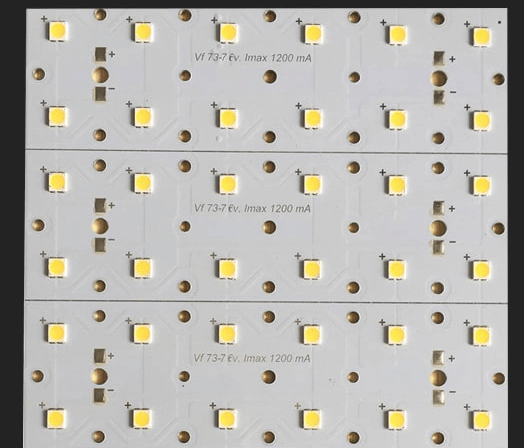
Designing Efficient Metal Core PCB Samples For Thermal Management
In the realm of electronics, the demand for efficient thermal management solutions has become increasingly critical, particularly as devices continue to shrink in size while their power requirements grow. One innovative solution that has emerged to address this challenge is the metal core printed circuit board (MCPCB). These boards are specifically designed to enhance heat dissipation, making them ideal for applications where thermal management is paramount. As we delve into the intricacies of designing efficient metal core PCB samples, it is essential to understand the fundamental principles that guide their development.
At the heart of an MCPCB is its metal core, typically composed of aluminum or copper, which serves as a heat sink to draw heat away from critical components.
This core is sandwiched between layers of dielectric material and copper circuitry, creating a robust structure that efficiently conducts heat. The choice of metal is crucial, as it directly impacts the board’s thermal conductivity. Aluminum, for instance, is favored for its lightweight properties and cost-effectiveness, while copper offers superior thermal performance at a higher cost. Consequently, selecting the appropriate metal core material is a pivotal decision in the design process.
Transitioning from material selection to the design phase, engineers must consider the layout of the PCB to optimize thermal performance.
This involves strategically placing heat-generating components, such as power transistors and LEDs, in proximity to the metal core. By doing so, heat is efficiently transferred away from these components, reducing the risk of overheating and ensuring the longevity of the device. Additionally, the use of thermal vias—small holes filled with conductive material—can further enhance heat dissipation by providing a direct path for heat to travel from the surface of the board to the metal core.
Moreover, the thickness of the dielectric layer plays a significant role in the thermal management capabilities of an MCPCB.
A thinner dielectric layer allows for more efficient heat transfer, but it must be balanced with the need for electrical insulation. Therefore, careful consideration must be given to the dielectric material’s thermal conductivity and breakdown voltage to ensure optimal performance without compromising safety.
As we move forward in the design process, it is imperative to prototype and test MCPCB samples to validate their thermal management capabilities.
Prototyping allows engineers to assess the board’s performance under real-world conditions, identifying any potential issues that may arise. This stage is crucial for refining the design, as it provides valuable insights into the board’s thermal behavior and highlights areas for improvement. By iterating on the design based on prototype testing results, engineers can fine-tune the MCPCB to achieve the desired balance between thermal performance and cost-effectiveness.
In conclusion, designing efficient metal core PCB samples for thermal management is a multifaceted process that requires careful consideration of material selection, layout design, and prototyping. By leveraging the unique properties of metal cores and employing strategic design techniques, engineers can create PCBs that effectively manage heat, ensuring the reliability and longevity of electronic devices. As technology continues to advance, the role of MCPCBs in thermal management will undoubtedly become even more critical, underscoring the importance of innovative design and testing methodologies in this ever-evolving field.
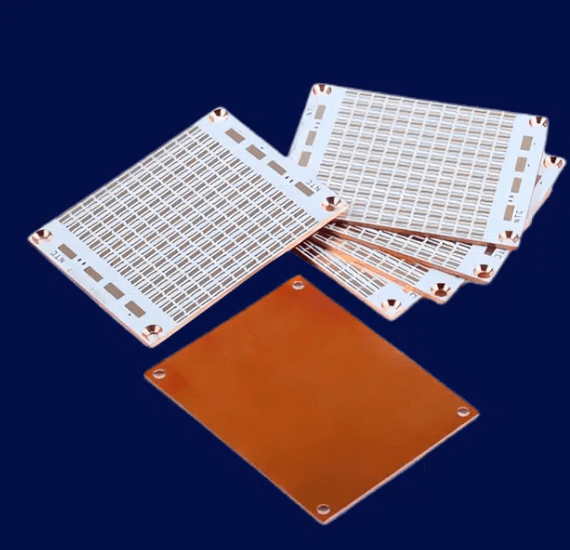
Key Considerations When Prototyping Metal Core PCBs
When embarking on the journey of prototyping metal core printed circuit boards (PCBs), several key considerations must be taken into account to ensure the success of the project. Metal core PCBs, known for their superior thermal management capabilities, are increasingly utilized in applications where heat dissipation is critical, such as in LED lighting, power supplies, and automotive electronics. As such, understanding the unique properties and requirements of these PCBs is essential for engineers and designers.
To begin with, the choice of metal core material is a fundamental consideration.
Typically, aluminum and copper are the most common materials used due to their excellent thermal conductivity. Aluminum is often preferred for its balance of cost-effectiveness and performance, while copper, although more expensive, offers superior thermal and electrical conductivity. The selection of the core material should align with the specific thermal and mechanical requirements of the application, as well as budget constraints.
In addition to material selection, the thickness of the metal core is another critical factor.
The core thickness directly influences the PCB’s ability to dissipate heat. A thicker core can handle higher thermal loads, but it may also increase the overall weight and cost of the PCB. Therefore, it is crucial to strike a balance between thermal performance and other design considerations, such as weight and cost, to achieve an optimal solution.
Furthermore, the design of the circuit layout plays a significant role in the effectiveness of a metal core PCB.
Proper layout design can enhance heat dissipation and improve the overall performance of the PCB. This involves strategically placing components to minimize thermal resistance and ensure efficient heat transfer from heat-generating components to the metal core. Additionally, the use of thermal vias can further aid in heat dissipation by providing a direct thermal path from the surface components to the metal core.
Another important aspect to consider is the manufacturing process.
Metal core PCBs require specialized fabrication techniques due to their unique structure. It is essential to work with a manufacturer experienced in producing metal core PCBs to ensure high-quality prototypes. The manufacturing process should be carefully planned to accommodate the specific requirements of the metal core, such as drilling and plating, which differ from those of traditional PCBs.
Moreover, testing and validation are crucial steps in the prototyping phase.
Rigorous testing should be conducted to verify the thermal performance and reliability of the metal core PCB under various operating conditions. This may include thermal cycling tests, power cycling tests, and other stress tests to ensure that the PCB can withstand the demands of its intended application.
Finally, it is important to consider the environmental impact and sustainability of the metal core PCB.
As industries move towards more sustainable practices, selecting materials and processes that minimize environmental impact is becoming increasingly important. This includes considering the recyclability of the materials used and the energy efficiency of the manufacturing process.
In conclusion, prototyping metal core PCBs involves a comprehensive evaluation of material selection, core thickness, circuit layout design, manufacturing processes, and testing protocols. By carefully considering these factors, engineers and designers can develop effective and reliable metal core PCB prototypes that meet the specific needs of their applications while also aligning with broader sustainability goal.
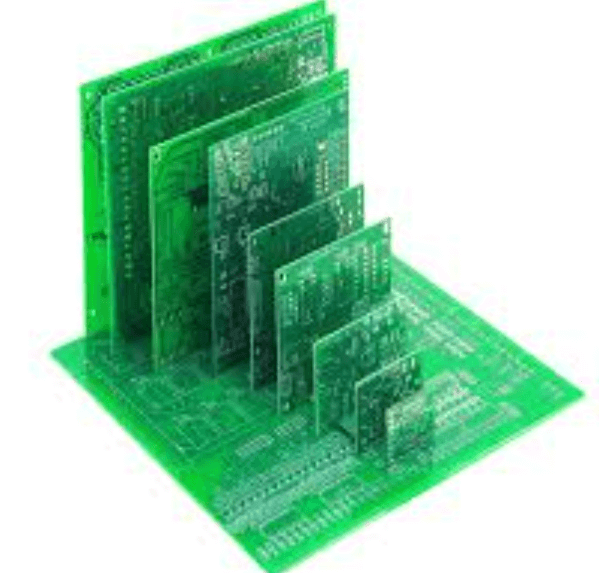
Innovations In Metal Core PCB Prototyping Techniques
In recent years, the electronics industry has witnessed significant advancements in the development and application of metal core printed circuit boards (PCBs). These innovations have been driven by the increasing demand for efficient thermal management solutions in high-power electronic devices. Metal core PCBs, characterized by their ability to dissipate heat more effectively than traditional PCBs, have become a focal point for engineers and designers seeking to enhance the performance and reliability of electronic components. As a result, the prototyping techniques for metal core PCBs have evolved, offering new possibilities and efficiencies in the design and manufacturing processes.
One of the most notable innovations in metal core PCB prototyping is the integration of advanced computer-aided design (CAD) software.
This software allows engineers to simulate and analyze thermal performance during the design phase, thereby reducing the likelihood of errors and inefficiencies in the final product. By utilizing CAD tools, designers can optimize the layout of components on the PCB, ensuring that heat is distributed evenly and effectively dissipated. This not only enhances the performance of the device but also extends its lifespan by preventing overheating and potential damage to sensitive components.
In addition to CAD software, the use of 3D printing technology has revolutionized the prototyping process for metal core PCBs.
3D printing enables the rapid production of prototype boards, allowing engineers to test and refine their designs in a fraction of the time required by traditional manufacturing methods. This technology also facilitates the creation of complex geometries and structures that would be difficult or impossible to achieve with conventional techniques. Consequently, 3D printing has become an invaluable tool in the development of innovative metal core PCB designs, providing engineers with the flexibility to experiment and iterate quickly.
Moreover, advancements in materials science have played a crucial role in the evolution of metal core PCB prototyping.
The development of new metal alloys and composites has led to the creation of PCBs with enhanced thermal conductivity and mechanical strength. These materials not only improve the performance of the PCB but also allow for greater design flexibility, enabling engineers to create thinner and lighter boards without compromising on durability or heat dissipation capabilities. As a result, metal core PCBs are now being used in a wider range of applications, from automotive and aerospace to consumer electronics and renewable energy systems.
Furthermore, the adoption of automated manufacturing processes has streamlined the production of metal core PCB prototypes.
Automation reduces the risk of human error and ensures consistent quality across multiple iterations of a design. This is particularly important in the prototyping phase, where precision and accuracy are paramount. Automated processes also allow for greater scalability, enabling manufacturers to produce large quantities of prototypes quickly and cost-effectively.
In conclusion, the innovations in metal core PCB prototyping techniques have significantly enhanced the capabilities and applications of these critical components. Through the integration of advanced CAD software, 3D printing technology, new materials, and automated manufacturing processes, engineers and designers are now able to create more efficient, reliable, and versatile metal core PCBs. As the demand for high-performance electronic devices continues to grow, these innovations will undoubtedly play a pivotal role in shaping the future of the electronics industry, driving further advancements in technology and design.