
Metal core pcb construction
Advantages Of Metal Core PCB construction on Thermal Management
Metal core printed circuit boards (PCBs) have emerged as a pivotal innovation in the realm of electronic design, particularly in applications where thermal management is of paramount importance. These PCBs are distinguished by their unique construction, which incorporates a metal core, typically aluminum or copper, to enhance heat dissipation. This distinctive feature offers several advantages, making metal core PCBs an ideal choice for high-power applications and environments where thermal regulation is critical.
One of the primary advantages of metal core PCBs in thermal management is their superior heat dissipation capability.
Traditional PCBs, often made from fiberglass or other non-metallic substrates, can struggle to effectively manage the heat generated by high-power components. In contrast, the metal core in these specialized PCBs acts as a heat sink, efficiently conducting heat away from the components and distributing it across the board. This efficient heat transfer reduces the risk of overheating, thereby enhancing the reliability and longevity of electronic devices.
Moreover, the enhanced thermal conductivity of metal core PCBs allows for higher power densities.
This means that designers can pack more components into a smaller space without compromising on performance or risking thermal failure. As electronic devices continue to shrink in size while increasing in functionality, this capability becomes increasingly valuable. The ability to maintain optimal operating temperatures in compact designs is crucial, particularly in industries such as automotive, aerospace, and consumer electronics, where space is at a premium.
In addition to improved heat dissipation, metal core PCBs offer increased mechanical stability.
The metal core provides a robust foundation that can withstand mechanical stress and thermal cycling, which are common in high-power applications. This durability ensures that the PCB maintains its structural integrity over time, even under challenging conditions. Consequently, devices that incorporate metal core PCBs are less prone to failure due to mechanical fatigue or thermal expansion, further enhancing their reliability.
Furthermore, the use of metal core PCBs can lead to cost savings in the long run.
By effectively managing heat, these PCBs reduce the need for additional cooling mechanisms, such as fans or heat sinks, which can add to the overall cost and complexity of a device. Additionally, the improved reliability and longevity of devices using metal core PCBs can result in lower maintenance and replacement costs, offering a compelling economic advantage.
It is also worth noting that metal core PCBs contribute to energy efficiency.
By maintaining optimal operating temperatures, these PCBs help ensure that electronic components function at their highest efficiency, reducing energy consumption. This is particularly important in applications where energy efficiency is a critical consideration, such as in LED lighting and renewable energy systems.
In conclusion, the advantages of metal core PCBs in thermal management are manifold. Their superior heat dissipation capabilities, combined with increased mechanical stability and potential cost savings, make them an attractive option for a wide range of high-power applications. As the demand for compact, efficient, and reliable electronic devices continues to grow, the role of metal core PCBs in thermal management is likely to become even more significant, driving further innovation and adoption in the industry.
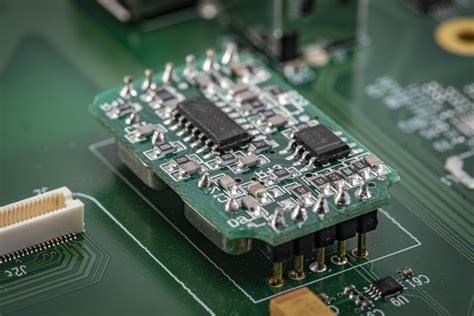
Step-By-Step Guide To Metal Core PCB Manufacturing
Metal core printed circuit boards (PCBs) are increasingly popular in applications requiring efficient heat dissipation, such as LED lighting, power converters, and automotive systems. The construction of metal core PCBs involves several meticulous steps, each crucial to ensuring the final product’s performance and reliability. This guide provides a comprehensive overview of the manufacturing process, highlighting the key stages and considerations involved.
The process begins with selecting the appropriate materials.
A metal core PCB typically consists of a metal base, usually aluminum or copper, which provides excellent thermal conductivity. This metal base is laminated with a dielectric layer, which electrically insulates the metal from the circuit layer while allowing heat to pass through. The choice of dielectric material is critical, as it must offer both high thermal conductivity and electrical insulation.
Once the materials are selected, the next step is to design the circuit layout.
This involves using computer-aided design (CAD) software to create a detailed blueprint of the circuit paths, component placements, and other essential features. The design must account for the unique thermal management properties of the metal core, ensuring that heat-generating components are strategically placed to optimize heat dissipation.
Following the design phase, the manufacturing process moves to the fabrication of the circuit layer.
This typically involves a process known as photolithography, where a photosensitive film is applied to the copper layer. The circuit design is then transferred onto the film using ultraviolet light, which hardens the exposed areas. The unhardened areas are subsequently etched away, leaving behind the desired circuit pattern.
With the circuit layer prepared, the next step is to laminate it onto the metal core.
This involves aligning the circuit layer with the metal base and dielectric layer, then applying heat and pressure to bond them together. The lamination process must be carefully controlled to prevent any misalignment or defects that could compromise the PCB’s performance.
After lamination, the PCB undergoes drilling to create holes for component leads and vias, which are used to connect different layers of the circuit.
Precision is paramount during this stage, as any errors can lead to connectivity issues or mechanical failures. Once drilling is complete, the holes are plated with copper to ensure electrical conductivity.
The next stage involves applying a solder mask, which is a protective layer that prevents solder from bridging between conductive traces and causing short circuits. The solder mask is typically applied using a screen-printing process, followed by curing to harden the material. This step is crucial for ensuring the durability and reliability of the PCB in various operating conditions.
Finally, the PCB undergoes surface finishing, which involves applying a protective coating to the exposed copper areas. Common finishes include HASL (Hot Air Solder Leveling), ENIG (Electroless Nickel Immersion Gold), and OSP (Organic Solderability Preservatives), each offering different advantages in terms of solderability and corrosion resistance.
In conclusion, the construction of metal core PCBs is a complex process that requires careful attention to detail at every stage. From material selection and circuit design to lamination and finishing, each step plays a vital role in ensuring the final product meets the stringent demands of modern electronic applications. By understanding these processes, manufacturers can produce high-quality metal core PCBs that deliver superior thermal performance and reliability.
Comparing Metal Core PCB To Traditional PCB Materials
Metal core printed circuit boards (PCBs) have emerged as a significant innovation in the electronics industry, offering distinct advantages over traditional PCB materials. To understand the benefits and applications of metal core PCBs, it is essential to compare them with their conventional counterparts, which are typically composed of materials like FR-4, a composite of woven fiberglass cloth with an epoxy resin binder. This comparison highlights the unique properties and potential applications of metal core PCBs, particularly in environments where thermal management is crucial.
One of the most notable differences between metal core PCBs and traditional PCBs is their thermal conductivity.
Metal core PCBs, often constructed with a base layer of aluminum or copper, provide superior heat dissipation compared to the insulating materials used in standard PCBs. This enhanced thermal performance is particularly beneficial in applications where high power and heat generation are prevalent, such as in LED lighting, power supplies, and automotive electronics. By efficiently transferring heat away from critical components, metal core PCBs help prevent overheating and extend the lifespan of electronic devices.
In addition to thermal management, metal core PCBs offer improved mechanical stability.
The metal substrate provides a robust foundation that can withstand mechanical stress and vibration better than traditional PCB materials. This characteristic makes metal core PCBs an ideal choice for applications in harsh environments, such as industrial machinery and aerospace systems, where reliability and durability are paramount. Furthermore, the rigidity of metal core PCBs can reduce the risk of warping and bending, which can be a concern with larger or more complex traditional PCBs.
Despite these advantages, there are certain considerations to keep in mind when opting for metal core PCBs.
One such consideration is the cost. Metal core PCBs are generally more expensive to manufacture than traditional PCBs due to the materials and processes involved. This cost factor can be a limiting factor for some applications, particularly those where budget constraints are a primary concern. However, the long-term benefits of improved thermal management and reliability may offset the initial investment in many cases.
Another aspect to consider is the design flexibility.
Traditional PCBs offer greater versatility in terms of layer count and complexity, as they can be easily fabricated with multiple layers to accommodate intricate circuit designs. Metal core PCBs, on the other hand, are typically limited to fewer layers due to the challenges associated with drilling and plating through the metal substrate. This limitation may necessitate design compromises or alternative solutions in certain applications.
In conclusion, the choice between metal core PCBs and traditional PCB materials depends largely on the specific requirements of the application. Metal core PCBs excel in scenarios where thermal management and mechanical stability are critical, offering a robust solution for high-power and high-reliability environments. However, the higher cost and design constraints associated with metal core PCBs may make traditional materials more suitable for applications where these factors are less of a concern. By carefully evaluating the needs of a given project, engineers and designers can make informed decisions that leverage the strengths of each type of PCB material, ultimately enhancing the performance and longevity of electronic devices.
Applications Of Metal Core PCB In High-Power Electronics
Metal core printed circuit boards (PCBs) have emerged as a pivotal innovation in the realm of high-power electronics, offering a robust solution to the thermal management challenges that often accompany such applications. These PCBs are distinguished by their unique construction, which incorporates a metal substrate, typically aluminum or copper, to enhance heat dissipation. This characteristic makes them particularly suitable for applications where efficient thermal management is crucial to maintaining performance and reliability.
One of the primary applications of metal core PCBs is in the field of LED lighting.
As LEDs are increasingly favored for their energy efficiency and longevity, the need to manage the heat they generate has become paramount. Metal core PCBs provide an effective means of dissipating this heat, thereby extending the lifespan of LED components and maintaining their luminous efficacy. The metal substrate acts as a heat sink, drawing heat away from the LED chips and distributing it across a larger surface area. This capability is especially beneficial in high-power LED applications, such as street lighting, automotive headlights, and industrial lighting systems, where maintaining optimal operating temperatures is critical.
In addition to LED lighting, metal core PCBs are extensively used in power conversion systems.
These systems, which include power supplies and converters, often operate under high current and voltage conditions, generating significant amounts of heat. The thermal conductivity of metal core PCBs ensures that this heat is efficiently managed, reducing the risk of thermal overload and enhancing the overall reliability of the system. By facilitating effective heat dissipation, these PCBs help maintain the integrity of power conversion components, such as transformers and inductors, which are susceptible to thermal stress.
Furthermore, metal core PCBs find applications in the automotive industry, particularly in electric vehicles (EVs) and hybrid electric vehicles (HEVs).
The power electronics in these vehicles, including motor controllers and battery management systems, require efficient thermal management to function optimally. Metal core PCBs provide the necessary thermal performance to support these high-power applications, ensuring that the electronic components remain within safe operating temperatures. This is crucial for the reliability and safety of EVs and HEVs, where electronic failures can have significant consequences.
Another notable application of metal core PCBs is in telecommunications equipment.
As the demand for faster data transmission and higher bandwidth continues to grow, telecommunications infrastructure must handle increased power levels. Metal core PCBs are employed in base stations, routers, and other communication devices to manage the heat generated by high-frequency signals and power amplifiers. By maintaining stable temperatures, these PCBs contribute to the consistent performance and longevity of telecommunications equipment.
Moreover, metal core PCBs are utilized in industrial applications, such as motor drives and inverters, where high power and heat dissipation are inherent challenges.
The ability of these PCBs to efficiently manage heat ensures that industrial systems operate reliably, even under demanding conditions. This is particularly important in environments where equipment downtime can lead to significant productivity losses.
In conclusion, the construction of metal core PCBs offers a compelling solution to the thermal management challenges faced in high-power electronics. Their application across various industries, from LED lighting and power conversion to automotive and telecommunications, underscores their versatility and effectiveness. As technology continues to advance, the role of metal core PCBs in ensuring the reliability and efficiency of high-power electronic systems is likely to become even more pronounced.