
Efficient Strategies for Control Board Assembly Success
Key Takeaways
In the rapidly evolving field of pcb assembly, several critical factors contribute to the success of control board assembly operations. First and foremost, adopting best practices is essential for streamlining assembly processes. These practices not only involve meticulous planning and organization but also the integration of effective tools tailored for pcba tasks. For instance, using automated machinery can significantly reduce manual errors, allowing for more consistent production quality. Additionally, training staff to recognize potential pitfalls is crucial; fostering an environment of continuous learning can lead to immediate improvements in assembly accuracy. Furthermore, implementing robust quality assurance protocols ensures every control board meets stringent industry standards before it reaches the market. Lastly, analyzing case studies of successful implementations offers valuable insights into innovative techniques that foster adaptability and growth within the industry. By focusing on these essential aspects, teams can enhance operational efficiency while ensuring the production of high-quality control boards.
Introduction to Control Board Assembly
Control board assembly, commonly referred to as PCB assembly or PCBA, is a critical process in the manufacturing of electronic devices. This process involves the integration of various electronic components onto a printed circuit board (PCB), which serves as the backbone of any electronic system. Understanding the intricacies of control board assembly is essential for companies aiming to optimize their production lines. Successful PCBA not only requires precision and attention to detail but also a strategic approach to streamline operations. By implementing effective techniques and utilizing appropriate tools, manufacturers can enhance efficiency, minimize errors, and ensure that the final product meets high-quality standards. This initial exploration sets the stage for a deeper understanding of best practices that can significantly improve the overall assembly process and differentiate successful operations in a competitive market. Whether it’s assessing component placement or ensuring robust solder joints, mastering the fundamentals of control board assembly is paramount for achieving operational excellence and driving innovation in electronic manufacturing.
Best Practices for Streamlining Assembly Processes
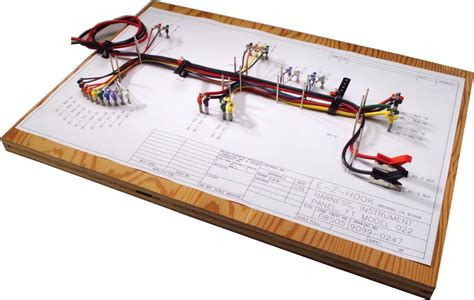
To achieve success in control board assembly (often referred to as pcb assembly or pcba), implementing best practices is essential. A well-organized assembly line can significantly increase productivity and minimize errors. Start with a thorough layout of the workspace, ensuring that tools and materials are easily accessible. This organization reduces the time spent searching for components, allowing for smoother transitions between assembly stages.
Additionally, utilizing standardized processes is crucial. This includes developing clear instructions that can be easily followed by all team members, maintaining consistency in the quality of output, and minimizing variability in the assembly process. Integrating automation where possible can also enhance efficiency; automated soldering or component placement can reduce manual errors while increasing speed.
Moreover, training plays a pivotal role in streamlining processes. By investing in regular skills development for employees, teams become more adept at recognizing potential issues early on—further decreasing error rates and production delays.
“A systematic approach to pcb assembly will not only enhance efficiency but also build confidence within the team.”
Finally, regular reviews of the assembly process help identify bottlenecks or areas for improvement. Continuous refinement not only boosts overall quality but fosters a culture of excellence within your operations. By adhering to these best practices in your pcb assembly process, you can ensure more reliable results and enhance operational performance significantly.
Essential Tools for Efficient Control Board Assembly
In the realm of pcb assembly, selecting the right tools is critical to achieving success in assembly operations. The efficient execution of control board assembly can be significantly enhanced through the use of specialized equipment and software. For instance, soldering stations equipped with temperature control capabilities ensure optimal connection quality while minimizing damage to components. Moreover, employing automated pick-and-place machines can drastically reduce assembly time and improve accuracy in placing components onto the pcb.
In addition to hardware, software tools such as design verification programs are essential for pre-assembly checks, allowing teams to identify potential issues before they arise. Integrating these tools not only streamlines workflows but also contributes to the overall quality of pcba projects. Be sure to maintain a balance between technology and hands-on skills; trained personnel are vital for operating these tools effectively. Investing in both advanced and traditional assembly techniques will lead to a more robust and error-resistant assembly process, ultimately ensuring high-quality results that meet client expectations. As you streamline your operations, remember that these essential tools will serve as a foundation for establishing an efficient and effective control board assembly workflow.
Techniques to Minimize Errors in Assembly Operations
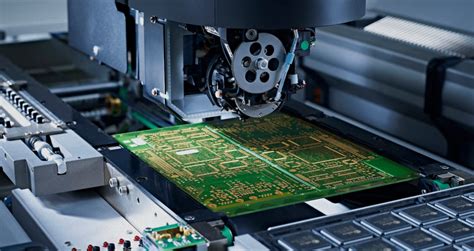
In the complex world of pcb assembly, minimizing errors is crucial to achieving high-quality results and maintaining efficiency throughout the process. One of the most effective techniques is implementing a thorough visual inspection system at various stages of assembly. This proactive approach allows teams to identify and address potential issues before products reach the final quality control phase. Additionally, employing automated tools for part placement can significantly reduce human error, ensuring that components are consistently positioned with precision.
Another important strategy involves standardizing work instructions and utilizing checklists that guide operators through each step of the pcba process. By adhering to these documented procedures, teams can minimize discrepancies and enhance team performance. Training staff on the specific nuances of each assembly task further bolsters consistency, as well-trained employees are less likely to make mistakes.
Furthermore, embracing a culture of continuous improvement encourages teams to regularly assess their processes for potential error sources. This ongoing evaluation enables companies to implement timely interventions, whether through modifying workflow or upgrading tools used in control board assembly. Finally, leveraging software solutions that track errors and provide real-time feedback can empower workers and supervisors alike to address challenges before they escalate, culminating in a more efficient and error-free assembly operation overall.
Quality Assurance in Control Board Production
Quality assurance in pcb assembly is essential for ensuring that the final product meets industry standards and customer expectations. The intricate nature of pcba means that even minor defects can lead to significant operational issues down the line. Implementing a robust quality assurance (QA) strategy helps in detecting errors early in the assembly process.
One effective method is to utilize automated optical inspection (AOI) systems, which can quickly identify misalignments, soldering issues, or other defects with high precision. This technology not only streamlines the QA process but also reduces manual inspection errors. Additionally, adopting statistical process control (SPC) provides valuable insights into production trends and helps maintain consistent quality levels.
To further enhance your QA efforts, it is vital to establish a detailed checklist for each phase of the pcba process. This checklist should encompass critical elements such as component placement accuracy and solder joint integrity.
| Key QA Techniques | Description |
|---|---|
| Automated Optical Inspection (AOI) | Uses cameras to verify component placement and solder quality |
| Statistical Process Control (SPC) | Monitors production trends to ensure consistent quality |
| Comprehensive Checklists | Guides operators through essential quality checkpoints |
By incorporating these techniques into your control board assembly process, you can reduce the likelihood of defects, enhance reliability, and ultimately deliver superior products to your customers. The focus on rigorous QA practices not only leads to better operational efficiency but also reinforces your company’s reputation for excellence in the competitive landscape of electronics manufacturing.
Case Studies: Successful Control Board Assembly Implementations
Exploring real-world examples of pcb assembly can provide valuable insights into optimizing assembly processes. One noteworthy case involved a mid-sized electronics company that implemented a streamlined pcba operation, significantly reducing lead times and costs. By adopting a modular approach, they identified specific segments of their assembly that could benefit from automation. This intentional restructuring embraced essential tools, such as automated pick-and-place machines, which not only increased the speed of assembly but also minimized the risk of human error.
Another case study highlighted a firm that focused on strict quality assurance protocols. They utilized an iterative testing process during their production of control boards, leading to improved defect detection rates before installation. Their emphasis on quality at every stage fostered a culture of accountability and precision within their teams. As these companies continue to innovate and apply new techniques, the lessons learned from these implementations serve as a roadmap for others looking to enhance their control board assembly processes.
Through careful examination of these successful examples, it becomes clear that embracing new strategies and technologies in pcb assembly not only improves efficiency but also fortifies the overall reliability and effectiveness of products in the market.
Future Trends in Control Board Assembly Techniques
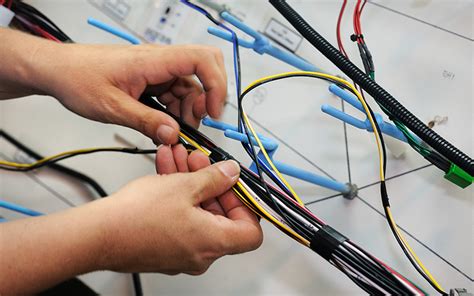
As technology continues to evolve, the landscape of control board assembly (or pcb assembly) is undergoing significant changes. One notable trend is the increasing integration of automation in the assembly process. Automated systems not only enhance the speed of production but also improve precision, thereby reducing the incidence of errors in pcba operations. Additionally, advancements in robotics are leading to more sophisticated assembly techniques that can handle complex PCBs with ease. The rise of artificial intelligence and machine learning is also paving the way for smart assembly lines that can adapt to varying production demands, optimizing workflow and resource allocation.
Another trend is the growing emphasis on sustainable practices within pcb assembly processes. Companies are increasingly adopting green technologies that minimize waste and energy consumption. This shift not only aligns with global environmental standards but also appeals to a more eco-conscious consumer base.
Moreover, as products become more interconnected through the Internet of Things (IoT), control board assemblies are evolving to accommodate advanced connectivity features. This necessitates an upgrade in manufacturing techniques to ensure that pcba designs are versatile and support various communication protocols.
In conclusion, staying ahead in control board assembly requires a keen awareness of these emerging trends. By leveraging automation, embracing sustainability, and adapting to new technologies, businesses can bolster their efficiency and maintain a competitive edge in an ever-evolving market.
Conclusion and Key Takeaways for Enhanced Efficiency
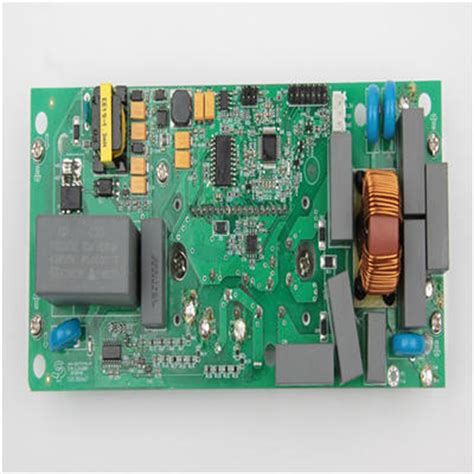
In summary, achieving efficiency in PCB assembly (PCBA) processes is essential for maximizing productivity and ensuring high-quality outcomes. By implementing best practices, such as meticulous planning and organized workflow schedules, teams can significantly improve their assembly operations. Utilizing advanced tools like automated soldering stations and inspection systems also plays a crucial role in enhancing the quality of the final product while minimizing errors. Moreover, adopting techniques that focus on thorough training for operators can drastically reduce the likelihood of mistakes during assembly. Regular quality checks will not only guarantee that PCBA meets stringent standards but also foster continuous improvement in production practices. Ultimately, staying informed about future trends will enable businesses to adapt quickly and maintain a competitive edge in the ever-evolving landscape of control board assembly.
Conclusion and Key Takeaways for Enhanced Efficiency
In summary, understanding the intricacies of control board assembly is pivotal for achieving superior results in PCB assembly, or PCBA. By implementing well-defined best practices and utilizing the right tools, manufacturers can streamline their processes significantly. The integration of modern techniques not only minimizes errors but also enhances the overall quality of the assembly. Among these, robust quality assurance measures ensure that each batch meets established standards. Continuous assessment and adaptation of these strategies will empower organizations to remain competitive in this fast-evolving industry. Moving forward, embracing future trends in control board assembly will be essential for sustaining growth and innovation in PCB production, guaranteeing high-quality outcomes that meet customer expectations.
FAQs
What is control board assembly?
Control board assembly, often referred to as pcb assembly or pcba, involves the process of assembling printed circuit boards by mounting electronic components onto them. This process is crucial for creating functional electronic products.
What are the common challenges in control board assembly?
Some prevalent challenges include minimizing production errors, ensuring precise alignment of components, and maintaining high standards of quality assurance throughout the process.
How can I streamline my control board assembly processes?
Implementing best practices, utilizing the right tools, and continually training staff can greatly enhance efficiency. Additionally, adopting automated solutions can help optimize your assembly operations.
What tools are essential for efficient control board assembly?
Key tools include automated pick-and-place machines, soldering equipment, inspection tools, and software solutions for design and testing. Having the right tools can significantly reduce assembly time and errors.
How do I ensure quality in control board production?
Performing regular inspections during the production cycle, using stringent testing methods, and adhering to industry standards are vital for ensuring a high-quality final product in your pcb assembly.