
Manual insertion pcb assembly line
Optimizing Workflow Efficiency in Manual Insertion PCB Assembly Lines
In the realm of electronics manufacturing, the manual insertion of components on printed circuit boards (PCBs) remains a critical process, particularly for complex or low-volume assemblies where automation may not be feasible. Optimizing workflow efficiency in manual insertion PCB assembly lines is essential to ensure high-quality output, reduce production time, and maintain cost-effectiveness. To achieve these objectives, manufacturers must focus on several key areas, including layout design, workforce training, and process standardization.
Firstly, the physical layout of the assembly line plays a pivotal role in enhancing workflow efficiency.
An optimized layout minimizes unnecessary movement and reduces the time workers spend transitioning between tasks. By strategically positioning components, tools, and equipment within easy reach, manufacturers can streamline the assembly process. For instance, arranging components in the order of insertion and ensuring that frequently used tools are readily accessible can significantly cut down on assembly time. Additionally, implementing ergonomic workstations can help reduce worker fatigue, thereby maintaining productivity levels throughout the shift.
Moreover, workforce training is another crucial factor in optimizing manual insertion PCB assembly lines.
Skilled workers who are well-versed in the intricacies of PCB assembly can perform tasks more efficiently and with greater accuracy. Comprehensive training programs should cover not only the technical aspects of component insertion but also emphasize the importance of quality control and adherence to safety protocols. By fostering a culture of continuous learning and improvement, manufacturers can ensure that their workforce remains adept at handling the evolving challenges of PCB assembly.
In conjunction with training, process standardization is vital for maintaining consistency and efficiency across the assembly line.
Standard operating procedures (SOPs) should be established to guide workers through each step of the assembly process. These procedures should be clearly documented and regularly updated to reflect any changes in technology or production requirements. By adhering to standardized processes, manufacturers can minimize errors and rework, thereby enhancing overall productivity. Furthermore, the use of visual aids, such as diagrams and flowcharts, can help workers quickly grasp complex assembly instructions, reducing the likelihood of mistakes.
Transitioning to the integration of technology, manufacturers can further optimize workflow efficiency by leveraging digital tools and software solutions.
For example, implementing a Manufacturing Execution System (MES) can provide real-time insights into production metrics, enabling managers to identify bottlenecks and areas for improvement. Additionally, digital work instructions can be used to provide workers with up-to-date assembly guidelines, ensuring that they have access to the latest information at their fingertips. By embracing technology, manufacturers can enhance communication and coordination across the assembly line, leading to more efficient operations.
Finally, continuous improvement initiatives are essential for sustaining long-term efficiency gains in manual insertion PCB assembly lines.
Regularly reviewing and analyzing production data can help identify trends and areas for enhancement. Engaging workers in problem-solving activities and encouraging them to contribute ideas for process improvements can foster a sense of ownership and accountability. By cultivating an environment that values innovation and adaptability, manufacturers can remain competitive in the ever-evolving electronics industry.
In conclusion, optimizing workflow efficiency in manual insertion PCB assembly lines requires a multifaceted approach that encompasses layout design, workforce training, process standardization, technology integration, and continuous improvement. By focusing on these areas, manufacturers can enhance productivity, reduce costs, and maintain high-quality standards, ultimately ensuring their success in the competitive landscape of electronics manufacturing.
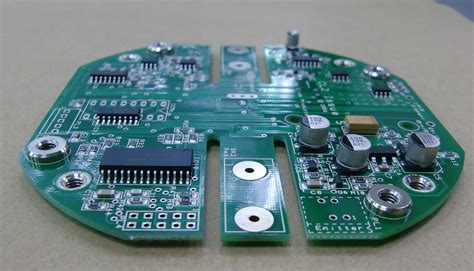
Essential Tools and Equipment for Manual PCB Assembly
In the realm of electronics manufacturing, the manual insertion PCB assembly line plays a crucial role, particularly when dealing with low-volume production or prototypes. This process, while labor-intensive, offers flexibility and precision that automated systems may not always provide. To ensure efficiency and accuracy in manual PCB assembly, it is essential to equip the assembly line with the right tools and equipment. These tools not only facilitate the assembly process but also enhance the quality and reliability of the final product.
To begin with, a high-quality soldering station is indispensable in any manual PCB assembly line.
Soldering stations, equipped with adjustable temperature controls, allow technicians to work with various types of solder and components, ensuring strong and reliable connections. The precision offered by a good soldering iron is crucial, as it minimizes the risk of damaging sensitive components or the PCB itself. Additionally, soldering stations often come with a range of tips, enabling operators to handle different tasks with ease.
In conjunction with soldering stations, desoldering tools are equally important.
Mistakes are inevitable in manual assembly, and the ability to efficiently remove solder without damaging the PCB is vital. Desoldering pumps and wicks are commonly used tools that help in correcting errors by removing excess solder or replacing components. These tools ensure that the assembly process remains flexible and adaptable to changes or corrections.
Furthermore, magnification tools such as magnifying lamps or microscopes are essential for inspecting solder joints and component placements.
Given the miniature size of modern electronic components, these tools provide the necessary visual aid to ensure precision and accuracy. They help technicians identify potential issues such as cold solder joints or misaligned components, which could compromise the functionality of the PCB.
Another critical component of the manual PCB assembly line is the use of tweezers and pliers.
These hand tools are indispensable for handling small components and wires, allowing for precise placement and manipulation. Tweezers, available in various shapes and sizes, are particularly useful for placing surface-mount devices (SMDs) onto the PCB. Meanwhile, pliers assist in bending and cutting wires, ensuring that components fit perfectly within the designated spaces.
Moreover, the use of anti-static equipment cannot be overstated.
Electrostatic discharge (ESD) can cause significant damage to sensitive electronic components, leading to failures or reduced performance. Therefore, incorporating ESD-safe mats, wrist straps, and storage containers is crucial in protecting components throughout the assembly process. These tools help in maintaining a static-free environment, thereby safeguarding the integrity of the assembled PCBs.
Additionally, a well-organized workspace is vital for efficient manual PCB assembly.
Component organizers and storage bins help in maintaining order and accessibility, reducing the time spent searching for specific parts. This organization not only streamlines the assembly process but also minimizes the risk of errors caused by misplaced or incorrect components.
In conclusion, the manual insertion PCB assembly line relies heavily on a range of essential tools and equipment to ensure precision, efficiency, and quality. From soldering stations and desoldering tools to magnification aids and anti-static equipment, each tool plays a pivotal role in the successful assembly of PCBs. By equipping the assembly line with these tools, manufacturers can achieve a high standard of workmanship, ultimately leading to reliable and effective electronic products.
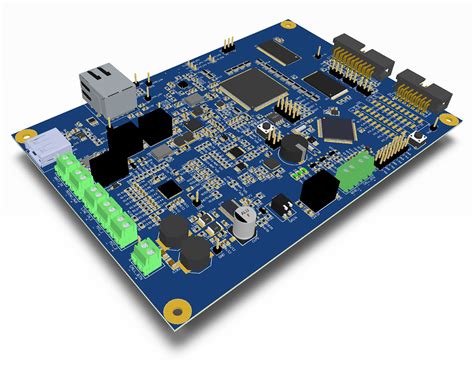
Quality Control Techniques in Manual PCB Assembly Processes
In the realm of electronics manufacturing, the manual insertion PCB assembly line plays a crucial role, particularly when dealing with complex or low-volume production runs. Ensuring the quality of manually assembled printed circuit boards (PCBs) is paramount, as these components form the backbone of countless electronic devices. To maintain high standards, a variety of quality control techniques are employed throughout the manual assembly process. These techniques not only help in identifying defects early but also ensure that the final product meets the required specifications and performance standards.
One of the primary quality control techniques used in manual PCB assembly is visual inspection.
This method involves trained technicians examining the boards for any visible defects, such as misaligned components, solder bridges, or incomplete solder joints. Visual inspection is often the first line of defense in quality control, as it allows for the quick identification of obvious issues. However, given the complexity and miniaturization of modern PCBs, visual inspection alone may not suffice. Therefore, it is often complemented by more advanced techniques.
In addition to visual inspection, manual PCB assembly lines frequently employ automated optical inspection (AOI) systems.
These systems use high-resolution cameras and sophisticated algorithms to detect defects that may be missed by the human eye. AOI systems can quickly scan entire boards, identifying issues such as incorrect component placement, polarity errors, and insufficient solder. By integrating AOI into the assembly process, manufacturers can significantly reduce the likelihood of defective boards reaching the final stages of production.
Another critical quality control technique is in-circuit testing (ICT).
This method involves using a bed of nails tester to make electrical contact with various points on the PCB. ICT allows for the verification of electrical connections and the functionality of individual components. By conducting in-circuit tests, manufacturers can ensure that each component is correctly installed and functioning as intended. This technique is particularly valuable in identifying issues that may not be visible through visual or optical inspection.
Functional testing is also an essential component of quality control in manual PCB assembly.
Unlike in-circuit testing, which focuses on individual components, functional testing evaluates the performance of the entire assembled board. This process involves simulating the board’s operational environment and verifying that it performs its intended functions correctly. Functional testing is crucial for identifying issues that may arise from interactions between components, ensuring that the final product operates reliably in real-world conditions.
Moreover, implementing a robust feedback loop is vital for continuous improvement in manual PCB assembly processes.
By analyzing data from various quality control techniques, manufacturers can identify recurring issues and implement corrective actions. This feedback loop not only helps in addressing immediate defects but also contributes to long-term process improvements, enhancing overall product quality.
In conclusion, quality control in manual PCB assembly processes is a multifaceted endeavor that requires a combination of techniques to ensure the highest standards are met. From visual inspection and automated optical inspection to in-circuit and functional testing, each method plays a crucial role in identifying and addressing potential defects. By employing these techniques and fostering a culture of continuous improvement, manufacturers can ensure that their manually assembled PCBs meet the rigorous demands of today’s electronic devices, ultimately leading to greater customer satisfaction and trust.
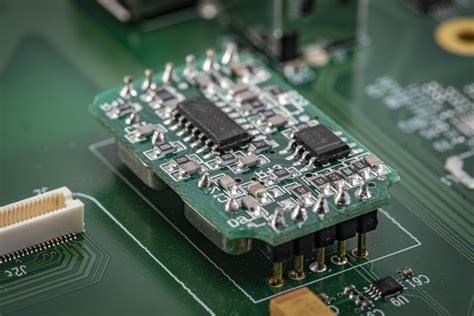
Training and Skill Development for Manual PCB Assembly Technicians
In the realm of electronics manufacturing, the manual insertion PCB assembly line remains a critical component, particularly for complex or low-volume production runs where automated systems may not be feasible. The success of these assembly lines hinges significantly on the expertise and skill of the technicians involved. Therefore, training and skill development for manual PCB assembly technicians are paramount to ensure both efficiency and quality in the production process.
To begin with, understanding the fundamentals of printed circuit boards (PCBs) is essential for any technician.
This includes knowledge of various components, such as resistors, capacitors, and integrated circuits, as well as their functions and placement on the board. Comprehensive training programs often start with these basics, providing a solid foundation upon which more advanced skills can be built. As technicians become familiar with the components, they also learn to read and interpret schematic diagrams and assembly drawings, which are crucial for accurate manual insertion.
Moreover, manual PCB assembly requires a high degree of precision and attention to detail.
Technicians must be adept at using a variety of hand tools, such as soldering irons and tweezers, to place and secure components onto the board. This aspect of training emphasizes the development of fine motor skills and hand-eye coordination, which are vital for minimizing errors and ensuring the reliability of the assembled PCBs. Additionally, technicians are trained in soldering techniques, including through-hole and surface-mount soldering, to ensure strong and reliable connections.
In addition to technical skills, problem-solving abilities are also cultivated during training.
Technicians are often faced with challenges such as component misalignment or soldering defects, which require quick and effective solutions. Training programs incorporate troubleshooting exercises that simulate real-world scenarios, enabling technicians to develop the critical thinking skills necessary to address these issues efficiently. This aspect of training not only enhances the technician’s ability to maintain production flow but also contributes to the overall quality control of the assembly line.
Furthermore, as technology evolves, so too must the skills of the technicians.
Continuous education and training are essential to keep pace with advancements in PCB design and assembly techniques. Workshops and seminars on new tools, materials, and methodologies are integral to ongoing skill development. By staying informed about industry trends and innovations, technicians can adapt to new challenges and maintain their proficiency in manual PCB assembly.
Safety is another crucial component of training for manual PCB assembly technicians.
Working with electronic components and soldering equipment poses certain risks, and technicians must be well-versed in safety protocols to prevent accidents. Training programs cover topics such as proper handling of hazardous materials, use of personal protective equipment, and emergency response procedures. By prioritizing safety, technicians can create a secure working environment that protects both themselves and the integrity of the products they assemble.
In conclusion, the training and skill development of manual PCB assembly technicians are multifaceted, encompassing technical knowledge, precision skills, problem-solving abilities, continuous learning, and safety awareness. These elements collectively ensure that technicians are well-equipped to meet the demands of the manual insertion PCB assembly line, ultimately contributing to the production of high-quality electronic products. As the industry continues to evolve, the importance of comprehensive training programs cannot be overstated, as they lay the groundwork for both individual and organizational success in the competitive field of electronics manufacturing.