
Innovations in Advanced PCB Assembly Techniques and Technologies
Key Takeaways
As the landscape of pcb assembly continues to evolve, several pivotal advancements have emerged that are shaping the way we approach electronic manufacturing. The innovations in pcba techniques have brought about enhanced efficiency, allowing manufacturers to streamline their processes and reduce production times significantly. One of the standout developments is the adoption of cutting-edge materials that not only improve durability but also help in minimizing signal loss and enhancing overall performance. Automating various stages of pcb assembly, including component placement and soldering, has revolutionized efficiency levels, enabling higher output while maintaining precision.
Additionally, precision soldering techniques have advanced remarkably, leading to fewer defects and increased reliability in electronic devices. Testing and quality assurance processes have also seen technological improvements, with sophisticated methods ensuring that each assembled board meets stringent performance criteria. The integration of technologies such as AI and machine learning is making it possible to predict potential issues before they occur, significantly reducing downtime. As we look towards the future, it is evident that these innovations will not only dictate trends but will continuously redefine what is considered possible within the realm of advanced pcb assembly technologies. Understanding these key takeaways lays a foundation for recognizing the transformative impact of these advancements on the industry as a whole.
The Evolution of PCB Assembly: A Historical Perspective
The landscape of PCB assembly has witnessed significant transformations since its inception, driven by the relentless pursuit of efficiency and precision in electronic manufacturing. Originally, printed circuit boards (PCBs) were assembled manually, often resulting in high error rates and limited scalability. As demand for electronic devices surged during the late 20th century, manufacturers began to explore more advanced assembly techniques to keep pace.
The introduction of surface-mount technology (SMT) marked a pivotal shift in PCB assembly practices, allowing components to be mounted directly onto the surface of the board rather than through holes. This not only optimized space but also improved performance by minimizing signal interference. Furthermore, the innovation of automated PCBA processes revolutionized production lines. Automation tools are now capable of handling complex tasks with greater accuracy and speed, fundamentally changing how companies approach manufacturing.
To illustrate this evolution clearly, consider the following table that highlights key developments in PCB assembly over the decades:
| Year | Innovation | Impact on PCB Assembly |
|---|---|---|
| 1960s | Introduction of through-hole technology | Enabled simpler designs but limited component density |
| 1980s | Emergence of surface-mount technology | Increased component density and improved electrical performance |
| 1990s | Development of automated assembly systems | Reduced labor costs and improved efficiency |
| 2000s | Adoption of lead-free soldering | Enhanced environmental compliance and safety |
This timeline showcases how advances in technology have continually reshaped the pcba landscape, setting a foundation for further innovations that improve both quality and speed in production processes. As we look ahead, it is clear that understanding this historical progression is crucial for anticipating future trends in advanced PCB assembly practices.
Cutting-Edge Materials in Advanced PCB Assembly
In the realm of pcb assembly, the use of cutting-edge materials is paramount to enhancing both performance and reliability. The evolution of pcb assembly techniques has seen a shift towards materials that offer improved thermal conductivity, durability, and flexibility. For instance, the integration of high-frequency laminates allows for better signal integrity, which is crucial in modern electronic applications. Moreover, advancements in surface mount technology (SMT) have led to the development of low-loss substrates, specifically designed to optimize the performance of high-speed data transmission. Utilizing these advanced materials not only facilitates efficient production processes but also significantly improves the overall lifespan of PCBs (Printed Circuit Boards) in various devices. Additionally, the adoption of eco-friendly and lightweight materials reflects a growing industry trend towards sustainability without sacrificing quality or performance. As manufacturers continue to innovate in material science, the future landscape of pcba will undoubtedly be shaped by these developments, paving the way for new applications and technologies that demand precision and durability in electronic manufacturing.
Automation in PCB Manufacturing: Revolutionizing Efficiency
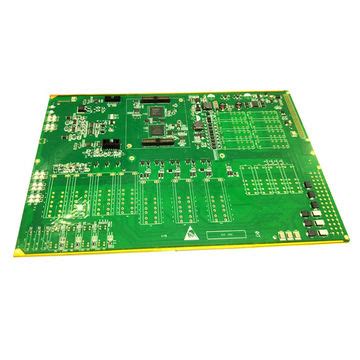
In the realm of pcb assembly, automation stands as a critical factor driving significant improvements in efficiency and reliability. The integration of automated processes in pcba manufacturing not only accelerates production but also minimizes human error, thereby enhancing overall quality. Robots and advanced machinery are now capable of performing repetitive tasks with unparalleled precision, which frees up skilled workers to focus on more complex challenges. This shift towards automation has led to innovative technologies such as automated optical inspection (AOI) and selective soldering, which ensure that every component is correctly placed and soldered before moving on to subsequent stages. The result is a streamlined workflow that significantly reduces cycle times while maintaining high standards of performance. Moreover, with the implementation of real-time data monitoring systems, manufacturers can track production metrics continuously, allowing for quick adjustments that further enhance efficiency and reduce waste. As the landscape of pcb assembly continues to evolve, it is clear that automation not only revolutionizes processes but also paves the way for future advancements in electronic manufacturing.
Precision Soldering Techniques for Enhanced Performance
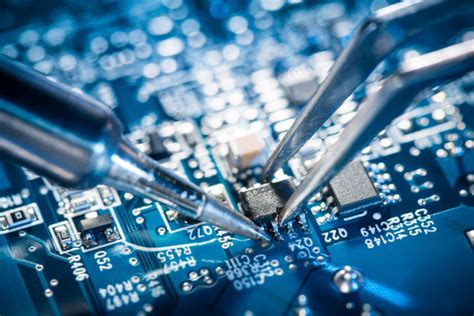
In the realm of PCB assembly, precision soldering techniques have become indispensable for improving the performance and reliability of electronic components. As technology advances, soldering methods are evolving to meet the increasing demands for higher efficiency and accuracy in PCBA. Techniques such as laser soldering and robotic soldering are garnering attention due to their ability to create strong, reliable joints with minimal thermal impact. This is crucial, as heat can damage sensitive components during the assembly process.
Moreover, advanced soldering materials are enhancing the overall quality of connections. Innovations in flux formulations and solder alloys contribute not only to improved electrical performance but also to longevity in various operating environments.
“Investing in precise soldering techniques can significantly reduce failure rates, ultimately leading to lower production costs,” suggests industry experts.
Additionally, integrating data-driven feedback systems within the PCB assembly process allows manufacturers to optimize solder application based on real-time measurements. By doing so, they ensure that each joint adheres to stringent quality standards while minimizing waste.
As manufacturers continue to harness these innovative techniques, it is clear that sophisticated soldering methods play a pivotal role in shaping the future of electronic manufacturing, laying a path for increased efficiency and precision in all aspects of PCBA production.
Innovations in Testing and Quality Assurance
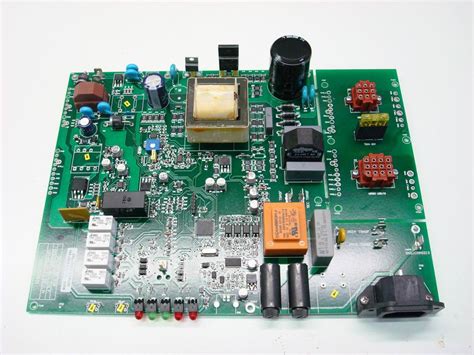
In the realm of pcb assembly, the significance of robust testing and quality assurance measures cannot be overstated. As manufacturers strive to elevate the standards of pcba, innovations in these areas are crucial for maintaining reliability and performance. Modern testing techniques leverage advanced technologies, including automated inspection systems and real-time monitoring, ensuring that components meet strict quality benchmarks. These methods not only facilitate early detection of defects but also enhance overall production efficiency. Furthermore, the integration of data analytics into the testing process allows for predictive maintenance, reducing downtime and associated costs. The emergence of innovative testing protocols ensures that pcb assembly is not only meticulous but also adaptable to evolving industry demands. This holistic approach to quality assurance ultimately fortifies the integrity of electronic manufacturing processes, paving the way for future advancements in pcba technologies.
The Role of AI and Machine Learning in PCB Assembly
The integration of AI and Machine Learning in pcb assembly is revolutionizing the entire electronic manufacturing landscape. By leveraging algorithms that analyze vast amounts of data, manufacturers can optimize production processes, leading to enhanced efficiency and reduced errors. This transition to automated systems allows for real-time adjustments during the pcba process, ensuring that each assembly meets stringent quality standards. For instance, predictive analytics can foresee potential issues before they disrupt the production line, effectively minimizing downtime. Moreover, machine learning models can continuously learn from historical production data, enabling smarter decisions regarding resource allocation and design modifications. As a result, the implementation of these advanced technologies not only boosts productivity but also enhances precision, ensuring that components are assembled with remarkable accuracy. Innovations in PCB assembly techniques are thus increasingly intertwined with AI solutions, marking a significant step forward in delivering high-quality electronic products to market more swiftly and reliably. With these advancements shaping how we approach manufacturing, it is imperative to focus on continuous improvement through technology to stay ahead in this competitive field.
Future Trends: What’s Next for Advanced PCB Technologies
As the electronic manufacturing industry evolves, the future of pcb assembly is poised for exciting transformations driven by technological innovations. One significant trend is the integration of advanced automation into the pcba process, which is expected to streamline operations while enhancing overall accuracy and efficiency. These automated systems utilize cutting-edge robotics and intelligent software, significantly reducing human error and increasing throughput. Moreover, miniaturization of components is also a pivotal trend that dictates future assembly techniques, necessitating sophisticated soldering methods to ensure a reliable connection in densely packed circuit boards. Additionally, the incorporation of smart technologies, including the Internet of Things (IoT), facilitates real-time monitoring and analytics during the pcb assembly process, providing immediate feedback on quality and performance metrics. This proactive approach to quality assurance not only enhances operational transparency but also aligns with industry demands for sustainability by minimizing waste and optimizing resource use. As we look ahead, it’s clear that these advancements in technology will dictate how companies adapt their strategies in design, manufacturing, and quality control, ultimately shaping a more efficient future for pcba operations across the globe.
Environmental Considerations in Modern PCB Assembly Practices
As the electronics industry continues to evolve, pcb assembly practices are also adapting to prioritize sustainability. The environmental impact of electronic manufacturing has garnered significant attention, prompting a shift towards more eco-friendly pcba processes. Reducing waste, lowering energy consumption, and utilizing recyclable materials are now essential considerations in modern pcb assembly techniques. For instance, through the adoption of advanced manufacturing methods, companies are minimizing the use of hazardous materials while improving energy efficiency in production lines. Additionally, the introduction of innovative waste management practices ensures that by-products from pcba processes are effectively recycled or disposed of responsibly. By focusing on these environmental aspects, manufacturers not only comply with regulatory requirements but also meet the growing consumer demand for sustainable electronics. The ongoing integration of green technologies in pcb assembly signifies a commitment to safeguarding the planet while enhancing operational efficiency and product reliability. As these practices gain momentum, they serve not only to shape a more sustainable future but also to redefine the standards within the electronics manufacturing sector.
Conclusion
In summary, the landscape of pcb assembly is witnessing a remarkable transformation driven by technological advancements and innovative practices. As we’ve explored throughout this article, concepts such as automation and precision soldering are enhancing not only the performance of PCBA but also streamlining production processes. Moreover, the integration of cutting-edge materials is enabling manufacturers to create more reliable and efficient products. The application of artificial intelligence and machine learning in quality assurance and testing is also playing a crucial role in ensuring that the assembly processes meet stringent standards. Looking forward, these innovations are set to redefine industry benchmarks, making pcba not just a component production method but a catalyst for technological progress in electronics manufacturing. Such advancements underscore the industry’s commitment to continuous improvement and sustainability, ensuring that future developments will not only meet current demands but also pave the way for future innovations.
FAQs
What is PCB assembly and why is it important?
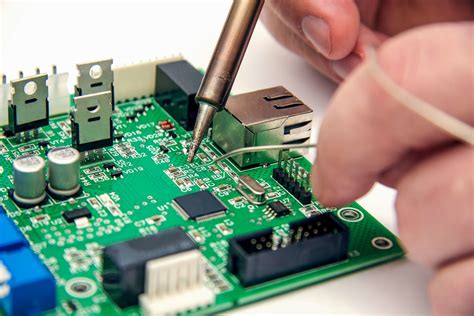
PCB assembly (also known as PCBA) is the process of connecting electronic components to a circuit board, creating a functional electronic device. It is crucial for ensuring the reliability and performance of electronic products.
What are the latest innovations in advanced PCB assembly techniques?
Recent advancements include the use of automated soldering, improved testing methodologies, and advanced materials that enhance both performance and robustness. These innovations help manufacturers meet increasing demands for efficiency and precision.
How does automation impact PCB assembly processes?
Automation continues to revolutionize PCB assembly by significantly reducing human error, increasing production speed, and improving quality control. Automated systems can execute repetitive tasks with high precision, resulting in streamlined operations.
What role do materials play in the efficiency of PCBA?
The choice of materials directly affects the thermal and electrical performance of PCBA, as well as its overall durability. Advanced materials can improve signal integrity and reduce manufacturing costs.
How are AI and machine learning utilized in PCB assembly?
AI and machine learning technologies are being implemented to predict potential defects, optimize manufacturing processes, and enhance quality assurance in PCBA, thereby shaping a more efficient production environment.