
Understanding Bare Board Fabrication Techniques and Processes
Key Takeaways
Understanding bare board fabrication is essential if you are involved in pcb manufacturing or related industries. This process serves as the foundation for creating unpopulated PCBs that are crucial in the assembly and functioning of electronic devices. When considering pcb manufacturing companies, it is important to recognize that they utilize a range of advanced techniques and high-quality materials to ensure that your PCBs meet industry standards. You should also be aware of the various factors influencing pcb manufacturing cost, including material choices, complexity of designs, and lead times. Each element can significantly affect your overall production expenses, making it essential to partner with a pcb manufacturing business that understands your specific needs and can provide tailored solutions. By addressing the complexities involved in bare board fabrication, you will be better equipped to navigate challenges, optimize your design processes, and maintain competitive advantage in the fast-paced electronics market.
Understanding the Fundamentals of Bare Board Fabrication
In the world of pcb manufacturing, understanding the fundamentals of bare board fabrication is essential. This process lays the groundwork for creating unpopulated printed circuit boards (PCBs), which are critical for achieving precision in electronics design. At the heart of bare board fabrication are various materials such as fiberglass, epoxy resins, and copper, each playing a vital role in ensuring high-quality finished products. When you engage with pcb manufacturing companies, you will discover that mastering techniques like photolithography and etching is crucial for developing intricate circuit designs. These methods not only enhance accuracy but also contribute to an optimized pcb manufacturing cost.
As you delve deeper into the bare board fabrication processes, it becomes evident that turning your designs into reality requires a comprehensive understanding of how materials interact and respond during production. Additionally, effective strain relief mechanisms must be integrated during construction—factors that ultimately affect your bottom line in a pcb manufacturing business. By implementing innovative processes and embracing state-of-the-art technologies outlined in this article, you will be better equipped to tackle the challenges posed by bare board fabrication while also elevating the overall quality of PCBs produced. Ultimately, this knowledge empowers you to navigate through the intricate landscape of bare board fabrication, solidifying your role within the electronics industry and aligning you with future industry advancements. For a closer look at these concepts and further information on PCB services, check out Andwin PCB Assembly.

Materials Used in Bare Board Manufacturing
In the realm of bare board fabrication, the selection of materials plays a critical role in determining the performance and reliability of the final printed circuit board (PCB). The choice of substrate materials is paramount, as these materials provide the necessary support and insulation for electronic components. Typically, the most commonly used substrate is FR-4, a glass-reinforced epoxy laminate that offers excellent thermal stability and electrical insulating properties. Other popular materials include polymide for flexible PCBs and ceramic substrates, which are known for their high-frequency performance.
When it comes to conductive layers, copper is the prevalent choice due to its superior electrical conductivity. PCB manufacturing companies often specify different copper thicknesses to suit various applications—from standard thicknesses like 1 oz/ft² to heavier options that can reach up to 10 oz/ft², depending on the specific requirements of power handling or thermal dissipation.
A significant aspect that impacts pcb manufacturing cost is not just the choice of these core materials but also additional components such as solder masks and surface finishes. These elements protect the copper traces and ensure reliable soldering during assembly. Common surface finishes include ENIG (Electroless Nickel Immersion Gold) and HASL (Hot Air Solder Leveling), each offering distinct advantages in terms of solderability and shelf life.
Furthermore, advancements in material technology have led to high-frequency laminates that can handle signal integrity for complex high-speed designs, which is increasingly crucial in today’s electronic applications. By understanding these various material options, you can make informed decisions that align with your project goals and budget constraints within your own pcb manufacturing business or when evaluating proposed designs from suppliers.
| Material Type | Properties | Common Applications |
|---|---|---|
| FR-4 | Good electrical insulation & thermal stability | Standard PCBs |
| Polymide | Flexible & high-temperature resistance | Flexible circuits |
| Ceramic | High-frequency performance | RF applications |
| Copper | Excellent conductivity | Conductive layers |
| ENIG | Good corrosion resistance | High-end boards |
| HASL | Cost-effective & reliable | General-purpose boards |
By carefully selecting your materials based on these criteria, you enhance not only production efficiency but also ensure greater reliability in the finished unpopulated PCBs essential for effective electronics manufacturing and design accuracy.
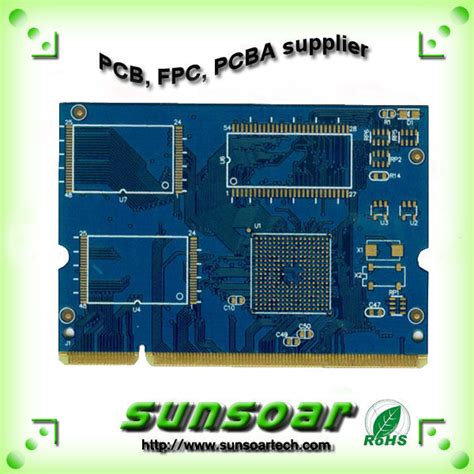
Techniques for Achieving Precision in Bare Board Fabrication
Achieving precision in bare board fabrication is pivotal for any successful pcb manufacturing endeavor. The processes involved must ensure that each step, from design to execution, is meticulously followed to meet the stringent standards of the electronics industry. One important technique is photolithography, which allows for intricate patterns to be etched onto the surface of the board with high accuracy. This technique utilizes a photosensitive film that reacts to ultraviolet light, delineating circuit pathways accurately. Additionally, laser etching has become increasingly popular among numerous pcb manufacturing companies for its ability to deliver precise designs at a lower cost without compromising quality.
To further enhance accuracy, employing advanced data management systems can streamline workflows, allowing you to cross-check designs against capabilities before moving into production. When evaluating the pcb manufacturing cost, it’s essential to consider not just materials, but also labor and equipment precision, as any discrepancies can lead to significant losses down the line in both time and materials. By focusing on these techniques and investing in high-quality materials and technology, you can significantly bolster your pcb manufacturing business, ensuring reliable performance in your products and meeting customer expectations effectively.
Innovative Technologies in Bare Board Production
The landscape of bare board fabrication is continually evolving, driven by innovative technologies that enhance efficiency and precision in the pcb manufacturing process. One significant advancement has been the integration of high-speed laser technology, which allows for more accurate and faster drilling of microvias and other intricate features essential for modern circuitry. Additionally, digital etching techniques have emerged as a means to achieve unparalleled detail in trace patterns on the unpopulated PCBs, reducing waste and improving material utilization. As you explore these developments, it’s important to consider how they impact not only the production timeline but also the overall pcb manufacturing cost. The adoption of automated processes has enabled pcb manufacturing companies to streamline their operations, ensuring better consistency and quality in every batch produced. As you delve into the latest trends, keep in mind that investing in these cutting-edge technologies can significantly bolster your pcb manufacturing business, positioning it for success in a highly competitive market while maintaining high standards of quality assurance and design accuracy.
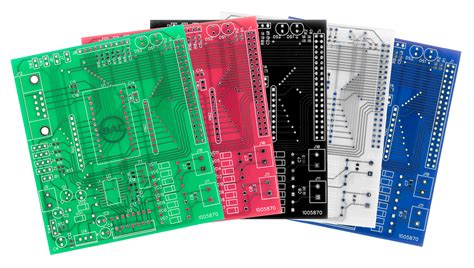
Quality Assurance Practices for Unpopulated PCBs
Ensuring the integrity and reliability of unpopulated PCBs is a critical aspect of the pcb manufacturing process. Quality assurance practices begin with meticulous inspection of raw materials, ensuring they meet industry standards and specifications. Each step, from etching to drilling, must be closely monitored to detect any discrepancies early on. You should implement statistical process control (SPC) techniques to assess variations in production, which can help in identifying potential issues before they become significant problems.
Additionally, working with reputable pcb manufacturing companies can greatly enhance the reliability of your components. These companies often have established quality protocols in place, providing a structured approach to effective quality management. It’s advisable to request data on their testing methods and certifications; this will give you confidence in the pcb manufacturing cost as it correlates with the quality assurance strategies employed.
Furthermore, considering the cyclical nature of pcb manufacturing business, being proactive about quality checks not only prevents costly errors but also boosts customer satisfaction and trust in your products. Regular audits and compliance checks aligned with industry standards are vital for maintaining high-quality output in today’s competitive landscape. Remember:
“Quality is never an accident; it is always the result of intelligent effort.”
Consistent attention to quality assurance will ultimately strengthen your brand reputation and enhance consumer loyalty, making it an indispensable aspect of your pcb manufacturing journey.
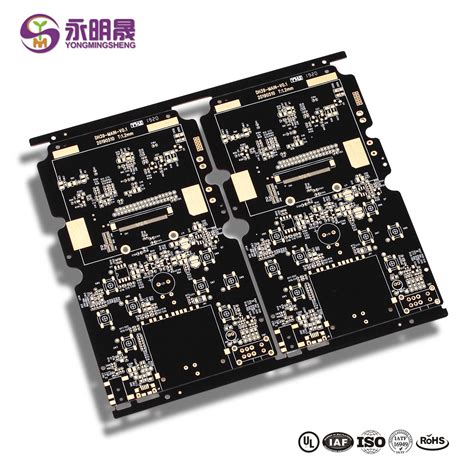
Common Challenges in Bare Board Fabrication and Solutions
Bare board fabrication plays a crucial role in PCB manufacturing, yet it presents a variety of challenges that can affect the overall quality and cost-effectiveness of the final product. One of the predominant challenges you may encounter is achieving precise tolerances and alignment during the fabrication process. This precision is vital for ensuring that the PCBs function correctly in electronic applications. To mitigate this issue, employing advanced techniques such as laser drilling and automated optical inspection can significantly enhance accuracy.
Another challenge faced by many PCB manufacturing companies involves selecting appropriate materials. The choice of substrate materials and laminates can directly influence not only the performance but also the manufacturing cost. By conducting thorough research on available materials, you can identify options that balance quality with cost-effectiveness without compromising on performance.
Additionally, with fluctuations in demand and technological advancements, maintaining a streamlined operation within your PCB manufacturing business can prove difficult. Adopting lean manufacturing principles can help you reduce waste, streamline processes, and enhance productivity. This strategic approach not only addresses operational challenges but also positions your business to adapt quickly to market changes, ultimately improving your competitiveness in the industry.
Lastly, ensuring robust quality assurance practices is paramount. Defects in unpopulated PCBs can lead to significant setbacks and increased costs down the line. Implementing rigorous testing protocols throughout the fabrication process helps to identify potential issues early on, safeguarding against costly errors in later stages of production. By addressing these common challenges proactively, you enhance your capability to produce reliable bare boards that meet industry standards and client expectations effectively.
Future Trends in Bare Board Manufacturing Techniques
As you explore the evolving world of bare board fabrication, it becomes clear that the landscape of pcb manufacturing is undergoing significant innovation. One prominent trend is the adoption of advanced automation techniques that streamline production processes. This not only enhances efficiency but also reduces pcb manufacturing costs, allowing you to obtain high-quality products at a competitive price. Furthermore, the integration of smart technologies such as IoT and AI in pcb manufacturing companies is set to revolutionize how you track inventory, monitor production lines, and manage quality assurance processes.
In addition, the move towards more sustainable practices in pcb manufacturing business is gaining traction. Companies are increasingly focusing on using eco-friendly materials and minimizing waste, driven by both regulatory requirements and market demand for greener products. This commitment to sustainability not only benefits the environment but can also enhance your brand’s reputation and appeal to environmentally conscious consumers.
Moreover, continuity in R&D efforts is leading to the development of innovative materials such as flexible substrates that cater to the growing demand for miniaturized electronic devices. As trends evolve, you can anticipate improved fabrication techniques that will allow for greater precision and reliability in your bare board fabrication efforts, ultimately ensuring that your designs meet stringent performance criteria and industry standards.
With these advancements on the horizon, staying informed about emerging technologies will be essential for anyone involved in pcb manufacturing. Embracing these trends can position you favorably within an increasingly competitive market while ensuring your projects remain at the forefront of innovation.
Conclusion
In the ever-evolving landscape of pcb manufacturing, understanding the intricacies of bare board fabrication is essential for both manufacturers and designers. This article has explored various aspects of the bare board fabrication process, highlighting the importance of precision and quality. When choosing among different pcb manufacturing companies, it’s crucial to evaluate their capabilities in adopting advanced techniques and materials. The pcb manufacturing cost often reflects the quality of these processes; hence, investing in companies that prioritize innovative technologies can lead to long-term benefits. As you navigate your pcb manufacturing business, keeping abreast of industry trends and challenges is vital for ensuring that your products meet consumer demands and maintain a competitive edge. Ultimately, a strong grasp of bare board fabrication techniques not only enhances design accuracy but also ensures reliability in electronic applications, reinforcing the need for high standards in this critical phase of production.
FAQs
What is bare board fabrication?
Bare board fabrication is the process of creating unpopulated printed circuit boards (PCBs) used in electronic devices. This process involves designing and manufacturing the boards without any components installed, setting the stage for later assembly.
Why are bare boards important in PCB manufacturing?
Bare boards are essential because they serve as the foundation for all electronic assemblies. They ensure accuracy in design and provide a reliable substrate for mounting components.
What materials are commonly used in bare board fabrication?
Common materials include FR-4, a fiberglass epoxy laminate, and various copper thicknesses to suit different pcb manufacturing costs. Other substrates may also be used depending on specific application requirements.
How do I choose a PCB manufacturing company?
When selecting a pcb manufacturing company, consider their experience, technology capabilities, and customer reviews. It’s important to ensure they align with your project requirements and quality standards.
What factors influence PCB manufacturing costs?
Several factors affect pcb manufacturing costs, including material selection, the complexity of design, volume production levels, and lead times. It’s vital to understand these factors to manage your budget effectively.
What challenges might I face in bare board fabrication?
Challenges often include achieving precision during the production process, managing varying material qualities, and ensuring consistent output within established tolerances.
Are there any innovative technologies improving PCB manufacturing?
Yes, innovative technologies like advanced imaging systems and automated assembly tools are enhancing efficiency, reducing costs, and improving accuracy in pcb manufacturing business practices.
For more detailed information about SBCs and their production processes, please click here.