
Top Copper Clad Board Manufacturers for Your Electronics Needs
Key Takeaways
When selecting a copper clad board manufacturer for your pcb assembly projects, it’s essential to consider a few pivotal factors. First, evaluate the manufacturer’s reputation within the industry; companies with a long-standing history often provide reliable products. Look for pcba suppliers that emphasize quality assurance processes, ensuring that the copper clad boards meet the stringent requirements of your electronic applications. Additionally, pay attention to the specifications of their products—such as thickness, dielectric constant, and thermal performance—as these will directly impact the efficiency of your final assembly. Furthermore, successful case studies showcasing previous projects can offer insights into their capabilities and customer satisfaction levels. Ultimately, understanding these key elements will empower you to make an informed decision when choosing a manufacturer best suited to fulfill your electronics needs effectively.
Introduction to Copper Clad Boards and Their Applications
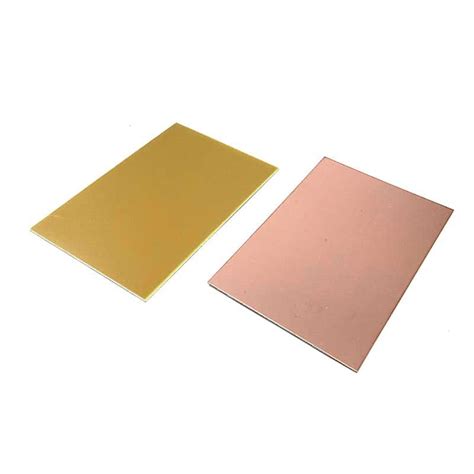
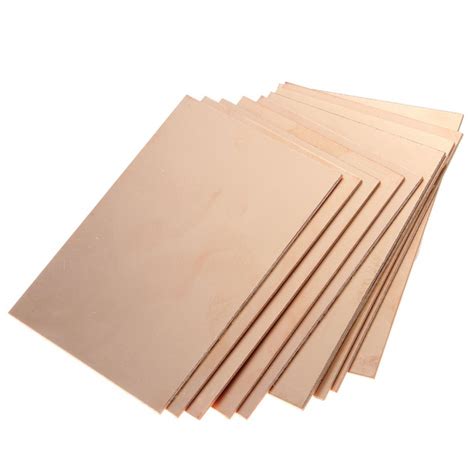
Copper clad boards are crucial materials widely used in the pcb assembly and printed circuit board (PCB) manufacturing processes. These boards consist of a substrate material coated with a layer of copper, providing an excellent conductive surface for the creation of complex electronic circuits. Their versatility extends across various industries, including telecommunications, automotive, and consumer electronics.
The primary application of copper clad boards is in the fabrication of PCBs, where they serve as the foundational structure upon which electronic components are mounted. The choice of substrate material—such as FR-4, CEM-1, or CEM-3—can significantly influence the performance characteristics of the final product. Additionally, advancements in manufacturing techniques have led to improvements in these boards’ thermal and mechanical properties.
One notable advantage of using copper clad boards is their ability to support multilayer PCBs, which can house more complex circuitry in a compact form factor. This capability is particularly beneficial for modern devices that demand high functionality within limited space constraints. Furthermore, as the demand for more efficient and compact electronics continues to grow, manufacturers are innovating with new copper-clad materials that enhance conductivity and reduce signal loss.
In conclusion, understanding the applications and benefits of copper clad boards is essential for selecting the best materials during pcb assembly processes. This understanding not only aids manufacturers but also designers and engineers in optimizing their electronic designs for performance and reliability. As technology advances, staying informed about developments in copper clad board technology will ensure that your projects are at the forefront of innovation.

Criteria for Selecting a Copper Clad Board Manufacturer
When choosing a copper clad board manufacturer, several key criteria should be considered to ensure compatibility with your electronics projects. First and foremost, the quality of materials used is crucial. High-quality copper clad boards contribute to better performance and longevity in PCB assembly applications. Look for manufacturers who use grade A copper and reliable insulation materials, as these factors greatly impact the overall durability and efficiency of the finished board.
Next, assess the manufacturer’s experience in the industry. A company with a solid track record will likely have refined processes and a better understanding of customer needs. Evaluate their portfolio to see if they have successfully delivered products for projects similar to yours. This can provide insights into their versatility and capability.
Moreover, consider their capacity for customization. The demand for tailored solutions in electronics is growing, so a manufacturer that accommodates specific requirements can significantly enhance your project’s outcome. It’s beneficial if they offer various specifications within their product line, including size, thickness, and surface finish.
Pricing is another critical aspect; however, it should not come at the expense of quality or service. It’s advisable to request quotes from multiple suppliers while keeping an eye out for hidden costs that could arise during the production or shipping processes.
Lastly, evaluate their commitment to quality assurance practices by reviewing any certifications they possess (e.g., ISO standards) that attest to their manufacturing processes. Reliable manufacturers often have stringent quality control measures in place to mitigate defects in PCBA production.
“A thorough assessment of these factors can lead you towards a supplier that not only meets your technical requirements but also supports you throughout your project lifecycle.”
By considering these criteria carefully, you increase your chances of selecting an ideal partner in the development of advanced electronic applications using copper clad boards.
Top Copper Clad Board Manufacturers in the Industry
When it comes to selecting a copper clad board manufacturer, the landscape is diverse, with various companies specializing in products that cater to different needs in the electronics sector. Copper clad boards, essential for PCB assembly and various applications, are produced by numerous reputable manufacturers. Each of these suppliers offers a unique range of copper clad laminates tailored for several types of projects, including high-frequency applications, compact circuits, and high-density interconnects. It’s essential to consider the technical specifications and quality certifications that these manufacturers provide, as these elements can significantly impact the performance of your PCBA. Leading brands often employ advanced manufacturing techniques and adhere to stringent quality assurance protocols. By comparing product offerings from top manufacturers, such as their material composition, dielectric properties, and thermal conductivity, you can make a well-informed choice that aligns perfectly with your project requirements. Ultimately, understanding the strengths of each manufacturer allows you to select the best-fit option for your electronics needs, ensuring long-term efficiency and reliability in your applications.

Comparison of Products Offered by Leading Suppliers
When evaluating copper clad boards, it’s essential to understand the diverse products offered by leading manufacturers. Many of these companies feature a variety of substrates catering to different applications, which can significantly affect the performance of your pcb assembly projects. For instance, some suppliers specialize in high-frequency applications, providing boards that minimize signal loss due to their specific dielectric properties. Others focus on high-temperature environments, creating pcba solutions that withstand extreme conditions without compromising reliability.
Another critical aspect is the availability of different thicknesses and copper weights, which impact current-carrying capacity and thermal conductivity. Industry leaders often present options from standard to custom-built copper clad boards, allowing engineers flexibility based on their unique specifications. Additionally, several manufacturers offer enhanced surface finishes, such as ENIG (Electroless Nickel Immersion Gold) or OSP (Organic Solderability Preservative), which improve solderability and overall performance in pcb assembly processes.
Understanding each supplier’s product catalog is crucial for making an informed decision in your electronics projects. By assessing the grades of laminate materials and the certifications attained by these manufacturers, you can better align their offerings with your specific project requirements, ensuring both efficiency and effectiveness in your final assemblies.
Case Studies: Successful Projects Using Copper Clad Boards
In the dynamic world of electronics, copper clad boards play a crucial role in ensuring the reliability and functionality of various devices. Numerous projects have successfully leveraged these boards to enhance performance and efficiency. For instance, leading companies in the pcb assembly sector have utilized high-quality copper clad materials to develop advanced circuit boards that withstand environmental stresses while maintaining optimal signal integrity. One notable case involved a consumer electronics manufacturer who integrated copper clad boards into their innovative smart home devices. The result was a product that not only outperformed competitors in terms of responsiveness but also significantly reduced power consumption, demonstrating the impact of quality materials on overall device performance.
Moreover, an aerospace engineering firm utilized custom-designed pcba with specialized copper clad boards for their navigation systems. This project highlighted the importance of selecting manufacturers that provide tailored solutions, ensuring that specific performance requirements are met while adhering to industry standards. The success of these projects underscores the critical role that reputable copper clad board manufacturers play in supporting varied applications across industries—from consumer electronics to aerospace. Through these real-world examples, industry stakeholders can glean valuable insights into selecting the right materials and suppliers for their unique project needs.
Insights on Quality Assurance and Manufacturing Processes
When it comes to selecting a copper clad board manufacturer, understanding their quality assurance protocols and manufacturing processes is crucial for successful pcb assembly. Top manufacturers will typically adhere to international standards, ensuring that their products undergo rigorous testing at various stages of production. This includes material selection, fabrication processes, and final inspections, which are vital for achieving high-performance standards in electronic applications.
Many manufacturers utilize advanced technologies such as automated optical inspection (AOI) and computerized numerical control (CNC) for precision in manufacturing. This not only enhances the accuracy of the pcba but also reduces the risk of defects that can occur in less controlled environments. Additionally, a strong emphasis on sustainability and eco-friendly practices is becoming increasingly common among leading suppliers.
These manufacturers often demonstrate a commitment to continuous improvement by adopting Lean manufacturing principles, which streamline operations while maintaining product integrity. By focusing on these best practices in quality assurance and manufacturing processes, buyers can ensure that they choose a supplier capable of delivering reliable copper clad boards suitable for their specific project needs.
Future Trends in Copper Clad Board Technology
As technology continues to evolve, the copper clad board industry is poised for several transformative trends that will impact electronics manufacturing significantly. One of the most notable advancements is the push towards higher frequency applications, which demands improved pcb assembly techniques and materials. With the increasing complexity of pcba solutions, manufacturers are focusing on developing boards with enhanced thermal management capabilities and superior dielectric properties. This will not only support more powerful devices but will also ensure reliability in operations under extreme conditions.
Another important trend is the integration of smart technologies into copper clad boards. Manufacturers are exploring ways to embed sensors directly within these boards, allowing for real-time monitoring of temperature and performance parameters. This level of innovation could lead to a new era of self-diagnosing circuits that alert users to potential failures before they occur, thus enhancing the longevity and safety of electronic devices.
Sustainability is also becoming a crucial consideration in this field. Companies are increasingly looking for eco-friendly materials and manufacturing processes that minimize waste and energy consumption. The shift towards green practices not only supports global sustainability efforts but also meets the growing demand from consumers for environmentally responsible electronics.
Moreover, as connectivity increases with the expansion of IoT (Internet of Things), there will be higher demands placed on copper clad boards to support more complex circuitry in smaller form factors. This necessitates innovative design approaches to ensure that performance isn’t compromised as component sizes shrink.
Ultimately, these trends underline the necessity for manufacturers and OEMs (Original Equipment Manufacturers) alike to remain agile and responsive to emerging technologies in order to stay competitive in a rapidly changing landscape. As they navigate these advancements, choosing the right supplier will be critical for those seeking to integrate cutting-edge solutions into their pcb assembly processes, ensuring they remain at the forefront of innovation within their respective markets.
Conclusion: Making an Informed Choice for Your Electronics Projects
In the ever-evolving landscape of electronics, selecting the right copper clad board manufacturer is crucial for the success of your pcb assembly projects. It is important to consider not only the quality of PCBA products but also the reputation and reliability of suppliers. Understanding the unique characteristics and applications of copper clad boards is essential, as it allows you to make informed decisions tailored to your specific requirements. The manufacturers discussed throughout this article provide a range of options, ensuring that you can find products aligned with your project goals. Furthermore, evaluating each supplier’s commitment to quality assurance and their manufacturing processes can greatly influence your ultimate choice. By taking all these factors into account, you position yourself to select a partner who not only meets your technical needs but also contributes to the overall success of your electronics initiatives.
Conclusion: Making an Informed Choice for Your Electronics Projects
In selecting a suitable copper clad board manufacturer, it is crucial to consider not only product specifications but also the supplier’s expertise and reputation in the industry. As pcb assembly continues to evolve, manufacturers must adapt to advancements in technology and customer requirements. This means that suppliers who offer a diverse range of products, including high-frequency and high-temperature options, may provide a competitive edge for your projects. Understanding the various applications of pcba will also aid in making an informed choice; whether you’re working on consumer electronics, automotive components, or industrial equipment, selecting the right materials is fundamental. Moreover, investigating quality assurance protocols will help ensure that the boards meet stringent industry standards. Ultimately, partnering with a reputable manufacturer who demonstrates a commitment to innovation and quality can significantly enhance your project’s success. By integrating these considerations into your decision-making process, you can confidently navigate the options available and select the best manufacturer to meet your unique electronics needs.
FAQs
What is a copper clad board?
A copper clad board, also known as a PCB (Printed Circuit Board), is a type of substrate used to support and connect electronic components. It typically consists of an insulating material coated with copper, which facilitates electrical connections.
Why are copper clad boards essential for electronics?
Copper clad boards are crucial for electronics due to their excellent conductivity, which allows efficient performance in electrical applications. They serve as the foundation for PCBA (PCB assembly) processes, enabling effective circuit alignments and connections.
How do I choose the right copper clad board manufacturer?
When selecting a manufacturer, consider factors such as experience, production capabilities, product range, and quality assurance processes. It’s important to evaluate their history in producing high-quality products that can meet your specific electronics needs.
What should I know about PCB assembly (PCBA)?
PCBA involves the process of assembling electronic components onto a PCB. This includes soldering components and ensuring that all connections are secure and functional. A reliable manufacturer will have expertise in this area to provide you with high-quality assemblies.
Are there different types of copper clad boards?
Yes, there are various types of copper clad boards available, each tailored for specific applications. These can include standard FR-4 boards, high-frequency laminate materials, and flexible circuit options. The choice depends on the particular requirements of your project.