
Understanding 4PCB Assembly for Efficient Electronics Manufacturing
Key Takeaways
Understanding 4PCB assembly is crucial for optimizing the pcb assembly process, which significantly affects the overall efficiency and quality of electronics manufacturing. By utilizing 4PCB technology, manufacturers can create more complex and compact designs while reducing signal interference. This ultimately leads to enhanced performance in various electronic devices. Essential elements such as the choice of materials, layer configurations, and precise manufacturing techniques play vital roles in the pcba process. Implementing best practices such as thorough design reviews and adhering to stringent quality control measures can streamline production workflows, minimize errors, and achieve high production standards. Furthermore, innovative techniques—like automated optical inspection (AOI) systems—are instrumental in detecting defects early in the process, thereby safeguarding product integrity. In essence, comprehending these key aspects of 4PCB assembly not only improves operational efficiency but also positions manufacturers favorably in the competitive landscape of electronics production.
Introduction to 4PCB Assembly
Understanding 4PCB assembly is crucial for anyone involved in electronics manufacturing. This process, which refers to the assembly of printed circuit boards that have four layers, offers numerous advantages, including improved performance and reduced size for electronic devices. In the competitive landscape of pcb assembly, efficiency is key; therefore, manufacturers are continually seeking methods to optimize their workflows. Effective pcba practices not only enhance productivity but also ensure that high-quality standards are maintained throughout production.
The intricacies involved in 4PCB assembly include selecting the right materials and components, which play a pivotal role in the overall functionality of the circuit board. Manufacturers often invest in innovative technologies and automated solutions to streamline the assembly process, leading to faster turnaround times. It is important to note that robust quality control measures must be integrated into every stage of production to mitigate risks and prevent defects.
“Efficiency in manufacturing is not just a goal; it’s a continuous journey toward excellence.”
Utilizing efficient techniques such as automated pick-and-place machines or advanced soldering methods can significantly reduce labor costs while maximizing precision. Moreover, collaboration among various teams within a manufacturing setting can lead to shared insights and best practices, further enhancing overall assembly efficiency.
In summary, having a thorough understanding of 4PCB assembly can position manufacturers favorably in the ever-evolving electronics market, providing them with both competitive edge and quality assurance as they navigate complex manufacturing landscapes.
Key Components and Materials Used in 4PCB Assembly
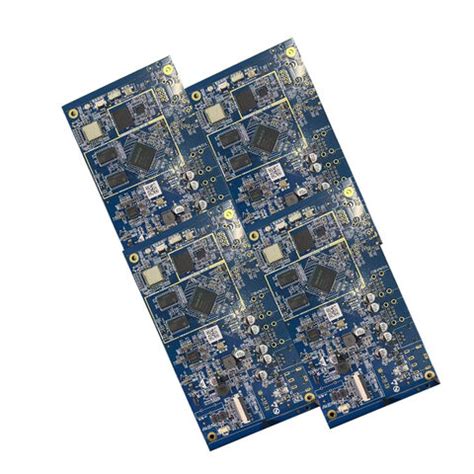
Understanding the key components and materials involved in 4PCB assembly is crucial to achieving a successful PCB Assembly process. In this context, we typically refer to a variety of elements including substrates, copper foil, and solders, all of which play significant roles in the integrity and functionality of the assembled boards.
Substrates, such as FR-4, are essential as they provide a stable platform for the electronic components. These materials are primarily composed of woven fiberglass and epoxy resin, which impart desirable mechanical stability while maintaining electrical insulation properties. The choice of substrate can significantly affect the thermal performance and reliability of the final product.
Copper foil is another vital component in pcb assembly. This material is used for conducting electricity across different sections of the circuit board. The thickness of copper can vary, depending on the current-carrying requirements of the specific application. Thicker copper layers can enhance durability but may also complicate manufacturing processes.
Solders, whether lead-free or traditional, are critical when establishing electrical connections between components on the board. The selection of solder is paramount; different types offer varying melting points, flux characteristics, and environmental resistance—a factor that should not be overlooked during PCBA.
To provide a clearer understanding, refer to the table below summarizing some key components used in 4PCB assembly:
| Component | Material Type | Purpose |
|---|---|---|
| Substrate | FR-4 | Electrical insulation and mechanical support |
| Copper Foil | Copper | Conducts electricity between components |
| Solder | Lead-free/Lead | Establishes electrical connections |
Selecting high-quality materials tailored to specific design requirements enhances not only production efficiency but also end-product reliability. As electronics continue to evolve rapidly, a firm grasp on these essential materials will empower manufacturers to innovate effectively within the realm of 4PCB assembly, leading to advanced solutions in electronics manufacturing.
Best Practices for Efficient 4PCB Assembly
In the realm of 4PCB assembly, implementing best practices is pivotal for ensuring both efficiency and quality in the production process. One key aspect is the selection of high-quality materials, as they contribute significantly to the overall integrity of the pcba. Utilizing automated assembly techniques can optimize workflow and reduce human error, leading to faster turnaround times. Additionally, maintaining a clean and organized workspace is critical; it minimizes contamination risks and enhances worker productivity. Regular training sessions for employees on the latest assembly techniques further elevate standards and ensure everyone is aligned with industry benchmarks. Furthermore, incorporating real-time monitoring systems allows for immediate feedback on production performance, which can be analyzed to refine processes continually. Incorporating these strategies not only aligns with best practices but also fosters a culture of quality and innovation essential in modern electronics manufacturing. By prioritizing these practices, manufacturers can significantly enhance their pcb assembly operations while delivering high-quality products to meet market demands.
Innovative Techniques to Enhance 4PCB Assembly Efficiency
In the realm of 4PCB assembly, implementing innovative techniques can significantly streamline the manufacturing process, leading to remarkable advancements in efficiency. One such technique involves the integration of automated pcba equipment, which reduces human error and speeds up production cycles. Automation not only boosts consistency but also allows for the precise placement of components, thereby enhancing overall product quality. Another key approach is optimizing the design for manufacturability (DFM), where early collaboration between design and manufacturing teams ensures that pcb assembly processes are inherently efficient, minimizing changes later in production stages. Furthermore, utilizing advanced simulation software can help identify potential issues before physical assembly begins, thus reducing waste and time spent on troubleshooting. Coupling these innovations with lean manufacturing principles enables companies to create a more agile production environment, ensuring that every step from pcba preparation to final inspection is executed with maximum efficiency and effectiveness. By focusing on these innovative techniques, manufacturers can not only enhance their productivity but also maintain high standards of quality in their 4PCB assembly processes.
Quality Control Measures in 4PCB Manufacturing
In the realm of 4PCB assembly, ensuring the highest standards of quality is paramount to delivering reliable and effective electronic products. Quality control measures in pcba include rigorous testing protocols, visual inspections, and automated screening methods to identify potential defects early in the process. These practices encompass both the materials used, such as surface mount devices and solder paste, as well as the intricate connections made during assembly. Effective quality control not only addresses manufacturing defects but also considers performance testing post-assembly, ensuring that every unit meets performance expectations. Implementing statistical process control (SPC) can help monitor variations in the assembly process, allowing for real-time adjustments that enhance product quality. By employing techniques like x-ray inspection and functional testing, manufacturers can identify issues related to solder joint integrity and circuit functionality, providing a comprehensive overview of each product’s reliability. Additionally, continuous training and adherence to industry standards are vital components in maintaining a culture of quality within the 4PCB manufacturing environment. As these measures are systematically integrated into production workflows, manufacturers can achieve a significant reduction in defects and improve overall operational efficiency.
Common Challenges in 4PCB Assembly and Solutions
The 4PCB assembly process can pose several challenges that need careful attention to maintain efficiency and quality in production. One common issue is alignment errors, which can lead to improper placement of components on the circuit board. These errors may result from inaccuracies in the fabrication of the PCB or miscalibrated assembly machines. Implementing precise alignment techniques and regular calibration of equipment can help mitigate this problem. Another challenge involves thermal management, where excessive heat generated during soldering could damage sensitive components. Utilizing effective thermal management solutions, such as incorporating heat sinks or using low-temperature solder, can greatly enhance component durability and performance. The risk of contamination is also prevalent, which can affect the reliability of pcb assembly processes; to combat this, maintaining stringent cleanliness protocols and utilizing inert atmospheric environments during assembly helps ensure a reduction in contaminants. Moreover, addressing issues related to supply chain management is crucial; disruptions in material availability could lead to production delays. Establishing reliable vendor relationships and maintaining a diverse inventory of essential materials can enhance responsiveness to such disruptions. By acknowledging these common challenges in pcba, manufacturers can adopt proactive strategies that not only resolve issues but also improve overall operational efficiency in 4PCB assembly processes.
The Future of 4PCB Assembly in Electronics Manufacturing
As technology continues to evolve, the landscape of 4PCB assembly is poised for significant transformation. Innovations in materials, processes, and design are driving the efficiency of pcba (printed circuit board assembly) operations. Future pcb assembly techniques will likely integrate advanced automation and artificial intelligence systems that streamline workflows, reduce labor costs, and improve turnaround times. Additionally, emerging materials designed for better thermal management and increased conductivity will enhance the performance of electronic devices produced through 4PCB assembly. The adoption of environmentally friendly practices will also play a crucial role as manufacturers strive to meet sustainability goals. As these trends gain traction, companies must remain adaptable to leverage opportunities presented by new technologies in order to maintain competitive advantages within the rapidly evolving electronics manufacturing industry. The combination of innovative approaches and a commitment to high-quality standards will shape a promising future for 4PCB assembly, ultimately leading to greater efficiency and product reliability.
Conclusion
In summary, the process of 4PCB assembly plays a crucial role in the realm of electronics manufacturing, driven by the need for efficiency and quality in production. Understanding the critical components and materials involved allows manufacturers to optimize their PCB assembly processes effectively. The integration of innovative techniques not only improves efficiency but also minimizes potential issues that may arise during assembly. Furthermore, employing robust quality control measures ensures that each unit produced meets high standards, thereby maintaining customer satisfaction and trust. As manufacturers continue to confront common challenges in PCBA, collaborative problem-solving and adaptation of best practices could pave the way for a more streamlined approach. Looking ahead, advancements in technology and methodology promise to enhance the overall landscape of 4PCB assembly, ultimately leading to greater efficiencies and superior product offerings.
FAQs
What is 4PCB assembly?
4PCB assembly refers to the process of assembling printed circuit boards (PCBs) that consist of four layers. This type of pcba provides greater complexity and functionality in electronic devices while maintaining a compact design.
What are the advantages of 4PCB assembly over traditional PCB?
The primary advantage is the ability to integrate more components into a smaller footprint, which facilitates the production of complex electronics with improved performance. Additionally, it often results in better electrical connections and thermal management compared to traditional PCBs.
What materials are commonly used in 4PCB assembly?
Common materials include FR-4, a flame-resistant composite, and various laminates that provide durability and thermal stability. Other materials may include metal cores for better heat dissipation and solder materials that enhance connectivity.
What challenges can arise during 4PCB assembly, and how can they be addressed?
Challenges include layer misalignment and soldering defects. To address these issues, implementing rigorous quality control measures throughout the assembly process is crucial. Regular training for operators also helps in minimizing errors.
How does quality control play a role in 4PCB manufacturing?
Quality control measures are vital to ensure that each layer adheres to stringent production standards. Processes such as visual inspections, automated optical inspection (AOI), and functional testing can identify defects early, ensuring high-quality products.
For further insights into efficient pcb assembly, please click here: Andwin PCB Assembly