
Hdi pcb roadmap
Evolution Of HDI PCB Technology: A Roadmap For The Future
The evolution of High-Density Interconnect (HDI) Printed Circuit Board (PCB) technology has been a remarkable journey, marked by continuous innovation and adaptation to meet the ever-increasing demands of modern electronics.
As we look towards the future, understanding the roadmap of HDI PCB technology is crucial for industry stakeholders aiming to stay ahead in a competitive landscape.
Initially, HDI PCBs emerged as a solution to the limitations of traditional PCBs, which struggled to accommodate the miniaturization and complexity of contemporary electronic devices.
The advent of HDI technology allowed for more compact designs by utilizing finer lines and spaces, smaller vias, and higher connection pad density.
This advancement enabled the integration of more components in a smaller area, thus supporting the development of smaller, lighter, and more efficient electronic devices.
As the technology progressed, the introduction of microvias became a pivotal development in HDI PCB design. Microvias, which are significantly smaller than traditional vias, allowed for even greater component density and improved electrical performance.
This innovation facilitated the creation of multi-layered PCBs, which are essential for complex applications such as smartphones, tablets, and advanced computing systems.
The ability to stack multiple layers with precision has been instrumental in meeting the demands for increased functionality and performance in a compact form factor.
Transitioning from the initial stages of HDI technology, the focus has shifted towards enhancing manufacturing processes and materials to further improve performance and reliability.
The use of advanced materials, such as high-frequency laminates and low-loss dielectrics, has been critical in addressing the challenges posed by high-speed and high-frequency applications.
These materials help reduce signal loss and improve thermal management, which are essential for maintaining the integrity and efficiency of modern electronic systems.
Moreover, the integration of advanced manufacturing techniques, such as laser drilling and sequential lamination, has played a significant role in the evolution of HDI PCBs.
Laser drilling, for instance, allows for the precise creation of microvias, which is essential for maintaining the high-density interconnects required in modern designs. Sequential lamination, on the other hand, enables the construction of complex multi-layered boards with improved structural integrity and electrical performance.
Looking ahead, the roadmap for HDI PCB technology is poised to address emerging trends and challenges in the electronics industry.
One of the key areas of focus is the development of flexible and rigid-flex HDI PCBs, which offer enhanced versatility and durability for applications in wearable technology, medical devices, and automotive systems.
These innovations are expected to drive the next wave of growth in the HDI PCB market, as they provide solutions for the increasing demand for adaptable and resilient electronic components.
Furthermore, the integration of artificial intelligence and machine learning in the design and manufacturing processes is anticipated to revolutionize HDI PCB technology.
These technologies can optimize design layouts, predict potential manufacturing issues, and enhance quality control, thereby improving efficiency and reducing costs. As the industry continues to evolve, collaboration between manufacturers, designers, and material suppliers will be essential in overcoming the technical challenges and unlocking the full potential of HDI PCB technology.
In conclusion, the evolution of HDI PCB technology has been characterized by significant advancements in design, materials, and manufacturing processes. As we navigate the roadmap for the future, continued innovation and collaboration will be key to addressing the demands of an ever-changing electronics landscape, ensuring that HDI PCBs remain at the forefront of technological progress.
Key Milestones In The Development Of HDI PCBs
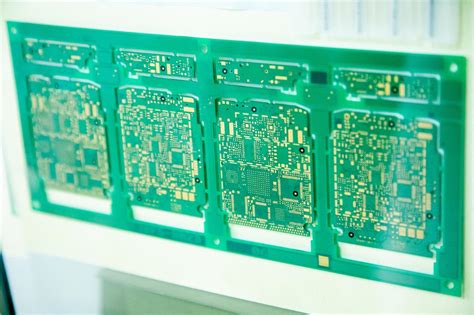
The development of High-Density Interconnect (HDI) printed circuit boards (PCBs) has been a transformative journey in the electronics industry, marked by several key milestones that have significantly advanced technology and manufacturing processes.
Initially, the demand for more compact and efficient electronic devices drove the need for HDI PCBs, which offer higher wiring density per unit area compared to traditional PCBs.
This demand catalyzed the first major milestone in the late 1980s and early 1990s when HDI technology began to emerge as a solution to the limitations of conventional PCB designs.
As the electronics industry continued to evolve, the introduction of microvia technology represented a pivotal advancement in HDI PCB development.
Microvias, which are small-diameter vias used to connect different layers of a PCB, allowed for more complex and compact designs. This innovation enabled manufacturers to produce smaller, lighter, and more efficient electronic devices, meeting the growing consumer demand for portable technology. The ability to incorporate microvias into HDI PCBs marked a significant leap forward, as it facilitated the creation of multi-layer boards with enhanced electrical performance and reliability.
Subsequently, the integration of laser drilling technology further propelled the development of HDI PCBs.
Laser drilling allowed for the precise creation of microvias, which was essential for maintaining the integrity and performance of the densely packed circuits. This technological advancement not only improved the accuracy and efficiency of HDI PCB production but also reduced manufacturing costs, making these advanced PCBs more accessible to a broader range of applications. As a result, HDI PCBs became increasingly prevalent in consumer electronics, telecommunications, and automotive industries, among others.
Another critical milestone in the HDI PCB roadmap was the adoption of advanced materials and surface finishes.
The use of high-performance materials, such as low-loss dielectrics and advanced copper foils, enhanced the electrical properties of HDI PCBs, enabling them to support higher frequencies and faster data transmission rates. Additionally, the development of new surface finishes, such as immersion silver and electroless nickel immersion gold (ENIG), improved the solderability and corrosion resistance of HDI PCBs, further extending their application range and reliability.
In recent years, the rise of the Internet of Things (IoT) and the proliferation of wearable technology have driven further innovations in HDI PCB design and manufacturing.
The need for even smaller and more efficient devices has led to the development of ultra-thin HDI PCBs, which incorporate advanced techniques such as embedded components and flexible substrates. These innovations have expanded the possibilities for HDI PCBs, allowing them to be used in a wider array of applications, from medical devices to smart home technology.
Looking ahead, the future of HDI PCBs is poised for continued growth and innovation.
As technology continues to advance, the demand for more sophisticated and compact electronic devices will drive further developments in HDI PCB design and manufacturing processes. Emerging technologies, such as 5G and artificial intelligence, will likely play a significant role in shaping the next generation of HDI PCBs, pushing the boundaries of what is possible in terms of performance, efficiency, and miniaturization. In conclusion, the roadmap of HDI PCB development is characterized by a series of key milestones that have collectively transformed the electronics industry, paving the way for a future of increasingly advanced and interconnected devices.
Challenges And Opportunities In The HDI PCB Roadmap
The development of High-Density Interconnect (HDI) printed circuit boards (PCBs) represents a significant advancement in the electronics industry, offering both challenges and opportunities as the technology continues to evolve.
As the demand for smaller, more efficient electronic devices grows, HDI PCBs have become increasingly essential due to their ability to support higher wiring density and finer lines and spaces. This evolution is driven by the need for miniaturization in consumer electronics, telecommunications, and automotive industries, among others. However, the journey towards widespread adoption of HDI PCBs is not without its hurdles.
One of the primary challenges in the HDI PCB roadmap is the complexity of the manufacturing process.
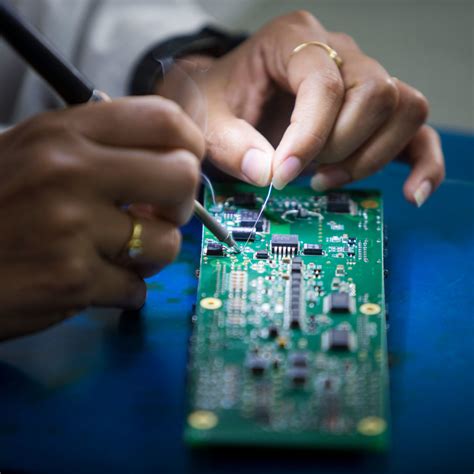
HDI PCBs require advanced fabrication techniques, such as laser drilling and sequential lamination, which are more intricate than those used for traditional PCBs. These processes demand significant investment in specialized equipment and skilled labor, which can be a barrier for smaller manufacturers.
Moreover, the precision required in HDI PCB production increases the risk of defects, necessitating rigorous quality control measures. This complexity can lead to higher production costs, which may deter some companies from adopting HDI technology.
In addition to manufacturing challenges, the design of HDI PCBs presents its own set of difficulties.
Designers must navigate the constraints of limited space while ensuring that the board meets performance and reliability standards. This often involves the use of advanced design software and simulation tools to optimize the layout and routing of the board. Furthermore, as devices become more compact, thermal management becomes a critical concern. Effective heat dissipation is essential to prevent overheating and ensure the longevity of the device, requiring innovative solutions in the design phase.
Despite these challenges, the opportunities presented by HDI PCBs are substantial.
The ability to create smaller, lighter, and more powerful devices is a significant advantage in a market that increasingly values portability and performance. HDI technology enables the integration of more components into a single board, reducing the overall size and weight of electronic devices. This is particularly beneficial in industries such as aerospace and medical devices, where space and weight constraints are paramount.
Moreover, the adoption of HDI PCBs can lead to improved signal integrity and faster data transmission rates.
The shorter interconnect paths and reduced parasitic effects associated with HDI designs contribute to enhanced electrical performance, which is crucial for high-speed applications. This makes HDI PCBs an attractive option for next-generation technologies, such as 5G networks and advanced driver-assistance systems (ADAS) in vehicles.
As the industry continues to innovate, the HDI PCB roadmap is likely to see further advancements. Emerging technologies, such as flexible and rigid-flex PCBs, offer additional opportunities for growth and diversification.
These technologies can complement HDI designs, providing even greater flexibility and functionality in electronic devices.
Additionally, ongoing research into new materials and fabrication techniques promises to address some of the current challenges, potentially reducing costs and improving yield rates.
In conclusion, while the HDI PCB roadmap is fraught with challenges, the opportunities it presents are too significant to ignore. As manufacturers and designers overcome the hurdles associated with complexity and cost, the potential for innovation and growth in the electronics industry is immense. The continued evolution of HDI technology will undoubtedly play a crucial role in shaping the future of electronic devices, driving advancements across a wide range of applications.
Innovations Shaping The Future Of HDI PCB Design
The landscape of High-Density Interconnect (HDI) Printed Circuit Boards (PCBs) is undergoing a transformative evolution, driven by a confluence of technological advancements and market demands.
As the electronics industry continues to push the boundaries of miniaturization and performance, HDI PCBs have emerged as a pivotal component in the design and manufacture of modern electronic devices. This evolution is not only reshaping the capabilities of electronic products but also setting new benchmarks for innovation in PCB design.
One of the most significant innovations shaping the future of HDI PCB design is the integration of advanced materials.
The use of materials such as liquid crystal polymer (LCP) and polytetrafluoroethylene (PTFE) is becoming increasingly prevalent. These materials offer superior electrical properties, such as lower dielectric constants and reduced signal loss, which are crucial for high-frequency applications.
Consequently, they enable the development of PCBs that can support faster data transmission rates, a critical requirement for next-generation communication technologies like 5G and beyond.
In addition to material advancements, the adoption of laser drilling technology is revolutionizing the manufacturing process of HDI PCBs.
Laser drilling allows for the creation of microvias, which are essential for achieving higher wiring densities. This technology not only enhances the precision and reliability of the vias but also reduces the overall production time. As a result, manufacturers can produce more complex and compact PCBs, meeting the ever-growing demand for smaller and more powerful electronic devices.
Moreover, the rise of artificial intelligence (AI) and machine learning (ML) is playing a transformative role in HDI PCB design.
These technologies are being leveraged to optimize the design process, enabling designers to predict and mitigate potential issues before they arise. By analyzing vast amounts of data, AI and ML algorithms can identify patterns and suggest design improvements, leading to more efficient and reliable PCBs. This predictive capability is particularly valuable in reducing the time-to-market for new products, a critical factor in the highly competitive electronics industry.
Furthermore, the shift towards environmentally sustainable practices is influencing the future of HDI PCB design.
As environmental regulations become more stringent, there is a growing emphasis on developing eco-friendly manufacturing processes. Innovations such as water-based solder masks and lead-free soldering techniques are gaining traction, reducing the environmental impact of PCB production. These sustainable practices not only align with global environmental goals but also enhance the marketability of electronic products in an increasingly eco-conscious consumer landscape.
In parallel, the demand for increased functionality in electronic devices is driving the integration of embedded components within HDI PCBs.
This approach allows for the incorporation of passive and active components directly into the PCB substrate, reducing the need for additional surface-mounted components. The result is a more compact and efficient design, which is particularly advantageous for applications where space is at a premium, such as in wearable technology and medical devices.
In conclusion, the future of HDI PCB design is being shaped by a myriad of innovations that are enhancing the performance, efficiency, and sustainability of electronic devices. As these technologies continue to evolve, they will undoubtedly pave the way for even more sophisticated and capable electronic products.
The ongoing advancements in materials, manufacturing processes, AI-driven design, and sustainable practices are not only meeting current market demands but also setting the stage for the next wave of technological breakthroughs in the electronics industry.