
Aluminium metal core pcb
Advantages Of Aluminium Metal Core PCBs In Thermal Management
Aluminium metal core printed circuit boards (PCBs) have emerged as a pivotal innovation in the realm of thermal management, offering a range of advantages that make them indispensable in various high-performance applications. As electronic devices become increasingly compact and powerful, the need for efficient heat dissipation has become more critical than ever. Aluminium metal core PCBs address this challenge by providing superior thermal conductivity, which is essential for maintaining the reliability and longevity of electronic components.
One of the primary advantages of aluminium metal core PCBs is their exceptional ability to dissipate heat.
Unlike traditional PCBs, which are typically made from materials with low thermal conductivity, aluminium metal core PCBs incorporate a metal substrate that efficiently transfers heat away from critical components. This capability is particularly beneficial in applications where high power densities are involved, such as in LED lighting, power converters, and automotive electronics. By effectively managing heat, these PCBs help prevent overheating, which can lead to component failure and reduced performance.
In addition to their thermal management capabilities, aluminium metal core PCBs offer enhanced mechanical stability.
The metal core provides a robust foundation that reduces the risk of warping and mechanical stress, which can occur in PCBs subjected to high temperatures and demanding operating conditions. This stability is crucial in applications where reliability is paramount, ensuring that the electronic devices continue to function optimally even in challenging environments.
Moreover, aluminium metal core PCBs contribute to improved electrical performance.
The metal core not only aids in heat dissipation but also serves as an effective ground plane, reducing electromagnetic interference (EMI) and enhancing signal integrity. This is particularly advantageous in high-frequency applications where signal clarity is essential. By minimizing EMI, these PCBs help maintain the accuracy and reliability of electronic signals, which is critical in telecommunications, aerospace, and other precision-driven industries.
Furthermore, the use of aluminium as a core material offers additional benefits in terms of cost-effectiveness and environmental sustainability.
Aluminium is abundant and relatively inexpensive compared to other metals, making it a cost-effective choice for manufacturers. Its recyclability also aligns with the growing emphasis on sustainable practices in the electronics industry. By choosing aluminium metal core PCBs, manufacturers can reduce their environmental footprint while still achieving high-performance thermal management.
The versatility of aluminium metal core PCBs extends to their adaptability in various design configurations.
They can be customized to meet specific thermal and mechanical requirements, allowing engineers to tailor solutions for diverse applications. This flexibility is particularly valuable in industries where unique design constraints must be addressed, such as in medical devices and consumer electronics.
In conclusion, aluminium metal core PCBs offer a multitude of advantages in thermal management, making them a preferred choice for applications that demand efficient heat dissipation, mechanical stability, and enhanced electrical performance. Their cost-effectiveness and environmental benefits further underscore their value in the modern electronics landscape. As technology continues to advance, the role of aluminium metal core PCBs in ensuring the reliability and efficiency of electronic devices is likely to become even more pronounced, solidifying their position as a cornerstone of thermal management solutions.
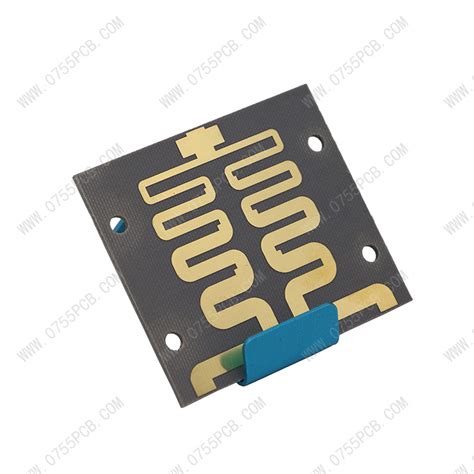
Applications Of Aluminium Metal Core PCBs In LED Lighting
Aluminium metal core printed circuit boards (PCBs) have become increasingly significant in the realm of LED lighting, offering a range of benefits that enhance performance and efficiency. These PCBs are distinguished by their unique construction, which incorporates a metal core, typically aluminium, to improve thermal management. This characteristic is particularly advantageous in LED lighting applications, where heat dissipation is crucial to maintaining the longevity and performance of the LEDs.
One of the primary applications of aluminium metal core PCBs in LED lighting is in high-power LED systems.
These systems generate substantial amounts of heat, which, if not properly managed, can lead to reduced efficiency and a shorter lifespan for the LEDs. Aluminium metal core PCBs address this issue by providing an effective thermal path that dissipates heat away from the LED components. This not only enhances the reliability of the lighting system but also allows for higher power outputs without the risk of overheating.
Moreover, aluminium metal core PCBs are extensively used in LED street lighting.
Street lights are exposed to various environmental conditions and require robust solutions to ensure consistent performance. The thermal conductivity of aluminium metal core PCBs ensures that the heat generated by the LEDs is efficiently managed, thereby reducing the risk of thermal failure. This is particularly important in street lighting, where maintenance can be challenging and costly. By extending the lifespan of the LEDs, aluminium metal core PCBs contribute to lower maintenance costs and increased energy efficiency.
In addition to street lighting, aluminium metal core PCBs are also prevalent in automotive LED lighting systems.
The automotive industry demands components that can withstand harsh conditions, including temperature fluctuations and vibrations. Aluminium metal core PCBs offer the durability and thermal management required for such applications. They ensure that automotive LED lights operate reliably, providing consistent illumination and enhancing safety. Furthermore, the compact design of aluminium metal core PCBs allows for more flexible and innovative lighting designs, which is a significant advantage in the automotive sector.
Another notable application of aluminium metal core PCBs is in LED backlighting for displays.
In this context, the efficient heat dissipation provided by these PCBs is crucial for maintaining the uniformity and brightness of the display. By preventing hotspots and ensuring even heat distribution, aluminium metal core PCBs help in achieving high-quality visual outputs. This is particularly important in applications such as televisions, computer monitors, and digital signage, where display quality is paramount.
Furthermore, the use of aluminium metal core PCBs in LED lighting extends to residential and commercial lighting solutions.
These PCBs enable the development of compact and efficient lighting fixtures that can be used in a variety of settings. The improved thermal management allows for higher brightness levels and longer operational life, making them an attractive option for both consumers and businesses seeking sustainable and cost-effective lighting solutions.
In conclusion, the applications of aluminium metal core PCBs in LED lighting are diverse and impactful. Their ability to effectively manage heat enhances the performance, reliability, and lifespan of LED systems across various industries. As the demand for energy-efficient and durable lighting solutions continues to grow, the role of aluminium metal core PCBs in LED lighting is likely to expand, driving further innovation and development in this field.
Design Considerations For Aluminium Metal Core PCBs
When designing aluminium metal core printed circuit boards (PCBs), several critical considerations must be taken into account to ensure optimal performance and reliability. Aluminium metal core PCBs are renowned for their superior thermal management capabilities, making them ideal for applications where heat dissipation is crucial. As such, understanding the unique properties and design requirements of these PCBs is essential for engineers and designers.
To begin with, the choice of materials plays a pivotal role in the design of aluminium metal core PCBs.
The core material, typically aluminium, is selected for its excellent thermal conductivity, which facilitates efficient heat transfer away from heat-generating components. This characteristic is particularly beneficial in high-power applications such as LED lighting, automotive electronics, and power supplies. However, the selection of the dielectric layer, which insulates the conductive layers from the metal core, is equally important. The dielectric material must possess a high thermal conductivity to complement the aluminium core, while also providing adequate electrical insulation.
Moreover, the thickness of the aluminium core is a crucial factor that influences the thermal performance and mechanical stability of the PCB.
A thicker core can enhance heat dissipation but may also increase the overall weight and cost of the board. Therefore, designers must strike a balance between thermal management requirements and other design constraints. Additionally, the thickness of the dielectric layer should be optimized to ensure effective insulation without compromising thermal performance.
Transitioning to the layout design, it is essential to consider the placement of components on the aluminium metal core PCB.
Components that generate significant heat should be strategically positioned to maximize heat dissipation through the metal core. Furthermore, thermal vias can be incorporated to facilitate heat transfer from the surface-mounted components to the core, thereby enhancing the overall thermal management of the board. The use of thermal pads and heat sinks can also be considered to further improve heat dissipation.
In addition to thermal considerations, electrical performance is another critical aspect of designing aluminium metal core PCBs.
The trace width and spacing must be carefully calculated to accommodate the current-carrying capacity and minimize signal loss. Designers should also be mindful of potential electromagnetic interference (EMI) issues, which can be mitigated through proper grounding and shielding techniques.
Furthermore, the manufacturing process of aluminium metal core PCBs presents unique challenges that must be addressed during the design phase.
The presence of the metal core requires specialized fabrication techniques, such as drilling and routing, to ensure precision and avoid damage to the board. Therefore, collaboration with experienced manufacturers is advisable to ensure that the design is feasible and can be produced efficiently.
Finally, cost considerations should not be overlooked when designing aluminium metal core PCBs.
While these boards offer significant advantages in terms of thermal management, they can be more expensive to produce compared to traditional PCBs. Designers must weigh the benefits against the costs and consider the specific requirements of the application to determine the most cost-effective solution.
In conclusion, designing aluminium metal core PCBs involves a comprehensive understanding of material properties, thermal management, electrical performance, and manufacturing processes. By carefully considering these factors, designers can create PCBs that meet the demanding requirements of high-power applications, ensuring both performance and reliability.

Comparing Aluminium Metal Core PCBs With Other Substrate Materials
Aluminium metal core printed circuit boards (PCBs) have gained significant attention in the electronics industry due to their unique properties and advantages over traditional substrate materials. As the demand for high-performance electronic devices continues to grow, understanding the differences between aluminium metal core PCBs and other substrate materials becomes increasingly important. This comparison highlights the key attributes that set aluminium metal core PCBs apart, while also considering the contexts in which other substrates may be more suitable.
To begin with, aluminium metal core PCBs are renowned for their excellent thermal conductivity.
This property is particularly advantageous in applications where heat dissipation is critical, such as in LED lighting, power converters, and automotive electronics. The aluminium core acts as a heat sink, efficiently transferring heat away from sensitive components and thereby enhancing the overall reliability and lifespan of the device. In contrast, traditional substrates like FR-4, which is a glass-reinforced epoxy laminate, have relatively poor thermal conductivity. This limitation can lead to overheating issues in high-power applications, necessitating additional cooling mechanisms that can increase both the complexity and cost of the design.
Moreover, aluminium metal core PCBs offer superior mechanical stability compared to other substrates.
The inherent strength of aluminium provides a robust platform that can withstand mechanical stress and vibration, making it ideal for use in environments subject to harsh conditions. This is particularly beneficial in automotive and industrial applications where durability is paramount. On the other hand, substrates such as polyimide, while offering flexibility and high-temperature resistance, may not provide the same level of mechanical robustness as aluminium. This trade-off between flexibility and strength must be carefully considered when selecting the appropriate substrate for a given application.
In addition to thermal and mechanical advantages, aluminium metal core PCBs also exhibit excellent dimensional stability.
This characteristic ensures that the board maintains its shape and size under varying environmental conditions, which is crucial for maintaining the integrity of the electrical connections. In contrast, ceramic substrates, although offering high thermal conductivity and electrical insulation, can be brittle and prone to cracking under mechanical stress. This makes them less suitable for applications where physical durability is a primary concern.
However, it is important to acknowledge that aluminium metal core PCBs are not without their limitations.
One notable drawback is their relatively higher cost compared to traditional substrates like FR-4. This can be a significant factor in cost-sensitive applications where budget constraints are a primary consideration. Additionally, the weight of aluminium can be a disadvantage in applications where lightweight materials are preferred, such as in aerospace or portable electronics.
In conclusion, while aluminium metal core PCBs offer distinct advantages in terms of thermal management, mechanical stability, and dimensional stability, the choice of substrate material ultimately depends on the specific requirements of the application. Factors such as cost, weight, flexibility, and environmental conditions must all be taken into account when selecting the most appropriate substrate. By carefully evaluating these considerations, designers can make informed decisions that optimize the performance and reliability of their electronic devices. As technology continues to evolve, the ongoing development of substrate materials will undoubtedly play a crucial role in meeting the ever-increasing demands of the electronics industry.