
Axiom pcb assembly
Understanding The Basics Of Axiom PCB Assembly
Axiom PCB assembly is a critical process in the manufacturing of electronic devices, serving as the backbone for the integration of various electronic components. Understanding the basics of this process is essential for anyone involved in electronics design and production. At its core, PCB assembly involves the placement and soldering of components onto a printed circuit board (PCB), which serves as the foundation for electronic circuits. This process is pivotal in ensuring that electronic devices function correctly and efficiently.
To begin with, the PCB itself is a flat board made of non-conductive material, typically fiberglass, with conductive pathways etched onto its surface.
These pathways, or traces, allow for the transmission of electrical signals between components. The design of a PCB is a meticulous process that requires careful planning to ensure that the layout supports the intended functionality of the device. Once the design is finalized, the board is manufactured, and the assembly process can commence.
The assembly process involves several key steps, starting with the application of solder paste to the board.
Solder paste is a mixture of tiny solder balls and flux, which helps to clean and prepare the surfaces for soldering. This paste is applied to the board using a stencil that ensures precise placement on the pads where components will be mounted. Following this, components are placed onto the board using automated machines known as pick-and-place machines. These machines are programmed to position each component accurately, based on the design specifications.
Once the components are in place, the board undergoes a reflow soldering process.
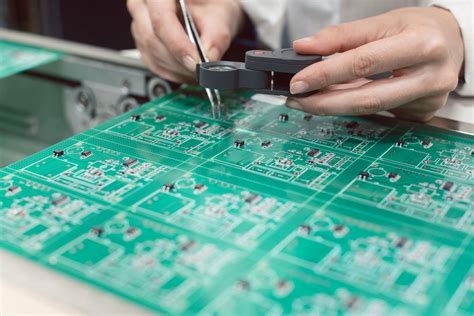
During reflow soldering, the board is passed through a controlled heat source, causing the solder paste to melt and form a solid connection between the components and the board. This step is crucial as it ensures that the components are securely attached and that electrical connections are properly established. After reflow soldering, the board is inspected for any defects or misalignments. This inspection can be done visually or through automated optical inspection (AOI) systems, which use cameras and software to detect issues.
In addition to reflow soldering, some assemblies may require through-hole technology,
where component leads are inserted into holes on the board and soldered from the opposite side. This method is often used for components that require a stronger mechanical bond or for those that cannot be surface-mounted. The combination of surface-mount technology (SMT) and through-hole technology allows for greater flexibility in PCB design and assembly.
BQuality control is an integral part of the axiom PCB assembly process.
Ensuring that each board meets the required standards is vital to the reliability and performance of the final product. This involves rigorous testing, including functional testing, where the assembled board is powered up and tested to ensure it operates as intended. Any defects identified during testing must be addressed promptly to prevent issues in the final product.
In conclusion, understanding the basics of axiom PCB assembly is essential for anyone involved in the electronics industry. From the initial design and manufacturing of the PCB to the precise placement and soldering of components, each step in the process is crucial to the successful production of electronic devices. By adhering to strict quality control measures and utilizing advanced technologies, manufacturers can ensure that their products meet the highest standards of performance and reliability.
The Role Of Axiom PCB Assembly In Modern Electronics
In the rapidly evolving landscape of modern electronics, the role of Axiom PCB Assembly has become increasingly pivotal. As technology advances, the demand for more sophisticated and efficient electronic devices continues to grow, necessitating the development of innovative solutions in printed circuit board (PCB) assembly. Axiom PCB Assembly, a leader in this field, plays a crucial role in meeting these demands by providing high-quality assembly services that are integral to the functionality and reliability of electronic products.
To understand the significance of Axiom PCB Assembly, it is essential to first appreciate the importance of PCBs in electronic devices.
PCBs serve as the backbone of most electronic systems, providing the necessary platform for mounting and interconnecting various electronic components. They ensure that electrical signals are transmitted efficiently and reliably, which is critical for the performance of any electronic device. As such, the assembly of these boards must be executed with precision and expertise, a task that Axiom PCB Assembly excels in.
Axiom PCB Assembly distinguishes itself through its commitment to quality and innovation.
By employing state-of-the-art technology and adhering to stringent quality control measures, Axiom ensures that each PCB assembly meets the highest standards of performance and reliability. This dedication to excellence is evident in their use of advanced manufacturing techniques, such as surface mount technology (SMT) and through-hole technology (THT), which allow for the efficient and accurate placement of components on the PCB. These techniques not only enhance the performance of the final product but also contribute to the miniaturization of electronic devices, a trend that is increasingly prevalent in the industry.
Moreover, Axiom PCB Assembly’s role extends beyond mere assembly; it encompasses a comprehensive approach that includes design support, prototyping, and testing.
By offering design support, Axiom assists clients in optimizing their PCB layouts for manufacturability and performance, ensuring that potential issues are addressed early in the development process. This proactive approach reduces the likelihood of costly revisions and delays, ultimately accelerating time-to-market for new products.
Prototyping is another critical aspect of Axiom’s services, allowing clients to evaluate the functionality and performance of their designs before committing to full-scale production.
This iterative process enables the identification and rectification of any design flaws, ensuring that the final product meets the desired specifications. Furthermore, Axiom’s rigorous testing procedures guarantee that each PCB assembly is thoroughly evaluated for defects and performance issues, providing clients with the confidence that their products will perform reliably in the field.
In addition to its technical capabilities, Axiom PCB Assembly is also committed to sustainability and environmental responsibility.
By implementing eco-friendly manufacturing practices and utilizing lead-free soldering techniques, Axiom minimizes its environmental impact while adhering to global regulations and standards. This commitment to sustainability not only benefits the environment but also aligns with the growing consumer demand for environmentally conscious products.
In conclusion, the role of Axiom PCB Assembly in modern electronics is multifaceted and indispensable. Through its dedication to quality, innovation, and sustainability, Axiom not only meets the current demands of the electronics industry but also anticipates future trends and challenges. As technology continues to advance, the expertise and services provided by Axiom PCB Assembly will remain essential in driving the development of cutting-edge electronic devices that shape our world.
Innovations And Trends In Axiom PCB Assembly
Axiom PCB assembly has emerged as a pivotal component in the electronics manufacturing industry, driving innovation and setting new trends that are reshaping the landscape. As technology continues to evolve at a rapid pace, the demand for more efficient, reliable, and compact electronic devices has intensified, placing PCB assembly at the forefront of this transformation.
One of the most significant innovations in Axiom PCB assembly is the integration of advanced automation technologies.
Automation has revolutionized the assembly process by enhancing precision, reducing human error, and increasing production speed. This shift towards automated systems is not only improving the quality of the final product but also significantly lowering production costs, making it a highly attractive option for manufacturers seeking to maintain a competitive edge.
In addition to automation, the trend towards miniaturization is profoundly influencing Axiom PCB assembly.
As consumer electronics become increasingly compact, the need for smaller, more densely packed PCBs has grown. This has led to the development of innovative assembly techniques and materials that allow for the creation of highly intricate and compact circuit boards. Techniques such as surface mount technology (SMT) and the use of flexible PCBs are becoming more prevalent, enabling manufacturers to meet the demands of modern electronic devices without compromising on performance or reliability.
Moreover, the rise of the Internet of Things (IoT) has further propelled advancements in Axiom PCB assembly.
IoT devices require PCBs that are not only small and efficient but also capable of supporting wireless communication and connectivity. This has spurred the development of PCBs with enhanced capabilities, such as integrated antennas and improved thermal management systems. As a result, Axiom PCB assembly is playing a crucial role in the proliferation of IoT devices across various sectors, from smart homes to industrial automation.
Sustainability is another trend that is gaining traction in the realm of Axiom PCB assembly.
As environmental concerns continue to mount, there is a growing emphasis on developing eco-friendly manufacturing processes and materials. This includes the use of lead-free soldering techniques, recyclable materials, and energy-efficient production methods. By adopting these sustainable practices, manufacturers are not only reducing their environmental footprint but also aligning with the increasing consumer demand for greener products.
Furthermore, the advent of Industry 4.0 is ushering in a new era of smart manufacturing in Axiom PCB assembly.
The integration of digital technologies such as artificial intelligence, machine learning, and the Internet of Things is enabling manufacturers to optimize their production processes, enhance quality control, and improve supply chain management. These technologies provide real-time data and insights, allowing for more informed decision-making and greater operational efficiency.
In conclusion, the innovations and trends in Axiom PCB assembly are driving significant advancements in the electronics manufacturing industry. From automation and miniaturization to sustainability and smart manufacturing, these developments are not only meeting the current demands of the market but also paving the way for future technological breakthroughs. As the industry continues to evolve, Axiom PCB assembly will undoubtedly remain a critical component in the quest for more advanced, efficient, and sustainable electronic devices.
Challenges And Solutions In Axiom PCB Assembly Processes
Axiom PCB assembly processes are integral to the production of reliable and efficient electronic devices. However, these processes are not without their challenges. Understanding these challenges and implementing effective solutions is crucial for manufacturers aiming to maintain high standards of quality and efficiency.
One of the primary challenges in Axiom PCB assembly is the increasing complexity of circuit designs.
As electronic devices become more sophisticated, the demand for compact and intricate PCBs has risen. This complexity often leads to difficulties in ensuring precise component placement and soldering, which are critical for the functionality of the final product. To address this, manufacturers are turning to advanced automated assembly technologies. These technologies, such as surface mount technology (SMT) and automated optical inspection (AOI), enhance precision and reduce human error, thereby improving the overall quality of the assembly process.
Another significant challenge is the need for rapid prototyping and production cycles.
In today’s fast-paced market, the ability to quickly develop and produce PCBs is a competitive advantage. However, this need for speed can sometimes compromise quality if not managed properly. To mitigate this risk, manufacturers are adopting agile manufacturing practices. These practices involve iterative testing and refinement, allowing for quick adjustments and improvements throughout the assembly process. By doing so, manufacturers can ensure that speed does not come at the expense of quality.
Moreover, the issue of thermal management in PCB assembly cannot be overlooked.
As electronic components become more powerful, they generate more heat, which can affect the performance and longevity of the device. Effective thermal management solutions, such as the use of heat sinks, thermal vias, and advanced materials, are essential to dissipate heat efficiently. Implementing these solutions requires careful design and material selection, which can be challenging but is necessary to prevent overheating and ensure the reliability of the PCB.
In addition to these technical challenges, supply chain disruptions pose a significant hurdle in Axiom PCB assembly processes.
The global nature of electronic component sourcing means that any disruption, whether due to geopolitical tensions, natural disasters, or pandemics, can lead to delays and increased costs. To combat this, manufacturers are diversifying their supplier base and investing in supply chain resilience strategies. By building strong relationships with multiple suppliers and maintaining a buffer stock of critical components, manufacturers can better navigate supply chain uncertainties.
Furthermore, environmental concerns are increasingly influencing PCB assembly processes.
The push for sustainable manufacturing practices is leading to the adoption of eco-friendly materials and processes. For instance, the use of lead-free solder and the implementation of recycling programs for electronic waste are becoming more common. While these initiatives can be challenging to implement due to cost and technical constraints, they are essential for meeting regulatory requirements and addressing consumer demand for sustainable products.
In conclusion, while Axiom PCB assembly processes face numerous challenges, there are effective solutions available to address them. By leveraging advanced technologies, adopting agile practices, implementing robust thermal management strategies, enhancing supply chain resilience, and embracing sustainability, manufacturers can overcome these challenges and continue to produce high-quality PCBs. As the industry evolves, staying ahead of these challenges will be key to maintaining competitiveness and meeting the ever-growing demands of the electronics market.