
Ceramic pcb china
Advantages Of Ceramic PCBs In The Chinese Electronics Industry
Ceramic printed circuit boards (PCBs) have emerged as a pivotal component in the Chinese electronics industry, offering a multitude of advantages that cater to the ever-evolving demands of modern technology. As the electronics sector in China continues to expand, driven by innovations in consumer electronics, telecommunications, and automotive industries, the adoption of ceramic PCBs is becoming increasingly prevalent. This trend is largely attributed to the unique properties of ceramic materials, which provide significant benefits over traditional PCB substrates.
One of the foremost advantages of ceramic PCBs is their exceptional thermal conductivity.
Unlike conventional materials such as FR-4, ceramic substrates like aluminum oxide (Al2O3) and aluminum nitride (AlN) offer superior heat dissipation capabilities. This is particularly crucial in high-power applications where efficient thermal management is essential to maintain performance and reliability. In the context of the Chinese electronics industry, where devices are becoming more compact and powerful, the ability of ceramic PCBs to effectively manage heat is a significant asset. This ensures that electronic components operate within safe temperature ranges, thereby enhancing their longevity and reducing the risk of failure.
In addition to thermal performance, ceramic PCBs are renowned for their excellent electrical insulation properties.
The inherent dielectric strength of ceramic materials makes them ideal for applications requiring high voltage resistance and minimal signal loss. This is especially beneficial in telecommunications and automotive sectors, where maintaining signal integrity is paramount. As China continues to lead in the development of 5G technology and electric vehicles, the demand for PCBs that can support high-frequency and high-voltage applications is on the rise. Ceramic PCBs, with their superior electrical characteristics, are well-suited to meet these requirements, thus playing a crucial role in advancing these technologies.
Moreover, ceramic PCBs offer remarkable mechanical strength and stability.
Their robust nature makes them resistant to mechanical stress and environmental factors such as moisture and temperature fluctuations. This durability is particularly advantageous in harsh operating conditions, where reliability is a critical concern. In the Chinese electronics industry, where products are often subjected to rigorous testing and diverse environmental conditions, the resilience of ceramic PCBs ensures consistent performance and reliability. This, in turn, enhances the reputation of Chinese electronics manufacturers on the global stage, as they are able to deliver high-quality, durable products.
Furthermore, the miniaturization of electronic components is a prevailing trend in the industry, and ceramic PCBs are well-suited to support this evolution.
Their ability to accommodate fine line widths and small vias allows for the design of compact and densely packed circuits. This is particularly relevant in consumer electronics, where the demand for smaller, more efficient devices is ever-increasing. By leveraging the capabilities of ceramic PCBs, Chinese manufacturers can continue to innovate and produce cutting-edge products that meet the expectations of a global market.
In conclusion, the advantages of ceramic PCBs in the Chinese electronics industry are manifold, encompassing superior thermal management, excellent electrical insulation, robust mechanical properties, and support for miniaturization. As the industry continues to grow and evolve, the adoption of ceramic PCBs is likely to increase, driven by the need for reliable, high-performance solutions. This not only positions ceramic PCBs as a key enabler of technological advancement but also underscores their importance in maintaining China’s competitive edge in the global electronics market.
Top Manufacturers Of Ceramic PCBs In China
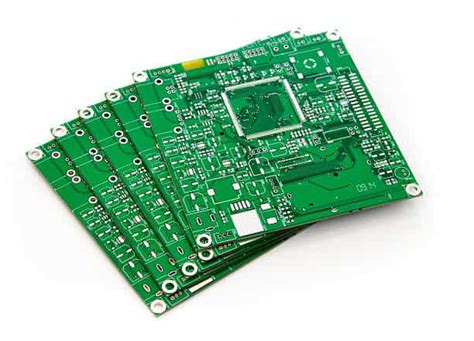
China has emerged as a global leader in the manufacturing of ceramic printed circuit boards (PCBs), a critical component in various high-performance electronic applications. Ceramic PCBs are renowned for their superior thermal conductivity, mechanical strength, and electrical insulation properties, making them indispensable in industries such as aerospace, automotive, and telecommunications. As the demand for these advanced materials continues to rise, several top manufacturers in China have distinguished themselves through innovation, quality, and reliability.
One of the foremost manufacturers in this sector is Shenzhen Kinwong Electronic Co., Ltd.
With decades of experience, Kinwong has established itself as a pioneer in the production of high-quality ceramic PCBs. The company is known for its state-of-the-art facilities and a strong commitment to research and development, which enables it to offer cutting-edge solutions tailored to the specific needs of its clients. Kinwong’s dedication to quality is evident in its rigorous testing processes, ensuring that each product meets the highest industry standards.
Another key player in the Chinese ceramic PCB market is Wuxi Tianyang Electronics Co., Ltd.
This company has gained a reputation for its innovative approach to manufacturing and its ability to produce complex, multilayer ceramic PCBs. Wuxi Tianyang’s expertise lies in its ability to integrate advanced materials and technologies, resulting in products that offer exceptional performance even in the most demanding environments. The company’s focus on sustainability and efficiency further enhances its appeal to environmentally conscious clients seeking reliable and eco-friendly solutions.
In addition to these industry leaders, Shenzhen Hitech Circuits Co., Ltd. is also noteworthy for its contributions to the ceramic PCB landscape.
Hitech Circuits has carved out a niche by specializing in the production of high-frequency ceramic PCBs, which are essential for applications requiring rapid signal transmission and minimal interference. The company’s commitment to innovation is reflected in its continuous investment in advanced manufacturing technologies and its ability to adapt to the evolving needs of the global market.
Moreover, Chaozhou Three-Circle (Group) Co., Ltd. stands out as a significant manufacturer with a long history in the ceramics industry.
Leveraging its extensive experience, Three-Circle has successfully expanded into the ceramic PCB market, offering products that combine traditional craftsmanship with modern technology. The company’s comprehensive quality control measures and adherence to international standards have earned it a loyal customer base both domestically and internationally.
Furthermore, the role of smaller, specialized manufacturers cannot be overlooked.
Companies such as Dongguan Enokai Electronic Technology Co., Ltd. have made significant strides by focusing on niche markets and providing customized solutions. Enokai’s agility and customer-centric approach allow it to respond quickly to market changes and deliver products that meet specific client requirements.
In conclusion, the landscape of ceramic PCB manufacturing in China is characterized by a diverse array of companies, each contributing unique strengths to the industry. From large-scale manufacturers with extensive resources to smaller firms offering specialized expertise, these companies collectively drive innovation and set benchmarks for quality and performance. As the demand for ceramic PCBs continues to grow, these top manufacturers are well-positioned to maintain their leadership and expand their influence on the global stage. Through their commitment to excellence and adaptability, they ensure that China remains at the forefront of this critical sector.
Innovations In Ceramic PCB Technology In China
In recent years, China has emerged as a global leader in the development and production of ceramic printed circuit boards (PCBs), a critical component in the electronics industry. This rise to prominence can be attributed to a combination of technological innovation, strategic investments, and a robust manufacturing infrastructure. Ceramic PCBs, known for their superior thermal conductivity, mechanical strength, and electrical insulation properties, are increasingly in demand across various sectors, including telecommunications, automotive, aerospace, and consumer electronics. As the world continues to seek more efficient and reliable electronic components, China’s advancements in ceramic PCB technology are setting new standards in the industry.
One of the key innovations driving the growth of ceramic PCB technology in China is the development of advanced materials.
Traditional PCBs are typically made from materials like FR-4, which, while cost-effective, do not offer the same level of performance as ceramics. Chinese manufacturers have been at the forefront of developing new ceramic materials, such as aluminum oxide (Al2O3), aluminum nitride (AlN), and silicon nitride (Si3N4), which provide enhanced thermal management and durability. These materials are particularly beneficial in high-power applications where heat dissipation is critical, thus extending the lifespan and reliability of electronic devices.
Moreover, the integration of cutting-edge manufacturing techniques has further propelled China’s leadership in ceramic PCB technology.
Techniques such as laser direct structuring (LDS) and low-temperature co-fired ceramics (LTCC) have been widely adopted by Chinese manufacturers to produce highly precise and complex circuit patterns. These methods not only improve the performance of ceramic PCBs but also allow for greater design flexibility, enabling the production of miniaturized components that meet the ever-evolving demands of modern electronics.
In addition to material and manufacturing innovations, China’s focus on research and development has played a pivotal role in advancing ceramic PCB technology.
The Chinese government, recognizing the strategic importance of the electronics industry, has invested heavily in R&D initiatives, fostering collaboration between academic institutions, research organizations, and private enterprises. This collaborative approach has led to significant breakthroughs in ceramic PCB design and fabrication, positioning China as a hub for technological excellence.
Furthermore, the competitive landscape in China has spurred companies to continuously innovate and improve their offerings.
With numerous players in the market, manufacturers are driven to differentiate themselves through quality, efficiency, and cost-effectiveness. This competitive pressure has resulted in a dynamic environment where innovation thrives, benefiting not only domestic markets but also international clients seeking high-quality ceramic PCBs.
As the demand for advanced electronic components continues to grow, China’s role in the global ceramic PCB market is expected to expand further. The country’s commitment to innovation, coupled with its extensive manufacturing capabilities, positions it well to meet the increasing needs of industries reliant on high-performance electronic solutions. In conclusion, the innovations in ceramic PCB technology in China are not only transforming the electronics industry but also setting a benchmark for quality and efficiency worldwide. As these advancements continue to unfold, they promise to drive further progress and open new possibilities in the realm of electronic manufacturing.
Environmental Impact Of Ceramic PCB Production In China
The production of ceramic printed circuit boards (PCBs) in China has become a significant component of the global electronics manufacturing industry. As the demand for advanced electronic devices continues to rise, the need for efficient and reliable PCBs has led to an increased focus on ceramic materials due to their superior thermal and electrical properties. However, the environmental impact of ceramic PCB production in China is a growing concern that warrants careful consideration.
To begin with, the manufacturing process of ceramic PCBs involves several stages that can have detrimental effects on the environment. The extraction and processing of raw materials, such as alumina and other ceramic compounds, require substantial energy inputs and can result in the emission of greenhouse gases. Furthermore, the mining activities associated with these materials can lead to habitat destruction and soil erosion, contributing to biodiversity loss in affected areas. As China is one of the largest producers of ceramic PCBs, the scale of these environmental impacts is particularly pronounced.
In addition to raw material extraction, the production process itself poses environmental challenges. The fabrication of ceramic PCBs involves high-temperature sintering, which consumes significant amounts of energy and contributes to carbon emissions. Moreover, the use of various chemicals in the manufacturing process, including solvents and etchants, can result in hazardous waste generation. If not managed properly, these wastes can contaminate soil and water resources, posing risks to both human health and ecosystems.
Transitioning to the regulatory landscape, China has made strides in recent years to address environmental concerns associated with industrial production. The government has implemented stricter environmental regulations and standards aimed at reducing pollution and promoting sustainable practices. For instance, the introduction of the “Made in China 2025” initiative emphasizes the importance of green manufacturing and encourages companies to adopt cleaner technologies. However, the enforcement of these regulations remains inconsistent, and challenges persist in ensuring compliance across the vast and diverse manufacturing sector.
Despite these challenges, there are opportunities for mitigating the environmental impact of ceramic PCB production in China. One potential avenue is the adoption of more sustainable manufacturing practices. For example, companies can invest in energy-efficient technologies and renewable energy sources to reduce their carbon footprint. Additionally, the implementation of closed-loop systems for waste management can minimize the release of hazardous substances into the environment. By prioritizing resource efficiency and waste reduction, manufacturers can contribute to a more sustainable production process.
Furthermore, collaboration between industry stakeholders, government agencies, and environmental organizations can play a crucial role in driving positive change. By fostering dialogue and sharing best practices, these entities can work together to develop innovative solutions that balance economic growth with environmental stewardship. Public awareness campaigns and educational initiatives can also help raise awareness about the environmental impacts of ceramic PCB production and encourage consumers to support companies that prioritize sustainability.
In conclusion, while the production of ceramic PCBs in China is integral to the global electronics industry, it is essential to address the associated environmental impacts. Through the implementation of stricter regulations, the adoption of sustainable manufacturing practices, and collaborative efforts among stakeholders, it is possible to mitigate these impacts and promote a more environmentally responsible approach to ceramic PCB production. As the industry continues to evolve, prioritizing sustainability will be key to ensuring a balance between technological advancement and environmental preservation.
Comparing Ceramic PCBs To Traditional PCBs: A Chinese Perspective
In the rapidly evolving world of electronics, the choice of materials for printed circuit boards (PCBs) plays a crucial role in determining the performance and reliability of electronic devices. In recent years, ceramic PCBs have emerged as a significant alternative to traditional PCBs, particularly in high-performance applications. From a Chinese perspective, where the electronics manufacturing industry is a global leader, understanding the differences between ceramic and traditional PCBs is essential for making informed decisions in design and production.
Ceramic PCBs, primarily composed of materials such as aluminum oxide, aluminum nitride, and beryllium oxide, offer distinct advantages over their traditional counterparts, which are typically made from fiberglass-reinforced epoxy laminates.
One of the most notable benefits of ceramic PCBs is their superior thermal conductivity. This property allows for efficient heat dissipation, which is critical in high-power applications where excessive heat can lead to device failure. In contrast, traditional PCBs often require additional thermal management solutions, such as heat sinks or fans, to maintain optimal operating temperatures.
Moreover, ceramic PCBs exhibit excellent mechanical strength and dimensional stability, making them suitable for use in harsh environments.
This robustness is particularly advantageous in industries such as aerospace, automotive, and telecommunications, where devices are subjected to extreme conditions. Traditional PCBs, while adequate for many applications, may not withstand such demanding environments without additional protective measures.
Another significant advantage of ceramic PCBs is their ability to support high-frequency applications.
The low dielectric constant and loss tangent of ceramic materials enable the transmission of high-frequency signals with minimal loss, making them ideal for RF and microwave applications. In contrast, traditional PCBs may experience signal degradation at higher frequencies, necessitating the use of more complex and costly design techniques to mitigate these effects.
From a manufacturing perspective, the production of ceramic PCBs in China has seen substantial growth due to advancements in fabrication technologies and the increasing demand for high-performance electronic components.
Chinese manufacturers have invested heavily in research and development to improve the quality and cost-effectiveness of ceramic PCBs, making them more accessible to a broader range of industries. This focus on innovation has positioned China as a key player in the global ceramic PCB market, offering competitive pricing and high-quality products.
However, it is important to acknowledge that ceramic PCBs are not without their challenges.
The cost of raw materials and the complexity of the manufacturing process can result in higher production costs compared to traditional PCBs. This factor may limit their use to applications where their unique properties provide a clear advantage. Additionally, the brittleness of ceramic materials can pose challenges in handling and assembly, requiring specialized techniques to ensure reliability.
In conclusion, the choice between ceramic and traditional PCBs depends on the specific requirements of the application. From a Chinese perspective, the growing capabilities in ceramic PCB manufacturing offer exciting opportunities for industries seeking enhanced performance and reliability. As the demand for advanced electronic devices continues to rise, the role of ceramic PCBs in meeting these needs is likely to expand, driven by ongoing innovation and the strategic positioning of China as a leader in this field.