
China heavy copper pcb manufacturers
Innovations In Heavy Copper PCB Manufacturing In China
In recent years, the landscape of heavy copper printed circuit board (PCB) manufacturing in China has undergone significant transformation, driven by a wave of innovations that have positioned the country as a global leader in this specialized field.
Heavy copper PCBs, characterized by their thick copper layers, are essential in applications requiring high current or enhanced thermal management, such as power electronics, automotive, and industrial systems. As demand for these applications continues to grow, Chinese manufacturers have responded with a series of technological advancements and process optimizations that have set new industry standards.
One of the most notable innovations in heavy copper PCB manufacturing in China is the adoption of advanced etching techniques.
Traditional etching methods often struggle with the precision required for thick copper layers, leading to issues such as undercutting and uneven edges. However, Chinese manufacturers have pioneered the use of laser etching and other precision techniques that allow for greater accuracy and consistency. This not only improves the quality of the final product but also reduces material waste, making the process more cost-effective and environmentally friendly.
In addition to etching advancements, Chinese manufacturers have also made significant strides in the plating processes used in heavy copper PCB production.
Electroplating, a critical step in ensuring the durability and conductivity of the copper layers, has been enhanced through the use of novel chemical formulations and automated systems. These innovations have resulted in more uniform copper deposition, which is crucial for maintaining the structural integrity of the PCB under high current loads. Moreover, the automation of plating processes has increased production efficiency, allowing manufacturers to meet the growing global demand for heavy copper PCBs.
Furthermore, the integration of computer-aided design (CAD) and computer-aided manufacturing (CAM) technologies has revolutionized the design and production phases of heavy copper PCBs in China.
By leveraging these digital tools, manufacturers can create highly complex and precise PCB layouts that optimize electrical performance and thermal management. This integration also facilitates rapid prototyping and iterative design processes, enabling manufacturers to quickly adapt to changing customer requirements and technological advancements.
Another area where Chinese manufacturers have excelled is in the development of multi-layer heavy copper PCBs.
These complex structures require meticulous attention to detail and advanced manufacturing techniques to ensure that each layer is properly aligned and connected. Through innovations in lamination and bonding processes, Chinese companies have been able to produce multi-layer heavy copper PCBs with exceptional reliability and performance. This capability is particularly important for applications in sectors such as telecommunications and aerospace, where the demands on electronic components are especially rigorous.
Moreover, the focus on sustainability and environmental responsibility has also been a driving force behind innovations in heavy copper PCB manufacturing in China.
Manufacturers are increasingly adopting green practices, such as using lead-free solder and implementing recycling programs for copper waste. These efforts not only reduce the environmental impact of PCB production but also align with global trends towards more sustainable manufacturing practices.
In conclusion, the innovations in heavy copper PCB manufacturing in China have been instrumental in advancing the capabilities and applications of these critical components. Through advancements in etching, plating, design, and sustainability, Chinese manufacturers have not only enhanced the quality and efficiency of their products but have also positioned themselves as leaders in the global market. As technology continues to evolve, it is likely that China will remain at the forefront of heavy copper PCB innovation, driving further progress in this dynamic industry.
Top Chinese Heavy Copper PCB Manufacturers To Watch
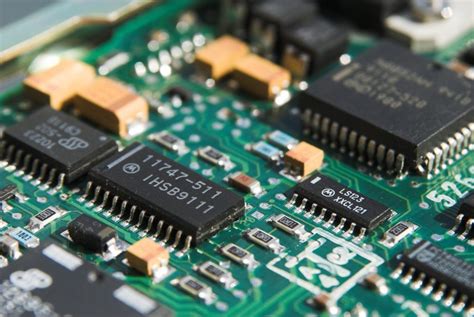
In the rapidly evolving world of electronics, the demand for heavy copper printed circuit boards (PCBs) has seen a significant rise. These PCBs, characterized by their thick copper layers, are essential in applications requiring high current or enhanced thermal management. As the global leader in electronics manufacturing, China hosts a plethora of companies specializing in heavy copper PCBs. Understanding the landscape of top Chinese heavy copper PCB manufacturers is crucial for businesses seeking reliable partners in this niche market.
To begin with, one of the most prominent players in this field is King Sun PCB.
Known for its advanced manufacturing capabilities, King Sun PCB has established itself as a leader in producing high-quality heavy copper PCBs. The company utilizes state-of-the-art technology to ensure precision and reliability, catering to industries such as automotive, aerospace, and industrial equipment. Their commitment to innovation and quality assurance has earned them a strong reputation both domestically and internationally.
Another noteworthy manufacturer is JLCPCB, which has gained recognition for its cost-effective solutions and rapid prototyping services.
JLCPCB’s ability to produce heavy copper PCBs with varying thicknesses allows them to meet diverse customer requirements. Their streamlined production processes and efficient supply chain management contribute to their competitive pricing, making them an attractive option for businesses looking to balance quality and cost.
Moreover, Shenzhen Suntak Multilayer PCB Co., Ltd. stands out as a key player in the heavy copper PCB market.
With a focus on research and development, Suntak has consistently pushed the boundaries of PCB technology. Their heavy copper PCBs are known for their durability and performance, making them suitable for high-power applications. Suntak’s dedication to sustainability and environmental responsibility further enhances their appeal to eco-conscious clients.
In addition to these companies, Wurth Elektronik is another significant manufacturer worth mentioning.
Although originally a German company, Wurth Elektronik has established a strong presence in China, leveraging the country’s manufacturing prowess. Their heavy copper PCBs are renowned for their exceptional quality and reliability, supported by rigorous testing and quality control measures. Wurth Elektronik’s global reach and technical expertise make them a preferred partner for multinational corporations seeking consistent and high-performance PCB solutions.
Furthermore, Victory Giant Technology (VGT) is a rising star in the heavy copper PCB industry.
VGT’s emphasis on technological advancement and customer-centric solutions has propelled them to the forefront of the market. Their heavy copper PCBs are designed to withstand extreme conditions, making them ideal for applications in renewable energy and telecommunications. VGT’s strategic investments in research and development ensure that they remain at the cutting edge of PCB technology.
In conclusion, the landscape of heavy copper PCB manufacturing in China is both diverse and dynamic. Companies like King Sun PCB, JLCPCB, Shenzhen Suntak Multilayer PCB Co., Ltd., Wurth Elektronik, and Victory Giant Technology exemplify the innovation and quality that define this sector. As the demand for heavy copper PCBs continues to grow, these manufacturers are well-positioned to meet the needs of industries worldwide. By focusing on technological advancements, cost-effectiveness, and sustainability, they are setting new standards in the global electronics market. For businesses seeking reliable and high-quality heavy copper PCB solutions, these Chinese manufacturers represent a compelling choice.
The Role Of Heavy Copper PCBs In China’s Electronics Industry
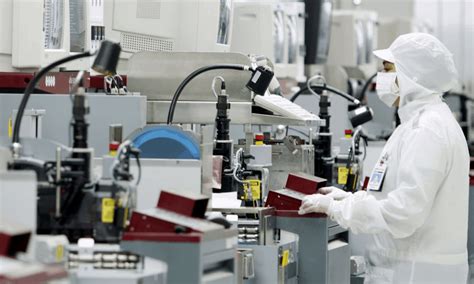
In recent years, the electronics industry has witnessed significant advancements, with heavy copper printed circuit boards (PCBs) playing a pivotal role in this evolution. China, as a global leader in electronics manufacturing, has emerged as a key player in the production of heavy copper PCBs. These specialized PCBs are characterized by their thick copper layers, typically ranging from 3 ounces per square foot to over 20 ounces, which provide enhanced durability and superior electrical conductivity. As the demand for more robust and reliable electronic components continues to grow, heavy copper PCBs have become indispensable in various high-power applications, including power supplies, automotive systems, and industrial controls.
The rise of heavy copper PCBs in China’s electronics industry can be attributed to several factors.
Firstly, the country’s well-established manufacturing infrastructure and skilled workforce have enabled it to produce high-quality PCBs at competitive prices. This has attracted numerous international companies seeking cost-effective solutions without compromising on quality. Furthermore, China’s commitment to technological innovation has spurred the development of advanced manufacturing techniques, allowing for the efficient production of heavy copper PCBs that meet the stringent requirements of modern electronic devices.
In addition to manufacturing capabilities, China’s heavy copper PCB manufacturers benefit from a robust supply chain that ensures the availability of essential raw materials.
Copper, being a critical component of these PCBs, is sourced from both domestic and international suppliers, ensuring a steady supply to meet the growing demand. This reliable access to raw materials, coupled with efficient production processes, has positioned China as a leading exporter of heavy copper PCBs, catering to markets across North America, Europe, and Asia.
Moreover, the versatility of heavy copper PCBs has contributed to their widespread adoption in various sectors.
In the automotive industry, for instance, these PCBs are used in electric vehicles (EVs) to manage high currents and ensure efficient power distribution. As the global shift towards sustainable transportation gains momentum, the demand for heavy copper PCBs in EVs is expected to rise significantly. Similarly, in the renewable energy sector, these PCBs are utilized in solar power systems and wind turbines, where they play a crucial role in handling high power levels and ensuring system reliability.
Furthermore, the industrial sector relies heavily on heavy copper PCBs for applications that require high thermal management and mechanical strength.
These PCBs are integral to the operation of industrial machinery and equipment, where they help maintain optimal performance under demanding conditions. As industries continue to embrace automation and smart technologies, the need for durable and efficient electronic components will only increase, further driving the demand for heavy copper PCBs.
In conclusion, the role of heavy copper PCBs in China’s electronics industry is both significant and multifaceted. The country’s ability to produce these specialized PCBs efficiently and cost-effectively has solidified its position as a global leader in the field. As technological advancements continue to shape the future of electronics, the demand for heavy copper PCBs is poised to grow, driven by their essential role in high-power applications across various industries. Consequently, China’s heavy copper PCB manufacturers are well-positioned to capitalize on this trend, contributing to the ongoing evolution of the global electronics landscape.
Quality Standards In China’s Heavy Copper PCB Production
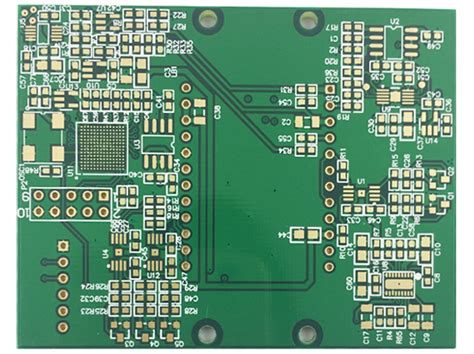
In recent years, China’s heavy copper printed circuit board (PCB) manufacturers have emerged as pivotal players in the global electronics industry. These manufacturers have not only expanded their production capabilities but have also significantly enhanced the quality standards of their products. As the demand for heavy copper PCBs continues to rise, driven by their application in high-power electronic devices and systems, understanding the quality standards adhered to by Chinese manufacturers becomes increasingly important.
To begin with, heavy copper PCBs are characterized by their thick copper layers, typically ranging from 3 oz/ft² to 20 oz/ft² or more.
This increased copper thickness allows for higher current carrying capacity and improved thermal management, making them ideal for power supply systems, automotive applications, and industrial equipment. Chinese manufacturers have recognized the critical role that quality plays in these applications and have thus invested heavily in state-of-the-art technology and processes to ensure their products meet international standards.
One of the primary quality standards that Chinese heavy copper PCB manufacturers adhere to is the ISO 9001 certification.
This certification is a testament to a company’s commitment to maintaining a robust quality management system. By implementing ISO 9001 standards, manufacturers ensure that their production processes are consistently monitored and improved, leading to high-quality products that meet customer expectations. Furthermore, many manufacturers also comply with the IPC standards, particularly IPC-6012, which specifies the performance and qualification requirements for rigid PCBs. Adherence to these standards ensures that the PCBs are reliable and durable, capable of withstanding the demanding conditions of high-power applications.
In addition to these certifications, Chinese manufacturers have also embraced advanced manufacturing techniques to enhance the quality of their heavy copper PCBs.
For instance, the use of automated optical inspection (AOI) systems allows for precise detection of defects during the production process, ensuring that only flawless products reach the market. Moreover, the implementation of computer-aided design (CAD) and computer-aided manufacturing (CAM) technologies has streamlined the design and production processes, resulting in PCBs with superior performance characteristics.
Another critical aspect of quality assurance in China’s heavy copper PCB production is the rigorous testing procedures employed by manufacturers.
These tests include thermal stress testing, electrical testing, and reliability testing, all of which are designed to evaluate the performance of the PCBs under various conditions. By subjecting their products to such comprehensive testing, manufacturers can identify and rectify potential issues before the PCBs are deployed in real-world applications.
Furthermore, Chinese manufacturers are increasingly focusing on sustainability and environmental responsibility in their production processes.
Many have adopted the Restriction of Hazardous Substances (RoHS) directive, which limits the use of specific hazardous materials in electronic products. This commitment to environmental standards not only enhances the quality of the PCBs but also aligns with global efforts to reduce the environmental impact of electronic manufacturing.
In conclusion, the quality standards in China’s heavy copper PCB production are a testament to the country’s growing expertise and commitment to excellence in the electronics industry. Through adherence to international certifications, the adoption of advanced manufacturing technologies, rigorous testing procedures, and a focus on sustainability, Chinese manufacturers have positioned themselves as leaders in the production of high-quality heavy copper PCBs. As the demand for these specialized PCBs continues to grow, the emphasis on quality will undoubtedly remain a cornerstone of China’s manufacturing strategy.