
China high speed pcb
Innovations In High-Speed PCB Design For China’s Tech Industry
In recent years, China’s tech industry has witnessed remarkable advancements, particularly in the realm of high-speed printed circuit board (PCB) design. As the demand for faster and more efficient electronic devices continues to surge, the need for innovative PCB solutions has become increasingly critical.
High-speed PCBs are essential components in modern electronics, enabling rapid data transmission and supporting the complex functionalities of cutting-edge technologies. Consequently, China’s focus on enhancing high-speed PCB design is pivotal to maintaining its competitive edge in the global tech landscape.
One of the primary drivers of innovation in high-speed PCB design is the burgeoning demand for 5G technology.
As 5G networks promise unprecedented data speeds and connectivity, the underlying hardware must be capable of supporting these advancements. High-speed PCBs play a crucial role in this context, as they facilitate the seamless transmission of high-frequency signals required by 5G devices. To meet these demands, Chinese manufacturers are investing heavily in research and development, exploring new materials and design techniques that can accommodate the higher frequencies and increased data rates associated with 5G technology.
Moreover, the rise of artificial intelligence (AI) and the Internet of Things (IoT) further underscores the importance of high-speed PCB innovation.
AI applications, ranging from autonomous vehicles to smart home devices, require rapid data processing and communication capabilities. Similarly, IoT devices, which are expected to proliferate in the coming years, rely on efficient data exchange to function effectively. High-speed PCBs are integral to these technologies, ensuring that data can be transmitted quickly and reliably across various components and systems. In response, Chinese companies are developing advanced PCB designs that minimize signal loss and electromagnetic interference, thereby enhancing the performance of AI and IoT applications.
Transitioning to the manufacturing aspect, the production of high-speed PCBs in China is also undergoing significant transformation.
Automation and precision manufacturing techniques are being increasingly adopted to improve the quality and consistency of PCB production. These advancements not only reduce production costs but also enable manufacturers to meet the stringent quality standards required for high-speed applications. Furthermore, the integration of advanced testing and inspection technologies ensures that each PCB meets the necessary performance criteria before it reaches the market.
In addition to technological advancements, collaboration between industry and academia is playing a vital role in driving innovation in high-speed PCB design.
Chinese universities and research institutions are partnering with tech companies to explore new design methodologies and materials. This collaborative approach fosters a dynamic environment where theoretical research can be rapidly translated into practical applications, accelerating the pace of innovation.
As China continues to position itself as a leader in the global tech industry, the importance of high-speed PCB design cannot be overstated.
The ongoing innovations in this field are not only enhancing the performance of current technologies but also paving the way for future advancements. By focusing on high-speed PCB development, China is ensuring that its tech industry remains at the forefront of global innovation, capable of meeting the ever-evolving demands of modern electronics. As a result, the country’s commitment to advancing high-speed PCB technology is poised to have a lasting impact on the global tech landscape, driving progress and setting new standards for electronic design and manufacturing.

Challenges And Solutions In Manufacturing High-Speed PCBs In China
The manufacturing of high-speed printed circuit boards (PCBs) in China presents a unique set of challenges and opportunities that are critical to the advancement of modern electronics. As the demand for faster and more efficient electronic devices continues to grow, the need for high-speed PCBs, which can handle higher frequencies and faster data transmission rates, becomes increasingly important. However, the production of these advanced PCBs is not without its difficulties, particularly in a rapidly evolving market like China.
One of the primary challenges in manufacturing high-speed PCBs in China is the complexity of the design and fabrication processes.
High-speed PCBs require precise engineering to ensure signal integrity and minimize electromagnetic interference, which can degrade performance. This necessitates the use of advanced materials and technologies, such as low-loss dielectrics and high-frequency laminates, which can be difficult to source and implement. Moreover, the intricate designs often require sophisticated manufacturing techniques, including laser drilling and fine-line etching, which demand a high level of expertise and precision.
In addition to technical complexities, the high-speed PCB industry in China faces logistical challenges.
The supply chain for advanced materials and components can be fragmented, leading to potential delays and increased costs. Furthermore, the rapid pace of technological advancement means that manufacturers must continuously invest in research and development to stay competitive. This requires not only financial resources but also a skilled workforce capable of adapting to new technologies and methodologies.
Despite these challenges, there are several solutions that manufacturers in China are adopting to enhance their capabilities in producing high-speed PCBs.
One approach is the establishment of strategic partnerships with global suppliers and technology providers. By collaborating with international companies, Chinese manufacturers can gain access to cutting-edge materials and technologies, as well as valuable expertise in high-speed PCB design and production. This can help to streamline the supply chain and reduce the time-to-market for new products.
Another solution is the investment in advanced manufacturing equipment and automation.
By upgrading their production facilities with state-of-the-art machinery, Chinese manufacturers can improve the precision and efficiency of their fabrication processes. Automation also plays a crucial role in reducing human error and increasing production throughput, which is essential for meeting the growing demand for high-speed PCBs.
Furthermore, the development of a skilled workforce is vital for the success of the high-speed PCB industry in China.
This can be achieved through targeted training programs and partnerships with educational institutions to cultivate a new generation of engineers and technicians. By equipping workers with the necessary skills and knowledge, manufacturers can ensure that they are well-prepared to tackle the challenges of high-speed PCB production.
In conclusion, while the manufacturing of high-speed PCBs in China presents several challenges, there are also numerous opportunities for growth and innovation. By addressing the technical, logistical, and workforce-related issues, Chinese manufacturers can enhance their capabilities and maintain their competitive edge in the global market. Through strategic partnerships, investment in advanced technologies, and workforce development, the high-speed PCB industry in China is well-positioned to meet the demands of the future and continue its trajectory of success.
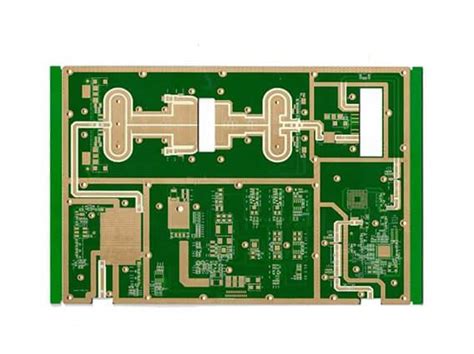
The Role Of High-Speed PCBs In China’s 5G Network Expansion
The rapid expansion of 5G networks across the globe has ushered in a new era of connectivity, promising unprecedented speeds and seamless communication. At the heart of this technological revolution lies the high-speed printed circuit board (PCB), a critical component that ensures the efficient transmission of data.
In China, a country at the forefront of 5G deployment, high-speed PCBs play a pivotal role in supporting the infrastructure necessary for this next-generation network.
As we delve into the significance of high-speed PCBs in China’s 5G network expansion, it is essential to understand their function and the challenges they address.
High-speed PCBs are designed to handle the increased data rates and frequencies associated with 5G technology.
Unlike traditional PCBs, which may struggle with signal integrity at higher speeds, high-speed PCBs are engineered to minimize signal loss and electromagnetic interference. This is achieved through advanced materials and design techniques that ensure the reliable transmission of high-frequency signals. In the context of 5G, where data is transmitted at gigabit speeds, the role of high-speed PCBs becomes even more crucial. They serve as the backbone of the network, facilitating the seamless flow of information between various components.
China’s commitment to 5G is evident in its ambitious plans to build a comprehensive network that covers urban and rural areas alike.
This expansion requires a robust infrastructure, and high-speed PCBs are integral to this effort. They are used in a wide range of 5G equipment, including base stations, routers, and mobile devices. By enabling faster data processing and reducing latency, high-speed PCBs contribute to the overall efficiency and reliability of the network. Moreover, they support the deployment of advanced technologies such as massive MIMO (multiple-input, multiple-output) and beamforming, which are essential for maximizing the capacity and coverage of 5G networks.
The development and production of high-speed PCBs in China have also spurred significant advancements in the country’s electronics manufacturing sector.
As demand for these components grows, Chinese manufacturers are investing in research and development to enhance their capabilities. This has led to innovations in PCB design and fabrication, positioning China as a leader in the global high-speed PCB market. Furthermore, the emphasis on quality and performance has driven improvements in manufacturing processes, resulting in more reliable and cost-effective solutions.
However, the widespread adoption of high-speed PCBs in China’s 5G network expansion is not without challenges.
The complexity of these components requires specialized knowledge and expertise, which can be a barrier for some manufacturers. Additionally, the need for high-quality materials and precise manufacturing techniques can increase production costs. Despite these hurdles, the benefits of high-speed PCBs in enabling 5G connectivity far outweigh the challenges, making them an indispensable part of the network infrastructure.
In conclusion, high-speed PCBs are a cornerstone of China’s 5G network expansion, providing the necessary support for high-speed data transmission and advanced communication technologies. As China continues to lead the way in 5G deployment, the role of high-speed PCBs will only become more prominent, driving further innovation and development in the electronics manufacturing industry. Through continued investment and research, China is poised to maintain its position at the forefront of this technological revolution, ensuring that its 5G networks remain among the most advanced and efficient in the world.

Future Trends In High-Speed PCB Technology In China
As the global demand for advanced electronics continues to surge, China remains at the forefront of high-speed printed circuit board (PCB) technology, driving innovation and setting trends that are likely to shape the future of the industry. The rapid evolution of high-speed PCBs in China is not only a testament to the country’s robust manufacturing capabilities but also a reflection of its commitment to research and development in the electronics sector. This commitment is evident in the increasing sophistication of PCBs, which are essential components in a wide array of high-tech applications, from telecommunications to computing and beyond.
One of the most significant trends in high-speed PCB technology in China is the push towards miniaturization.
As electronic devices become more compact, the need for smaller, yet more powerful, PCBs has become paramount. Chinese manufacturers are investing heavily in technologies that allow for the production of multi-layered PCBs with reduced thickness and enhanced performance. This trend is driven by the demand for portable devices, such as smartphones and tablets, which require compact components without compromising on speed or efficiency.
In addition to miniaturization, there is a growing emphasis on improving the thermal management of high-speed PCBs.
As electronic devices become more powerful, they generate more heat, which can adversely affect performance and longevity. Chinese researchers and manufacturers are exploring innovative materials and design techniques to enhance heat dissipation. For instance, the use of advanced substrates and thermal vias is becoming more prevalent, allowing for better heat management and, consequently, more reliable high-speed PCBs.
Moreover, the integration of artificial intelligence (AI) and machine learning into PCB design and manufacturing processes is another trend gaining traction in China.
These technologies enable more precise and efficient design processes, reducing the time and cost associated with PCB production. By leveraging AI, manufacturers can optimize the layout and routing of PCBs, ensuring that they meet the high-speed requirements of modern electronic devices. This integration not only enhances the performance of PCBs but also contributes to the overall advancement of smart manufacturing practices in the country.
Furthermore, the shift towards environmentally sustainable practices is influencing the future of high-speed PCB technology in China.
As global awareness of environmental issues grows, there is increasing pressure on manufacturers to adopt eco-friendly practices. Chinese companies are responding by developing PCBs that use less harmful materials and by implementing recycling and waste reduction strategies. This trend is likely to continue as both domestic and international regulations become more stringent, pushing the industry towards greener solutions.
In conclusion, the future of high-speed PCB technology in China is characterized by a focus on miniaturization, improved thermal management, the integration of AI, and sustainable practices. These trends are not only shaping the domestic market but are also influencing global standards in PCB technology. As China continues to lead in this field, it is poised to play a crucial role in the development of next-generation electronic devices, ensuring that they are faster, more efficient, and more environmentally friendly. The advancements in high-speed PCB technology in China are a testament to the country’s innovative spirit and its ability to adapt to the ever-changing demands of the global electronics market.