
Exploring Advanced Circuits for Barebones PCB Solutions

Key Takeaways
When considering advanced circuits for barebones PCB solutions, it’s essential to recognize the intricate relationship between design efficiency and pcb manufacturing. A keen understanding of what to expect during the pcb manufacturing process can greatly influence the final product. You should prioritize working with reputable pcb manufacturing companies that can deliver high-quality results while being mindful of cost and lead times. The goal is to produce a barebones PCB that not only meets performance criteria but is also economically viable. Remember, the efficiency of your design will ultimately influence the overall pcb manufacturing cost; thus, meticulous planning can help streamline production, minimize waste, and improve functionality. Investing in quality components and optimized layouts is crucial for a successful pcb manufacturing business, one that can adapt to various technological advancements while maintaining competitive pricing. By focusing on these elements, you can enhance the performance of your electronics and achieve better market positioning.
Introduction to Advanced Circuits and Barebones PCBs
In the realm of electronics, understanding advanced circuits and their application in barebones PCBs is crucial for enhancing performance and reducing costs. As you explore various PCB manufacturing options, you’ll discover that these solutions are designed not just for functionality but also for efficiency. By choosing the right PCB manufacturing companies, you can ensure that your circuit designs are optimized for both space and performance. Effective PCB manufacturing business strategies often involve minimizing the PCB manufacturing cost while maximizing output quality. Advanced circuits allow you to integrate multiple components onto a single board, making it essential to adopt best practices in layout design. This includes key considerations like signal integrity and trace routing, which can significantly impact overall performance. In this context, understanding the nuances of advanced circuitry will empower you to make informed decisions during the design phase, ultimately leading to cost-effective solutions without compromising on quality. For instance, using surface-mount technology (SMT) can enhance your manufacturing process, offering a more compact design that aligns with modern consumer electronics demands. In summary, leveraging advanced circuits within barebones PCB frameworks not only optimizes your design but also paves the way for innovative applications in various electronic devices.
| Feature | Description |
|---|---|
| Size | More compact designs with reduced footprint |
| Efficiency | Enhanced electrical performance |
| Cost-Effectiveness | Lower production costs through optimized processes |
| Integration | Ability to merge multiple functions into one board |
Key Characteristics of Barebones PCB Solutions
When discussing barebones PCB solutions, it’s essential to highlight their unique characteristics that distinguish them from standard PCBs. One of the most significant traits is their minimalist design, which emphasizes only the necessary components and connections for the intended function. This approach not only leads to reduced complexity but also results in lower PCB manufacturing costs. By focusing on the essential elements, you can effectively streamline your design and improve manufacturability, which is a critical consideration for you when collaborating with PCB manufacturing companies.
Additionally, barebones PCBs support high-density layouts, making them suitable for applications where space is at a premium. This design flexibility allows you to create efficient circuits without compromising performance. Moreover, the ease of assembly and maintenance in these designs contributes to their growing popularity in various electronic applications.
“Embracing simplicity in your designs can lead to remarkable efficiencies,” reflects contemporary insights on advanced circuit design.
Furthermore, investing in barebones solutions can significantly reduce the overall time involved in both PCB manufacturing and assembly processes, helping you position your PCB manufacturing business favorably in a competitive market. Understanding how these characteristics play into the larger context of advanced circuit design will be crucial for your success in electronic projects.
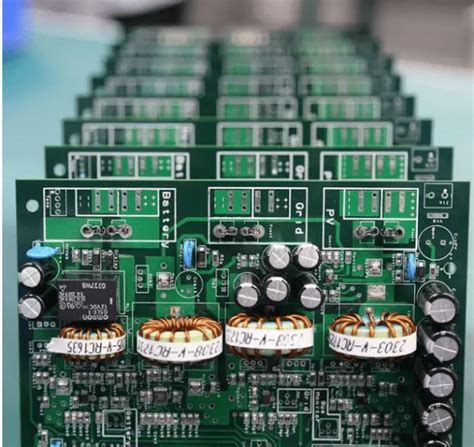
Designing for Efficiency: Best Practices in PCB Layout
When it comes to barebones PCB solutions, effective design is crucial for ensuring both functionality and cost-efficiency. One of the essential best practices in PCB layout is maintaining a compact design. This maximizes space while minimizing the PCB manufacturing cost. To achieve this, consider using advanced circuits that can integrate multiple functions into a single board, reducing the need for additional components. Careful planning of trace width and spacing allows for optimal signal integrity and minimizes interference, which is vital in densely packed environments.
Moreover, utilizing pcb manufacturing companies that specialize in advanced technology can significantly enhance your designs. They often utilize sophisticated tools and techniques that optimize the layout further during the manufacturing phase. In doing so, you can ensure reduced lead times and improved turnaround efficiency.
Another key aspect is to adopt modular design principles where applicable. By designing barebones PCBs with interchangeable components, you make it easier to adapt your design based on evolving requirements without incurring extensive rework costs. This flexibility not only aligns with a more sustainable approach but also positions your pcb manufacturing business for better scalability as technology and market demands shift.
Considering these practices during initial design phases can ultimately lead to enhanced performance while keeping production processes streamlined, thereby reaping long-term benefits not just in functionality but also in overall project viability.
Manufacturing Techniques for Advanced Circuitry
In the realm of pcb manufacturing, employing advanced techniques can significantly enhance the performance and reliability of barebones PCBs. Modern pcb manufacturing companies are increasingly adopting innovative methods such as automated assembly and surface-mount technology, which streamline the production process and reduce the overall pcb manufacturing cost. These techniques prioritize precision and minimize material waste, translating into more efficient production cycles. Additionally, integrating reliable quality assurance measures during the pcb manufacturing business process ensures that each unit meets rigorous standards, ultimately leading to better functionality for end users. By understanding and implementing these advanced techniques, you can achieve a barebones PCB that not only meets your design specifications but also thrives in performance under various conditions. The combination of automation and quality-focused practices allows you to produce PCB solutions that are both cost-effective and high-quality, paving the way for robust applications in today’s electronics landscape.
Streamlined Processes: Enhancing Performance in Electronics
In today’s fast-paced electronics industry, the demand for efficiency and performance has led to a significant focus on streamlined processes. When it comes to barebones PCB solutions, understanding the intricacies of advanced circuits plays a crucial role in enhancing overall performance. You may find that implementing efficient design practices not only minimizes the PCB manufacturing cost but also allows for quicker turnaround times without compromising quality. By leveraging insights from PCB manufacturing companies, you can gain access to innovative techniques and methodologies that can significantly improve your production workflow. This is particularly important when considering the competition in the PCB manufacturing business, where speed and precision are paramount. As you explore these advanced circuits, you’ll discover that employing streamlined processes offers multiple advantages, such as reduced material waste, improved reliability in circuit functionality, and enhanced adaptability in design changes—all contributing to an optimized manufacturing strategy. Ultimately, by focusing on these elements, you are well-positioned to elevate your projects to meet the rigorous demands of modern electronics development.
Benefits of Using Advanced Circuits in Barebones Designs
When you integrate advanced circuits into your barebones PCB designs, you’ll discover a multitude of benefits that enhance both functionality and reliability. First and foremost, these circuits can significantly reduce the PCB manufacturing cost by simplifying the overall layout and minimizing the number of required components. This efficiency not only speeds up production time but also makes it easier to manage your project within budgetary constraints.
Moreover, partnering with reputable PCB manufacturing companies ensures that you leverage state-of-the-art technology which can lead to improved circuit performance. These companies often employ cutting-edge techniques that enhance the durability and effectiveness of your designs, allowing for greater flexibility in applications. The use of advanced circuitry also enables you to optimize space on your printed circuit board, which is critical in today’s compact electronic devices.
Furthermore, by focusing on a streamlined approach in the pcb manufacturing business, you can benefit from consistent quality and reduced variability across batches. This means fewer errors during manufacturing and increased reliability in performance during operation. In essence, leveraging advanced circuits within your barebones designs doesn’t just simplify production; it elevates the overall performance and longevity of electronic devices, allowing you to meet market demands with confidence.
Case Studies: Successful Implementations of Barebones PCBs
Examining real-world applications of barebones PCBs reveals just how impactful these designs can be when combined with advanced circuits. One company, specializing in consumer electronics, adopted a barebones PCB strategy and saw significant improvements in their product’s performance. By working closely with reputable pcb manufacturing companies, they reduced the pcb manufacturing cost while incorporating sophisticated circuitry that facilitated faster processing speeds and decreased power consumption. Another success story is in the realm of medical devices, where streamlined pcb manufacturing led to a compact design that is both lightweight and highly effective. The manufacturers leveraged their expertise to refine their pcb manufacturing business, demonstrating that focusing on efficient design can result in remarkable advancements in technology. These case studies underscore the potential of advanced circuits in transforming applications across various industries, proving that when efficiency meets innovation, the results can be both impressive and profitable.

Future Trends in Advanced Circuit Design for Electronics
As you look towards the future of advanced circuit design, several trends emerge that promise to reshape the landscape of electronics, particularly in the realm of barebones PCBs. One significant development is the increasing demand for miniaturization without compromising performance. You can expect PCB manufacturing companies to adapt by employing innovative materials and techniques that enhance signal integrity while reducing overall size. Moreover, advancements in software tools for layout design also play a crucial role in optimizing board space and improving efficiency.
Another trend is the growing emphasis on sustainability within the PCB manufacturing business. This shift encourages companies to utilize eco-friendly materials and processes, thereby lowering the PCB manufacturing cost while being mindful of environmental footprints. Additionally, automation and AI-driven technologies are anticipated to revolutionize the way you approach PCB assembly, significantly decreasing production timelines and minimizing errors. As you navigate these evolving trends, integrating advanced circuits into your designs will not only optimize functionality but also position your products at the forefront of innovation in electronics.

Conclusion
In the evolving landscape of advanced circuits and barebones PCBs, understanding the implications of pcb manufacturing is crucial for achieving optimal performance and cost-effectiveness in your projects. Through careful selection of pcb manufacturing companies that specialize in innovative techniques, you can ensure that your designs are not only efficient but also economically viable. It’s important to consider the pcb manufacturing cost, as this can significantly affect your overall budget and project timeline. By cultivating partnerships with reputable companies in the pcb manufacturing business, you can tap into a wealth of knowledge and resources that will enhance your design process. As you aim for streamlined processes, remember that investing in cutting-edge advanced circuits can lead to improved reliability and functionality in your electronics, ultimately setting you up for success in this competitive field.
FAQs
What are the main advantages of using advanced circuits in barebones PCB designs?
The primary advantages include enhanced design efficiency, reduced manufacturing costs, and improved performance. By utilizing advanced circuits, you can achieve compact designs that simplify component integration.
How do I choose the right PCB manufacturing company for my project?
Look for pcb manufacturing companies that specialize in advanced circuit designs and have a strong track record of delivering quality products. Consider their capabilities in handling your specific requirements regarding speed, precision, and scale.
What factors contribute to PCB manufacturing cost?
The pcb manufacturing cost is influenced by several elements, including material quality, complexity of the design, layer count, and quantity produced. Conducting thorough research on these factors will help in budgeting effectively.
Can I reduce costs by simplifying my PCB design?
Yes, streamlining your design can significantly lower costs. Fewer layers and components often lead to lower pcb manufacturing costs, making it crucial to balance complexity with functionality.
What are some best practices for designing efficient barebones PCBs?
Focus on compact layouts, minimize trace lengths, and strategically place components. This increases design efficiency while also aiding the pcb manufacturing process, thus enhancing overall performance.