
Cost of rigid flex pcb
Understanding The Cost Factors Of Rigid Flex PCB Manufacturing
The cost of manufacturing rigid-flex printed circuit boards (PCBs) is influenced by a multitude of factors, each contributing to the overall expense in varying degrees. Understanding these cost factors is crucial for businesses and engineers who aim to optimize their designs while maintaining budgetary constraints. Rigid-flex PCBs, known for their versatility and reliability, combine the benefits of both rigid and flexible circuits, making them an ideal choice for complex electronic applications. However, this complexity also introduces several cost considerations that must be carefully evaluated.
To begin with, the materials used in rigid-flex PCB manufacturing significantly impact the cost.
These PCBs require a combination of rigid and flexible substrates, such as polyimide for the flexible layers and FR-4 for the rigid sections. The choice of materials is critical, as it affects not only the performance and durability of the PCB but also its price. High-quality materials that offer better thermal stability and flexibility tend to be more expensive, thus increasing the overall cost.
Additionally, the thickness and number of layers in the PCB design further influence material costs, with more layers generally leading to higher expenses.
Moreover, the complexity of the design plays a pivotal role in determining the cost of rigid-flex PCBs.
Designs that incorporate intricate patterns, multiple layers, and fine lines require advanced manufacturing techniques and precision equipment, which can drive up production costs. The need for specialized skills and technology to produce these complex designs often results in higher labor costs as well. Furthermore, the integration of additional components, such as connectors and shielding, can add to the complexity and, consequently, the cost.
Another significant factor is the production volume.
Like many manufacturing processes, the cost per unit of rigid-flex PCBs decreases as the production volume increases. This is due to economies of scale, where the fixed costs of setup and tooling are spread over a larger number of units, reducing the cost per unit. However, for small production runs or prototypes, the cost per unit can be substantially higher, as the initial setup costs are distributed over a smaller quantity.
In addition to these factors, the testing and quality assurance processes also contribute to the cost of rigid-flex PCBs.
Ensuring the reliability and performance of these PCBs is paramount, especially in applications where failure is not an option. Comprehensive testing procedures, such as electrical testing and thermal cycling, are necessary to verify the integrity of the PCBs. These processes require sophisticated equipment and skilled personnel, adding to the overall manufacturing cost.
Furthermore, lead times and supply chain considerations can influence the cost.
Expedited production schedules often incur additional charges, as manufacturers may need to prioritize resources and labor to meet tight deadlines. Similarly, fluctuations in the supply chain, such as material shortages or increased demand, can affect pricing and availability, impacting the cost of production.
In conclusion, the cost of manufacturing rigid-flex PCBs is determined by a combination of material selection, design complexity, production volume, testing requirements, and supply chain dynamics. By understanding these factors, businesses and engineers can make informed decisions to balance performance and cost-effectiveness in their PCB designs. As technology continues to advance, the demand for rigid-flex PCBs is likely to grow, making it increasingly important to navigate these cost factors effectively.
How Design Complexity Affects Rigid Flex PCB Pricing
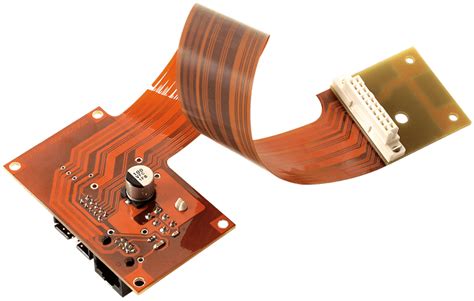
The cost of rigid-flex printed circuit boards (PCBs) is a multifaceted subject influenced by various factors, with design complexity being a primary determinant. As the demand for more compact and efficient electronic devices grows, the intricacies involved in designing rigid-flex PCBs have become more pronounced. Understanding how design complexity affects pricing is crucial for manufacturers and designers aiming to optimize both performance and cost.
To begin with, the very nature of rigid-flex PCBs, which combine the benefits of both rigid and flexible circuits, inherently introduces complexity.
These boards are designed to fit into compact spaces while maintaining high reliability and performance. The integration of flexible layers with rigid sections allows for three-dimensional configurations, which can significantly reduce the size and weight of the final product. However, this complexity in design translates directly into higher costs. The more intricate the design, the more challenging it becomes to manufacture, leading to increased production expenses.
Moreover, the number of layers in a rigid-flex PCB is a critical factor that influences cost.
As the number of layers increases, so does the complexity of the design. Each additional layer requires precise alignment and lamination, which demands advanced manufacturing techniques and equipment. This not only increases material costs but also extends production time, thereby elevating the overall cost. Furthermore, the need for specialized materials that can withstand the bending and flexing inherent in these designs adds another layer of expense.
In addition to the number of layers, the trace width and spacing are pivotal in determining the cost of rigid-flex PCBs.
As electronic devices become more sophisticated, the need for finer traces and tighter spacing becomes apparent. Achieving these specifications requires high-precision manufacturing processes, which are inherently more expensive. The tighter the tolerances, the more meticulous the manufacturing process must be, leading to increased costs.
Another aspect to consider is the complexity of the interconnections between the rigid and flexible sections.
Designing these interconnections requires a deep understanding of both mechanical and electrical engineering principles. The more complex the interconnections, the more time and expertise are required to design and test them, which can significantly impact the cost. Additionally, ensuring that these interconnections are reliable and durable over the product’s lifespan adds another layer of complexity and cost.
Furthermore, the choice of materials plays a significant role in the cost structure.
High-quality materials that offer better performance and durability are often more expensive. For instance, materials that provide superior thermal management or enhanced electrical performance can drive up costs. Designers must carefully balance the need for high-performance materials with budget constraints to achieve an optimal design.
Finally, the testing and validation phase of rigid-flex PCBs is another area where design complexity affects cost.
More complex designs require extensive testing to ensure reliability and performance. This involves sophisticated testing equipment and methodologies, which can be costly. The more intricate the design, the more rigorous the testing process must be, further adding to the overall expense.
In conclusion, the cost of rigid-flex PCBs is significantly influenced by design complexity. Factors such as the number of layers, trace width and spacing, interconnection complexity, material choice, and testing requirements all contribute to the final cost. As technology continues to advance, understanding these cost drivers becomes essential for manufacturers and designers striving to create efficient and cost-effective solutions. By carefully considering these elements, it is possible to manage costs while still achieving the desired performance and reliability in rigid-flex PCB designs.
Comparing Rigid Flex PCB Costs With Traditional PCB Solutions
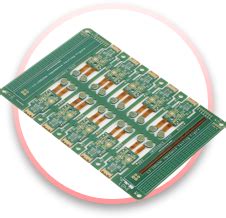
When evaluating the cost of rigid-flex PCBs compared to traditional PCB solutions, it is essential to consider several factors that influence pricing. Rigid-flex PCBs, known for their versatility and ability to integrate both rigid and flexible circuit elements, offer distinct advantages over conventional rigid PCBs. However, these benefits often come with a higher price tag, which can be attributed to various aspects of their design and manufacturing processes.
To begin with, the complexity of rigid-flex PCBs plays a significant role in their cost.
Unlike traditional PCBs, which consist solely of rigid layers, rigid-flex PCBs incorporate flexible layers that require additional design considerations. This complexity necessitates advanced design software and expertise, which can increase the initial design costs. Moreover, the integration of flexible layers demands precise engineering to ensure reliability and performance, further contributing to the overall expense.
In addition to design complexity, the materials used in rigid-flex PCBs also impact their cost.
These PCBs typically employ high-quality materials such as polyimide for the flexible layers, which are more expensive than the standard FR-4 material used in traditional PCBs. The choice of materials is crucial, as it affects the PCB’s ability to withstand various environmental conditions and mechanical stresses. Consequently, the superior material properties of rigid-flex PCBs justify their higher cost, as they offer enhanced durability and performance in demanding applications.
Furthermore, the manufacturing process of rigid-flex PCBs is more intricate than that of traditional PCBs.
The production of rigid-flex PCBs involves multiple steps, including the lamination of flexible and rigid layers, precise drilling, and meticulous assembly. Each of these steps requires specialized equipment and skilled labor, which can drive up manufacturing costs. Additionally, the need for rigorous testing and quality assurance to ensure the reliability of the final product adds to the overall expense.
Despite the higher initial costs, rigid-flex PCBs can offer long-term cost savings in certain applications.
Their ability to reduce the number of connectors and interconnections in a design can lead to a decrease in assembly time and potential points of failure. This reduction in complexity can result in lower maintenance costs and improved reliability over the product’s lifespan. Therefore, while the upfront investment may be higher, the total cost of ownership for rigid-flex PCBs can be more favorable in the long run.
Moreover, the miniaturization trend in electronics has increased the demand for compact and lightweight solutions, further highlighting the advantages of rigid-flex PCBs.
Their ability to conform to tight spaces and reduce the overall size and weight of electronic devices makes them an attractive option for industries such as aerospace, medical devices, and consumer electronics. In these sectors, the benefits of rigid-flex PCBs often outweigh the initial cost considerations, as they enable innovative designs that would be challenging to achieve with traditional PCBs.
In conclusion, while rigid-flex PCBs generally incur higher costs compared to traditional PCB solutions, their unique advantages in terms of design flexibility, material properties, and long-term reliability can justify the investment.
By carefully assessing the specific requirements and potential benefits of a given application, businesses can make informed decisions about whether the additional expense of rigid-flex PCBs is warranted. As technology continues to evolve, the cost-benefit analysis of rigid-flex versus traditional PCBs will remain a critical consideration for engineers and designers seeking to optimize their electronic solutions.
Cost-Saving Tips For Rigid Flex PCB Production
The production of rigid-flex printed circuit boards (PCBs) is a complex process that combines the benefits of both rigid and flexible circuits, offering enhanced design versatility and improved performance in electronic devices. However, the cost associated with manufacturing these advanced PCBs can be a significant concern for businesses. To mitigate these expenses, it is essential to explore various cost-saving strategies that can be implemented during the production process.
One of the primary factors influencing the cost of rigid-flex PCBs is the choice of materials.
Selecting the appropriate materials that meet the specific requirements of the application while also being cost-effective is crucial. For instance, opting for standard materials instead of high-performance ones can significantly reduce costs without compromising the functionality of the PCB. Additionally, working closely with suppliers to negotiate better prices for bulk purchases can further decrease material expenses.
Another critical aspect to consider is the design of the PCB itself.
A well-optimized design can lead to substantial cost savings. By minimizing the number of layers and reducing the complexity of the circuit, manufacturers can lower production costs. Employing design for manufacturability (DFM) principles ensures that the PCB design is optimized for efficient production, thereby reducing waste and minimizing errors during manufacturing. Furthermore, utilizing advanced design software can help identify potential issues early in the design phase, preventing costly revisions later in the process.
Transitioning to the manufacturing process, selecting the right production partner is vital.
Partnering with a manufacturer that has extensive experience in producing rigid-flex PCBs can lead to more efficient production and cost savings. Experienced manufacturers are more likely to have established processes and technologies that streamline production, reducing lead times and minimizing errors. Additionally, they may offer valuable insights and recommendations for further cost reductions based on their expertise.
Moreover, considering the scale of production can also impact costs.
For larger production runs, economies of scale can be leveraged to reduce the per-unit cost of PCBs. However, for smaller batches, it may be beneficial to explore alternative manufacturing techniques such as panelization, which involves producing multiple PCBs on a single panel to maximize material usage and reduce waste.
Quality control is another area where cost savings can be realized.
Implementing rigorous quality assurance measures throughout the production process can prevent defects and reduce the likelihood of costly rework or replacements. By investing in thorough testing and inspection procedures, manufacturers can ensure that the final product meets the required standards, ultimately saving money in the long run.
Finally, maintaining open communication with all stakeholders involved in the production process is essential.
Regularly discussing project requirements, timelines, and potential challenges with suppliers, manufacturers, and designers can help identify cost-saving opportunities and prevent misunderstandings that could lead to increased expenses.
In conclusion, while the production of rigid-flex PCBs can be costly, there are several strategies that businesses can employ to reduce expenses. By carefully selecting materials, optimizing design, choosing the right manufacturing partner, considering production scale, implementing quality control measures, and maintaining open communication, companies can effectively manage costs while still achieving high-quality results. These cost-saving tips not only enhance the efficiency of the production process but also contribute to the overall success and competitiveness of the final product in the market.