
Flex pcb laminate
Advantages Of Using Flex PCB Laminate In Modern Electronics
Flex PCB laminate, a crucial component in the realm of modern electronics, offers a multitude of advantages that have propelled its widespread adoption across various industries. As electronic devices continue to evolve, becoming more compact and complex, the demand for flexible printed circuit boards (PCBs) has surged. This demand is driven by the unique properties and benefits that flex PCB laminates provide, making them an indispensable element in the design and manufacturing of contemporary electronic devices.
One of the primary advantages of using flex PCB laminate is its remarkable flexibility.
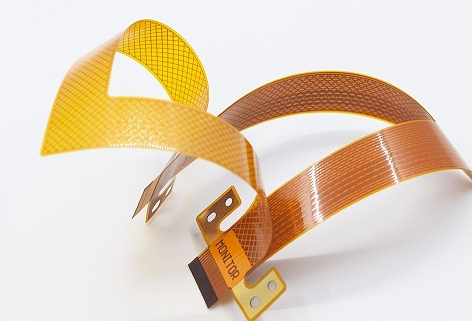
Unlike traditional rigid PCBs, flex PCBs can be bent, folded, and twisted without compromising their functionality. This flexibility allows for innovative design possibilities, enabling engineers to create more compact and lightweight devices. For instance, in the consumer electronics sector, where space is at a premium, flex PCBs facilitate the development of slimmer smartphones, wearable technology, and other portable gadgets. By allowing circuits to conform to the shape of the device, flex PCB laminates contribute to the miniaturization of electronics, a trend that continues to dominate the industry.
In addition to their flexibility, flex PCB laminates offer enhanced durability and reliability.
the materials used in these laminates are designed to withstand harsh environmental conditions, including extreme temperatures, vibrations, and mechanical stress. This makes them ideal for applications in industries such as automotive, aerospace, and medical devices, where reliability is paramount. The ability of flex PCBs to endure such conditions without failure ensures the longevity and performance of the devices in which they are used, thereby reducing maintenance costs and downtime.
Moreover, flex PCB laminates contribute to improved electrical performance.
The design of these laminates allows for shorter and more direct electrical paths, which reduces the risk of signal loss and interference. This is particularly beneficial in high-frequency applications, where maintaining signal integrity is crucial. The reduced need for connectors and interconnects further enhances the electrical performance by minimizing potential points of failure. Consequently, devices utilizing flex PCB laminates can achieve higher levels of efficiency and performance, meeting the ever-increasing demands of modern technology.
Another significant advantage of flex PCB laminates is their potential for cost savings in the manufacturing process.
Although the initial design and production of flex PCBs may be more complex than their rigid counterparts, the overall cost can be lower due to the reduction in the number of components and assembly steps required. The ability to integrate multiple functions into a single flex PCB reduces the need for additional connectors and cables, streamlining the assembly process and decreasing labor costs. Furthermore, the lightweight nature of flex PCBs can lead to savings in shipping and handling expenses, particularly for large-scale production.
In conclusion, the advantages of using flex PCB laminate in modern electronics are manifold, encompassing flexibility, durability, improved electrical performance, and cost-effectiveness. As technology continues to advance, the role of flex PCB laminates in enabling innovative designs and enhancing device performance becomes increasingly significant. Their unique properties not only address the challenges posed by the miniaturization and complexity of modern electronics but also pave the way for future developments in the industry. As a result, flex PCB laminates are poised to remain a cornerstone in the evolution of electronic devices, driving progress and innovation across various sectors.
Key Considerations When Selecting Flex PCB Laminate Materials
When selecting flex PCB laminate materials, several key considerations must be taken into account to ensure optimal performance and reliability of the final product. Flex PCBs, or flexible printed circuit boards, are increasingly utilized in a variety of applications due to their ability to bend and conform to complex shapes, making them ideal for compact and dynamic electronic devices. The choice of laminate material is crucial, as it directly impacts the board’s flexibility, durability, and electrical performance.
To begin with, the thermal properties of the laminate material are of paramount importance.
Flex PCBs are often subjected to varying temperatures during both the manufacturing process and their operational life. Therefore, selecting a material with a suitable glass transition temperature (Tg) and coefficient of thermal expansion (CTE) is essential. A higher Tg ensures that the material can withstand elevated temperatures without deforming, while a low CTE minimizes dimensional changes that could lead to mechanical stress and potential failure.
In addition to thermal considerations, the mechanical properties of the laminate material must also be evaluated.
Flexibility is a defining characteristic of flex PCBs, and the chosen material should exhibit excellent bendability without compromising structural integrity. Materials such as polyimide are commonly used due to their superior flexibility and resilience. However, the specific application may dictate the need for additional mechanical properties, such as tensile strength and elongation, to ensure the board can endure repeated flexing and bending without damage.
Furthermore, the electrical properties of the laminate material play a critical role in the performance of the flex PCB.
The dielectric constant and dissipation factor are key parameters that influence signal integrity and transmission speed. A low dielectric constant is preferred for high-frequency applications, as it reduces signal loss and enhances performance. Similarly, a low dissipation factor minimizes energy loss, ensuring efficient operation of the electronic device.
Another important consideration is the chemical resistance of the laminate material.
Flex PCBs are often exposed to various chemicals during manufacturing processes such as soldering and cleaning. Therefore, selecting a material that can withstand exposure to these chemicals without degrading is essential for maintaining the board’s functionality and longevity. Polyimide, for instance, offers excellent chemical resistance, making it a popular choice for many applications.
Moreover, the environmental impact of the laminate material should not be overlooked.
As sustainability becomes an increasingly important factor in manufacturing, selecting materials that are environmentally friendly and compliant with regulations such as RoHS (Restriction of Hazardous Substances) is crucial. This not only ensures compliance with legal requirements but also aligns with the growing demand for sustainable and eco-friendly products.
Finally, cost considerations must be balanced with performance requirements.
While high-performance materials may offer superior properties, they often come at a higher cost. It is important to evaluate the specific needs of the application and determine the most cost-effective material that meets those requirements without compromising quality or reliability.
In conclusion, selecting the appropriate flex PCB laminate material involves a careful assessment of thermal, mechanical, electrical, and chemical properties, as well as environmental impact and cost. By considering these factors, manufacturers can ensure the development of high-quality flex PCBs that meet the demands of modern electronic applications.
Innovations In Flex PCB Laminate Technology
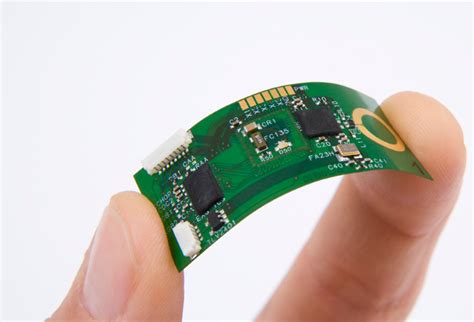
Flex PCB laminate technology has undergone significant advancements in recent years, driven by the increasing demand for more compact, efficient, and versatile electronic devices. As the electronics industry continues to evolve, the need for flexible printed circuit boards (PCBs) that can accommodate complex designs and withstand various environmental conditions has become paramount. This has led to innovations in the materials and processes used in the production of flex PCB laminates, which are crucial components in the fabrication of flexible circuits.
One of the most notable innovations in flex PCB laminate technology is the development of advanced materials that offer improved flexibility and durability.
Traditional rigid PCBs are often limited by their inability to bend or flex without damage, making them unsuitable for applications that require dynamic movement or conformability. In contrast, modern flex PCB laminates are designed to be highly flexible, allowing them to be bent, twisted, and folded without compromising their structural integrity. This is achieved through the use of specialized materials such as polyimide films and flexible copper foils, which provide the necessary mechanical properties while maintaining excellent electrical performance.
Moreover, the introduction of new adhesive systems has further enhanced the performance of flex PCB laminates.
These adhesives are formulated to provide strong bonding between the various layers of the laminate, ensuring that the circuit remains intact even under stress. Additionally, they are engineered to withstand extreme temperatures and environmental conditions, making them suitable for use in a wide range of applications, from consumer electronics to aerospace and automotive industries. The ability to maintain reliable performance in harsh environments is a critical factor in the growing adoption of flex PCBs across different sectors.
In addition to material advancements, innovations in manufacturing processes have also played a significant role in the evolution of flex PCB laminate technology.
Techniques such as laser direct structuring (LDS) and additive manufacturing have enabled the production of more complex and intricate circuit designs, which were previously difficult or impossible to achieve with traditional methods. These processes allow for greater design flexibility and precision, enabling engineers to create circuits that are tailored to specific applications and requirements. Furthermore, they contribute to reducing production costs and lead times, making flex PCBs more accessible to a broader range of industries.
Another important aspect of recent innovations is the focus on sustainability and environmental impact.
As the electronics industry faces increasing pressure to reduce its carbon footprint, the development of eco-friendly flex PCB laminates has become a priority. Manufacturers are exploring the use of recyclable materials and environmentally friendly production processes to minimize waste and energy consumption. This not only helps in meeting regulatory requirements but also aligns with the growing consumer demand for sustainable products.
In conclusion, the advancements in flex PCB laminate technology have significantly expanded the possibilities for electronic device design and functionality.
Through the development of new materials, adhesive systems, and manufacturing techniques, flex PCBs have become more versatile, reliable, and environmentally friendly. As the demand for flexible electronics continues to rise, it is expected that further innovations will continue to drive the evolution of this technology, opening up new opportunities for its application across various industries. The ongoing research and development efforts in this field promise to deliver even more sophisticated solutions, ensuring that flex PCB laminates remain at the forefront of electronic innovation.
Environmental Impact And Sustainability Of Flex PCB Laminates
Flex PCB laminates, an integral component in the design and manufacture of flexible printed circuit boards, have become increasingly prevalent in various industries due to their versatility and efficiency. However, as the demand for these materials grows, so does the need to understand their environmental impact and sustainability. This understanding is crucial for manufacturers and consumers alike, as it informs decisions that can lead to more sustainable practices and products.
To begin with, the production of flex PCB laminates involves several materials and processes that can have significant environmental implications.
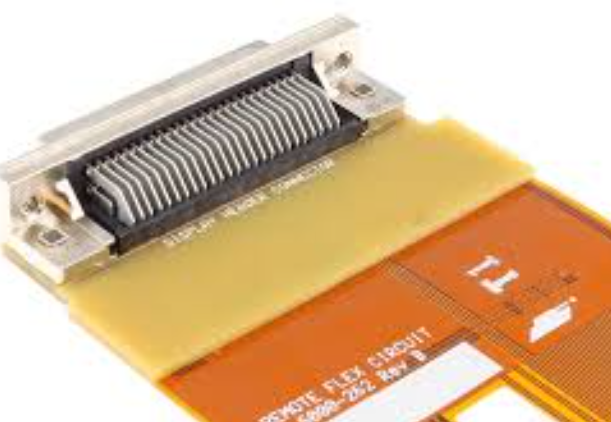
These laminates typically consist of a combination of polyimide films, copper foils, and adhesive materials. The extraction and processing of these raw materials can contribute to environmental degradation. For instance, mining copper, a key component, often results in habitat destruction and pollution due to the release of toxic substances. Moreover, the production of polyimide films involves chemical processes that can emit volatile organic compounds (VOCs) and other pollutants, further impacting air quality.
In addition to the environmental concerns associated with raw material extraction and processing, the manufacturing process of flex PCB laminates itself can be resource-intensive.
It requires substantial energy inputs, primarily from non-renewable sources, which contribute to greenhouse gas emissions. Furthermore, the use of chemicals in the etching and cleaning processes can lead to hazardous waste generation, posing disposal challenges and potential risks to ecosystems if not managed properly.
Despite these challenges, there are opportunities to mitigate the environmental impact of flex PCB laminates through sustainable practices.
One approach is the adoption of cleaner production techniques that minimize waste and reduce energy consumption. For example, manufacturers can implement closed-loop systems that recycle water and chemicals, thereby decreasing the overall environmental footprint. Additionally, advancements in material science have led to the development of eco-friendly alternatives, such as biodegradable substrates and lead-free soldering materials, which can further enhance the sustainability of flex PCB laminates.
Moreover, the concept of a circular economy offers a promising framework for improving the sustainability of flex PCB laminates.
By designing products with end-of-life considerations in mind, manufacturers can facilitate recycling and reuse, thereby extending the lifecycle of materials and reducing waste. This approach not only conserves resources but also aligns with broader environmental goals, such as reducing carbon emissions and minimizing landfill contributions.
Consumer awareness and demand for sustainable products also play a pivotal role in driving change within the industry.
As more consumers prioritize environmental responsibility, manufacturers are incentivized to adopt greener practices and develop products that meet these expectations. This shift in consumer behavior can lead to increased investment in research and development of sustainable technologies, ultimately fostering innovation and progress in the field of flex PCB laminates.
In conclusion, while the production and use of flex PCB laminates present environmental challenges, there are viable pathways to enhance their sustainability. Through the adoption of cleaner production methods, the development of eco-friendly materials, and the implementation of circular economy principles, the industry can significantly reduce its environmental impact. As stakeholders across the supply chain—from manufacturers to consumers—embrace these strategies, the potential for creating a more sustainable future for flex PCB laminates becomes increasingly attainable.