
Understanding PBA Printed Board Assembly for Efficient Electronics
Key Takeaways
PBA printed board assembly, or PCB assembly, is a critical process in the world of electronics manufacturing. The efficiency of this process not only influences production timelines but also impacts the performance and reliability of the final electronic devices. One of the essential facets to understand is that pcba encompasses numerous techniques that refine production quality, including surface mount technology and through-hole mounting.
Furthermore, applying best practices is vital to achieving optimal results. These practices may include meticulous design layout, effective soldering techniques, and comprehensive quality control measures post-assembly. Innovations in PBA technology have led to advanced systems that proactively address common challenges such as component misalignment and thermal management issues.
To provide a clearer picture, consider the following table that summarizes some important aspects of PBA:
| Aspect | Importance |
|---|---|
| Design Layout | Affects component placement and overall performance |
| Soldering Techniques | Ensures strong connections for device reliability |
| Quality Control | Minimizes defects and ensures long-term functionality |
“Investing in innovative pcb assembly technologies can significantly reduce production costs while improving product quality.”
In conclusion, mastering these fundamental aspects of printed board assembly not only streamlines manufacturing but also paves the way for future innovations in electronics, creating devices that meet both consumer expectations and industry standards. Understanding PBA is an integral step toward elevating device performance in today’s technologically driven landscape.
Introduction to PBA Printed Board Assembly: Overview and Importance
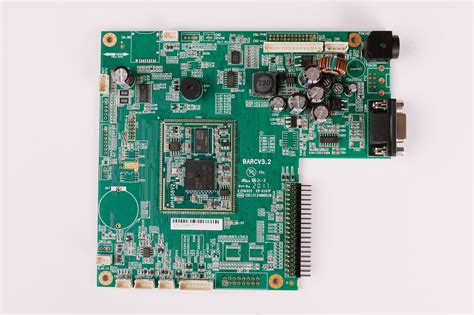
PBA Printed Board Assembly plays a pivotal role in the landscape of modern electronics. At its core, pcb assembly encapsulates the intricate process of assembling electronic components onto a printed circuit board (PCB), ultimately leading to the creation of functional electronic devices. This process is essential for the rapid development and production of various consumer gadgets, industrial equipment, and medical devices. The significance of PBA lies not only in its impact on production efficiency but also in its contribution to the overall performance of electronics. By employing effective pcba techniques, manufacturers can ensure that devices are not only reliable but also compact and cost-effective. Understanding the principles behind PBA enables companies to adopt advanced technologies and innovative practices that optimize assembly processes. For instance, soldering methods like surface mount technology (SMT) have revolutionized how components are attached to PCBs, allowing for denser packing and improved performance metrics. As the demand for more sophisticated electronics surges, mastery over PBA becomes indispensable for maintaining a competitive edge in this dynamic field. This foundational understanding sets the stage for exploring critical techniques and best practices that further enhance production efficiency in electronics manufacturing.
Key Techniques in PBA Printed Board Assembly
The process of PBA printed board assembly is essential for modern electronics manufacturing, encompassing several critical techniques that contribute to its efficiency and effectiveness. One of the cornerstone practices in pcb assembly is the use of surface mount technology (SMT), which allows for the placement of components directly onto the surface of a printed circuit board (PCB). This technique reduces the overall footprint and enhances product miniaturization, which is increasingly important in today’s compact electronic devices. Additionally, reflow soldering and wave soldering methods are pivotal to ensure strong electrical connections, while careful attention is given to thermal management during assembly to prevent damage to sensitive components.
Another vital aspect is quality control throughout the pcba process, which includes rigorous testing methods such as automated optical inspection (AOI) and functional testing. These practices help identify defects early in production, thus minimizing waste and improving overall quality. Furthermore, adopting modular assembly techniques allows for flexible manufacturing options and simplifies future upgrades or repairs. Continuous advancements are also being made in automation technologies, such as robotic placement systems, which enhance speed and precision. By integrating these key techniques and adhering to established best practices, manufacturers can achieve greater efficiency in their PBA printed board assembly processes while significantly elevating device performance.
Best Practices for Efficient Production in Electronics Manufacturing
In the realm of electronics manufacturing, adhering to best practices in PBA printed board assembly (also known as pcb assembly or pcba) is crucial for optimizing production efficiency. One of the foremost strategies is maintaining a clean and organized workspace to prevent contaminants that could compromise the quality of the assembly process. Implementing regular training programs for technical staff ensures that they remain up-to-date with the latest techniques and technologies in pcb assembly. Additionally, utilizing automated inspection systems can significantly reduce the chances of human error and enhance quality control. Emphasizing thorough documentation throughout all stages of the pcba process also facilitates easier troubleshooting and process optimization. Another critical element is establishing strong communication channels between design and manufacturing teams to promptly address any potential issues that may arise during production. Finally, investing in high-quality materials and components can lead to more robust assemblies, ultimately improving device performance and longevity. By integrating these practices, manufacturers can achieve not only efficiency but also higher standards in their PBA printed board assembly endeavors.
Innovations in PBA Technology: Enhancing Device Performance
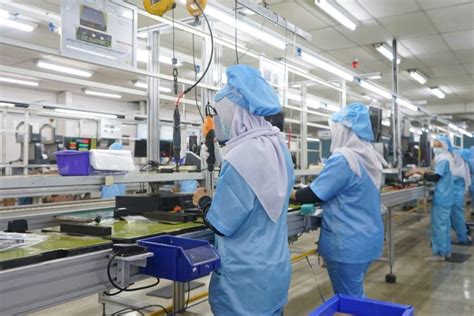
The landscape of PBA printed board assembly has been rapidly evolving, bringing forth a range of innovations that significantly enhance device performance. Among these innovations, advanced materials play a crucial role. The introduction of high-frequency substrates and flexible PCB materials allows for the production of more compact and efficient designs, which is essential in today’s fast-paced electronics market. Additionally, automation technologies, such as robotics in the pcb assembly process, have dramatically improved precision and reduced assembly times, resulting in higher quality and quantity output.
Another notable trend is the integration of smart manufacturing techniques. The use of Internet of Things (IoT) devices in conjunction with PCBA allows manufacturers to monitor real-time production metrics, which can lead to timely interventions when anomalies occur. This data-driven approach not only improves operational efficiency but also enhances the overall reliability and durability of electronic devices.
Moreover, implementing innovative soldering methods like laser soldering and selective soldering has contributed to improved joint quality while minimizing thermal stress on sensitive components. These advancements reduce defects significantly, ensuring that the end products meet stringent quality standards.
As the emphasis on sustainability grows within the electronics industry, eco-friendly materials and processes are also becoming more prevalent in PBA technology. This shift towards environmentally responsible practices is not only beneficial for the planet but also appeals to consumers who prioritize sustainable products.
Overall, by adopting these cutting-edge innovations within PBA printed board assembly, manufacturers can enhance device performance while simultaneously addressing market demands for faster production times and improved product reliability. These developments underline the importance of staying ahead in a competitive landscape where efficiency and quality are paramount.
Common Challenges in PBA Printed Board Assembly and Solutions
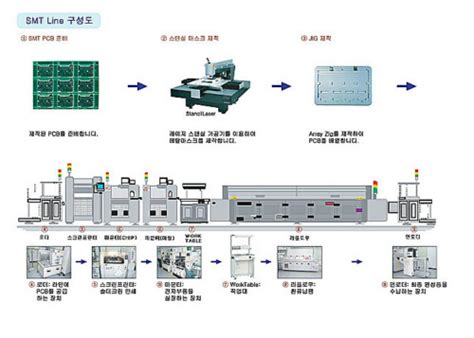
In the domain of PBA printed board assembly, various challenges can hinder the efficiency and effectiveness of pcb assembly processes. One common issue is the occurrence of misalignment during assembly, which can lead to defective connections and compromised device performance. Implementing precise pcba techniques, such as automated optical inspection (AOI) systems, can help identify misalignments early in the production line, ensuring that adjustments are made promptly. Another significant challenge is dealing with variations in component quality. The inconsistency in components can affect yield rates and ultimately, customer satisfaction. To mitigate this issue, manufacturers should establish rigorous quality control procedures and collaborate closely with suppliers to ensure that only high-quality components are utilized. Furthermore, thermal management poses a challenge in high-density assemblies, where overheating could lead to component failure. Utilizing advanced PBA technologies that incorporate better heat dissipation methods and selecting appropriate materials is essential to address this concern effectively. By acknowledging these challenges and leveraging strategic solutions, companies can enhance their pcb assembly processes, leading to improved efficiency and elevated product performance.
The Future of PBA Printed Board Assembly: Trends and Predictions
As the landscape of electronics manufacturing evolves, the PBA printed board assembly (often abbreviated as PCBA) is set to undergo significant transformation driven by emerging trends and technological advancements. One of the key shifts expected is the increased integration of automation and robotics in pcb assembly processes. By leveraging these technologies, manufacturers can enhance efficiency, reduce labor costs, and improve precision, thereby minimizing defects in production. Moreover, the rise of “smart” manufacturing will further promote data analytics and IoT integration into PBA frameworks, allowing real-time monitoring and optimization of production lines.
Another trend on the horizon is the growing importance of sustainability within the pcba landscape. As environmental concerns take center stage in global discussions, manufacturers are increasingly adopting eco-friendly materials and processes in their operations. This shift not only meets regulatory demands but also appeals to consumers who prioritize sustainable products.
Furthermore, innovations in materials science are paving the way for new substrates and component designs that enhance device performance while lowering costs. The move towards miniaturization in electronics will likely dictate future trends in pcb assembly, where compact designs require innovative solutions to manage heat dissipation and electrical interferences.
Overall, the future of PBA printed board assembly is poised for exciting developments that embrace efficiency, sustainability, and advanced technologies—ensuring that it remains foundational to delivering high-quality electronic devices in a rapidly changing market.
Case Studies: Success Stories in Efficient PBA Implementation
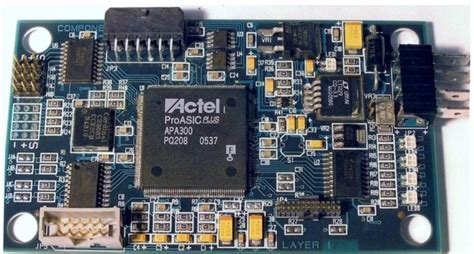
In the realm of PBA printed board assembly, several companies have demonstrated how effective strategies can transform their operations and product quality. For instance, a leading electronics manufacturer integrated advanced automation in their PCB assembly processes, significantly reducing production time and minimizing errors. By employing state-of-the-art machines to handle tasks such as soldering and component placement, they achieved a remarkable decrease in defects and increased overall throughput. This success showcases the pivotal role of adopting cutting-edge technologies in PCBA.
Another noteworthy example involves a start-up specializing in medical devices that leveraged innovative techniques to streamline their PBA printed board assembly operations. Through meticulous planning and implementation of lean manufacturing principles, they reduced waste and optimized their supply chain. Their focus on quality control at every stage of the pcb assembly process not only improved efficiency but also enhanced device reliability, ensuring compliance with stringent medical regulations. This case underscores how embracing collaboration between design, engineering, and production teams can foster an environment ripe for continuous improvement.
These success stories illustrate that efficient implementation of PBA practices not only leads to increased productivity but also contributes to superior device performance—a crucial aspect for any competitive player in the electronics industry. As these examples show, companies that proactively adopt best practices in their pcb assembly processes can achieve substantial gains in performance and market positioning.
Conclusion
In summary, PBA printed board assembly is a critical aspect of modern electronics manufacturing, serving as the backbone of various device functionalities. Understanding the intricacies of pcb assembly processes can significantly enhance production efficiency and overall device performance. By focusing on innovative techniques and adopting best practices, manufacturers can navigate the challenges commonly faced during pcba production. The advancements in PBA technology not only address these challenges but also pave the way for new trends that are likely to shape the future of electronics manufacturing. Embracing these approaches and staying informed about emerging innovations will lead to better resource management, cost savings, and superior product quality. Ultimately, the successful implementation of effective PBA practices underscores its importance in creating reliable and high-performing electronic devices that meet the ever-evolving demands of consumers and industries alike.
FAQs
What is PBA printed board assembly?
PBA or printed board assembly refers to the process of assembling electronic components onto a printed circuit board (PCB). This process is crucial for creating functional electronic devices.
How does PBA impact electronics manufacturing?
The significance of PBA lies in its ability to ensure that components are accurately placed and soldered onto the pcb assembly, which directly affects the performance and reliability of electronic products.
What are common techniques used in PBA?
Common techniques in pcb assembly include surface mount technology (SMT) and through-hole technology. Each technique has its advantages depending on the specific requirements of the assembly project.
What best practices should be followed for efficient PBA?
To achieve efficient production, it is important to maintain proper quality control, utilize automated processes when possible, and ensure thorough training for personnel involved in PBA tasks.
What innovations are shaping the future of PBA technology?
Emerging technologies such as robotics, machine learning, and advanced materials are continually enhancing PBA, allowing for improved manufacturing efficiency and higher device performance.