
Efficient Techniques for Assembling PCBs with Precision
Key Takeaways
Understanding the various techniques involved in pcb assembly is crucial for achieving outstanding results in the PCB manufacturing process. The significance of precision cannot be overstated; it is the bedrock upon which pcba success is built. Incorporating best practices such as meticulous planning and efficient workflow management can drastically improve production outcomes. It’s imperative to utilize essential tools that enhance accuracy and efficiency, ensuring that each component is placed correctly during assembly.
Taking a systematic approach with step-by-step methods significantly optimizes productivity. Moreover, being aware of common challenges faced during pcb assembly can aid in developing proactive strategies to overcome them, thus maintaining a high standard of quality control throughout the manufacturing process.
“Efficiency in PCB assembly not only saves time but also enhances the quality of the finished product.”
This underscores the importance of integrating future trends and innovations into current practices. Keeping abreast of emerging technologies will not only streamline processes but also elevate the overall effectiveness of your pcba activities, ensuring that high standards are consistently met and surpassed. Thus, embracing these key points can transform your approach towards pcb assembly, making it both efficient and precise.
Introduction to PCB Assembly
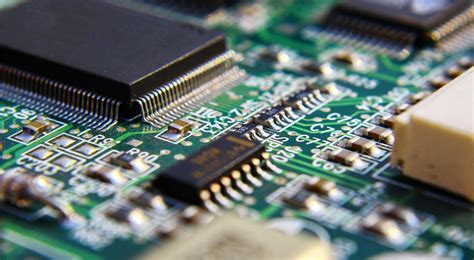
The process of pcb assembly is a crucial component in the electronics manufacturing industry, responsible for transforming raw printed circuit boards (PCBs) into fully functional products. Understanding the fundamentals of this process can significantly impact the overall quality and performance of electronic devices. At its core, pcb assembly involves the careful placement of components onto the PCB, followed by soldering and testing to ensure electrical functionality. This assembly can be categorized into two primary methods: through-hole technology and surface mount technology (SMT). Each method has its unique advantages and challenges.
Efficient pcba hinges on not just precision in placement but also adherence to best practices that enhance production speed without compromising quality. By leveraging modern techniques such as automated soldering processes and rigorous inspection protocols, manufacturers can achieve impressive consistency in their pcb assembly efforts. Moreover, possessing an arsenal of essential tools—ranging from soldering equipment to inspection systems—can streamline workflows and improve outcomes. Ultimately, embracing a holistic approach to PCB assembly paves the way for innovations that continue to shape the electronics landscape, ensuring that products meet market demands while maintaining high standards for quality.
The Importance of Precision in PCB Manufacturing
In the world of PCB assembly (or PCBA), achieving utmost precision is critical for a variety of reasons. First and foremost, precision in soldering and component placement directly affects the functionality and reliability of the final product. Any misalignment or incorrect soldering can lead to failures that not only compromise individual devices but may also lead to larger systemic issues in electronic systems—this underscores why every step in the PCB manufacturing process must be approached with meticulous care. Moreover, precision enhances operational efficiency; when components are assembled accurately on the first attempt, it significantly reduces the need for costly rework and minimizes wasted materials. Implementing advanced tools such as automated pick-and-place machines can further enhance precision, ensuring that components are consistently positioned where they need to be. Additionally, quality control measures established throughout the assembly process will serve to catch any irregularities early on, thus maintaining the overall integrity of the PCBA. In essence, as we push forward in an era where technology advances at a lightning pace, maintaining precision is not merely advantageous but rather a necessity for successful pcb assembly operations.
Best Practices for Efficient PCB Assembly
When it comes to pcb assembly, ensuring efficiency without compromising quality is paramount. One of the first practices is to adopt a well-structured workflow. This involves meticulously planning each stage of the assembly process to minimize downtime and streamline operations. Utilizing a just-in-time inventory approach can significantly enhance productivity by reducing excess materials and ensuring that components are readily available when needed, thereby preventing delays.
Another best practice is to implement automated systems wherever feasible. Automation not only speeds up the assembly process but also improves accuracy, which is vital in high-stakes environments where even minor defects can lead to failures in the pcba function. Alongside automation, training for personnel involved in pcb assembly is essential; a well-trained workforce understands the intricacies of the process and can identify potential issues early, thus maintaining high standards of quality control.
Moreover, adopting standardized procedures across the board aids in achieving consistent results. This involves using detailed documentation for each step in the assembly process, which serves as a reference guide and helps to uphold quality measures. Regularly reviewing these procedures allows for continual improvement based on feedback and technological advancements.
Collaboration with component suppliers is equally important in ensuring that all parts meet specified standards before entering the production line. Establishing strong relationships with suppliers leads to better communication regarding component reliability and availability.
In summary, embracing structured workflows, automation, continuous training, standardization of processes, and strong supplier partnerships are best practices that significantly enhance efficiency during pcb assembly, leading to improved productivity and high-quality outcomes in the manufacturing process.
Essential Tools for Assembling PCBs
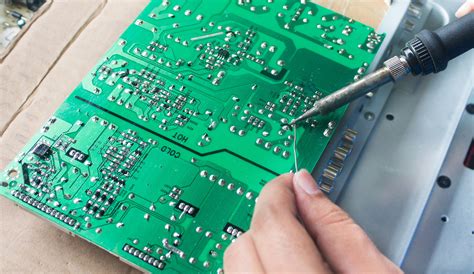
In pcb assembly, the selection of the right tools is paramount for achieving precision and ensuring efficiency. Various tools are essential to streamline the PCB manufacturing process and enhance productivity. First, a reliable soldering iron is crucial for making precise connections between components and PCBs. Opting for adjustable temperature soldering irons can also mitigate damage to sensitive components.
Another vital tool is a pick-and-place machine, which automates the placement of components onto the PCB surface, significantly reducing assembly time and minimizing human error. For projects requiring high volumes, advanced machines equipped with vision systems can improve accuracy further.
Moreover, using a stencil printer allows for a consistent application of solder paste, which is critical in ensuring optimal solder joints during assembly. Alongside these machines, hand tools such as precision screwdrivers and tweezers are indispensable for manual adjustments and placements.
To illustrate the essential tools used in pcba, consider the following table:
| Tool | Purpose |
|---|---|
| Soldering Iron | For creating strong electrical connections |
| Pick-and-Place | Automates component placement on PCBs |
| Stencil Printer | Applies consistent solder paste |
| Tweezers | Allows precise component handling |
| Precision Screwdrivers | Ensures accurate fastening without damaging components |
The effectiveness of these tools directly influences the overall quality of the final product in pcb assembly. Therefore, selecting high-quality tools suited to specific assembly needs is crucial for maintaining high standards in PCBA, ultimately leading to robust and reliable electronic products.
Step-by-Step Methods for Enhanced Productivity
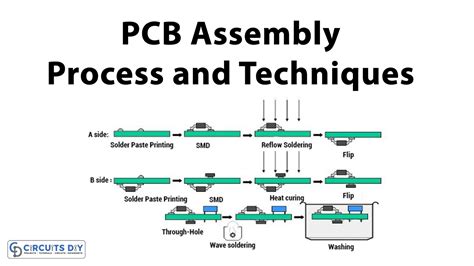
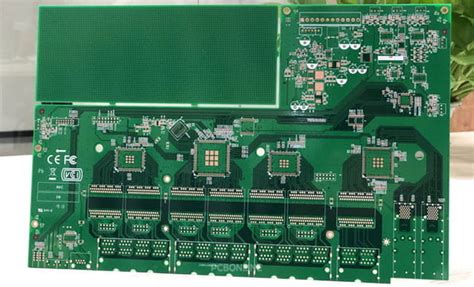
To achieve optimal results in pcb assembly, implementing a structured approach is crucial. One of the first steps is to ensure that all components and materials are organized and readily available before beginning the process. This can significantly reduce downtime and enhance efficiency. Next, utilizing automated tools such as pick-and-place machines can streamline component placement and increase precision during assembly, minimizing the risk of errors.
Moreover, adhering to a systematic workflow—from solder paste application to component inspection—ensures that each step in the process is completed thoroughly and correctly. Implementing standard operating procedures (SOPs) for each phase of pcba can facilitate a smoother operation, allowing teams to follow best practices effectively. It’s also essential to conduct regular training sessions for staff, fostering familiarity with new tools and technologies, which can lead to improved assembly skills and heightened productivity.
Incorporating feedback loops from quality control checks during the assembly process enables quick identification of any issues that may arise, allowing teams to make immediate corrections. This proactive approach not only enhances the final product but also contributes to continuous improvement in pcb assembly methods overall. By focusing on these key areas—organization, automation, standardization, training, and feedback—manufacturers can significantly boost productivity while ensuring high-quality results in their pcba endeavors.
Common Challenges in PCB Assembly and How to Overcome Them
In the realm of PCB assembly (PCBA), several common challenges can impede the efficiency and quality of the manufacturing process. One major issue is alignment accuracy during the assembly process. Misalignment can lead to poor connectivity and ultimately failure in function. To address this, utilizing high-precision placement tools and advanced automated machinery can significantly improve alignment. Another challenge is managing component shortages and ensuring all necessary parts are available when needed. Establishing strong relationships with reliable suppliers adds a layer of security, while maintaining an organized inventory system aids in quick identification of components in stock. Additionally, thermal management is crucial, as overheating can lead to defects in soldering and damage to electronic components. Implementing proper ventilation systems and thermal monitoring technologies can mitigate this risk. Moreover, issues such as contamination or improper soldering techniques can compromise the integrity of the PCBA. Therefore, adopting stringent cleanliness protocols along with thorough training for workers on proper soldering methods is essential for success. By proactively identifying these challenges and implementing effective strategies, manufacturers can enhance productivity while ensuring high-quality results in PCB assembly processes.
Quality Control Techniques in PCB Manufacturing
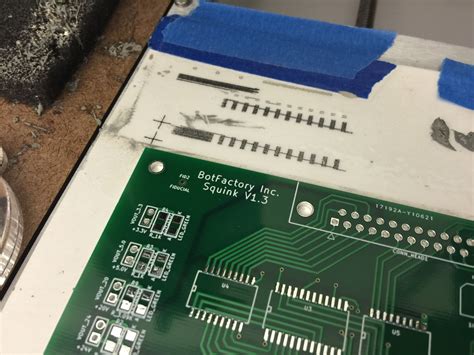
In the realm of PCB assembly, implementing effective quality control techniques is paramount to achieving superior product outcomes. As the complexity of printed circuit boards (PCBs) increases with the advancement of technology, establishing a robust quality assurance program becomes essential. One significant approach involves utilizing automated optical inspection (AOI) systems, which provide real-time feedback on assembly errors. These systems enhance accuracy by detecting misalignments or component discrepancies early in the PCBA process. Another critical technique is performing functional testing to ensure that the assembled PCBs operate as intended under various conditions. This not only helps in identifying defects but also guarantees that the final product meets specified performance criteria. Furthermore, implementing regular audits and maintaining detailed documentation throughout the PCB assembly process contribute to ongoing improvements and mitigates risks associated with production inconsistencies. By adhering to these quality control measures, manufacturers can significantly elevate their production standards, ensuring that each assembled board exhibits durability, reliability, and precision — essential attributes for success in today’s competitive electronics market.
Future Trends in PCB Assembly Technology
As we look ahead in the realm of PCB assembly, we observe a trajectory toward increased automation and advanced technologies that promise to refine and enhance the pcba process. Emerging trends indicate a significant shift towards utilizing robotic systems for precision placement, reducing human error while increasing speed and efficiency. Furthermore, the integration of artificial intelligence in monitoring assembly operations is set to revolutionize quality control processes, enabling real-time adjustments and proactive problem-solving. The demands for smaller, more complex circuit boards are driving innovation in micro-manufacturing techniques, which focus on precision and sustainability. Industry players are increasingly adopting environmentally friendly materials and processes, aligning with global standards for sustainable manufacturing. Another notable advancement is the incorporation of smart tools equipped with sensors that provide valuable feedback during pcb assembly, ensuring consistent quality across batches. As these technologies continue to evolve, they will undoubtedly reshape the landscape of pcb manufacturing, leading to improved productivity, reduced waste, and overall enhanced performance of electronic devices.
Conclusion
In conclusion, the world of PCB assembly is evolving rapidly, demanding innovative approaches and techniques to enhance efficiency while ensuring utmost precision. As outlined throughout this article, the significance of adopting best practices cannot be understated; they are fundamental in achieving high-quality PCBA outcomes. The integration of advanced tools plays a crucial role in streamlining the pcb assembly process—it not only aids in the speed but also enhances the accuracy required for intricate designs. Addressing common challenges proactively fosters a smoother workflow, which is essential for maintaining productivity. Furthermore, implementing robust quality control techniques ensures that each product meets stringent standards, thus minimizing errors and waste. Looking ahead, future trends promise to harness cutting-edge technologies that will further transform PCB assembly processes. As manufacturers continue to adapt and innovate, staying informed on these developments will be key to achieving sustained growth and excellence in the industry.
FAQs
What is PCB assembly?
PCB assembly, or Printed Circuit Board Assembly (PCBA), is the process of connecting electronic components to a printed circuit board. This essential phase in electronics production ensures that the circuit board functions correctly for various applications.
Why is precision important in PCB assembly?
Precision in PCB assembly is crucial as it directly affects the performance, reliability, and longevity of electronic devices. Even minor inaccuracies can lead to failures or malfunctions, making it imperative to follow stringent practices during the assembly process.
What are some best practices for PCBA?
To achieve high-quality results in PCBA, it’s important to adhere to best practices such as careful planning, maintaining a clean workspace, and using high-quality components. These steps help ensure efficiency and enhance overall productivity.
Which tools are essential for assembling PCBs?
Using the right tools can make a significant difference in PCB assembly. Essential tools include soldering stations, pick-and-place machines, and inspection equipment. These tools aid in improving accuracy and reducing variability during the manufacturing process.
What common challenges might arise during PCB assembly?
Common challenges in PCBA include component misalignment, soldering defects, and surface contamination. Addressing these issues promptly through quality control measures can mitigate risks and maintain production flow.
For further insights into improving your PCB assembly processes, please click here: click here.