
Advancements in Rigid Flex PCB Assembly Techniques
Key Takeaways
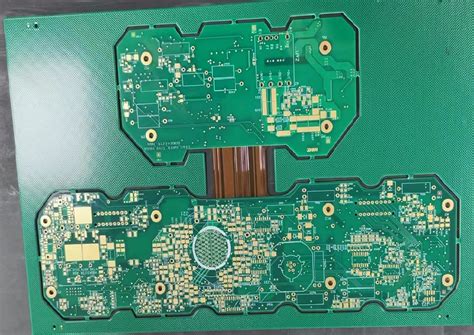
The realm of rigid flex PCB assembly has witnessed significant progress in recent years, allowing manufacturers and designers to push the boundaries of what is possible in electronic applications. With the integration of innovative techniques, pcb assembly processes have become more streamlined, yielding higher manufacturing efficiency and overall performance. The latest advancements in pcba technology have introduced methodologies that not only reduce production time but also enhance the design flexibility of these intricate assemblies. This evolution is largely driven by advanced materials, which provide improved electrical performance while also being lightweight and space-efficient. As the demand for compact and versatile electronic devices continues to rise, understanding the key takeaways from these advancements in rigid flex technologies is crucial for industry stakeholders aiming to remain competitive. The intricate relationships among design innovations, material enhancements, and manufacturing efficiencies represent a comprehensive view of how rigid flex PCBs are shaping the future landscape of electronic device production.
Introduction to Rigid Flex PCB Assembly
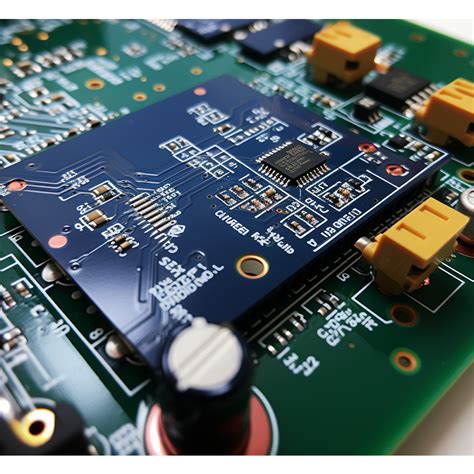
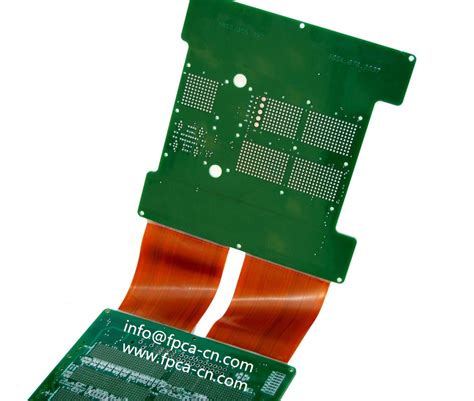
Rigid flex PCB assembly has emerged as a crucial innovation in the electronics manufacturing industry, combining the advantages of both rigid and flexible circuits. This integration allows for a more compact design, enabling engineers to create complex layouts that were previously challenging to achieve with traditional PCB technologies. With the growing demand for smaller and more efficient electronic devices, the significance of rigid flex PCBA cannot be overstated.
The process involves several stages, including design, fabrication, and assembly. The advancement in manufacturing techniques has led to improved accuracy and reliability in each phase of assembly. Furthermore, it enhances manufacturing efficiency by streamlining processes that traditionally required separate rigid and flexible constructions, leading to reduced production times and costs.
“Embracing innovation in PCB assembly techniques not only boosts productivity but also elevates product performance.”
Incorporating advanced materials into rigid flex PCB designs enhances flexibility without compromising durability. These materials can withstand rigorous environmental conditions while facilitating a lighter product profile. As a result, applications span across various sectors including automotive, medical devices, and telecommunications.
Consider the following table that highlights some key benefits of rigid flex PCBA compared to conventional methods:
| Feature | Rigid Flex PCB Assembly | Traditional PCB Assembly |
|---|---|---|
| Space Efficiency | High | Moderate |
| Flexibility | High | Low |
| Weight | Lightweight | Heavier |
| Manufacturing Time | Reduced | Longer |
| Reliability | Enhanced | Variable |
The adoption of these advanced PCB assembly techniques signifies a shift towards more efficient production methods that not only meet modern electronic needs but also pave the way for future technological advancements. As industries continue to evolve, understanding the dynamics of rigid flex assemblies will be vital for engineers and manufacturers aiming for excellence in electronic design and functionality.
Key Innovations in Rigid Flex PCB Design
The rigid flex PCB assembly landscape has undergone remarkable transformations, driven by cutting-edge innovations that significantly enhance design flexibility and functionality. Among the pivotal advancements is the integration of multi-layer structures, allowing for more compact designs without compromising performance or reliability. The introduction of advanced materials such as high-frequency laminates and flexible substrates has also bolstered the capabilities of rigid flex PCBs, enabling them to perform efficiently in demanding environments. Additionally, innovation in pcb assembly techniques, including automated processes and precision manufacturing methods, has contributed to increased productivity and reduced production costs. This synergy between design and manufacturing technologies not only expands the realms of application for rigid flex PCBs but also ensures their adaptability in an ever-evolving electronics market. As industries demand more versatile solutions, these advancements in pcba have positioned rigid flex technologies at the forefront of electronic design, enabling engineers to create compact, lightweight, and durable products that meet the stringent requirements of modern electronics.
Enhancing Manufacturing Efficiency in Rigid Flex PCB Production
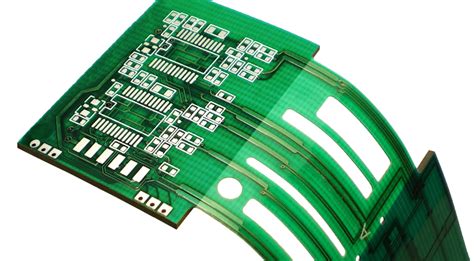
Manufacturing efficiency is a crucial factor in the production of rigid flex PCB assemblies. The integration of innovative techniques has significantly transformed the PCB assembly process, aiming to reduce production costs while improving quality. One primary advancement is the adoption of advanced automation systems in pcba processes, which minimizes human error and accelerates production cycles. Utilizing high-speed processes such as laser drilling and automated optical inspection (AOI) ensures that every stage of rigid flex PCB assembly maintains quality control and precision. Furthermore, streamlined workflows and just-in-time manufacturing approaches allow for more flexible responses to changing market demands while reducing waste. The implementation of smart manufacturing techniques, including IoT-enabled machinery, facilitates real-time monitoring of production metrics, enabling manufacturers to optimize resource allocation effectively. As these innovations continue to evolve, they are setting new benchmarks for efficiency within the industry, reinforcing the significance of pcba capabilities in delivering high-performance electronic solutions.
The Impact of Advanced Materials on Rigid Flex Performance
The utilization of advanced materials in rigid flex PCB assembly has significantly transformed the landscape of electronic manufacturing. These materials, characterized by their lightweight properties and superior thermal management capabilities, contribute to enhancing the overall performance of pcb assembly solutions. Innovations such as high-frequency laminates and flexible substrates not only improve signal integrity but also enable intricate designs that were previously unattainable. The integration of polyimide and FR-4 materials allows for increased bendability, thereby offering designers greater design freedom while ensuring durability and reliability in various applications. Furthermore, the adoption of advanced adhesion techniques ensures that pcba components maintain robustness during operation, thereby reducing the risk of failures that commonly arise from mechanical stress. These advancements collectively propel the industry towards producing more functional and efficient electronic devices, assuring that rigid flex PCBs remain at the forefront of modern electronics innovation.
Applications of Rigid Flex PCBs in Modern Electronics
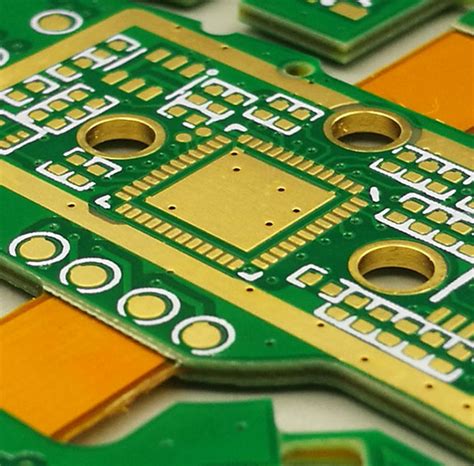
Rigid flex PCBs are becoming increasingly vital in various sectors, including consumer electronics, automotive applications, and medical devices. The innovative nature of pcb assembly techniques allows designers to integrate complex circuits into compact spaces, significantly enhancing the form factor and performance of electronic products. In consumer electronics, rigid flex PCBs facilitate thinner designs and lightweight constructions without compromising functionality. This flexibility is crucial for devices such as smartphones and tablets, where both performance and user experience are paramount. In the automotive industry, the demand for robust and reliable components has driven the adoption of rigid flex technology to meet stringent safety standards while optimizing pcba processes. Medical devices similarly benefit from the durability and compact nature of rigid flex PCBs, ensuring optimal performance in environments where failures can lead to critical consequences. As industries continue to push the boundaries of technology, the versatility offered by rigid flex pcb assembly stands out as a transformative solution in modern electronic applications, allowing for greater innovation and efficiency while driving forward the development of industry standards.
Challenges and Solutions in Rigid Flex PCB Assembly
The field of rigid flex PCB assembly faces several challenges that can significantly impact the effectiveness and reliability of PCBA processes. One major challenge is the intricate design requirements that dictate the integration of both rigid and flexible substrates. This complexity often leads to difficulties in achieving precise alignment and optimal layer stacking during the pcb assembly process. To address these issues, manufacturers are increasingly adopting advanced automated assembly technologies that enhance precision and reduce human error. Additionally, the choice of materials poses another hurdle; ensuring compatibility between flexible components and soldering techniques is crucial to prevent failures. Utilizing innovative materials such as polyimides can aid in bridging this gap, offering greater thermal stability and flexibility during manufacturing. Moreover, stringent quality control processes are essential to identifying defects early in production, thereby minimizing costly rework or product failure down the line. By leveraging these solutions, the industry can significantly improve the performance and reliability of rigid flex PCBs, making them a preferred choice in many modern electronic applications.
Future Trends in Rigid Flex PCB Technology
As the electronics industry continues to evolve, the future of rigid flex PCB assembly (PCBA) is marked by promising trends that enhance both design and functionality. One significant trend is the increasing demand for miniaturization in electronic devices, which propels innovation in rigid flex designs. These assemblies offer the ability to integrate complex circuits in a limited space while maintaining performance and reliability. Additionally, advancements in manufacturing processes are paving the way for increased efficiency and cost-effectiveness in pcb assembly, shifting towards automated techniques that reduce human error and production time.
Moreover, the integration of advanced materials such as high-frequency laminates and flexible substrates is driving improvements in performance attributes like thermal conductivity and signal integrity. The growing concern for sustainable practices in electronics manufacturing also encourages investments in eco-friendly materials and processes, further influencing future developments. As industries look to achieve greater flexibility and performance from their electronic systems, the role of rigid flex PCB assembly is set to expand significantly, adapting to a wide array of applications from wearable technology to automotive solutions. Overall, these trends highlight a transformation that will continue to reshape the landscape of modern electronics through innovative approaches to design and production within rigid flex technology.
Conclusion: The Evolving Landscape of Rigid Flex PCB Assembly
As the landscape of rigid flex PCB assembly continues to evolve, the industry is witnessing a plethora of advancements that significantly impact both the design and production phases. Innovations in pcb assembly techniques are streamlining processes and paving the way for greater flexibility in design, allowing engineers to create more intricate layouts while minimizing the need for extensive wiring. The integration of state-of-the-art materials is enhancing the performance of pcba, enabling these assemblies to withstand harsher conditions while reducing weight and space requirements within electronic devices. Moreover, as manufacturing efficiency improves through automation and better quality control measures, companies are better positioned to meet the increasing demand for rigid flex PCBs in modern electronics. These enhancements collectively contribute not only to the functionality of various applications but also drive cost-effectiveness and sustainability initiatives within the sector. As we look to the future, it is clear that continuous innovation will be key in shaping a more efficient and responsive rigid flex PCB assembly landscape that meets evolving technological needs.
Conclusion: The Evolving Landscape of Rigid Flex PCB Assembly
In summary, the landscape of rigid flex PCB assembly is undergoing significant transformation, driven by rapid advancements in manufacturing techniques and materials. These evolutions are enhancing design flexibility, which is crucial for meeting the demands of modern electronic applications. As industries increasingly rely on printed circuit board assembly (PCBA) to streamline complex designs, the integration of flexible and rigid elements facilitates a compact form factor that was previously challenging to achieve. Furthermore, innovations in advanced materials are contributing to improved electrical performance and longevity, ensuring that these assemblies can withstand harsh operating conditions. The ongoing pursuit of efficiency in rigid flex PCB production not only reduces manufacturing costs but also accelerates time-to-market for new technologies. As we look ahead, emerging trends such as miniaturization and increased functionality will continue to shape the future of rigid flex PCBs, reaffirming their significance in the electronics sector while posing new challenges that manufacturers must adeptly navigate.
FAQs
What is rigid flex PCB assembly?
Rigid flex PCB assembly combines the benefits of rigid and flexible circuit boards into a single unit, allowing for greater design flexibility and efficiency in electronic applications.
How does rigid flex PCB assembly improve design flexibility?
By integrating flexible sections, pcb assembly can adapt to complex shapes and limited spaces in electronic devices, enhancing overall product design.
What innovations have been made in rigid flex PCB manufacturing?
Recent advancements include improved processes for layer bonding, precision etching, and the use of advanced materials, which collectively enhance the performance and reliability of pcba.
What impact do advanced materials have on rigid flex PCB performance?
Advanced materials like polyimide not only support high-performance electronics but also increase durability, reducing the likelihood of failures under stress.
In which applications are rigid flex PCBs most commonly used?
These innovative pcb assemblies are widely utilized in medical devices, aerospace systems, wearables, and telecommunications equipment due to their compactness and reliability.
What challenges are associated with rigid flex PCB assembly?
Challenges may include managing manufacturing costs and ensuring consistent quality throughout the production process. Solutions often involve adopting optimized techniques and automation.
What are future trends expected in rigid flex PCB technology?
The future may see increased use of smart materials, further miniaturization of electronic components, and enhanced automation in manufacturing processes to improve efficiency.
For more information about rigid flex pcb assembly techniques, please visit this link.