
Top Flex PCB Supplier for Innovative Electronics Solutions
Key Takeaways
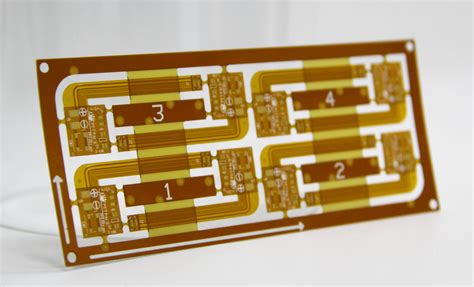
When selecting a flex PCB supplier, understanding their offerings and capabilities is essential to achieving the best results for your projects. Among the various PCB manufacturing companies, look for those that emphasize quality and innovation in their processes. This can directly influence the overall PCB manufacturing cost and performance of your electronics. Integrating flexible PCBs can bring numerous benefits, enabling advanced designs that traditional rigid boards may not support. Additionally, flexibility in design allows for creative solutions that align with market demands.
“Choosing a supplier with proven expertise in the PCB manufacturing business can streamline your project development.”
Opting for a partner who provides customization options ensures that your specific requirements are met, allowing you to leverage the full potential of flexible PCB technology. Therefore, when evaluating different suppliers, consider not only their manufacturing capabilities but also their ability to adapt and innovate according to your needs. This strategic alignment can drastically impact the success of your electronics projects and contribute positively to your competitive edge in the industry.
Overview of Flex PCB Technology
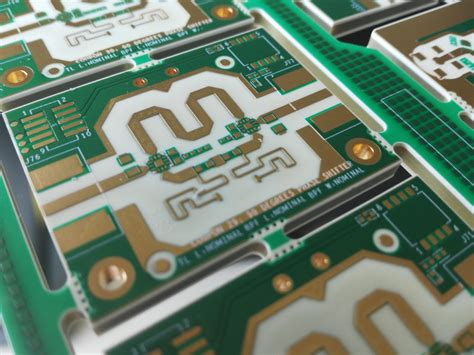
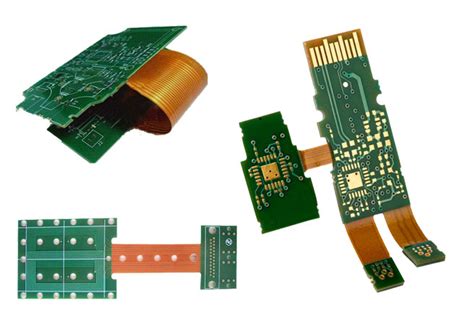
Flex PCBs, or flexible printed circuit boards, represent a significant advancement in PCB manufacturing. They enable unique designs that traditional rigid boards cannot support. By utilizing flexible materials, these circuits can be bent, twisted, or folded to fit into intricate spaces within electronic devices. This adaptability is particularly valuable in industries where form factor is paramount, such as consumer electronics, automotive, and medical devices.
Your understanding of PCB manufacturing processes is essential when assessing the advantages of flex PCBs. These boards are typically constructed using a combination of thin film substrates and metallic conductive traces that create a lightweight and effective means of interconnecting components. Unlike rigid PCBs, flex circuits can accommodate tighter geometries without compromising performance or reliability.
Moreover, when considering your projects’ efficiency and overall design aesthetic, it’s important to factor in the pcb manufacturing cost associated with flexible solutions. While they may appear more expensive initially compared to their rigid counterparts due to specialized materials and processes, the long-term benefits—including reduced assembly time and lower overall weight—can often offset these costs.
In terms of sourcing from reputable PCB manufacturing companies, you should prioritize those that specialize in flex PCB technology. Selecting a manufacturer with proven expertise ensures that your product will meet stringent industry standards while maintaining high levels of quality and reliability.
Below is a summary table highlighting key characteristics of flex PCBs versus traditional rigid PCBs:
| Feature | Flex PCB | Rigid PCB |
|---|---|---|
| Flexibility | High | Low |
| Weight | Lightweight | Heavier |
| Design Complexity | Supports intricate designs | Limited design options |
| Cost | Higher initial investment | Generally lower |
| Applications | Mobile electronics, wearables | General electronics |
Ultimately, as you delve deeper into flexible PCB technology, it becomes clear that their unique benefits can drive innovation in your electronic designs while elevating the functionality of your projects.
Benefits of Using Flexible PCBs in Electronics
Flexible printed circuit boards (PCBs) are increasingly recognized for their capability to revolutionize electronic designs. One of the primary benefits of using flexible PCBs is their ability to fit into compact spaces without compromising the performance of your devices. This flexibility allows for innovative electronics solutions, where traditional rigid boards may fall short. Additionally, the lightweight nature of flexible PCBs reduces the overall weight of your assembly, which is particularly valuable in applications like wearables and mobile devices.
Furthermore, companies focused on pcb manufacturing can offer enhanced durability in flexible PCB designs, which helps them withstand dynamic flexing and bending during operation. This resilience translates to a longer product lifespan and reliability, thus reducing potential maintenance costs. When you consider the customization options available with flexible PCBs, you can effectively tailor your projects to meet specific needs without incurring exorbitant pcb manufacturing costs.
Moreover, many leading pcb manufacturing companies now prioritize integrating advanced materials that improve signal integrity and minimize electromagnetic interference. This can significantly enhance the performance of your final product. As a result, by selecting high-quality flex PCBs, you are making a strategic choice that aligns with trends toward miniaturization and efficiency in electrical engineering. By utilizing a seasoned supplier known for excellence in pcb manufacturing business, you can ensure that your projects benefit from both innovation and quality standards inherent in modern technology today. For more information on reliable sources, you may explore this link.
Key Applications for Flex PCBs
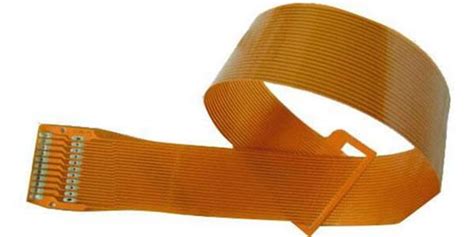
Flexible PCBs are integral to a multitude of applications, enabling innovations and enhancing the functionality of electronic devices. In fields such as consumer electronics, telecommunications, and medical devices, these circuits offer distinct advantages. For instance, in the consumer electronics sector, flexible PCBs can be found in smartphones and wearables where space is at a premium. Their ability to conform to compact shapes allows manufacturers to create more ergonomic designs without compromise on performance. In the realm of telecommunications, these flexible circuits facilitate high-speed signal transmission, which is crucial for maintaining connectivity in an increasingly digital world.
Moreover, the medical industry benefits significantly from this technology; devices like flexible sensors and diagnostic equipment leverage flexibility for enhanced patient comfort and accurate readings. With automotive applications, as vehicles become more advanced with features such as infotainment systems and advanced driver-assistance systems (ADAS), flex PCBs provide the necessary adaptability to fit into tight spaces while ensuring reliable operation.
As you explore potential pcb manufacturing companies, consider that their expertise in producing high-quality flex circuits can greatly influence your project’s success. Additionally, understanding the pcb manufacturing cost involved with flexible designs is essential for budgeting effectively without sacrificing quality. By selecting a reputable pcb manufacturing business, you ensure that your innovative electronic solutions harness the full potential of flex PCB technology across its key applications, driving your projects’ success into the future.
Selecting the Right Flex PCB Supplier
Choosing the right flex PCB supplier is essential for ensuring that your projects meet their performance and quality standards. In the vast landscape of PCB manufacturing, it’s crucial to evaluate suppliers based on their reputation, available technologies, and customization options. When you consider potential PCB manufacturing companies, prioritize those that offer a range of flexible PCB solutions tailored to your specific needs. Pay attention to their pcb manufacturing cost; while it’s important to find a competitive price, it should not compromise quality. Look for suppliers that emphasize rigorous quality assurance processes and adhere to recognized industry standards. This is essential as it reflects not only their capability but also their commitment to producing reliable products for your electronic applications. Also, investigate their past projects and client testimonials, as they provide insights into how adaptable the supplier is in meeting unique demands in the such a dynamic field of flexible circuit designs. Ultimately, selecting a reputable pcb manufacturing business that resonates with your innovation goals can significantly impact the success of your electronics developments.
Customization Options for Flexible PCBs
When selecting a flex PCB supplier, one of the most significant advantages you will encounter is the range of customization options available for your flexible printed circuit boards (PCBs). Custom PCB manufacturing allows you to tailor specifications in terms of size, shape, and layer count, aligning perfectly with the unique demands of your project. Many PCB manufacturing companies offer specialized services that can handle intricate designs, enabling you to implement features such as multi-layer architecture and fine pitch components. Whether you are designing for wearables, automotive applications, or sophisticated consumer electronics, understanding the pcb manufacturing cost involved is crucial for budgeting your project effectively. By collaborating closely with a reputable supplier, you can access advanced materials like polyimide and PTFE, which not only enhance performance but also ensure durability and reliability in various environments. Furthermore, customization options might extend to surface finishes and solder mask selections that provide needed functionality while achieving aesthetic value in your designs. Engaging with a flexible PCB supplier who prioritizes customization is essential in sustaining an innovative pcb manufacturing business, providing significant leverage in today’s fast-paced electronics market.
Innovative Solutions Enabled by Flex PCB Designs
The evolution of flex PCB technology has ushered in a realm of innovative solutions for modern electronics. By embracing flexible PCBs, you can tap into unique design opportunities that traditional rigid boards cannot offer. These flexible printed circuits allow for the creation of more compact and lightweight devices, making them ideal for applications in consumer electronics, medical devices, and wearables. As a result, using flex PCBs can significantly enhance your product’s functionality while reducing the PCB manufacturing cost. When partnering with reputable PCB manufacturing companies, you gain not just access to high-quality products but also customization options tailored to your specific requirements. The advancements in PCB manufacturing enable these suppliers to support complex designs and unique form factors that address the challenges of modern electronics. By integrating flexibility into your designs, you’re paving the way for products that require less space without compromising performance. These innovative solutions position you at the forefront of technology, ensuring your projects stand out in a competitive market. Investing in flexible PCB designs could very well be the key to future-proofing your electronics and maintaining an edge over competitors in an increasingly dynamic industry.
Quality Standards in Flex PCB Manufacturing
When it comes to flexible PCB manufacturing, maintaining high quality standards is paramount for ensuring performance and reliability in your electronic products. As you explore options through various PCB manufacturing companies, it’s essential to understand the rigorous testing and quality assurance practices that reputable suppliers implement. Areas such as material selection, layering, and adhesion techniques significantly influence the overall PCB manufacturing cost while directly impacting the durability and functionality of the final product. Emphasizing certifications like IPC standards assures you that the manufacturing processes meet or exceed industry benchmarks. You should also inquire about their adherence to environmental regulations, as conscious practices can enhance your brand’s reputation among consumers. Ultimately, aligning with established PCB manufacturing businesses that prioritize quality not only aids in meeting deadlines but also ensures that your innovative designs are brought to fruition with precision and dependability.
Future Trends in Flexible PCB Technology
As the electronics industry evolves, so too does the landscape of flexible printed circuit boards (PCBs). One of the most notable future trends in flex PCB technology is the advancement of materials, specifically focusing on improving durability while reducing the overall PCB manufacturing cost. Innovations in materials allow for greater flexibility and resilience, which is essential for devices that are becoming increasingly compact and complex. Additionally, there’s a growing emphasis on sustainability within the PCB manufacturing sector, leading to a rise in eco-friendly materials and processes. This trend not only benefits the environment but also aligns with consumer demand for greener products.
Moreover, advancements in design techniques are crucial to accommodating the miniaturization of electronic components. As you seek out reliable PCB manufacturing companies, consider those that invest heavily in cutting-edge technology and can offer custom solutions tailored to your specific project needs. Enhanced designs enable the integration of complex functionalities into smaller spaces without compromising performance, which is key for innovative product development.
Additionally, automation and smart manufacturing technologies are redefining efficiency within the PCB manufacturing business landscape. These developments help lower production times while maintaining high-quality standards, positively impacting scalability for various project scopes. As a result, businesses that leverage these trends will not only remain competitive but also pave the way for future innovations in flexible electronics. By staying informed about these trends and selecting a partner who aligns with them, you’ll be well-equipped to drive your projects to success with state-of-the-art flexible PCBs.
Conclusion
In the realm of electronics, your choice of flex PCB supplier can significantly influence the success of your projects. Opting for high-quality flexible PCBs allows for seamless integration in various applications, enhancing both functionality and design. As you consider the pcb manufacturing process, it’s crucial to evaluate potential pcb manufacturing companies based on their ability to meet your specific needs and the flexibility they offer in customizing designs. This doesn’t just affect the immediate cost; understanding pcb manufacturing cost allows you to budget effectively without compromising on quality. Furthermore, as the pcb manufacturing business evolves, partnering with a leading supplier will ensure you remain at the forefront of innovations in electronics, paving the way for advanced solutions in your designs. By making an informed choice about your flex PCB supplier, you position yourself for success in a competitive landscape where adaptability and quality are paramount.
FAQs
What is the importance of choosing the right flex PCB supplier?
Selecting a reliable flex PCB supplier is crucial for ensuring high-quality production and timely delivery. A reputable provider can offer competitive pricing, ensuring that your pcb manufacturing cost remains reasonable while maintaining high standards of quality.
How do I know if a flex PCB supplier meets quality standards?
Look for suppliers that adhere to international quality standards in pcb manufacturing, such as IPC-6012 and IPC-6013. Checking for certifications and customer testimonials can also help verify their reliability, especially among different pcb manufacturing companies.
What customization options are available with flexible PCBs?
Many suppliers offer a variety of customization options including different material types, layer counts, and unique shapes. This flexibility enables you to tailor your product to meet the specific needs of your projects, which is essential in today’s competitive electronics market.
Can flexible PCBs help reduce overall manufacturing costs?
Yes, by enabling more compact designs and reducing the number of components needed, flexible PCBs can significantly lower your pcb manufacturing cost, making them a valuable investment for many pcb manufacturing businesses.
What are common applications for flexible PCBs?
Flexible PCBs are widely used in medical devices, consumer electronics, automotive applications, and aerospace technology due to their adaptability and efficiency in space-constrained designs.