
Innovative Solutions in Flexible PCB Fabrication
Key Takeaways
In the realm of flexible PCB fabrication, you will discover a wealth of innovative solutions that significantly enhance your design capabilities. The ability to incorporate flexible PCBs into your products can lead to greater design flexibility, allowing for components to fit into tighter spaces and achieve more complex configurations. This is particularly advantageous in industries where space-saving is paramount, such as in wearable technology and medical devices. Furthermore, understanding the landscape of pcb manufacturing companies can aid you in finding partners who specialize in these advanced techniques, ultimately influencing your overall pcb manufacturing cost. You should be cognizant that the shift towards flexible designs addresses not only space and weight but also the demands of modern product architecture, ensuring your designs meet evolving consumer needs. Embracing these advancements can place your pcb manufacturing business at the forefront of innovation, showcasing products that are not only functional but also optimized for today’s fast-paced technological demands. As you delve deeper into this field, stay aware of different innovative techniques that can lead to substantial improvements in how products are built and how they perform in real-world applications.
Innovative Techniques in Flexible PCB Design
The landscape of flexible PCB fabrication has seen remarkable growth, driven by innovative techniques that push the boundaries of what is possible in pcb manufacturing. One major advancement involves using advanced materials that not only enhance the flexibility of printed circuit boards but also improve their durability and performance. Companies engaged in pcb manufacturing are increasingly adopting technologies such as laser cutting and high-resolution printing, enabling intricate designs that were previously unachievable. By leveraging these modern techniques, you can significantly reduce the pcb manufacturing cost, as well as optimize both space and weight for your final products.
Additionally, the integration of smart software in the design process plays a vital role. These software solutions provide advanced simulation and modeling capabilities, allowing pcb manufacturing companies to test designs virtually before moving into production, thus ensuring efficiency and accuracy. As a result, your ability to innovate within your pcb manufacturing business improves dramatically, positioning you advantageously in the competitive technology landscape.
Moreover, employing these innovative techniques not only enhances design capabilities but also promises better functionality across a variety of applications—from consumer electronics to medical devices. As you explore these advancements within flexible PCB design, consider how they can revolutionize your existing projects while optimizing performance metrics. For more insights into flexible PCB solutions and services, check out Andwin PCB.
Enhancing Design Flexibility with Flexible PCBs
As you navigate the landscape of pcb manufacturing, one of the standout innovations is the rise of flexible PCBs. These boards provide unparalleled design flexibility, allowing for intricate layouts that traditional rigid boards simply cannot accommodate. By utilizing advanced techniques in pcb manufacturing, you can achieve complex shapes and configurations that enhance product functionality. For instance, flexible PCBs can be bent and folded to fit into tight spaces, which is particularly beneficial for modern devices where space constraints are a major concern. This adaptability not only reduces the overall weight of your design but also contributes to a more streamlined product architecture. When considering your options, it’s crucial to evaluate different pcb manufacturing companies, as their approaches may vary significantly in terms of cost and capabilities. Understanding your specific needs related to pcb manufacturing cost can help you make informed decisions, ensuring that your pcb manufacturing business remains competitive while embracing these innovative solutions that are reshaping how products are engineered today.
Reducing Space and Weight in Product Architecture
The transition to flexible PCBs has significantly impacted the way you design and develop electronic products, particularly in terms of reducing space and weight. By utilizing pcb manufacturing techniques that promote compact designs, you can achieve a higher density of connections without the bulk associated with traditional rigid boards. The ability to bend and conform to specific shapes allows you to maximize space within constrained environments, which is particularly valuable in industries such as aerospace, medical devices, and consumer electronics.
As you consider your options among various pcb manufacturing companies, it’s important to assess how these innovative materials can aid in streamlining your product architecture. This approach not only saves physical space but also results in lighter products that are easier to transport and handle. Given that weight reduction plays a crucial role in enhancing portability and efficiency, opting for flexible PCBs should be at the forefront of your design considerations.
“The advancement of flexible circuits offers an unmatched opportunity for innovation in engineering design.”
Moreover, while evaluating the pcb manufacturing cost, it’s essential to remember that investing in lightweight solutions can lead to significant savings throughout a product’s lifecycle. Not only do lighter designs improve transportation costs, but they also potentially cut down on material expenses during production. As a result, engaging with reputable pcb manufacturing companies can lead you toward a more cost-effective pcb manufacturing business model that prioritizes agility without sacrificing quality or performance.
By integrating these flexible solutions into your projects, you are poised to revolutionize your approach to electronic design while maintaining a competitive edge in an ever-evolving market landscape. This focus on reducing both space and weight will not only enhance product performance but also satisfy market demands for more efficient technologies.
Applications of Flexible PCBs in Modern Technology
Flexible PCBs have become an integral component across various technological applications, demonstrating their versatility and efficiency. You’ll find that their unique properties enable innovations in sectors such as consumer electronics, medical devices, automotive systems, and wearable technology. In consumer electronics, for instance, flexible PCB fabrication allows for compact device designs without compromising functionality. This is crucial for today’s market, where space is often at a premium.
In the medical field, the lightweight and flexible nature of these circuits facilitate the development of portable diagnostic equipment and flexible sensors that conform to patient anatomy. This adaptability not only enhances the design flexibility but ultimately contributes to improved user experience. Similarly, in automotive applications, flexible PCBs are often employed in control systems due to their capacity to withstand harsh environmental conditions while maintaining signal integrity.
Here’s a summary table highlighting some key applications:
| Application Area | Key Advantages of Flexible PCBs |
|---|---|
| Consumer Electronics | Space-saving designs, enhanced portability |
| Medical Devices | Flexible sensors, adaptable components |
| Automotive Systems | Durability under extreme conditions |
| Wearable Technology | Lightweight solutions with increased comfort |
The flexibility in design also leads to significant reductions in weight compared to traditional rigid boards. Consequently, companies focusing on pcb manufacturing have been able to optimize their processes and reduce overall pcb manufacturing costs, making it an attractive proposition for businesses aiming to innovate. As you explore this evolving landscape of PCB technology, understanding how these circuits integrate into modern devices will provide insight into the future direction of your projects and needs within the pcb manufacturing business landscape.
Challenges and Solutions in Flexible PCB Fabrication
When delving into the world of flexible PCB fabrication, you’ll encounter various challenges that can impact the overall process. One of the primary hurdles is maintaining a balance between design flexibility and manufacturing capabilities. As designs grow increasingly intricate, pcb manufacturing companies must adapt their processes to ensure that all specifications are met without compromising performance. Additionally, achieving high yields while minimizing pcb manufacturing costs can be quite daunting. Nevertheless, innovative techniques are being implemented to address these issues. For example, improving the adhesion between layers helps in enhancing durability without adding unnecessary weight. Furthermore, advancements in materials used during pcb manufacturing allow for greater flexibility, enabling products to withstand more rigorous applications while retaining lightweight characteristics. Collaboration between design teams and pcb manufacturing business partners can also facilitate better communication and lead to solutions that tackle specific challenges effectively. By embracing these strategies, you can navigate the complexities inherent in flexible PCB fabrication and drive your projects toward success.
Future Trends in the Flexible PCB Industry
As the flexible PCB manufacturing landscape evolves, you may find that several key trends are shaping the industry’s future. Firstly, an increasing emphasis on miniaturization is pushing PCB manufacturing companies to develop more compact and efficient designs. This trend is not only enhancing design flexibility but also allowing for intricate configurations that save valuable space within products. Moreover, innovations in materials technology are leading to lighter and more durable flexible PCBs, which significantly contribute to reducing the overall PCB manufacturing cost. As demands for more advanced electronic devices grow, these advancements can help streamline your PCB manufacturing business processes by integrating state-of-the-art techniques that allow for faster production cycles without compromising quality. Additionally, the rise of wearable technology and the Internet of Things (IoT) is creating new opportunities for flexible PCBs in various applications, further highlighting their versatility in meeting modern technological needs. By staying informed of these future trends, you can strategically position your offerings to capitalize on emerging markets while remaining competitive in this dynamic field.
Cost-Effectiveness of Flexible vs. Rigid PCBs
When considering pcb manufacturing, the cost-effectiveness of flexible PCBs compared to their rigid counterparts is a crucial factor for many businesses. As you delve into the world of pcb manufacturing companies, you will notice that flexible printed circuit boards often represent a more economical choice in terms of handling, assembly, and overall design efficiency. The pcb manufacturing cost for flexible options may appear higher initially; however, this can be offset by the benefits. These include reduced space requirements and lower weight, which facilitate easier integration into compact designs. Such capabilities are vital in industries such as consumer electronics and medical devices, where space constraints are common. Moreover, the versatility offered by flexible designs can lead to innovation in product functionality, ultimately enhancing your pcb manufacturing business opportunities as you respond to market demands effectively. By adopting flexible PCB technology, you may find that long-term savings and enhanced performance can outweigh the upfront investment.
Quality Assurance in Flexible PCB Manufacturing
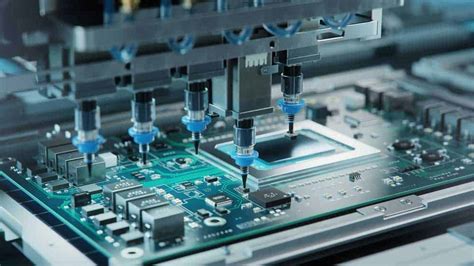
In the realm of flexible PCB manufacturing, ensuring quality is paramount for success and reliability. You must recognize that the quality assurance process in pcb manufacturing goes beyond simple inspections. It involves meticulously planned protocols that monitor each phase of production, from material selection to final assembly. Many pcb manufacturing companies implement stringent standards and tests, such as dimensional checks, solderability assessments, and thermal cycling tests, to guarantee that each flexible circuit meets critical specifications. This comprehensive approach allows you to identify potential defects early, which in turn reduces the costs associated with rework or product failures later on. By investing in advanced technologies and techniques during the quality assurance phase, your pcb manufacturing business can enhance overall product integrity. Ultimately, by prioritizing quality assurance in your processes, you not only optimize the pcb manufacturing cost but also build trust with your clients by delivering reliable and high-performance products that meet the demands of various applications in modern technology.
Conclusion
In conclusion, the landscape of flexible PCB fabrication is evolving rapidly, thanks to advancements in technology and innovative approaches adopted by pcb manufacturing companies. These developments not only address the challenges associated with traditional rigid designs but also enhance your product’s design flexibility, allowing for greater creativity and functionality in electronic devices. As you consider entering the pcb manufacturing business, it is important to evaluate the pcb manufacturing cost carefully, ensuring that innovations do not compromise quality. The ability to produce lighter, thinner, and more adaptable circuits sets a foundation for new applications across various industries. With the right strategies in place, you can leverage these evolving techniques to maximize efficiency and performance in your products while remaining competitive in a dynamic market. Keep an eye on the future trends that may influence how pcb manufacturing adapts and grows, shaping your approach to successful product architecture.
FAQs
What is flexible PCB fabrication?
Flexible PCB fabrication refers to the process of creating Printed Circuit Boards (PCBs) that can bend and twist, allowing for greater design versatility compared to rigid counterparts. This technique often employs special materials and innovative manufacturing techniques to achieve the desired flexibility.
What are some of the benefits of using flexible PCBs?
One of the main advantages of using flexible PCBs is their ability to save space and reduce weight in your products. This can be particularly beneficial in industries where compact design is essential, such as in consumer electronics or medical devices. Additionally, they allow for more complex designs, making it easier to integrate multiple components.
How does flexible PCB manufacturing differ from traditional PCB manufacturing?
While traditional PCB manufacturing primarily focuses on rigid boards, flexible PCB manufacturing utilizes unique materials, such as polyimide or polyester. This variation not only provides a flexible substrate but also requires distinct processes that some PCB manufacturing companies may need to specialize in.
What factors affect the cost of flexible PCB manufacturing?
The PCB manufacturing cost for flexible designs can be influenced by various factors including material selection, complexity of the design, layer count, and volume of production. High-quality materials and intricate designs typically lead to higher costs.
Are there particular industries that benefit most from flexible PCBs?
Yes! Industries including aerospace, automotive, telecommunications, and healthcare have greatly benefited from advancements in flexible PCB technology. These sectors often require lightweight yet durable components capable of withstanding various environmental conditions.
For more detailed information on how you can leverage these advancements in your projects or business ventures related to PCB manufacturing, please click here: https://www.andwinpcb.com/pcb-manufacturing/.