
Top Flexible Printed Circuit Manufacturers Driving Innovation
Key Takeaways
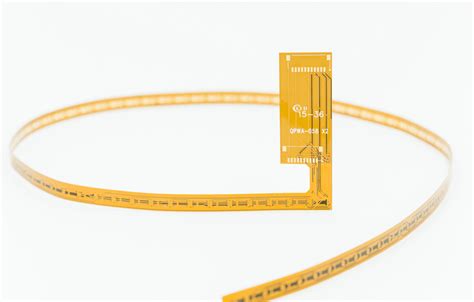
In the ever-evolving landscape of electronics, flexible printed circuits (FPCs) are becoming the backbone of many technological advancements. As you explore the realm of pcb manufacturing, it’s essential to understand that these adaptable circuits allow for innovative designs that traditional rigid boards cannot achieve. Leading pcb manufacturing companies have responded to the demands of modern applications by adopting cutting-edge technologies that enhance the performance and efficiency of their products.
One critical aspect to consider is the pcb manufacturing cost, which is influenced by several factors, including material selection and production techniques. These costs can vary significantly based on complexity and customization needs. Understanding these elements can help you make informed decisions if you’re involved in a pcb manufacturing business or seeking partnerships with manufacturers.
Below is a summary table showcasing key factors in flexible printed circuit costs:
| Factor | Impact on Cost | Description |
|---|---|---|
| Material Quality | High | Premium materials can enhance performance but increase costs. |
| Design Complexity | Moderate to High | Complex designs require more time and resources, elevating costs. |
| Production Volume | Variable | Larger volumes often reduce per-unit costs through economies of scale. |
| Technology Used | Variable | Advanced technologies like laser cutting can raise initial investments but pay off in quality. |
These factors emphasize the importance of choosing reliable partners in the flexible printed circuit industry who are not only cost-effective but also committed to driving innovation forward. As you navigate this sector, keep these key takeaways in mind for a comprehensive understanding of how flexible printed circuits are shaping the future of electronic applications and designs.
Introduction to Flexible Printed Circuits: A Revolution in Electronics
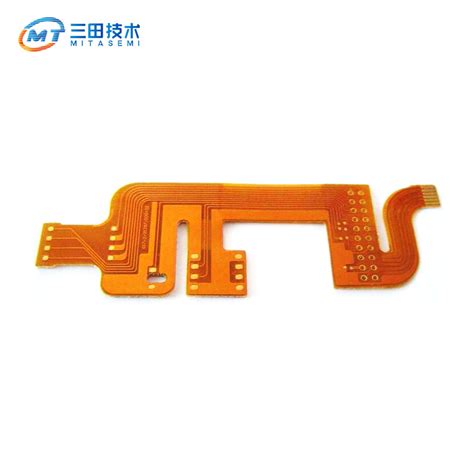
In today’s fast-paced technological landscape, flexible printed circuits (FPCs) are leading the charge in innovation, dramatically shifting the way electronic devices are designed and manufactured. As you delve into the realm of pcb manufacturing, you’ll uncover that FPCs offer remarkable advantages over traditional rigid circuits, enabling more versatile and compact designs essential for modern applications. This transformation is not only revolutionizing device design but is also propelling pcb manufacturing companies to rethink their strategies. By employing advanced techniques, these innovators are addressing the growing pcb manufacturing cost challenges while maintaining high performance and quality standards.
The capabilities of FPCs allow engineers to create intricate layouts that were once deemed impractical. These advancements open up exciting opportunities for you to explore new aspects of electronic design that cater to smaller, lighter devices, suitable for a myriad of industrial applications ranging from consumer electronics to aerospace.
“Innovation is the cornerstone of progress; when you invest in pcb manufacturing, it’s essential to focus on flexible solutions that future-proof your products.”
By understanding these dynamics within flexible circuitry, you position yourself at the forefront of an ever-evolving industry that thrives on adaptability and ingenuity. Whether you are a professional in the field or an enthusiast eager to learn more about this critical technology, embracing the advantages offered by leading flexible printed circuit manufacturers can elevate your projects and business ventures dramatically. Visit Andwin PCB for insights into top-notch manufacturing capabilities and how they enhance technological advancements.
Key Players in the Flexible Printed Circuit Market
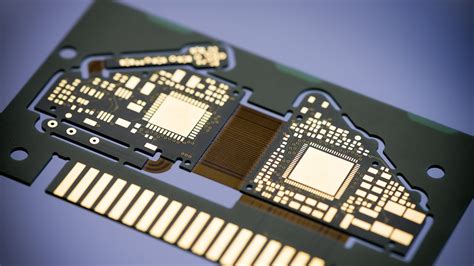
In the rapidly evolving landscape of flexible printed circuit (FPC) technology, several key players stand out for their contributions and innovations. These pcb manufacturing companies are at the forefront, driving advancements that cater to the increasing demands of modern electronics. Their emphasis on research and development has led to innovative approaches in pcb manufacturing, resulting in superior flexibility and efficiency that enhance product performance. As you explore these manufacturers, you will discover how they are not just focusing on pcb manufacturing cost, but also striving to deliver high-quality products tailored for various applications. With diverse offerings that cater to industries such as consumer electronics, automotive, and medical devices, these companies are revolutionizing traditional circuitry. Furthermore, by integrating cutting-edge technology into their pcb manufacturing business models, they are expanding design possibilities and optimizing production processes. This innovation-driven environment is crucial for meeting the challenges of tomorrow’s electronic applications and presents exciting opportunities for both manufacturers and consumers alike.
Innovative Design Technologies in Flexible PCB Manufacturing
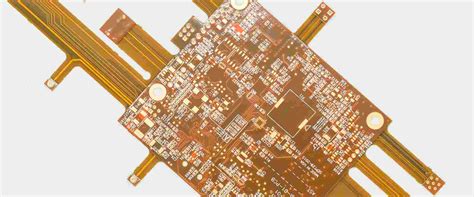
The realm of flexible printed circuits (FPC) has witnessed remarkable advancements, driven by cutting-edge design technologies that enhance the capabilities of pcb manufacturing. Modern pcb manufacturing companies are increasingly adopting innovative methods such as multilayer stacking, which allows for complex circuitry in compact spaces, a crucial factor in meeting the rising demand for miniaturization in electronics. Furthermore, the integration of advanced materials like polyimide and other polymers has significantly improved the reliability and performance of FPC, making them ideal for applications that require durability under various environmental conditions. The increasing emphasis on sustainability has also paved the way for greener practices in pcb manufacturing, as companies strive to minimize waste and utilize more eco-friendly materials. As you consider pcb manufacturing costs, it is important to note that these innovations often lead to long-term savings through enhanced product longevity and reduced failure rates. Consequently, investing in these advanced design technologies not only elevates your pcb manufacturing business but also positions you for success in a competitive landscape where efficiency and performance are paramount.
Applications of Flexible Printed Circuits in Various Industries
Flexible printed circuits, or FPCs, have found their way into a vast array of industries due to their unique design and functional capabilities. In the consumer electronics sector, for instance, pcb manufacturing has made it possible to create lightweight, compact devices that feature complex circuit layouts without sacrificing durability. Mobile phones and wearable technology extensively utilize FPCs, enabling manufacturers to meet the ever-increasing consumer demand for slim and sophisticated electronics. The automotive industry also benefits from pcb manufacturing companies that produce flexible circuits for advanced driver-assistance systems (ADAS), where reliability and adaptability in tight spaces are paramount. Furthermore, the medical device sector relies on these flexible circuits in various applications such as diagnostic equipment and implantable devices. The challenges of pcb manufacturing cost are often offset by the enhanced performance and versatility that FPCs bring to these high-stakes fields. As you explore the growing importance of flexible printed circuits in your niche, understanding their diverse applications can illuminate opportunities within your own pcb manufacturing business, helping you adapt to and thrive in an evolving technological landscape.
Challenges Faced by Flexible Circuit Manufacturers and Their Solutions
In the realm of flexible printed circuits, manufacturers encounter a multitude of challenges that test their ingenuity and adaptability. The pcb manufacturing process often requires precision and innovative methodologies to overcome issues such as material limitations and production speeds. For instance, when sourcing materials, pcb manufacturing companies must navigate the delicate balance between cost efficiency and quality—failing to meet this balance can lead to increased overall pcb manufacturing cost. Moreover, the demand for more intricate designs presents hurdles in terms of scalability and maintainability. To tackle these challenges, leading manufacturers are investing in advanced automation technologies that not only enhance production efficiency but also ensure consistency in quality. Adoption of simulation tools allows engineers to predict potential design failures before moving into full-scale production, ultimately streamlining the pcb manufacturing business model. As these companies continue to innovate, they are not only meeting current market demands but are also paving the way for future advancements in electronic applications.
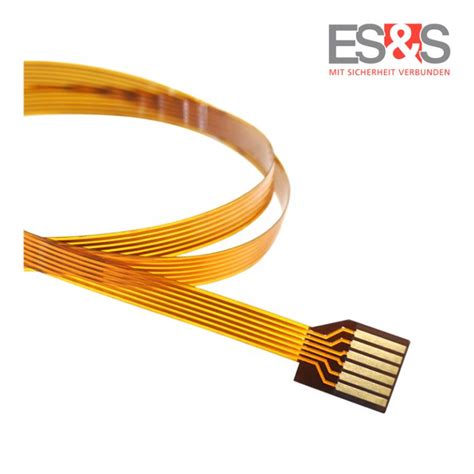
Future Trends in Flexible Printed Circuit Technology
As the world of electronic applications continues to evolve, flexible printed circuits (FPCs) are being recognized for their potential to redefine how devices are designed and manufactured. The pcb manufacturing landscape is experiencing significant transformations, driven by advancements in materials and fabrication techniques. Manufacturers are increasingly focusing on incorporating advanced materials, such as flexible substrates that enhance performance while reducing weight and thickness. This shift in pcb manufacturing practices allows for a wider range of applications, from wearables to automotive electronics.
Moreover, the notion of sustainability is becoming integral within the pcb manufacturing business. Many pcb manufacturing companies are now prioritizing eco-friendly approaches that not only reduce waste but also lower the overall pcb manufacturing cost through efficient resource utilization. As industry leaders continue to innovate, you can expect even more developments such as automation and smart technologies that streamline production processes.
Looking ahead, it is evident that flexible printed circuits will play a crucial role in the integration of technology into everyday appliances while pushing the boundaries of what’s feasible in electronic design. The future is promising for both manufacturers and consumers as these trends hold the potential to maximize efficiency and enhance functionality in a multitude of devices.
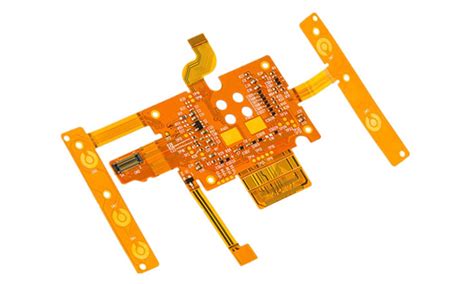
Case Studies: Success Stories from Leading Manufacturers
The flexible printed circuit (FPC) landscape is enriched by the achievements of various pcb manufacturing companies that have pushed the boundaries of technology and design. One notable success story comes from a leading pcb manufacturing business in the telecommunications sector, where innovative pcb manufacturing techniques allowed for drastically reduced dimensional constraints. This breakthrough facilitated the development of ultra-compact devices that seamlessly integrate with next-gen networks. Another exemplary case involves a firm specializing in medical devices, which harnessed flexible circuits to create lightweight, biocompatible components. This advancement not only simplified assembly but also significantly lowered pcb manufacturing costs, enabling faster delivery times without compromising quality. These are just a couple of instances showcasing how embracing advanced design methodologies and innovative materials has transformed their approach to meeting the demands of modern electronic applications. As you explore these pcb manufacturing success stories, consider how these manufacturers have not only elevated their offerings but have also set new benchmarks for industry standards and practices.
Conclusion: The Role of Innovation in Shaping the Future of Electronics
The world of flexible printed circuits (FPCs) is rapidly advancing, with leading pcb manufacturing companies playing a pivotal role in this evolution. These innovators are not just meeting the demands of modern electronic applications; they are constantly pushing the boundaries of what is possible in pcb manufacturing. By adopting advanced technologies and optimizing their processes, they are effectively reducing pcb manufacturing costs, which allows for more accessible solutions across various industries. As you explore the contributions made by these top manufacturers, it becomes evident that their commitment to research and development is instrumental in driving technological advancements. The focus on user-centric design and adaptability ensures that FPCs can be integrated into everything from consumer electronics to medical devices, showcasing a remarkable versatility that is reshaping how electronics interact with our daily lives. Ultimately, the ongoing efforts within the pcb manufacturing business not only allow for more complex and efficient products but also set a standard for future developments within the industry. Embracing innovation today will undoubtedly pave the way for new opportunities and breakthroughs tomorrow.
Conclusion: The Role of Innovation in Shaping the Future of Electronics
As you navigate the landscape of flexible printed circuit manufacturers, it’s essential to recognize that innovation is not just a buzzword but a driving force in the realm of pcb manufacturing. These companies are at the forefront, redefining what is possible in electronic design and application. Their commitment to advancing technology is reflected in how they tackle complexities inherent in pcb manufacturing processes, helping to reduce pcb manufacturing costs while simultaneously enhancing performance and reliability. By integrating cutting-edge design technologies, these manufacturers open up new avenues for industries ranging from telecommunications to medical devices, ensuring that they can meet evolving consumer demands. The dynamic nature of the pcb manufacturing business emphasizes flexibility and adaptability, allowing manufacturers to pivot swiftly as new challenges arise. Ultimately, your understanding of these innovations showcases the pivotal role they play in fostering a future where electronic devices are increasingly efficient and capable, marking an exciting chapter in the evolution of technology.
FAQs
What are flexible printed circuits?
Flexible printed circuits are a type of electronic circuit that can be bent and flexed, allowing for innovative design options in consumer electronics and industrial applications.
Who are the top flexible printed circuit manufacturers?
The top pcb manufacturing companies lead the industry by investing in advanced technology and implementing efficient manufacturing processes, thereby driving the overall growth of the flexible PCB market.
What is the significance of pcb manufacturing cost?
Understanding pcb manufacturing cost is essential for businesses as it influences product pricing and overall profit margins. Cost-effective manufacturing is critical for competitiveness in a rapidly evolving market.
How do I select a reliable pcb manufacturing business?
To select a dependable pcb manufacturing business**, research their industry reputation, production capabilities, certifications, and customer feedback. Reliable manufacturers will also provide transparent pricing that aligns with your budget while ensuring quality.
What challenges do flexible circuit manufacturers face?
Manufacturers encounter challenges such as material limitations, design complexities, and evolving market demands. Staying ahead requires continuous innovation and investment in modern techniques to overcome these obstacles effectively.
To learn more about the exciting developments in pcb manufacturing, please click here: Explore PCB Manufacturing