
Transforming Electronics with Flextronics PCB Innovations

Key Takeaways
Flextronics PCB innovations are leading the charge in transforming the electronics industry, bringing significant advancements in PCB manufacturing that directly affect performance and reliability. As you explore this landscape, it’s vital to understand that PCB manufacturing companies today are implementing advanced design techniques that streamline production while maintaining high quality. Modern approaches in PCB manufacturing allow for the integration of complex circuit designs efficiently, thus reducing PCB manufacturing costs without sacrificing reliability.
To exemplify these advancements, consider how incorporating cutting-edge materials and processes minimizes defects during production. The flexibility of these innovations benefits your business model as they enable more cost-effective solutions while ensuring durability in final products. Remember the following tip:
“Efficiency in production not only reduces costs but also accelerates time-to-market.”
Additionally, as you consider entering or enhancing your involvement in the PCB manufacturing business, staying updated with technological advancements is essential. Understanding how to leverage these innovations can position your company competitively within the market. One way to do this is by collaborating with experienced manufacturers who offer insights into emerging trends and best practices.
For further information on evolving trends and solutions in PCB-related technologies, consider visiting Andwin PCB.

Introduction to Flextronics PCB Innovations
In the rapidly evolving landscape of electronics, the significance of Flextronics PCB innovations cannot be overstated. You may have noticed that advancements in this field are not merely about aesthetics; they entail transformative changes in functionality and efficiency that numerous pcb manufacturing companies strive to achieve. Understanding these innovations allows you to appreciate how they not only influence pcb manufacturing cost but also elevate the reliability and performance of electronic devices. The integration of advanced design techniques optimizes layouts, enhances thermal management, and enables miniaturization, which is crucial for today’s compact gadgets. As you delve deeper into these concepts, you will uncover how Flextronics PCB developments are reshaping the core practices within the pcb manufacturing business, ushering in a new era where adaptability and precision become paramount. Thus, grasping these innovations equips you with valuable insights into the future trajectory of electronic components and their applications in everyday technology.
Advanced Design Techniques in Flextronics PCB
In the ever-evolving realm of electronics, Flextronics PCB innovations stand at the forefront of advanced design techniques. You will find that these techniques incorporate cutting-edge methodologies to enhance both functionality and efficiency. For instance, one significant approach involves the application of multilayer PCB designs, which allow for greater complexity and connectivity in electronic devices without increasing the pcb manufacturing cost. This not only streamlines the design process but also minimizes space requirements. Additionally, leveraging high-speed signal design principles is essential for ensuring that data transmission happens at optimal rates, which is becoming increasingly critical in a world that relies on rapid communication.
Moreover, utilizing advanced simulation tools during the design phase can significantly reduce errors and shorten production timelines, giving you a competitive edge in your projects. When choosing among various pcb manufacturing companies, it is beneficial to prioritize those that employ these innovative techniques, as they can guarantee high-quality products with improved performance metrics.
By focusing on unique customized solutions in your pcb manufacturing business, you can address specific needs of modern electronics while maintaining a balance between quality and cost-effectiveness. As you explore these advanced design techniques, keep in mind that their implementation is rooted in a commitment to innovation and excellence, enabling devices to perform reliably under various conditions. These developments not only heighten your productivity but also position your electronic products competitively within an increasingly saturated market.
Manufacturing Processes that Enhance Performance
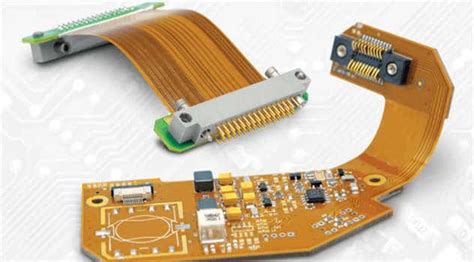
When considering advancements in Flextronics PCB, it is crucial to examine the manufacturing processes that contribute to enhanced performance in electronic devices. Companies engaged in pcb manufacturing have adopted innovative techniques designed to maximize efficiency and reliability. For instance, the implementation of advanced multi-layer designs not only minimizes the overall footprint of the boards but also allows for better thermal management and electrical performance. This is especially relevant for pcb manufacturing companies that focus on high-density interconnections, which are vital for today’s compact electronics. Moreover, developments such as automated assembly lines streamline the pcb manufacturing cost, significantly reducing lead times while maintaining high quality. The trend towards using modular components enables flexibility within the pcb manufacturing business, adapting quickly to client needs and market changes. As a result, you can expect electronic devices to perform more reliably, driven by the cutting-edge processes that today’s industry leaders are employing in their PCB production strategies.
Reliability Improvements in Modern Electronics
In today’s fast-paced electronics landscape, reliability is paramount, yet it comes with its challenges. With Flextronics PCB innovations at the forefront, you can expect significant advancements that enhance the performance and longevity of electronic devices. These improvements stem from refined pcb manufacturing processes that prioritize quality and durability. When collaborating with reputable pcb manufacturing companies, you gain access to cutting-edge technologies that reduce failure rates and ensure consistent product performance. This is particularly important as the complexities of modern devices increase their susceptibility to damage from environmental factors such as heat and humidity. The advanced design techniques employed in Flextronics PCB enable your products to withstand rigorous testing, equipping them with enhanced thermal management and vibration resistance. Moreover, understanding the pcb manufacturing costs involved allows you to balance quality with budget considerations effectively. By integrating these innovations into your development approach, you can build a robust pcb manufacturing business that stands out in a competitive market while ensuring that your products meet the highest reliability standards.*
Case Studies: Successful Applications of Flextronics PCB
Exploring Flextronics PCB innovations requires understanding their practical applications across various industries. Companies that integrate these advanced PCBs into their products have seen significant enhancements in both performance and reliability. For instance, in the automotive sector, one can observe how pcb manufacturing techniques have led to smarter and more efficient control systems. As you delve into these case studies, you’ll notice that several pcb manufacturing companies have adopted cutting-edge design practices to achieve compactness without sacrificing functionality. Additionally, the reduction of pcb manufacturing costs through innovative processes has made it financially feasible for businesses to invest in state-of-the-art technologies. Creating efficient electronic devices isn’t merely about effective design; it’s also about the collaboration between hardware and software that drives innovations forward. With real-world examples showcasing successful implementations, it becomes clear how a focus on pcb manufacturing business can elevate product quality and customer satisfaction. By examining these case studies, you gain valuable insights into how flexibility and reliability are achieved in today’s competitive landscape.
The Future of Flextronics PCB in Electronics
As you look ahead to the future of Flextronics PCB innovations, it becomes evident that the integration of advanced technologies is set to redefine the landscape of modern electronics. With the increasing demand for compact and efficient devices, pcb manufacturing processes are evolving at an unprecedented pace. You may find that staying informed about the latest advancements will give you a competitive edge when evaluating different pcb manufacturing companies. Among these advancements, automated machinery and sophisticated software tools are playing crucial roles in enhancing design accuracy and manufacturability. By optimizing pcb manufacturing cost, companies are finding innovative solutions that ensure high-quality outcomes while maintaining affordability, which is pivotal for sustaining a viable pcb manufacturing business. As you engage with this industry, it’s imperative to understand that embracing these innovations will not only improve performance but also boost reliability, ultimately driving your projects toward success in a fast-evolving market.
Challenges and Solutions in Flextronics PCB Development
In the ever-evolving world of Flextronics PCB development, numerous challenges often arise that can impact both the pcb manufacturing process and the overall success of electronic devices. One prevalent issue is the increasing complexity of design specifications, which can lead to difficulties in maintaining performance while adhering to strict deadlines. To address this, pcb manufacturing companies are increasingly adopting advanced simulation tools that allow for testing and validation before physical production, thereby reducing errors and time-to-market.
Another challenge lies in managing pcb manufacturing costs, which can be significantly affected by material selection and production techniques. By investing in innovative manufacturing processes that enhance efficiency—such as automation in assembly lines—companies can lower costs while improving quality. This approach not only benefits the manufacturers but also adds value to clients who seek reliable products without unnecessary expense.
Moreover, as electronic devices become more compact and high-performance, ensuring reliability improvements within Flextronics PCB is paramount. Implementing rigorous quality control measures, including stress testing and real-time monitoring during production, provides effective solutions to mitigate potential failures. These proactive strategies are essential for establishing a robust pcb manufacturing business that prioritizes both quality and reliability.
Understanding these challenges is crucial for anyone involved in the electronics sector. By embracing innovative solutions and adopting an adaptive approach to development, you can significantly enhance your ability to navigate the complexities of Flextronics PCB production successfully.

Conclusion
As you reflect on the innovative landscape shaped by Flextronics PCB advancements, it becomes clear that the pcb manufacturing sector is undergoing a significant transformation. The implementation of cutting-edge design techniques caters to the evolving demands of modern electronics, enabling you to enjoy products that seamlessly integrate performance and reliability. Understanding how these innovations affect pcb manufacturing costs can help you appreciate the economic and technological factors driving these changes. When choosing pcb manufacturing companies, consider their commitment to improving design methodologies and manufacturing processes, as these aspects contribute directly to the overall quality and functionality of your electronic devices. As this industry navigates its challenges, both businesses and consumers stand to benefit from a future where pcb manufacturing businesses harness these innovations, ensuring that your electronic needs are met with efficiency and excellence.
FAQs
Q: What is Flextronics PCB, and how does it differ from other PCBs?
A: Flextronics PCB refers to the innovative printed circuit boards produced by Flextronics, a leading name in the electronics industry. What sets it apart is its advanced pcb manufacturing techniques that focus on enhancing flexibility, performance, and durability compared to traditional boards produced by other pcb manufacturing companies.
Q: What are the key benefits of using Flextronics PCB in modern devices?
A: Utilizing Flextronics PCB results in higher reliability and performance due to superior manufacturing processes. This leads to a noticeable decrease in failures and maintenance costs, which is crucial for your pcb manufacturing business, especially when looking to attract clients who value quality.
Q: How does the cost of Flextronics PCB compare to traditional PCBs?
A: While the initial pcb manufacturing cost may be higher due to advanced technology and materials used, the long-term benefits include reduced failures and maintenance, potentially lowering overall costs. This makes them a smart investment for your electronic designs.
Q: Can I find case studies showcasing successful applications of Flextronics PCB?
A: Yes, numerous case studies illustrate how companies have successfully integrated Flextronics PCB, optimizing their electronic products’ performance, which serves as a testament to the innovative capabilities of their pcb manufacturing business.