
Understanding PCB Assembly Costs for Efficient Budgeting

Key Takeaways
Understanding and managing PCB assembly costs effectively is crucial for any electronics manufacturing project. Various factors play a significant role in determining the overall expenses related to PCBA. The primary components influencing these costs include labor, materials, and technology used in the assembly process. By carefully analyzing these elements, businesses can adopt efficient budgeting strategies that not only streamline offensive spending but also ensure quality remains uncompromised.
A key takeaway is that investing in the right technology can lead to significant reductions in long-term costs. For instance, advanced automation tools can drastically cut down labor requirements while enhancing precision during PCB assembly. Furthermore, opting for high-quality components often pays off by minimizing failures or rework later.
“Efficiency is not just a target; it’s an ongoing journey of improvement.”
In summary, understanding these dynamics lays the foundation for finding a harmonious balance between quality and cost. Companies must remain agile and adapt to changes in the supply chain or advancements in materials and processes that can impact PCBA pricing.
| Cost Factor | Impact on PCB Assembly Costs |
|---|---|
| Labor Costs | Significant; varies based on region and skill level |
| Material Costs | Fluctuates with market availability; critical for quality |
| Technology | Initial investment may be high but reduces long-term costs |
Ultimately, a well-informed approach to managing PCB assembly expenses will yield more robust projects that meet budgetary constraints while maintaining high standards of performance and reliability. The journey to mastering your budgeting strategy begins with recognizing how various factors interplay in the realm of PCBA production.
Introduction to PCB Assembly Costs
When embarking on the journey of electronics manufacturing, understanding PCB assembly costs is essential for effective financial planning. The costs associated with PCBA (printed circuit board assembly) can vary significantly based on several key factors, including design complexity, materials used, and the scale of production. For instance, a streamlined design with fewer components generally results in lower assembly costs, while intricate designs may require specialized expertise and additional labor. Furthermore, the choice of materials plays a critical role; high-quality components might elevate costs but can ultimately enhance the overall reliability and performance of the final product. As manufacturers navigate these factors, implementing efficient budgeting strategies becomes crucial. By delineating clear cost elements and establishing benchmarks for pricing, businesses can better anticipate expenses while ensuring they maintain high standards of quality in their pcb assembly processes. This proactive approach not only aids in minimizing unforeseen costs but also fosters a more sustainable manufacturing strategy in the competitive electronics landscape.
Factors Influencing PCB Assembly Pricing
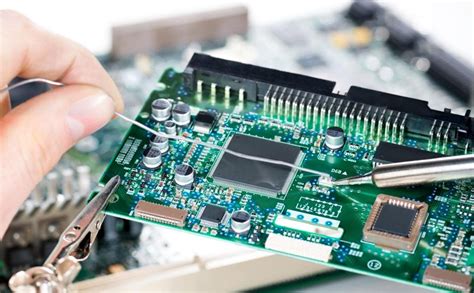
Understanding the cost structure of PCB assembly is essential for effective budgeting and project management. Several key elements contribute to the overall pcb assembly pricing, influencing how companies allocate their resources. One of the primary influences is labor costs, which can vary significantly depending on the region, skill level of workers, and the complexity of the assemblies involved. Additionally, material costs play a crucial role; sourcing quality materials at competitive prices can impact the final expenses of a project. The choice between various components, such as resistors or capacitors, can further affect budgeting decisions. Furthermore, as technology evolves, tools and equipment for pcba have become more sophisticated, allowing for increased automation; however, initial investments in such technology can lead to higher upfront costs. Understanding these factors not only aids in estimating prices accurately but also helps manufacturers identify areas where cost efficiency can be achieved without compromising quality. By being aware of these dynamics, businesses can optimize their budgeting strategies and navigate the complexities surrounding pcb assembly expenses effectively.
Labor and Material Costs in PCB Assembly
In the realm of PCB assembly, understanding the nuances of labor and material costs is essential for effective budgeting. Labor costs encompass a variety of factors, including wages, training, and overhead related to the staff who handle the intricate tasks involved in PCBA. Skilled labor is often required for assembling complex circuits, which can significantly impact overall expenses. On the other hand, material costs involve the prices of components such as resistors, capacitors, and the printed circuit boards themselves. Fluctuations in raw material prices and supply chain dynamics can lead to unpredictable cost changes. Therefore, it is crucial for manufacturers to conduct thorough market research and establish reliable relationships with suppliers to mitigate these costs. Additionally, implementing advanced technology can streamline processes and reduce waste, ultimately leading to cost savings in both labor and materials. Finding a harmonious balance between investing in quality materials versus managing budgetary constraints is a vital strategy in ensuring the success of any PCBA project while maintaining high standards in electronics manufacturing.
The Role of Technology in Cost Management
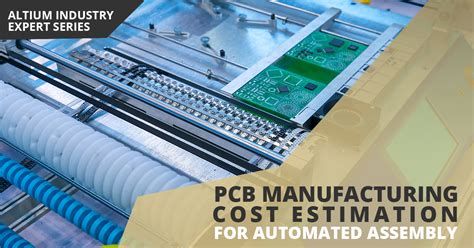
In today’s competitive electronics manufacturing landscape, the role of technology in managing pcb assembly costs has become increasingly significant. Advanced pcba techniques, such as automation and precision engineering, not only enhance production efficiency but also minimize waste and errors, leading to reduced expenses. Implementing innovative software solutions for design and manufacturing processes allows companies to better estimate costs associated with materials and labor. For instance, cloud-based platforms enable real-time tracking of resources, ensuring that production remains within budget without compromising on quality. With analytics tools, manufacturers can assess past projects to inform future budgeting decisions, enabling them to forecast expenses more accurately. This integration of technology not only streamlines the pcb assembly process but empowers manufacturers to make data-driven decisions that uphold high standards of quality while optimizing costs. As the industry evolves, businesses that embrace these advancements will likely find themselves at a competitive advantage by leveraging technology for efficient cost management in their pcba endeavors.
Strategies for Reducing PCB Assembly Expenses
Reducing PCB assembly expenses is crucial for companies aiming to maximize their profit margins while ensuring that they produce high-quality products. One effective strategy is to leverage bulk purchasing of components, which can significantly lower pcba material costs — a key factor in overall expenditure. Developing strong relationships with suppliers can provide opportunities for discounts and better pricing on materials, as well as the chance to switch to alternative, more cost-effective components without compromising quality. Additionally, implementing advanced technology in the manufacturing process can streamline operations, reducing labor costs associated with pcb assembly. For instance, automation tools and sophisticated manufacturing software facilitate more efficient workflows and minimize manual errors that could lead to costly rework. Moreover, optimizing the design of the printed circuit boards themselves can prevent unnecessary expenses; by minimizing the number of layers and utilizing fewer components where feasible, companies can not only reduce assembly costs but also enhance reliability. Finally, investing time in training staff and promoting best practices within assembly teams fosters a culture of quality and efficiency, further driving down costs while maintaining high standards in the production of pcba components.
Quality vs. Cost: Finding the Right Balance
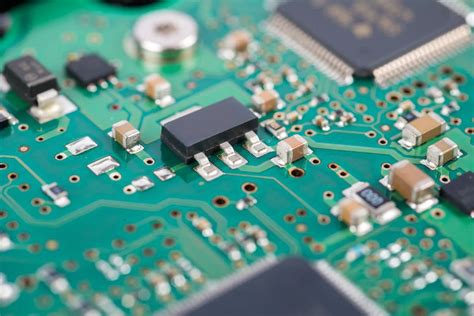
In the landscape of PCB assembly, organizations often grapple with the challenge of balancing quality and cost. It’s essential to understand that while minimizing expenses is crucial for maintaining a competitive edge, compromising on quality can lead to significant long-term repercussions, such as increased failure rates and costly repairs. The decision-making process should involve assessing the materials and processes used in PCBA (Printed Circuit Board Assembly). Investing in higher quality components and advanced manufacturing techniques may initially appear more expensive but can yield substantial savings over time through enhanced reliability and performance. Additionally, it is important to conduct thorough evaluations of suppliers to ensure their capabilities align with your quality standards without exceeding budget constraints. By systematically weighing these factors, businesses can identify innovative solutions that uphold high standards while keeping costs manageable, ultimately achieving a sustainable equilibrium between quality and cost in their electronics manufacturing endeavors.
Case Studies: Successful Budgeting for PCB Projects
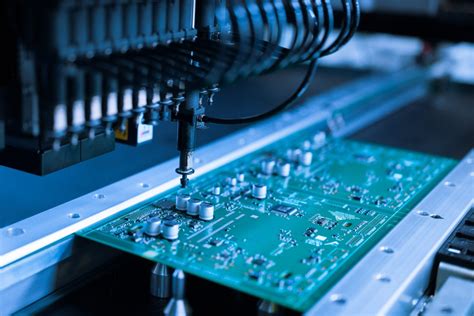
In examining the pcb assembly process, it’s vital to recognize that real-world examples often illuminate effective budgeting strategies. One such case study involved a start-up electronics company that aimed to launch a new wearable device. The initial budget was constrained, and they needed to ensure that their pcba did not compromise on quality. They achieved this by meticulously analyzing each component and sourcing materials from multiple suppliers. By doing so, they discovered cost variances that allowed them to optimize their spending without sacrificing reliability.
Another notable instance is a well-established firm that faced escalating competition in its sector. To adapt, they implemented a thorough review of their existing pcb assembly procedures and technologies. This included investing in advanced automation during the assembly process, which not only reduced labor costs but also increased production efficiency. As a result, they managed to reduce overall project costs while enhancing product quality—ultimately leading to higher customer satisfaction and market share.
These success stories demonstrate that through thoughtful examination of both material sourcing and manufacturing technology, companies can navigate the labyrinth of pcba expenses effectively. With strategic planning and an awareness of ongoing market dynamics, organizations can strike a balance between cost minimization and quality assurance in their PCB projects. Ultimately, embracing these strategies fosters not only financial sustainability but also robust product development cycles in the electronics industry.
Conclusion: Navigating the Future of PCB Assembly Costs
In conclusion, understanding the intricate landscape of PCB assembly costs is crucial for businesses aiming to thrive in an increasingly competitive market. As explored throughout this article, several factors significantly influence the pricing of PCBA processes, ranging from labor and material expenses to the technological advancements that streamline operations. By effectively managing these elements, companies can not only reduce their PCB assembly expenses but also uphold the quality that customers demand. The balance between quality and cost becomes increasingly vital as manufacturers adopt innovative strategies tailored to evolving market needs. Future trends suggest a continued emphasis on automation and advanced manufacturing techniques, which are likely to impact costs positively in the long run. Thus, it is essential for stakeholders to remain informed and agile, adapting their budgeting strategies to harness these developments while ensuring that they do not compromise on quality. Ultimately, a thoughtful approach toward PCBA cost management will empower businesses to navigate future challenges effectively and secure their position in the electronics manufacturing sector.
Conclusion: Navigating the Future of PCB Assembly Costs
As we wrap up our exploration of PCB assembly costs, it is essential to acknowledge the dynamic nature of the electronics manufacturing landscape. The factors that influence PCBA pricing are numerous and varied, including material selection, labor rates, technological advancements, and market demand. Companies must strive to maintain a balanced approach when it comes to budgeting for PCB assembly—one that does not compromise quality in the pursuit of cost reduction. Embracing efficient strategies can lead to significant savings without sacrificing performance or reliability. As technology continues to evolve, adopting innovative practices will enable manufacturers to stay competitive while keeping a close eye on overall expenditures. Future challenges in PCBA will undoubtedly emerge, but with careful planning and an emphasis on quality and efficiency, businesses can navigate these complexities effectively and keep their projects on track financially.
FAQs
What are the primary factors contributing to pcb assembly costs?
The primary factors include material expenses, labor rates, manufacturing technology, and production volume. These elements collectively influence the overall cost structure of pcba processes.
How can I estimate the labor costs associated with pcb assembly?
Labor costs can be estimated by assessing the hourly rates of technicians and the time required for each step in the pcba process. An accurate time analysis is critical in developing a reliable budget.
What role does technology play in controlling pcb assembly costs?
Advancements in technology can significantly reduce production time and improve precision, both of which contribute to lower overall pcba expenses. Investing in modern equipment is often a wise decision for minimizing future costs.
Are there effective strategies for reducing pcb assembly expenses?
Yes, strategies such as bulk purchasing of materials, optimizing design for manufacturability, and selecting cost-efficient suppliers can substantially lower your pcba costs while maintaining quality.
How do I ensure quality does not suffer while managing pcb assembly costs?
To find the right balance between quality and cost, focus on establishing rigorous testing protocols and adhering to industry standards throughout your pcba processes. Consistent quality checks will prevent expensive rework down the line.