
Custom PCB Assembly Solutions for Your Electronics Projects
Key Takeaways
When embarking on electronics projects, understanding custom PCB assembly (also known as PCBA) is crucial for achieving the desired performance and efficiency. The process of PCB assembly involves several key concepts that contribute significantly to the overall success of your project. First and foremost, selecting the right materials is imperative; the choice of substrates, conductors, and soldering materials can greatly influence the durability and functionality of your circuit boards. Furthermore, implementing techniques to enhance performance is equally important. This includes optimizing layout designs and ensuring precise placements to minimize signal interference. Cost-effective strategies during PCBA manufacturing can lead to substantial savings without sacrificing quality.
Moreover, streamlining production processes through automation and effective management practices can significantly accelerate project timelines while maintaining high standards. It’s also vital to acknowledge the common challenges faced in custom PCB assembly, such as component sourcing or unexpected design changes; having solutions ready can mitigate potential delays. As technology evolves, staying informed about future trends in PCB assembly technologies will position your projects for success. By leveraging these insights, you can ensure that your electronics projects are both innovative and efficient, effectively meeting your unique design needs while enhancing overall performance.
Understanding Custom PCB Assembly: Key Concepts and Benefits
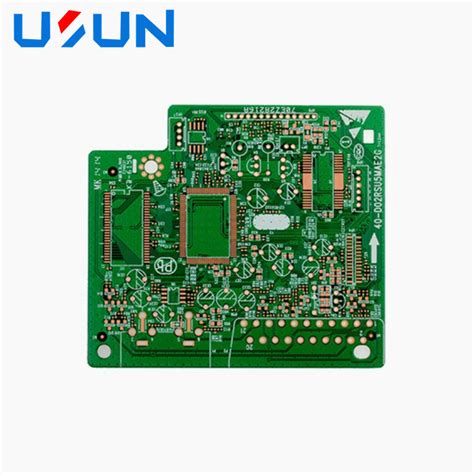
Custom PCB assembly (often referred to as PCBA) is a fundamental aspect of electronics design, playing a crucial role in bringing innovative products to market. By definition, PCB assembly involves the process of placing and soldering electronic components onto a printed circuit board (PCB) to create a functional electronic circuit. One of the main advantages of utilizing custom PCBA solutions is the ability to tailor the assembly process according to specific project requirements, which allows for optimized performance and cost-efficiency.
Key Benefits of Custom PCB Assembly
| Benefit | Description |
|---|---|
| Enhanced Performance | Custom designs can improve signal integrity and reduce noise, resulting in better product performance. |
| Cost Efficiency | Tailoring components and materials can help manage costs, ensuring that projects stay within budget. |
| Flexibility in Design | Custom assemblies allow for unique configurations that can address specific application needs. |
| Streamlined Production | Understanding the nuances of effective assembly processes can lead to faster turnaround times. |
By focusing on these core aspects, manufacturers can not only elevate product quality but also achieve more efficient production workflows. Ultimately, adopting custom PCB assembly techniques enables designers to navigate common challenges in electronics projects while ensuring their unique vision translates into a finished product that excels in functions and reliability. Employing best practices in PCBA leads to products that stand out in the marketplace due to their tailored features and optimized performance attributes.

Selecting the Right Materials for Your PCB Assembly
Choosing the appropriate materials for PCB assembly is critical to the success of any electronics project. It directly affects the performance, reliability, and overall efficiency of the final product. Among various materials, copper is the primary choice for traces due to its excellent conductivity and thermal properties. However, the substrate material also plays a vital role; options such as FR-4 (a popular glass-reinforced epoxy laminate) or more advanced materials like Rogers or Teflon may be considered based on specific project requirements. Additionally, connectors and components should also be carefully selected to prevent issues related to thermal expansion and signal integrity within the finished PCBA. Using high-grade solder masks and surface finishes can further enhance durability and minimizes oxidation. Furthermore, understanding how these materials interact is pivotal in optimizing the manufacturing process, ultimately leading to a more robust end product. By focusing on these material choices, designers can significantly improve functionality while also aiming for cost-efficiency in their custom PCB assembly work.
Techniques to Enhance Performance in Custom PCB Design
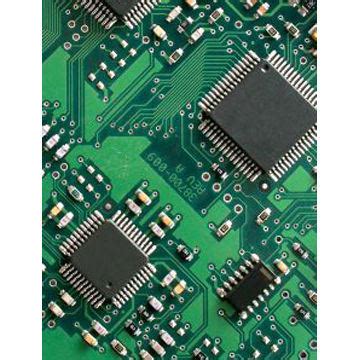
Enhancing the performance of custom PCB design is crucial for achieving optimal results in any electronics project. One effective technique is to ensure proper layout design within the PCB assembly process. This involves strategically placing components to minimize signal degradation and reduce interference, which is particularly important for high-speed applications. Implementing a shorter trace length can significantly improve the electrical performance by lowering inductance and capacitance, ultimately leading to faster signals and better power integrity.
Moreover, selecting the appropriate materials can profoundly impact overall performance. For example, using substrates with low dielectric constants can enhance signal transmission while minimizing energy loss. Additionally, thermal management techniques—such as incorporating heat sinks or designing vias for effective heat dissipation—are essential for maintaining component longevity and reliability.
Regularly updating fabrication and assembly processes, including utilizing advanced technologies like automated inspection systems during the PCBA process, allows for the optimization of quality control. This not only detects defects early but also enhances repeatability in production.
“Remember that a well-optimized design not only meets current specifications but also accommodates potential future upgrades.” Implementing these best practices in custom PCB assembly ensures your electronic projects perform efficiently while remaining cost-effective across various stages of development. By continuously evaluating these techniques, engineers can push the boundaries of what their designs can achieve.
Cost-Effective Strategies for PCB Manufacturing
In the realm of custom PCB assembly (PCBA), implementing cost-effective strategies is crucial for maximizing efficiency and maintaining budgetary constraints. One of the most effective approaches is to select the right materials to balance quality and cost. Utilizing standard materials that meet industry specifications can significantly reduce expenses without sacrificing performance. Another strategy is to optimize the design files before production; this includes minimizing unnecessary complexities that can complicate the assembly process and lead to higher labor costs. Additionally, adopting advanced technologies such as automated assembly equipment can streamline workflows, increase output, and reduce human error during assembly, subsequently lowering long-term costs. Establishing partnerships with trusted manufacturers who offer competitive pricing without compromising quality can also play a vital role in achieving cost-effective PCBA solutions. By focusing on these strategies, electronics developers can effectively enhance performance while keeping expenses in check throughout their custom PCB projects.
Streamlining Production Processes in Electronics Projects
Efficiency in pcb assembly is crucial for the success of electronics projects. By implementing effective production processes, manufacturers can optimize workflow, reduce lead times, and meet market demands more effectively. One vital element in streamlining production is the selection of advanced pcba techniques. These include automated assembly systems and modular production lines, which significantly enhance precision and reliability during the manufacturing phase. Additionally, employing software tools for project management and real-time monitoring can provide insights into potential delays or bottlenecks, allowing for prompt adjustments.
Moreover, selecting the appropriate materials plays a significant role in optimizing production efficiency. High-quality substrates and components can greatly influence the overall performance and durability of a pcb assembly. As such, understanding supplier capabilities and establishing strong vendor relationships is essential for ensuring consistent quality throughout the manufacturing process.
Another important factor to consider is workforce training. Investing in skilled labor that is well-versed in modern techniques not only helps in maintaining quality but also empowers employees to identify and solve problems swiftly. Combining skilled labor with technology creates a balanced approach that can lead to innovative solutions in production workflows.
Overall, streamlining production processes for pcba not only enhances performance but also contributes to cost savings, ultimately leading to a more competitive market position for electronics projects.
Common Challenges in Custom PCB Assembly and Solutions
In the world of custom PCB assembly (PCBA), various challenges can arise, often impacting both the quality and efficiency of the final product. One common issue is design complexity, where intricate layouts can lead to difficulties during assembly. Designers must prioritize clear communication with manufacturers to ensure that their specifications are well understood; employing advanced software tools can aid in visualizing and simulating the PCB assembly process, thereby minimizing errors.
Another prevalent challenge is material selection. Not all components are compatible with every application, and using inappropriate materials can result in reduced performance or early failure. To combat this, it’s crucial to select high-quality materials specifically tailored for the intended application, ensuring durability and reliability.
Additionally, cost management poses a significant hurdle. Balancing cost reductions with performance enhancements requires innovative approaches in bulk purchasing and efficient manufacturing processes. Employing automated assembly techniques can be an effective solution to streamline production while keeping costs within budget.
Supply chain disruptions are also a frequent issue that affects the timely delivery of components crucial for PCB assembly. To mitigate this risk, establishing solid relationships with suppliers and considering multiple sourcing options can enhance flexibility and reliability in project timelines.
Addressing these challenges proactively not only facilitates smoother production processes but also contributes to achieving superior performance outcomes in electronics projects. By staying informed about best practices and employing strategic solutions, individuals can ensure that their custom PCB assemblies are efficient, reliable, and tailored perfectly to their project demands.
Case Studies: Successful Custom PCB Projects
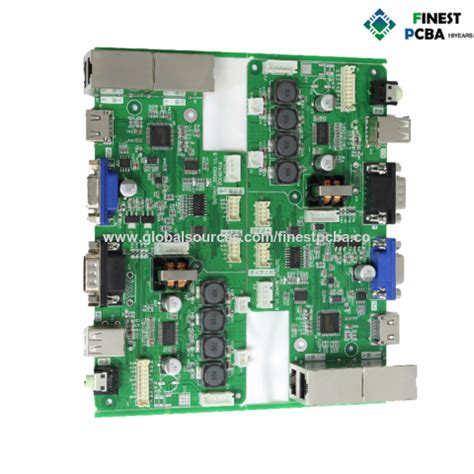
In the realm of custom PCB assembly (PCBA), practical applications often illuminate the innovative techniques and materials that enhance overall performance. One notable case study involved a company developing a wearable health-monitoring device. By utilizing advanced PCB assembly techniques, they integrated multiple sensors on a compact board, ensuring high signal fidelity while keeping production costs low. This project not only showcased the ability to streamline design but also highlighted how careful material selection could significantly improve sensor efficiency.
Another compelling example is an automotive manufacturer that needed to create robust electronic controls for their vehicles. They employed custom PCB assembly to produce boards that could withstand extreme conditions while maintaining operational integrity. By embracing flexible circuits and high-performance materials, they achieved a remarkable reduction in both weight and production complexity, leading to faster assembly times without sacrificing quality.
These success stories demonstrate the vast potential of PCBA in transforming intricate electronics challenges into streamlined, cost-effective solutions tailored to specific project requirements. As advancements continue to shape the industry, it becomes increasingly essential for engineers and designers to explore these innovative possibilities within their own projects.
Future Trends in PCB Assembly Technologies
As the landscape of electronics continues to evolve, so too do the technologies employed in pcb assembly. One of the most promising trends is the increased use of automation and robotics in pcba, which not only speeds up production times but also enhances accuracy and reduces human error. Advanced software solutions are being integrated into the assembly process, enabling real-time monitoring and optimizing workflows, which leads to more efficient project completion. Additionally, innovations in materials are revolutionizing how we approach custom PCB assembly. Flexible and lightweight materials are gaining traction, allowing for designs that can fit into a wider array of applications without compromising performance.
Furthermore, there is a notable shift towards sustainable practices within pcb assembly technologies. Manufacturers are increasingly adopting eco-friendly materials and processes to minimize waste and energy consumption. The emphasis on sustainability not only meets regulatory requirements but also addresses consumer demand for environmentally conscious products. Lastly, the rise of Internet of Things (IoT) devices calls for advanced pcba techniques that support smaller form factors while maintaining optimal performance levels.
Incorporating these emerging trends into your electronics projects can facilitate better design flexibility, reduced lead times, and ultimately more cost-effective manufacturing solutions. Embracing these innovations will be crucial for staying competitive in the rapidly evolving electronics market.
Conclusion
In today’s fast-paced technology landscape, the importance of custom PCB assembly (PCBA) cannot be understated. PCB assembly plays a crucial role in the production process of electronic devices, ensuring that components are accurately placed and soldered onto the board for optimal performance. By investing in effective custom PCB assembly solutions tailored to unique project specifications, developers can significantly enhance device functionality while streamlining production timelines.
Innovative techniques and the selection of high-quality materials contribute to improved reliability and longevity of PCBA, making it essential for electronics projects of all scales. Additionally, addressing common challenges in PCB assembly, such as component misalignment or thermal issues, can lead to better results and minimized costs. As industries evolve and technological advancements continue to emerge, focusing on these key areas will ensure that projects remain competitive and technologically sound. By understanding the dynamics of pcba, developers can leverage expert strategies that not only reduce expenses but also enhance overall performance. Embracing these methodologies will position your electronics projects for success in a rapidly advancing market.
FAQs
Q: What is PCB assembly?
A: PCB assembly (or PCBA) refers to the process of soldering electronic components onto a printed circuit board (PCB) to create a functional electronic assembly. This process is crucial in ensuring that electronic devices operate reliably.
Q: What materials are commonly used in PCB assembly?
A: The primary materials used in PCB assembly include the PCB substrate (like FR-4 or Rogers), solder paste, and various electronic components such as resistors, capacitors, and integrated circuits.
Q: How do I select the right supplier for PCB assembly?
A: Selecting the right supplier involves evaluating their capabilities for quality assurance, lead times, pricing, and their expertise in handling the specific requirements of your project. It’s wise to check customer reviews and ask for case studies.
Q: What are some common challenges faced during custom PCB assembly?
A: Common challenges include managing component shortages, ensuring design integrity during manufacturing, and meeting deadlines. To mitigate these issues, it’s essential to maintain open communication with your PCBA provider throughout the project lifecycle.
Q: How can I enhance performance in my custom PCB design?
A: You can enhance performance by optimizing layout design for signal integrity, minimizing trace lengths, and choosing high-quality components appropriate for your specific application needs.
Q: What cost-effective strategies can I apply to my PCB manufacturing process?
A: Some cost-effective strategies include bulk purchasing of components, using automated processes for assembly, and selecting designs that further simplify the PCB assembly process. This helps reduce production time and costs effectively.