
Advancements in SMT Assembly Techniques for Modern Manufacturing
Key Takeaways
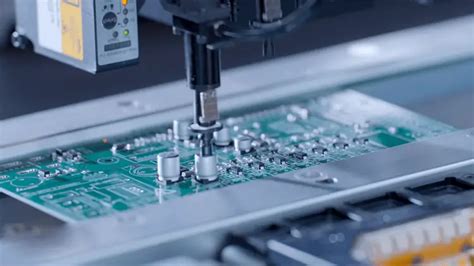
The advancements in SMT assembly techniques play a pivotal role in improving the efficacy of modern manufacturing processes. Notable innovations have led to enhanced efficiency, precision, and the ability to scale production to meet increasing demands. For instance, the use of advanced pcb assembly technologies enables manufacturers to streamline workflows while minimizing errors. Moreover, the implementation of automation tools ensures that the pcba process is not only faster but also remarkably consistent in quality.
“To remain competitive, manufacturers must adopt technologies that not only improve efficiency but also adapt to changing market needs.”
These developments are integral as industries recognize the importance of smart technologies that further optimize SMT assembly operations. As companies continue to innovate their approach towards assembly techniques, the key takeaway is that embracing these advancements directly correlates with improved productivity and performance. Manufacturers that prioritize these innovations will find themselves better equipped to address both current challenges and future opportunities in production scalability.
Introduction to SMT Assembly: A Modern Manufacturing Perspective
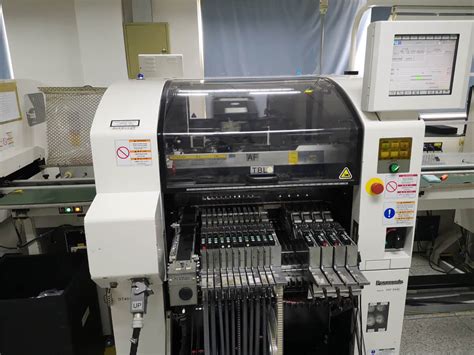
Surface Mount Technology (SMT) assembly has revolutionized the landscape of modern manufacturing, particularly in the domain of PCB assembly. This innovative method allows for the placement of electronic components directly onto the surface of printed circuit boards (PCBs), resulting in a more compact and efficient design. The evolution from traditional through-hole component placement to SMT has significantly enhanced the precision and speed of manufacturing processes. In this context, PCBA (Printed Circuit Board Assembly) emerges as a crucial facet that aligns with these advancements, enabling manufacturers to produce high-quality electronics while optimizing material usage.
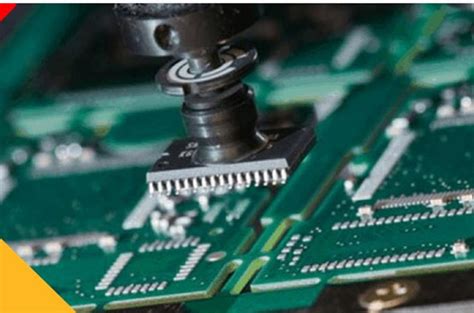
The modern approach to SMT assembly incorporates various innovations, such as advanced solder paste printing techniques and high-precision pick-and-place machines that have dramatically improved assembly efficiency. Additionally, automation plays a central role in this evolution, as automated systems allow for higher production rates and consistent quality control, ultimately reducing time-to-market for electronic products.
| Key Advantages of SMT Assembly | Description |
|---|---|
| Higher Component Density | Enables more compact designs |
| Enhanced Performance | Improves electrical performance |
| Lower Production Costs | Reduces labor costs through automation |
| Flexibility in Design | Supports various board layouts |
The ongoing developments within SMT technologies promise not only to enhance the operational aspects of manufacturing but also to support the increase in demand for smaller and more complex electronic devices. By embracing these advancements, modern manufacturers are equipped to meet consumer expectations efficiently while maintaining stringent quality standards. As such, understanding SMT assembly’s foundations and current practices is essential for anyone involved in electronics manufacturing today.
Key Innovations in SMT Techniques: Enhancing Efficiency and Precision
In the dynamic landscape of modern manufacturing, advancements in SMT assembly techniques play a pivotal role in improving efficiency and precision. One of the key innovations has been the integration of advanced solder paste printing technology, which ensures a more consistent application across pcb assembly processes. This innovation not only reduces the amount of solder paste used but also minimizes defects in printed circuit board assemblies (PCBA). Furthermore, new component placement machines have been developed that utilize machine vision systems to enhance accuracy. These systems can detect components at high speeds while adjusting placements on-the-fly, thus elevating both efficiency and precision in assembly lines.
Another significant development is the implementation of real-time data analytics tools that monitor each stage of the SMT assembly process. By analyzing performance metrics continuously, manufacturers can quickly identify bottlenecks and inefficiencies, enabling timely interventions that optimize production flow. The use of automated optical inspection (AOI) systems has also surged, as these technologies help ensure that each component is correctly placed on the pcb assembly, drastically reducing error rates.
Moreover, modular production setups have gained traction, allowing for seamless scalability as demand fluctuates. This adaptability means that manufacturers can quickly adjust their workflows without extensive downtime or resource reallocation. Overall, these innovations are shaping a future where manufacturing processes not only meet but exceed productivity expectations through enhanced capabilities in SMT assembly techniques. The continuous push for efficiency and precision within this field underscores its significant impact on the broader manufacturing landscape, contributing to a more resilient industry poised for future challenges.
Automation in SMT Assembly: Transforming Manufacturing Processes
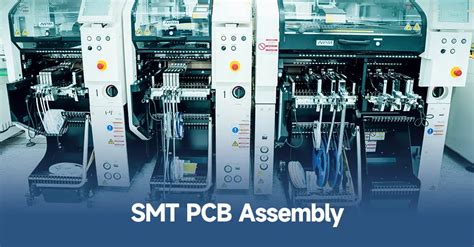
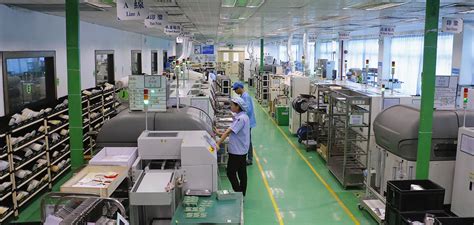
The integration of automation within the SMT assembly process has revolutionized modern manufacturing, driving significant improvements in speed and precision. By incorporating advanced technology, manufacturers can streamline their workflows, enhancing both efficiency and quality in pcb assembly operations. Automated systems can adeptly handle intricate tasks, such as component placement and soldering, which not only reduces the potential for human error but also ensures a consistent level of performance across production batches. Moreover, automation facilitates real-time monitoring and adjustments, allowing for immediate response to any discrepancies during the pcba process. This adaptability is essential for maintaining high standards in an ever-evolving market where demand can fluctuate rapidly. As manufacturers continue to embrace smart technologies, such as artificial intelligence and machine learning algorithms, the future of SMT assembly looks promising. These innovations not only support greater production scalability but also empower facilities to optimize their output while minimizing waste. In this way, automation is not merely a trend but a fundamental shift that is redefining the landscape of manufacturing processes worldwide.
Scalability in SMT: Meeting Growing Demands in Production
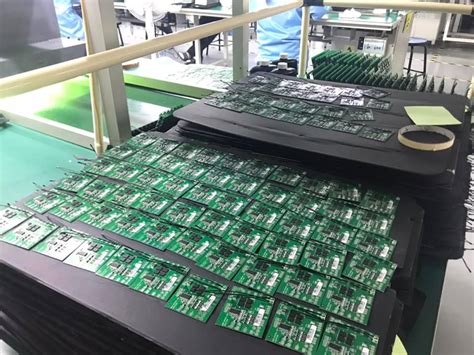
As the global market continues to evolve, the need for scalable solutions in SMT assembly processes becomes increasingly critical. Manufacturers face the challenge of meeting escalating demand while ensuring high-quality pcb assembly and efficient production cycles. This necessitates a flexible approach that allows for increased capacity without compromising on precision or efficiency. Leveraging advanced methodologies and innovative technologies, organizations are optimizing their pcba processes to enhance both throughput and adaptability. Implementing modular assembly lines enables swift adjustments in production volume, catering not only to standard production requests but also to fluctuating market needs. Furthermore, incorporating intelligent software systems can facilitate real-time monitoring of production efficiencies, thus automating adjustments to maintain optimal performance levels. By focusing on these scalability strategies, manufacturers can better position themselves in a competitive landscape while advancing their SMT assembly capabilities to meet future demands effectively.
The Role of Smart Technologies in SMT Assembly Optimization
The integration of smart technologies into SMT assembly processes is fundamentally reshaping how pcb assembly is conducted in modern manufacturing environments. Innovations such as the Internet of Things (IoT), machine learning, and artificial intelligence are enabling more sophisticated monitoring and control systems that significantly enhance the efficiency and precision of production lines. For instance, real-time data analysis allows manufacturers to promptly identify bottlenecks, minimize errors, and optimize workflows. The introduction of automated visual inspection systems further bolsters quality assurance by ensuring that every pcba meets rigorous standards before it moves on to subsequent stages. Additionally, smart technologies facilitate predictive maintenance, thereby reducing downtime and ensuring uninterrupted productivity. As these advancements continue to evolve, they underscore a pivotal shift towards fully automated and intelligent systems that not only meet the demands of scalability but also position manufacturers at the forefront of innovation in the highly competitive landscape of electronics production. The convergence of these cutting-edge technologies promises to revolutionize how we understand and implement SMT assembly, ultimately driving more sustainable practices while elevating productivity levels across the board.
Case Studies: Successful Implementation of Advanced SMT Techniques
The practical application of advanced SMT (Surface Mount Technology) techniques has demonstrated remarkable results in various manufacturing environments. One compelling case study involves a leading pcb assembly company that adopted fully automated pcba lines equipped with intelligent inspection systems. This transition not only minimized human error but also increased production speeds by an impressive 30%. Another noteworthy example is a medical device manufacturer that integrated smart technologies into their SMT assembly process. By utilizing real-time data analytics, they were able to enhance quality control significantly, reducing defect rates by nearly 40%. These case studies underscore the profound impact that advanced SMT techniques can have on operational efficiency and product quality. As manufacturers continue to embrace innovation, the successful implementation of these strategies will likely lead to broader industry adoption, paving the way for future advancements in assembly technology tailored to meet rising production demands and improve overall productivity.
Future Trends in SMT Assembly: What to Expect in the Coming Years
As the landscape of SMT (Surface Mount Technology) assembly continues to evolve, several key trends are emerging that promise to shape its future. One significant development is the integration of smart technologies into the pcb assembly process, allowing for more intelligent and adaptive manufacturing systems. These technologies leverage data analytics and machine learning to optimize operations and predict maintenance needs, minimizing downtime and enhancing overall efficiency. Furthermore, the push towards increased sustainability will drive innovations in materials and techniques used in pcba (printed circuit board assembly), focusing on eco-friendly solutions that reduce waste and energy consumption.
Another critical trend is the increased customization of electronic products, which will necessitate scalable SMT processes able to adapt rapidly to changing demands. Manufacturers are expected to invest in flexible automation systems that support both mass production and small-batch runs without significant reconfiguration time or costs. Additionally, advancements in miniaturization will lead to more compact designs, demanding enhanced precision in assembly techniques. As a result, manufacturers must stay ahead of these trends by continuously refining their processes through research and innovation.
Lastly, collaboration among various stakeholders—including equipment manufacturers, software developers, and end-users—will be pivotal in addressing challenges faced during SMT assembly. This collaborative approach is likely to spur developments that not only elevate productivity but also ensure compatibility across various platforms within the industry. In essence, the future of SMT assembly looks bright with these promising trends paving the way for higher efficiency and greater adaptability in meeting market demands.
Conclusion: The Impact of SMT Advancements on Overall Productivity
The evolution of SMT (Surface Mount Technology) has significantly transformed the landscape of pcb assembly and pcba, leading to remarkable improvements in overall productivity within modern manufacturing sectors. These advancements have fostered an environment where efficiency and precision are paramount, enabling manufacturers to meet the growing demands for high-quality electronic components. With the integration of advanced automation techniques, manufacturers can streamline their processes, reducing production time and minimizing costs while enhancing product quality. Furthermore, the adoption of smart technologies not only increases scalability but also provides real-time monitoring capabilities that facilitate proactive maintenance and troubleshooting. As companies continue to embrace these innovations, the potential for increased productivity becomes ever more attainable. Ultimately, the ongoing advancements in SMT assembly techniques underscore their critical role in maximizing operational efficiency and driving future growth within the industry. As we look forward, it’s evident that these improvements will continue to shape the dynamics of pcb assembly and influence the broader manufacturing landscape significantly.
Conclusion: The Impact of SMT Advancements on Overall Productivity
The advancements in SMT assembly techniques play a significant role in shaping the future of modern manufacturing. As companies increasingly adopt innovative approaches to pcb assembly and pcba, they are experiencing transformative results in their manufacturing processes. Key innovations, such as automated systems and intelligent technologies, contribute substantially to enhancing both efficiency and precision. The integration of smart solutions allows manufacturers to optimize workflows, leading to a marked increase in productivity. Furthermore, with the capability to scale production seamlessly, businesses can better meet the demands of growing markets while maintaining high-quality standards. These improvements not only streamline processes but also enhance operational agility, ensuring that manufacturers remain competitive in a fast-evolving landscape. As the industry moves forward, embracing these advancements will be crucial for organizations aiming to leverage state-of-the-art SMT techniques for delivering superior products and services. The collective impact of these developments not only drives productivity but also sets the stage for future innovations that will continue to define the realm of pcb assembly and its significance in the broader manufacturing ecosystem.
FAQs
What is SMT assembly?
SMT assembly refers to the process of mounting electronic components directly onto the surface of printed circuit boards (PCBs) using surface mount technology (SMT). This method facilitates a faster and more efficient way of pcb assembly, improving production times and enhancing overall quality.
How does SMT improve production efficiency?
The implementation of SMT techniques significantly boosts production efficiency by utilizing automated machinery and advanced placement systems. These advancements allow for precise positioning of components on PCBs, reducing manual labor and minimizing errors during pcba operations.
What role do smart technologies play in SMT?
Smart technologies, such as Artificial Intelligence and Internet of Things (IoT) systems, are increasingly integrated into SMT assembly, optimizing manufacturing processes through real-time data analysis. These innovations enhance decision-making capabilities, allowing manufacturers to identify inefficiencies and make rapid adjustments to improve overall productivity.
Is SMT assembly scalable for large-scale production?
Yes, one of the key benefits of SMT assembly techniques is their scalability. As demand for electronic products grows, manufacturers can easily scale up operations without compromising on quality or precision. This adaptability is crucial in today’s fast-paced manufacturing environment.
Where can I learn more about PCB assembly services?
For detailed information about pcb assembly services and advanced techniques, please click here: Andwin PCB Assembly.