
Optimizing High Volume PCB Manufacturing for Cost Efficiency
Key Takeaways
In your journey toward optimizing high volume PCB manufacturing, it’s essential to grasp the key points that influence cost efficiency. First, understanding the complexities of PCB manufacturing is crucial; this knowledge allows you to identify areas for improvement and implement effective strategies. Engaging with PCB manufacturing companies that prioritize adaptability and innovation can markedly enhance production capabilities.
To effectively manage your pcb manufacturing cost, you need to explore various pricing models that reflect the scale and scope of your projects. A table showcasing these pricing models may look like this:
| Pricing Model | Description |
|---|---|
| Cost-Plus Pricing | Fixed markup on production costs |
| Value-Based Pricing | Pricing based on perceived value to the customer |
| Tiered Pricing | Discounts granted at different order quantities |
The role of technology cannot be overstated; modern tools and processes streamline operations, reducing both time and costs in your pcb manufacturing business. By adopting these technologies, you facilitate faster turnaround times while maintaining high-quality standards.
Furthermore, it’s imperative to think about building reliable partnerships with trusted suppliers and manufacturers. Such alliances not only contribute to stable production output but also enhance collaborative innovation—essential for tackling challenges in an ever-evolving market landscape. By leveraging the strengths of various partners, you can significantly elevate your production efficiency, ultimately leading to better management of costs associated with high volume PCB projects.
In conclusion, a balanced focus on understanding practices, engaging reliable companies, exploring effective pricing structures, and implementing advanced technologies will position you strategically in the competitive landscape of high volume PCB manufacturing.
Understanding High Volume PCB Manufacturing: An Overview
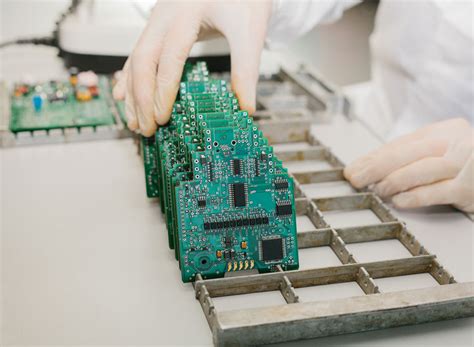
In today’s fast-paced technology landscape, high volume PCB manufacturing has become a fundamental aspect for organizations looking to scale their operations efficiently. You might be exploring how to optimize your pcb manufacturing processes to keep up with market demands while maintaining quality and minimizing your pcb manufacturing cost. Understanding the broader landscape of the pcb manufacturing business is essential, as it encompasses not only the technology used but also the relationships you foster with pcb manufacturing companies. By establishing strategic partnerships, you can leverage shared expertise and resources, which can significantly enhance your production capabilities. Efficient communication and collaboration are crucial to meeting evolving industry standards and keeping costs down. As you delve into this arena, consider how advancements in automation and technology play a vital role in streamlining your processes. A well-rounded understanding of high volume PCB manufacturing lays the groundwork for exploring various strategies that drive cost efficiency while ensuring that your products meet or exceed market expectations.
Best Practices for Cost Efficiency in PCB Assembly
In the competitive landscape of pcb manufacturing, achieving cost efficiency is paramount. You can enhance your financial outcomes by implementing several best practices throughout the pcb assembly process. First and foremost, consider optimizing your supply chain management. By choosing pcb manufacturing companies that offer bulk purchasing options and flexible payment terms, you can lower your overall pcb manufacturing cost significantly. Additionally, employing just-in-time inventory techniques can help in reducing overhead costs associated with warehousing.
Furthermore, the selection of materials directly impacts cost efficiency in your pcb manufacturing business. Opting for common materials that don’t compromise quality allows you to benefit from economies of scale, leading to reduced expenses. It is also important to invest in skilled labor and adequate training for your employees. A well-trained workforce makes fewer mistakes, reducing waste and rework frequency, which ultimately cuts costs.
“Investing in employee training could save you more than just money; it also enhances productivity and boosts morale.”
Moreover, collaborating with experienced vendors can streamline processes and provide insights into innovative assembly techniques that reduce cycle times and enhance quality control. Emphasizing efficiency not only leads to cost savings but also instills confidence in your products as you meet the growing demands of the market effectively. Prioritizing these practices will place your business on a path toward sustained success in high volume pcb manufacturing while keeping costs under control.
Key Pricing Models in High Volume PCB Production
Understanding the key pricing models in high volume PCB manufacturing is essential for enhancing your cost efficiency and maximizing profitability. Various models are often adopted by PCB manufacturing companies, which may include fixed pricing, cost-plus pricing, and tiered pricing structures. Each model serves different business needs and can be tailored to fit the specifics of your pcb manufacturing business requirements. For instance, utilizing a fixed pricing model may provide predictable costs, allowing you to plan your budgets more effectively. On the other hand, a cost-plus pricing model allows for flexibility in adjusting prices based on the production costs incurred, which can be advantageous during fluctuating material prices and unexpected challenges. It’s crucial to consider these aspects when negotiating contracts with manufacturers to optimize your overall pcb manufacturing cost. Furthermore, leveraging bulk order discounts and long-term contracts can yield savings that significantly impact your bottom line. As you navigate these options in the dynamic landscape of PCB production, maintaining awareness of how each model affects your operational agility will empower you to make informed decisions that support sustainable growth in your business.
The Role of Technology in Streamlining Manufacturing Processes
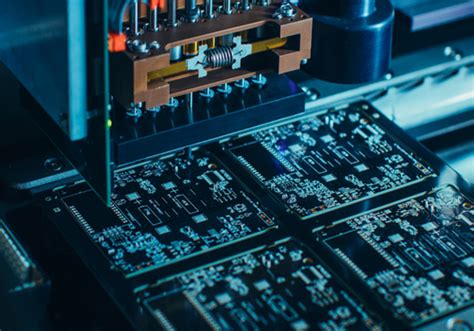
In the realm of high volume PCB manufacturing, leveraging technology is essential to enhance operational efficiency and reduce pcb manufacturing costs. Automation, for instance, minimizes human error and accelerates production times, allowing you to fulfill larger orders with greater precision. Investing in advanced machinery and software can streamline your workflow, eliminate redundancies, and optimize the use of resources. For instance, utilizing smart manufacturing solutions enables pcb manufacturing companies to track progress in real-time, ensuring that any issues are swiftly addressed before they escalate. Moreover, digital tools enhance communication across teams, fostering collaboration that is vital for adapting to dynamic market demands in the pcb manufacturing business. Embracing these technological advancements not only enables you to maintain a competitive edge but also reinforces your commitment to delivering high-quality products while meeting strict deadlines efficiently.
Building Reliable Partnerships for Successful PCB Projects
In the realm of high volume PCB manufacturing, establishing reliable partnerships is crucial for navigating the complexities of the PCB manufacturing business. When you collaborate with trusted PCB manufacturing companies, you not only enhance the quality of your products but also optimize the entire supply chain. These partnerships can lead to better negotiation terms, ensuring that you receive competitive pricing that directly impacts your overall PCB manufacturing cost. By aligning with partners who have a proven track record, you can mitigate risks associated with production delays and quality issues. It’s important to regularly evaluate these relationships and communicate effectively to ensure that both parties are on the same page regarding production demands and expectations. The synergy created through strong partnerships often translates into innovation in processes and materials, ultimately benefiting your production capacity. As you continue to explore avenues for enhancing cost efficiency, remember that building and maintaining strong relationships within the industry can provide significant long-term advantages in your PCB manufacturing endeavors.

Challenges in High Volume PCB Manufacturing and Solutions
In your journey through high volume PCB manufacturing, you may encounter various challenges that can impact both efficiency and cost. One significant challenge is managing production schedules to meet fluctuating demands. If you experience sudden spikes in volume, you might struggle to maintain the quality of PCB manufacturing without incurring excessive pcb manufacturing costs. To counter this, consider implementing lean manufacturing principles that emphasize waste reduction while enhancing production flow. Additionally, selecting the right PCB manufacturing companies that can adapt to your changing needs is crucial. This flexibility allows you to respond effectively to market demands without compromising quality or increasing costs unnecessarily. Another obstacle is sourcing high-quality materials at reasonable prices; therefore, establishing long-term relationships with reliable suppliers can help secure both cost efficiency and consistency in material quality. Furthermore, investing in automation technology can streamline processes, reduce labor costs, and improve overall output in your pcb manufacturing business. By addressing these challenges with strategic solutions, you enhance not only your operational efficiency but also your competitive edge in the industry.
Market Trends Impacting Cost Efficiency in PCB Assembly
As you navigate the landscape of high volume PCB manufacturing, it’s crucial to keep an eye on the market trends that significantly influence cost efficiency in your assembly processes. Recent developments indicate that the demand for more complex designs is on the rise, pushing PCB manufacturing companies to innovate continually while managing production costs. One notable trend is the shift toward automated assembly processes, which can substantially reduce labor costs, thus lowering the overall PCB manufacturing cost. Additionally, many businesses are moving towards integrated platforms that streamline operations between design and production, leading to more efficient workflows. These advancements not only help you stay competitive but also enhance your ability to meet tight deadlines without sacrificing quality.
Furthermore, partnerships with reliable suppliers and manufacturers can lead to better pricing models and improved negotiation power, directly impacting your PCB manufacturing business‘s profitability. By aligning with industry leaders who prioritize innovation and quality assurance, you can mitigate risks associated with material shortages and fluctuating costs—both critical factors influencing overall cost efficiency in today’s market. Remember that staying informed about these trends will enable you to make strategic decisions that directly affect your operations and bottom line in high volume PCB manufacturing.
Future Innovations in High Volume PCB Manufacturing
As the landscape of pcb manufacturing evolves, innovations are paving the way for enhanced efficiency and reduced costs. Companies are increasingly leveraging automation and advanced technologies, such as Artificial Intelligence (AI) and the Internet of Things (IoT), to optimize their processes. This integration allows pcb manufacturing companies to streamline operations and minimize waste, ultimately lowering the pcb manufacturing cost. Additionally, adopting advanced materials and fabrication techniques can result in higher-quality products at a reduced cost. You may also find that engaging in collaborative research with trusted partners can drive innovation, giving your pcb manufacturing business a competitive edge. Emphasizing agility and adaptability in production lines will also enable companies to respond swiftly to market demands. Therefore, keeping an eye on these technologies not only will enhance your understanding of future trends but ensure that you remain at the forefront of the industry.
Conclusion
In navigating the complexities of high volume PCB manufacturing, it becomes evident that understanding the nuances of the pcb manufacturing cost is essential for driving efficiency and profitability in your pcb manufacturing business. By implementing robust best practices and leveraging cutting-edge technology, you can achieve significant savings while maintaining quality. Collaborating with established pcb manufacturing companies enables you to foster reliable partnerships that are crucial for scaling production. It’s also important to stay informed about market trends, which can directly impact cost efficiency in your pcb assembly processes. As you move forward, embracing potential innovations will position your operations favorably against competitors, ensuring sustained growth and success in the ever-evolving landscape of high volume PCB manufacturing.
FAQs
What are the main benefits of optimizing high volume PCB manufacturing?
Optimizing high volume PCB manufacturing helps reduce overall pcb manufacturing cost, improve product quality, and enhance production speed. These factors contribute to a more efficient pcb manufacturing business, ensuring you meet market demands effectively.
How can I choose the right PCB manufacturing companies?
When selecting pcb manufacturing companies, look for those with a proven track record, advanced technology, and reliable customer support. Companies that align with your production needs can significantly affect your overall pcb manufacturing success.
What factors influence the cost in PCB manufacturing?
The pcb manufacturing cost is influenced by several factors, including the complexity of the design, materials used, and production volume. Understanding these elements can help you optimize costs and improve profitability.
How do I establish a partnership with a PCB manufacturer?
Building strong relationships with pcb manufacturing companies involves clear communication, understanding mutual goals, and establishing trust. These partnerships are crucial for navigating challenges in production and ensuring quality outcomes.
What challenges should I be aware of in high volume PCB manufacturing?
Challenges in high volume PCB manufacturing can include supply chain issues, technological limitations, and maintaining consistent quality. Recognizing these challenges early allows you to develop strategies to address them effectively.