
Optimizing Small Batch Assembly for Efficiency and Quality
Key Takeaways
In today’s competitive landscape, optimizing small batch assembly processes is crucial for achieving both efficiency and product quality. One significant aspect that stands out in this optimization is the focus on pcb assembly and its critical role in the assembly line. The integration of modern technologies, like automation and real-time monitoring systems, empowers businesses to enhance their production capabilities without sacrificing the integrity of their outputs.
To successfully implement these strategies, firms must first identify the key challenges in small batch production, such as variable demand, limited resources, and complex logistics. By addressing these challenges head-on, organizations can develop tailored solutions that not only streamline their workflow but also ensure that standards are strictly adhered to.
“Efficiency does not mean cutting corners; it’s about refining processes while maintaining quality” – Anonymous
Moreover, employing lean principles, coupled with ongoing workforce training, can significantly improve productivity in small-scale operations. As companies explore innovations in pcba technologies and adopt best practices for workflow optimization, they position themselves to capitalize on market opportunities while simultaneously delivering high-quality products that meet customer expectations. Focusing on these essential takeaways provides a strong foundation for enhancing both efficiency and quality within small batch assembly processes.
Understanding Small Batch Assembly: An Overview
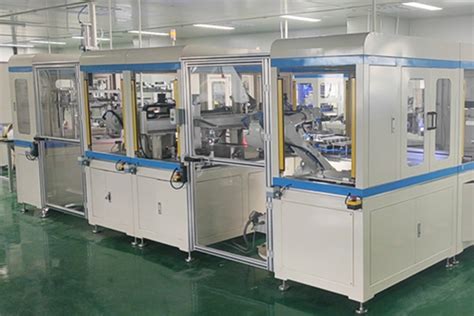
Small batch assembly, often referred to in contexts like pcb assembly or pcba, represents a unique approach to manufacturing that emphasizes flexibility, quality, and responsiveness to customer demands. This method is particularly beneficial for companies that produce specialized or niche products requiring a meticulous focus on detail. Small batch assembly allows for customized solutions and agile reactions to market changes without the overhead associated with mass production techniques. By leveraging advanced technologies and methodologies, manufacturers can optimize their processes to ensure each batch meets high-quality standards while minimizing waste. Key components of this system include tailored workflow strategies, integration of automation, and the adoption of lean principles that promote efficiency. As industries continue to pivot towards more individualized production practices, mastering the intricacies of small batch assembly becomes crucial for businesses intent on gaining a competitive edge in their respective markets. Emphasizing consistency and high standards in every unit is essential for fostering customer trust and satisfaction in a landscape increasingly driven by personalization and quality assurance.
Key Challenges in Small Batch Assembly Processes
In the realm of small batch assembly, several challenges can hinder efficiency and quality. One significant issue is the complexity of setup. Unlike high-volume production, where processes can be standardized, small batch operations often require frequent adjustments and changeovers, which can lead to increased downtime and higher labor costs. Additionally, the variability in component availability can pose difficulties; sourcing the necessary parts for pcb assembly in limited quantities may result in delays or inconsistencies. The need for skilled operators is also crucial, as their expertise influences the overall quality of the pcba produced. This reliance on skilled labor introduces variability in performance, which can affect output consistency and quality standards. Moreover, maintaining communication and coordination among team members in a small-scale environment can be challenging, often leading to misunderstandings that impact production efficiency. Addressing these issues requires a deep understanding of workflow management and optimal resource allocation, highlighting the importance of adopting best practices tailored specifically for small batch assembly environments.
Strategies for Enhancing Efficiency in Small Batch Operations
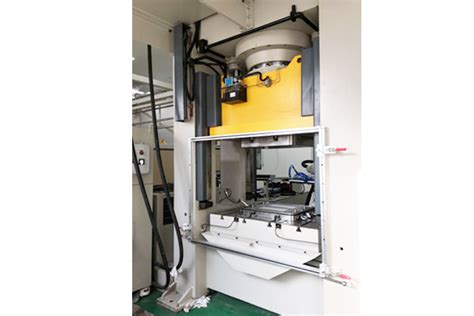
Optimizing small batch operations is crucial for businesses aiming to maximize productivity while ensuring that quality remains uncompromised. One of the primary strategies involves the implementation of lean manufacturing principles, which focus on minimizing waste and improving workflow in small-scale environments. For instance, utilizing just-in-time (JIT) inventory practices can significantly reduce lead times and decrease storage costs, thereby enhancing overall efficiency. Additionally, integrating advanced technologies such as automation tools can streamline processes within pcb assembly lines, allowing for quicker setups and transitions between different product configurations. Training staff on efficient assembly techniques also plays a vital role; a well-trained workforce can reduce errors and improve throughput, especially in processes like pcba where precision is paramount. Moreover, adopting modular workstations allows for flexibility in production layouts, enabling quick adjustments to accommodate various small batch sizes without sacrificing quality standards. Consequently, these strategies not only facilitate improved efficiency but also foster a culture of continuous improvement within small batch operations.
Maintaining Quality Standards in Small Batch Production
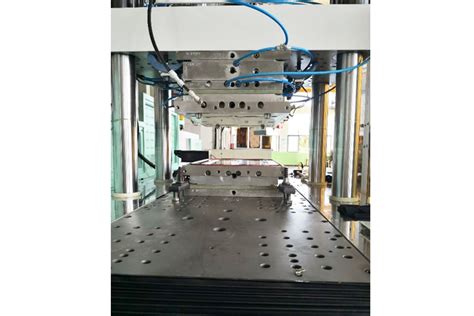
In the realm of small batch assembly, particularly in sectors like pcb assembly and pcba, maintaining high-quality standards is paramount. The unique challenges of small batch production, where each piece is often crafted with distinct specifications, demand a rigorous approach to quality management. One effective strategy is the implementation of strict quality control measures at every stage of the production process. This could involve the integration of advanced inspection technologies that enhance precision and consistency, ensuring that each component meets the desired standards.
Moreover, fostering a culture of continuous improvement among workers can significantly impact quality outcomes. Training staff on best practices for handling materials and operating machinery not only improves their skill set but also instills a sense of accountability in maintaining quality standards. Another crucial aspect is the use of feedback loops where insights from production are used to inform future batches, leading to enhancements in both efficiency and quality over time.
Investing in advanced technologies, such as automated inspection systems or real-time monitoring tools, can also contribute to upholding high-quality benchmarks. These tools facilitate immediate identification of defects or issues during production, allowing for swift corrective actions. By prioritizing quality control measures, small batch assembly operations can both satisfy customer expectations and reduce waste, seamlessly aligning operational efficiency with high-quality outcomes.
Technological Innovations for Streamlining Small Batch Assembly
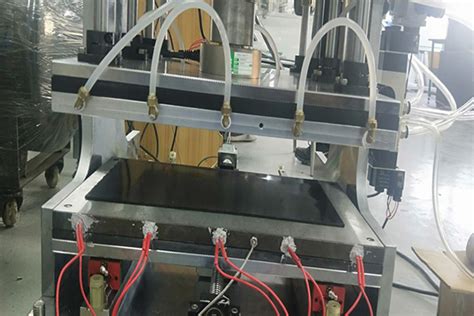
In today’s fast-paced manufacturing landscape, technological innovations are crucial for optimizing small batch assembly processes. With the rising demand for customization and the need to produce smaller quantities efficiently, automation and advanced technologies play pivotal roles. One of the key innovations is the integration of robotic systems in pcb assembly, allowing for precise and rapid assembly tasks while minimizing human error. This not only enhances efficiency but also ensures consistent quality in each batch.
Additionally, the utilization of smart sensors and real-time data monitoring technologies enables manufacturers to gather insights on production parameters. By leveraging data analytics, businesses can identify bottlenecks in their operations, making it easier to implement necessary adjustments to workflows. The incorporation of Industry 4.0 principles, such as connectivity between machines and systems, leads to improved collaboration and information sharing across all stages of the assembly process.
Moreover, advancements in software solutions, specifically tailored for pcba processes, facilitate better project management and configuration control. These tools assist in streamlining workflow by automating manual tasks, reducing cycle times, and enhancing communication within teams.
| Technology | Benefit |
|---|---|
| Robotic Systems | Precision and speed in assembly tasks |
| Smart Sensors | Real-time monitoring for performance insights |
| Data Analytics | Identifying bottlenecks for efficiency improvements |
| Industry 4.0 Tools | Enhanced connectivity and information sharing |
Embracing these technological advancements is key to maximizing productivity while maintaining high-quality standards in small batch assembly operations. By investing in these innovations, companies can position themselves favorably within a competitive market landscape.
Best Practices for Optimizing Workflow in Small-scale Operations
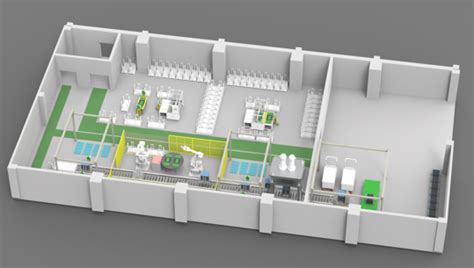
To achieve optimal performance in small batch assembly, particularly in areas like pcb assembly and pcba, several best practices must be considered. First, it is essential to establish a well-structured workflow that minimizes downtime and maximizes productivity. This involves clearly defining roles and responsibilities while ensuring that team members are well-trained in the various stages of the assembly process. Implementing visual management tools can enhance communication among workers, making it easier to identify bottlenecks and areas for improvement.
Additionally, it is crucial to adopt a flexible approach that can quickly adapt to changes in production volume or product specifications. This might involve implementing modular workstations that allow for easy reconfiguration based on current demands. Furthermore, leveraging technology such as automation tools can significantly streamline operations, enhancing both speed and accuracy in the pcb assembly process.
Maintaining stringent quality checks is another cornerstone of effective workflow optimization. Integrating quality control measures at each phase of production can help identify defects early, thereby reducing waste and ensuring that the end product meets high-quality standards. Collaborating with suppliers to ensure timely delivery of high-quality components also plays a vital role in maintaining workflow efficiency.
By focusing on these best practices, small-scale operations engaged in pcba can significantly enhance their workflow efficiency while maintaining a commitment to quality, ultimately leading to improved customer satisfaction and business success.
Implementing Lean Principles in Small Batch Assembly
The implementation of Lean Principles in small batch assembly can significantly enhance operational efficiency and product quality. Lean methodologies focus on minimizing waste while maximizing value, making them particularly suited for pcb assembly and pcba processes where resources may be limited. By streamlining workflows, unnecessary steps can be eliminated, leading to faster turnaround times and reduced production costs. For example, employing value stream mapping helps identify bottlenecks in small batch operations, enabling teams to focus on areas that require improvement. Furthermore, adopting practices such as Just-In-Time (JIT) production can help maintain optimal inventory levels, minimizing excess while ensuring that materials are available precisely when needed. A key element of Lean is fostering a culture of continuous improvement; by encouraging team members to regularly review processes and suggest enhancements, businesses can quickly adapt to shifting demands and maintain high-quality standards. Ultimately, embracing these principles not only supports a more efficient workflow but also ensures that the final product adheres to the highest standards of excellence in both pcb assembly and pcba contexts.
Case Studies: Successful Small Batch Assembly Implementations
To illustrate the effectiveness of small batch assembly, several case studies highlight successful implementations in various industries. For example, a specialized pcb assembly company adopted a flexible production line strategy that allowed for rapid adjustments in response to customer demands. By integrating advanced technologies and quality control measures, they achieved significant improvements in both efficiency and output quality. The use of real-time monitoring systems enabled the team to identify bottlenecks swiftly and make necessary adjustments. Another case involved an electronics manufacturer that transitioned to pcba production with a focus on small batches. By employing lean manufacturing techniques, they reduced waste and improved workflow, leading to faster turnaround times without compromising on standards. These examples demonstrate that by embracing innovative practices and adapting to the unique challenges of small-scale operations, organizations can not only enhance their operational efficiencies but also maintain high-quality outputs in their pcba processes.
Conclusion
In summary, optimizing small batch assembly processes is crucial for achieving both efficiency and quality in production. By implementing strategies tailored to the unique challenges of pcb assembly, companies can enhance their operational workflows, ensuring that even small-scale operations maintain high standards. The integration of modern technological innovations plays a pivotal role in streamlining processes, allowing for quicker turnaround times while minimizing material waste. The emphasis on maintaining quality standards is vital, especially in sectors where precision is paramount. When paired with best practices, such as adopting lean principles, manufacturers can find that their pcba processes are not only more efficient but also yield products that meet or exceed customer expectations. The insights gained from successful implementations provide a roadmap for future endeavors in the realm of small batch assembly, highlighting the importance of continuous improvement and adaptability in an ever-changing market landscape.
FAQs
What is small batch assembly?
Small batch assembly refers to the production of a limited quantity of items, often customized or specialized, as opposed to mass production. This method is common in sectors like pcb assembly where flexibility and quality are key.
Why is maintaining quality important in small batch production?
Quality maintenance is vital because each unit produced can potentially have a significant impact on overall customer satisfaction. In industries involving pcba, any defects can lead to increased costs and decreased trust.
What are the main challenges in small batch assembly?
Key challenges include managing resources efficiently, ensuring consistent quality, and adapting to varying production demands while minimizing waste.
How can I enhance efficiency in my small batch operations?
Consider implementing lean principles, utilizing advanced technologies, and refining workflow processes. Focusing on training staff can also improve overall productivity in pcb assembly tasks.
What technological innovations help streamline small batch assembly?
Advancements such as automation tools, real-time monitoring systems, and improved manufacturing software play crucial roles in enhancing efficiency and quality in small-scale operations.
For more detailed insights on optimizing pcb assembly, please click here: Andwin PCB Assembly