
Optimizing PCBA Contract Manufacturing for Enhanced Efficiency

Key Takeaways
In the dynamic world of PCBA contract manufacturing, understanding the intricacies involved is crucial for achieving high levels of efficiency. The success of pcb assembly processes hinges on several key factors that influence production outcomes. Streamlining processes emerges as a vital strategy; by optimizing each stage, manufacturers can significantly enhance operational performance and decrease lead times. To achieve this, investing in innovative technologies can play a transformative role. Techniques such as automation and advanced analytics not only bolster productivity but also contribute to cost-effectiveness, ultimately impacting the bottom line positively.
Effective communication should not be underestimated; fostering collaboration among teams ensures that any potential bottlenecks are identified and resolved swiftly, leading to smoother operations. As manufacturers look towards the future, adopting best practices is essential for sustainability in the PCBA industry. For instance, integrating supply chain management systems with real-time data exchange can aid decision-makers in optimizing inventory levels and resource allocation.
“Investing in technology and communication will pave the way for better relationships between partners in pcb assembly projects.”
By examining successful case studies within the industry, one can glean insights into strategies that have propelled organizations toward enhanced efficiency. These elements combined present a roadmap for stakeholders aiming to excel in an increasingly competitive landscape of PCBA contract manufacturing.
Understanding PCBA Contract Manufacturing: An Overview
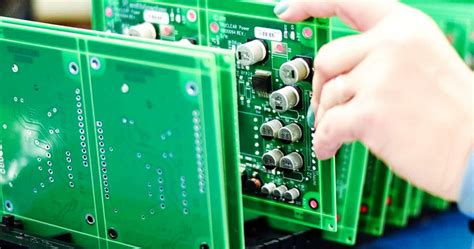
PCB assembly and PCBA contract manufacturing represent a critical sector in modern electronics production. This process involves outsourcing the pcb assembly to specialized manufacturers who create printed circuit board assemblies for a variety of applications. The complexity of electronic devices has necessitated a more streamlined approach, where the efficiency of PCBA operations is paramount. Companies engaged in this practice must navigate a myriad of components and ensure that every stage, from component sourcing to assembly, adheres to high-quality standards.
A thorough understanding of PCBA contract manufacturing includes recognizing the importance of integration across various phases of production. It is vital for manufacturers to implement systematic workflows that enhance productivity. By optimizing resource allocation and minimizing waste, businesses can significantly reduce costs while maintaining product integrity. Furthermore, leveraging technologies such as automation and real-time tracking systems can provide substantial advantages in both speed and accuracy during the pcb assembly process.
The relationship between clients and manufacturers is also pivotal; effective communication channels can help mitigate misunderstandings and ensure that project timelines are met without compromising quality. Ultimately, success in this arena relies on a collaborative approach that emphasizes precision engineering and resounding efficiency in PCBA production.
| Key Factors | Description |
|---|---|
| Automation | Use of machinery to enhance speed and precision in pcb assembly |
| Quality Assurance | Implementing checks at various stages to maintain standards |
| Communication | Essential for aligning goals between manufacturers and clients |
| Process Streamlining | Reducing unnecessary steps to save time and resources |
By focusing on these areas within the realm of PCBA contract manufacturing, companies position themselves not only to meet current demands but also to be adaptable for future technological changes.
Key Factors Influencing Efficiency in PCBA Production
In the realm of PCBA contract manufacturing, several key factors significantly influence the overall efficiency of production. One of the foremost aspects is the pcb assembly process itself, which must be meticulously designed to minimize waste and maximize output. An efficient pcba operation will integrate advanced planning methodologies and precise execution to ensure that each stage of production flows seamlessly into the next. Additionally, effective communication among various teams—from design to assembly—plays a crucial role in mitigating misunderstandings that can lead to delays or errors. This synergy is essential for fostering an environment where innovative solutions can emerge, helping streamline processes further. Furthermore, investing in innovative technologies, such as automated assembly lines and real-time data analytics, can dramatically enhance productivity by optimizing workflow and facilitating quick adjustments based on immediate performance insights. Adopting these strategies creates a robust foundation for continuous improvement in pcba manufacturing, ultimately leading to heightened productivity and reduced costs across the board.
Streamlining Processes for Optimal Performance
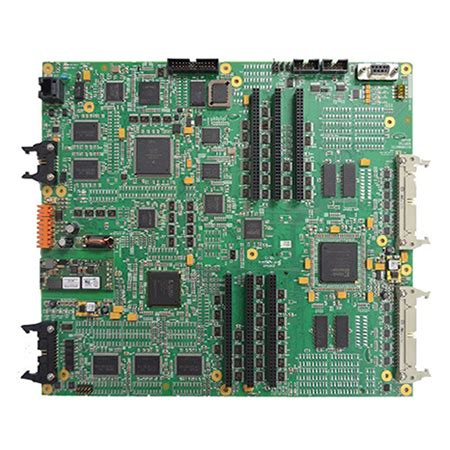
To achieve optimal performance in pcba contract manufacturing, it is essential to adopt streamlined processes that enhance both productivity and quality. A key strategy is the implementation of Lean manufacturing principles, which focus on minimizing waste and maximizing value throughout the pcb assembly process. This involves analyzing each step of production to identify redundancies and inefficiencies. By adopting automation technologies, manufacturers can reduce manual labor and improve precision, resulting in higher yield rates and lower defect levels.
Moreover, establishing clear standard operating procedures (SOPs) ensures that every team member understands their roles and responsibilities within the pcba production cycle. This clarity not only enhances workflow but also fosters a culture of accountability. Continuous training and development programs for staff further empower them to contribute ideas for process improvements.
Utilizing data analytics allows manufacturers to gather insights on production metrics, leading to informed decision-making. By monitoring key performance indicators (KPIs), such as cycle times and material usage rates, organizations can make real-time adjustments that optimize performance. Ultimately, an integrated approach that combines Lean principles, technology adoption, robust training programs, and data-driven decisions can significantly elevate the efficiency of pcb assembly processes within contract manufacturing environments.
The Role of Communication in Enhancing PCBA Operations
Effective communication is essential in the realm of PCBA contract manufacturing, serving as a key driver for increased efficiency and productivity. Firstly, establishing clear channels of communication among all stakeholders—from design engineers to production teams—enables everyone involved to share insights and expectations, thus aligning efforts toward a common goal. When teams communicate effectively, they can identify potential bottlenecks or challenges in the pcb assembly process early on, allowing for timely adjustments that can prevent costly delays. Furthermore, incorporating real-time communication tools can significantly enhance responsiveness and agility within the manufacturing environment. For instance, using collaborative platforms ensures that updates regarding design changes or production statuses are disseminated immediately to all relevant parties. Moreover, fostering an atmosphere where feedback is encouraged leads to continuous improvement; employees on the floor are often the first to notice inefficiencies and should have a voice in discussions about workflows. This push for open dialogue not only cultivates trust among team members but also promotes innovative solutions that can streamline pcba processes further. In essence, enhanced communication serves as the foundation upon which more efficient PCBA operations can be built, driving both productivity and cost-effectiveness throughout the entire manufacturing lifecycle.
Innovative Technologies Shaping the Future of PCBA Manufacturing
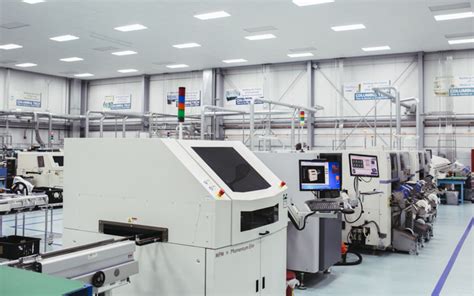
In the rapidly evolving field of PCB assembly and PCBA contract manufacturing, the integration of innovative technologies has become paramount in driving efficiency and productivity. Advanced automation systems, such as robotic assembly lines, significantly reduce manual labor while ensuring precision in the placement of electronic components. Furthermore, the adoption of Industry 4.0 principles allows for real-time monitoring and data analytics, enabling manufacturers to make informed decisions that enhance workflow optimizations. Another emerging trend is the utilization of Artificial Intelligence (AI) and Machine Learning (ML) to predict demand fluctuations and optimize inventory management within PCBA processes. These technologies not only streamline production but also contribute to minimizing costs and reducing lead times, ultimately resulting in a more agile manufacturing environment. Additionally, smart factories equipped with Internet of Things (IoT) devices facilitate seamless communication between machinery and operators, ensuring that any issues are swiftly identified and addressed. As these innovative technologies continue to shape the future landscape of PCBA manufacturing, companies that embrace these advancements are likely to gain a competitive edge in a market where efficiency is key.
Best Practices for Cost-Effective Contract Manufacturing
To achieve cost-effective contract manufacturing of PCBA (Printed Circuit Board Assembly), companies must adopt comprehensive best practices that enhance both operational efficiency and productivity. One critical approach involves conducting thorough research on pcba suppliers to ensure they offer the best value for services without compromising on quality. This evaluation should focus on the suppliers’ capabilities in meeting design specifications and their past performance in pcb assembly projects. Furthermore, implementing lean manufacturing principles can significantly reduce waste and optimize resource allocation across the production process. Regular team training sessions are also vital; these ensure that employees are well-versed in the latest techniques and protocols, promoting a culture of continuous improvement. Equally important is leveraging advanced technologies, such as automation and real-time data analytics, to monitor PCBA production closely. These tools not only enhance communication across teams but also facilitate quicker decision-making, allowing companies to respond promptly to market changes or production challenges. Ultimately, by integrating these best practices into their operations, organizations can achieve substantial savings while maintaining high-quality standards in their pcb assembly processes.

Case Studies: Successful Optimization Strategies in the Industry
In the realm of pcba contract manufacturing, several case studies illuminate successful optimization strategies that enhance overall efficiency. One noteworthy example involves a leading electronics manufacturer that implemented a streamlined engineering change order (ECO) process. By adopting a centralized system for managing pcb assembly alterations, this company reduced turnaround times significantly, which in turn expedited production schedules and minimized costly delays. In another instance, a mid-sized pcba provider integrated real-time data analytics into its operations, allowing for proactive decision-making and immediate identification of bottlenecks in the assembly line. This approach not only bolstered productivity but also ensured that inventory levels were optimized, resulting in better cash flow management. Furthermore, a different case highlighted the importance of fostering strong relationships between engineers and production teams; through regular cross-functional meetings and collaborative tools, this organization was able to enhance communication channels, facilitate knowledge sharing, and ultimately improve product quality. These case studies serve as powerful illustrations of how targeted strategies can lead to significant advancements in efficiency within the landscape of pcba contract manufacturing, paving the way for increased competitiveness and profitability in a rapidly evolving industry.
Future Trends in PCBA Contract Manufacturing Efficiency
As the landscape of pcba contract manufacturing continues to evolve, future trends are expected to significantly enhance efficiency. One promising direction involves the increased integration of automation within the pcb assembly process. By employing advanced robotics and artificial intelligence, manufacturers can expect not only to reduce cycle times but also to improve precision in production, leading to fewer defects and reduced costs. Moreover, data analytics will play a crucial role in optimizing production lines; real-time monitoring systems will enable manufacturers to analyze performance metrics and identify bottlenecks swiftly. This data-driven approach empowers teams to make informed decisions quickly, ultimately improving throughput and reducing wastage. Collaborations among suppliers, manufacturers, and technology providers are also set to increase, fostering a more cohesive supply chain environment. The emphasis on sustainable practices will further shape trends in pcba operations, encouraging businesses to adopt eco-friendly materials and processes that align with global sustainability goals. The confluence of these factors suggests a future where pcba contract manufacturing achieves unprecedented levels of productivity and effectiveness, marking a significant transformation in the industry.
Conclusion
In today’s rapidly evolving electronics landscape, the significance of PCBA (Printed Circuit Board Assembly) contract manufacturing cannot be overstated. The journey towards enhanced efficiency in pcb assembly involves a multifaceted approach that intertwines various critical elements. Recognizing that each step in the PCBA process impacts overall productivity is essential. By adopting strategies that focus on streamlining processes, businesses can eliminate bottlenecks and reduce turnaround times, leading to greater satisfaction among clients and stakeholders alike. Additionally, fostering robust and transparent communication channels is vital for ensuring that both manufacturers and clients are aligned in their objectives. This collaboration not only mitigates misunderstandings but also drives innovation in workflows. Embracing cutting-edge technologies, such as automation and real-time data analytics, can further boost operational capabilities, ensuring that pcba manufacturers stay competitive in a market that increasingly prioritizes efficiency and cost-effectiveness. Thus, by marrying these elements—process optimization, effective communication, and innovative solutions—organizations can position themselves for sustained success in the contract manufacturing arena.
FAQs
What is PCBA contract manufacturing?
PCBA contract manufacturing refers to the process of outsourcing the production of printed circuit board assemblies (PCBAs) to specialized manufacturers who handle the entire production process, from design to assembly.
How can efficiency be improved in PCBA production?
Efficiency in pcba production can be enhanced by streamlining workflows, implementing lean manufacturing principles, and improving communication among teams involved in the production process.
What technologies are most effective for optimizing PCBA manufacturing?
Innovative technologies such as automated assembly machines, real-time monitoring systems, and advanced software for supply chain management play a critical role in optimizing pcb assembly processes and enhancing overall productivity.
What role does communication play in PCBA operations?
Effective communication is essential for aligning goals, minimizing errors, and ensuring timely delivery of components. Regular updates between manufacturers and clients can lead to smoother operations and a more efficient production cycle.
What are some best practices for cost-effective contract manufacturing?
Adopting best practices such as sourcing materials from reliable suppliers, employing skilled labor, and continually assessing the manufacturing process can significantly reduce costs while maintaining quality standards in pcba production.