
Understanding PCB and PCBA: Key Concepts and Differences
Key Takeaways
Understanding the relationship between PCB (Printed Circuit Board) and PCBA (Printed Circuit Board Assembly) is essential for anyone involved in electronics. The pcb assembly process transforms a bare PCB into a fully functional PCBA, with multiple components soldered onto it. This process involves various techniques, including surface mount technology (SMT) and through-hole technology, requiring strict adherence to quality standards to ensure reliability. One of the key takeaways is recognizing that while a PCB is merely a board that provides physical support and electrical connections for the components, PCBA refers to the assembly of these components onto the board, making it operational. Each stage, from the initial design of the PCB to the final testing of the PCBA, plays a crucial role in defining the performance and durability of electronic devices. The significance of quality control in both PCB and PCBA production cannot be overstated; it’s vital for minimizing failures in electrical performance and ensuring compliance with industry standards. Understanding these distinctions not only aids in grasping their individual importance but also illustrates how they collectively contribute to modern electronics.
Introduction to PCB and PCBA: Definitions and Importance
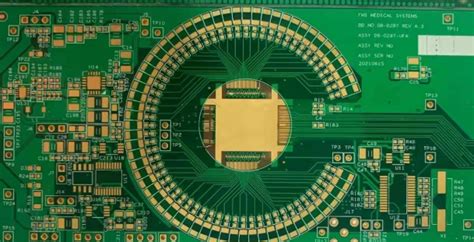
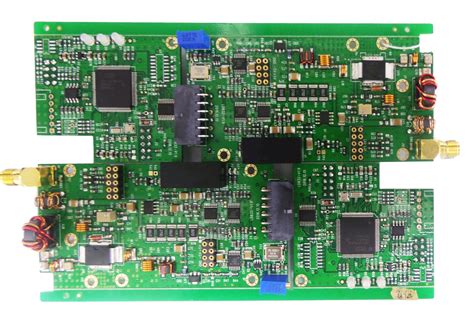
In the realm of modern electronics, understanding the concepts of PCB (Printed Circuit Board) and PCBA (Printed Circuit Board Assembly) is essential for anyone involved in the design and manufacturing processes of electronic devices. At its core, a PCB is a vital component that serves as a foundation for connecting various electronic parts. It is essentially a flat board made from non-conductive material, equipped with conductive pathways that facilitate electrical connections amongst different components. The term pcba refers to the next phase in this process, where components are mounted onto the PCB, forming a complete assembly ready for application in electronic devices.
The significance of these two elements cannot be overstated; pcb assembly is integral to the manufacturing of countless devices ranging from smartphones to industrial equipment. This interconnectedness underscores why both PCBs and PCBAs play crucial roles in enhancing the performance and reliability of modern electronics. As products become more sophisticated, understanding their distinctions becomes even more important, ensuring that manufacturers can meet the demands of technological innovation while maintaining high-quality standards. Recognizing how these components work together not only contributes to better design practices but also supports advancements in electronics as a whole.
The Manufacturing Process of Printed Circuit Boards (PCB)
The manufacturing process of Printed Circuit Boards (PCB) is a critical step in electronics, serving as the foundational structure for numerous electronic devices. It begins with the design phase, where engineers utilize specialized software to create intricate circuit layouts. Once the design is finalized, it moves into creating the PCB itself. This involves etching copper onto a non-conductive substrate, usually fiberglass, to form the desired circuits. Various materials can be used based on the specific application requirements, such as flexibility and thermal properties.
After etching, components can be mounted onto the board. It’s essential during this stage to ensure that each component is positioned accurately to prevent issues in the final product. The pcb assembly phase commences post-manufacturing of individual PCBs. Here, automated machinery aligns and solders various electronic components to the board. Techniques such as surface mount technology (SMT) are prevalent in this process due to their efficiency in handling smaller components which are commonly used in modern electronics.
To illustrate the transition from PCB creation to assembly, consider the following table:
| Step | Description |
|---|---|
| Design | Creating circuit layouts using CAD software |
| Material Selection | Choosing appropriate substrates and copper thickness |
| Etching | Transferring designed patterns onto substrate |
| Assembly | Soldering components using automated equipment |
Throughout each stage of this process, maintaining quality standards is vital for ensuring reliability in electronic devices. With advancements in technology, modern manufacturing techniques allow for more precise and efficient production cycles for PCBs and their assemblies—commonly referred to as PCBA.
“The key to a successful PCB manufacturing process lies in meticulous attention to detail at every step.”
This focus on quality not only streamlines production but also enhances performance across various applications where PCBs and pcb assembly play essential roles, from consumer electronics to industrial machinery.
Understanding the Assembly Process of Printed Circuit Board Assemblies (PCBA)
The assembly process of PCB assemblies, or PCBA, is a crucial step in the production of electronic devices that requires precision and expertise. Initially, the process begins with the preparation of the printed circuit board (PCB) itself, which serves as a foundation for mounting various electronic components. After this preparation, components such as resistors, capacitors, and integrated circuits are strategically placed onto the PCB. The placement may be done manually or through sophisticated automated pick-and-place machines that enhance efficiency and accuracy. Following component placement, soldering techniques are employed to secure these components firmly in place.
There are primarily two soldering methods used: wave soldering and reflow soldering. In wave soldering, a wave of molten solder flows over the PCB to create strong and reliable joints, ideally suited for through-hole components. On the other hand, reflow soldering is predominantly used for surface-mounted devices (SMDs) where a special paste containing solder is applied to the PCB before heating it in an oven to melt the solder paste—effectively securing all components concurrently.
Quality control during this assembly process is essential; comprehensive testing methods such as visual inspections and automated optical inspection (AOI) systems ensure that every facet of the PCBA meets stringent quality standards. This meticulous approach not only reduces defects but also enhances overall reliability in electronic applications. By understanding these critical steps in the assembly process of PCB assemblies, one can appreciate its significant role in delivering high-functioning electronic products tailored for an evolving market landscape.
Key Differences Between PCB and PCBA
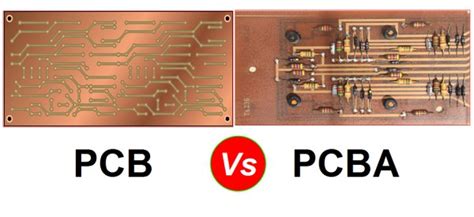
Understanding the key differences between PCB (Printed Circuit Board) and PCBA (Printed Circuit Board Assembly) is essential for anyone involved in electronics. A PCB serves as the foundational substrate for various electronic components, providing electrical connections through its conductive traces. It is primarily a flat board, often made from materials such as fiberglass or composite epoxy, that allows for the organized placement of electronic parts. Conversely, PCBA refers to the entire assembly that includes a PCB along with the attached components—like resistors, capacitors, and integrated circuits—that have been soldered onto the board. This distinction is crucial because the manufacturing processes for each are markedly different. While PCBs are manufactured through etching methods that create pathways for electricity, PCBA involves additional steps that encompass component selection, soldering techniques, and testing procedures. These processes collectively ensure that the finished product meets specified standards of functionality and reliability. Furthermore, in applications where durability and performance are paramount, understanding these differences aids engineers and designers in making informed choices about materials and fabrication techniques. By grasping the distinct roles of pcb assembly and its foundational counterpart—pcba—professionals can better appreciate how each plays a vital part in modern electronic devices.
Applications of PCB and PCBA in Electronics
The applications of PCBs and PCB assembly (PCBA) are pivotal in the world of electronics, reflecting their versatility across a myriad of industries. In consumer electronics, these components form the backbone of devices such as smartphones, laptops, and home appliances. The intricate design of PCBs facilitates the integration of complex circuits which are essential for functionality. Moreover, in the automotive sector, PCBA plays a crucial role in enhancing vehicle performance by managing various electronic systems including navigation, safety features, and engine control units. Additionally, the medical device industry relies on PCBs for accurate readings and efficient operation of diagnostic equipment, ensuring patient safety and reliable outcomes. In telecommunications, PCBs enable high-speed data transfer through carefully crafted circuits that can support vast networks. The aerospace industry further exemplifies the importance of PCBA, where reliability is paramount; here it is utilized in critical systems such as flight controls and satellite communication processes. Overall, the diverse applications underscore how integral PCB and PCB assembly are to advancing technology within numerous fields while fostering innovation.
Quality Control Measures in PCB and PCBA Production
Quality control is a crucial step in the production of PCBs and PCBA to ensure that these electronic components meet the industry standards and perform reliably in their intended applications. During PCB fabrication, inspections are conducted at various stages, including material selection, layering processes, and etching. The utilization of automated optical inspection (AOI) allows for precise identification of defects such as shorts, opens, and misalignments in the circuits. When moving on to the pcb assembly phase, rigorous testing protocols come into play. This includes functional testing, where each assembled unit undergoes thorough assessments to verify that it operates as designed. Another valuable aspect is the implementation of in-circuit testing (ICT), which checks for various electrical properties without needing to power up the entire assembly. Rigorous documentation throughout both processes helps maintain traceability and consistent quality assurance practices. Furthermore, employing industry standards such as IPC (Institute of Printed Circuits) guidelines ensures that both pcb and pcba meet defined criteria for quality and reliability. In summary, a comprehensive quality control strategy that encompasses multiple testing methods is essential for minimizing defects and ensuring that electronic products function optimally in real-world applications.
Future Trends in PCB and PCBA Technology
As the electronic industry continues to evolve, the future trends in PCB and PCBA technology are set to revolutionize how components are designed and manufactured. One significant movement is towards increased automation and integration of advanced manufacturing techniques. Automation not only enhances the efficiency of pcb assembly but also improves accuracy, resulting in fewer defects and a higher quality product. Additionally, the growing demand for miniaturization means that manufacturers are focusing on smaller, more compact designs without compromising functionality. This trend directly influences the design of PCBs, where innovative techniques such as flexible circuitry are becoming more prominent.
Moreover, the rise of smart electronics has led to an increased emphasis on incorporating Internet of Things (IoT) technologies into PCBA processes. This integration allows for enhanced connectivity and functionality while simultaneously meeting consumer demands for smart devices. Environmentally sustainable practices are also becoming a priority, with efforts geared towards using eco-friendly materials in pcb assembly and adopting processes that reduce waste.
Another key trend is the utilization of artificial intelligence (AI) in manufacturing processes. AI can greatly enhance predictive maintenance and quality control protocols, allowing manufacturers to identify potential issues before they arise—streamlining production timelines while maintaining high-quality standards for both PCBs and PCBAs.
These trends highlight that as technology advances, so will the methods of producing essential electronic components like PCB and PCBA, ultimately shaping a more efficient, sustainable, and technologically advanced future for the electronics industry.
Conclusion: The Role of PCB and PCBA in Modern Electronics
In the ever-evolving landscape of electronics, PCB (Printed Circuit Board) and PCBA (Printed Circuit Board Assembly) play indispensable roles that extend beyond mere components; they serve as the backbone of modern electronic devices. The process of pcb assembly integrates various electronic parts onto the PCB, transforming it into a fully functional circuit assembly. This transformation involves meticulous design and manufacturing stages, where precision is paramount to ensure that each connection meets stringent quality standards. By facilitating efficient electrical pathways, PCBs significantly enhance the functionality and reliability of electronic devices in an increasingly competitive market. Moreover, the growth of intelligent systems and connectivity in devices has led to innovations in PCBA, pushing manufacturers to adopt advanced technologies such as automated assembly techniques and optimized materials. As electronic applications continue to diversify—from consumer gadgets to critical industrial systems—the synergy between PCB and PCBA becomes more crucial than ever, driving progress and innovation within the industry. Understanding their distinct roles helps manufacturers make informed decisions that enhance performance while addressing evolving market demands.
Conclusion: The Role of PCB and PCBA in Modern Electronics
The significance of PCB and PCBA in contemporary electronics cannot be overstated. These components serve as the backbone of electronic devices, facilitating both electrical connections and physical support for various electronic parts. A printed circuit board (PCB) is crucial during the initial stages of product design, providing a reliable surface for mounting components. On the other hand, the process of pcb assembly results in a PCBA, where the PCB is populated with active and passive components through intricate assembly methods. This transformation not only enhances functionality but also ensures that electronic devices are compact and efficient. As industries continuously strive for innovation, understanding these differences between PCB and PCBA plays a vital role in fostering advancements in technology. Moreover, as the demand for high-quality electronics grows, adherence to stringent quality control measures during the production of PCBA becomes paramount, ensuring that reliability and performance standards are met. Thus, acknowledging the roles of PCB and PCBA is essential for anyone involved in electronics design and manufacturing, as these elements define the landscape of modern technological applications.
FAQs
What is the difference between PCB and PCBA?
A PCB (Printed Circuit Board) is the foundational component that mechanically supports and electrically connects electronic components. In contrast, PCBA (Printed Circuit Board Assembly) refers to the assembled PCB that includes all the required electronic components soldered onto it.
What does the PCB manufacturing process involve?
The manufacturing process of a PCB includes designing, layering conductive materials, etching out the unwanted copper, and applying coatings to prevent oxidation and ensure durability.
How does one set up a PCBA?
Setting up a PCBA involves placing various electronic components onto the prepared PCB, followed by soldering these components to establish necessary electrical connections.
What are common applications for PCBs and PCBA in electronics?
Both PCBs and PCBA are used in a multitude of devices including computers, smartphones, automotive electronics, medical devices, and more due to their essential role in circuit connectivity.
What quality control measures are taken during PCB and PCBA production?
Quality control measures include rigorous testing such as visual inspections, automated optical inspections (AOI), electrical testing, and functional testing to ensure that both PCB assembly processes meet industry standards.