
Efficient Methods for Assembling PCBs in Electronics Manufacturing
Key Takeaways
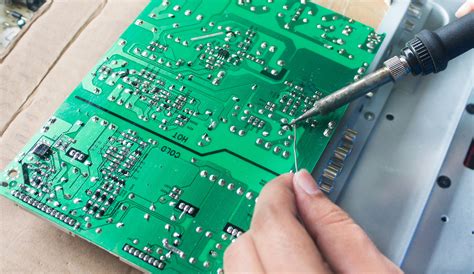
Efficient pcb assembly is crucial in the realm of electronics manufacturing, where precision and speed greatly influence production outcomes. One of the primary insights from recent advancements is the necessity of integrating best practices throughout the pcba process. By adopting structured methodologies and thoroughly training personnel, manufacturers can significantly improve workflow efficiency. Implementing advanced techniques, such as surface mount technology (SMT), also plays a vital role in streamlining assembly lines and minimizing errors. Furthermore, the adoption of innovative technologies—such as automated optical inspection (AOI) systems—enhances quality control and reduces material waste. As highlighted by industry experts, “Adopting a culture of continuous improvement allows companies to stay competitive and responsive to market demands.” Therefore, in a landscape where quality and efficiency are paramount, focusing on both pcb assembly techniques and technologies will pave the way for sustained success in electronics manufacturing. Ultimately, ensuring robust processes are in place can lead to high-quality results and increased productivity in every component of production.

Introduction to PCB Assembly in Electronics Manufacturing
In the world of electronics manufacturing, PCB assembly (or PCBA) stands as a pivotal process that transforms electronic designs into functional products. This intricate procedure involves the mounting of electronic components onto a printed circuit board (PCB), ensuring optimal electrical connections and circuit integrity. In recent years, the demand for higher efficiency and enhanced quality in electronics production has propelled the exploration of various methods in pcb assembly. Companies are increasingly focusing on streamlining their processes to reduce lead times while maintaining rigorous quality standards.
A critical aspect of effective pcb assembly is the selection of suitable materials and components, which can significantly influence overall performance and durability. Utilizing platforms designed for real-time data sharing can also lead to improved collaboration across teams involved in PCBA processes. Moreover, the implementation of lean manufacturing principles has proven beneficial in minimizing waste and maximizing resource utilization.
To illustrate these methods, we can consider a comparison between traditional manual assembly and automated processes, as shown in the table below:
| Assembly Method | Advantages | Disadvantages |
|---|---|---|
| Manual Assembly | Flexibility, lower initial costs | Time-consuming, prone to errors |
| Automated Assembly | High speed, consistency | Higher setup costs |
As organizations strive to advance their techniques in pcba, it is essential to stay informed about emerging trends that emphasize automation and integration with smart technologies. By adopting innovative approaches, manufacturers not only enhance productivity but also ensure high-quality end products that meet evolving market demands.
Best Practices for Efficient PCB Assembly
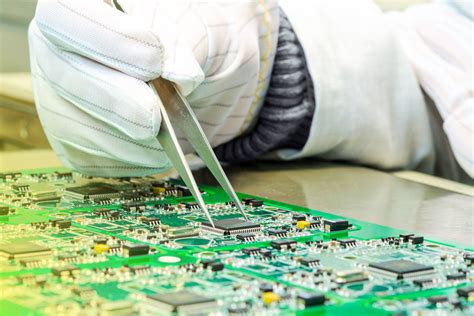
The process of pcb assembly is crucial in electronics manufacturing, demanding a focus on efficiency and quality to meet the evolving market demands. One of the fundamental best practices for achieving optimal results in pcba is the meticulous planning of the assembly line layout. By strategically arranging workstations and materials flow, manufacturers can significantly reduce handling time and minimize errors. Additionally, utilizing automated assembly tools can further enhance production rates while ensuring consistency across batches. Implementation of thorough training programs for operators is also essential, as skilled personnel can better manage equipment and troubleshoot issues that may arise during production. Furthermore, adopting a flexible assembly process allows for quicker adaptations to various product designs, promoting versatility in manufacturing capabilities. Another vital aspect is maintaining a robust quality control system; regular inspections at different stages of pcb assembly help catch defects early, preventing costly rework later on. By integrating these best practices into their operations, manufacturers can not only improve efficiency but also enhance the overall quality of their pcba, ensuring long-term success in an increasingly competitive landscape.
Advanced Techniques to Enhance PCB Assembly Productivity
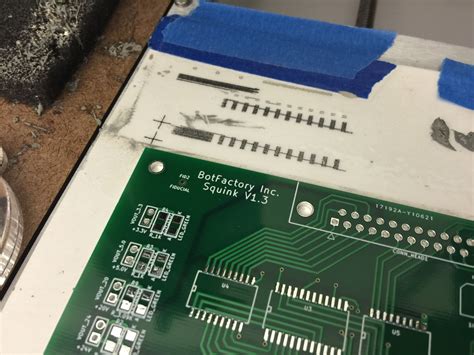
In the ever-evolving field of electronics manufacturing, optimizing PCB assembly processes is crucial for maintaining competitive advantage and meeting increasing market demands. To enhance pcba productivity, manufacturers are adopting advanced techniques such as surface mount technology (SMT), which allows for higher component density on a single board. This technique not only speeds up the assembly process but also reduces the amount of space required on the printed circuit board. Additionally, leveraging automated optical inspection (AOI) ensures that components are correctly placed and soldered, thereby minimizing defects and costly rework.
Furthermore, implementing robotic assembly systems has revolutionized traditional hand-assembly methods. These systems offer precision and speed that human operators cannot match, enhancing both the efficiency and quality of pcb assembly. Advanced software algorithms that monitor and optimize production lines in real-time can also significantly improve workflow efficiencies. By analyzing data from each stage of production, manufacturers can make adjustments on-the-fly to reduce bottlenecks and maximize throughput.
Another crucial aspect is adopting flexible manufacturing systems that allow for rapid changeover between different PCB designs. This agility enables companies to quickly respond to customer needs while minimizing downtime. The integration of these advanced techniques into PCB manufacturing not only enhances productivity but also ensures flexibility in addressing diverse market requirements, ultimately leading to higher-quality results in the competitive world of electronics manufacturing.
Innovative Technologies Transforming PCB Assembly Processes
The landscape of pcb assembly is rapidly evolving, driven by innovative technologies that streamline processes and improve output quality. Advanced machinery, such as automated pick-and-place systems, allow for precise component placement, reducing the risk of errors during the pcba process. Furthermore, the integration of artificial intelligence in manufacturing lines enables real-time monitoring and predictive maintenance, ensuring minimal downtime and consistent production flows. Another transformative technology is the use of advanced imaging systems that enhance inspection capabilities. These systems can identify defects that might escape traditional quality control measures, thus maintaining high standards throughout the pcb assembly process. Additionally, the rise of 3D printing technology is paving the way for faster prototyping and fabrication of tailored components, supporting more flexible design options in pcba. As these innovative technologies continue to develop and integrate into everyday manufacturing practices, they promise to significantly elevate productivity and efficiency in electronics production while ensuring superior quality outcomes.
Quality Control Measures in PCB Manufacturing
In the realm of PCB assembly, ensuring the highest quality standards is essential for both customer satisfaction and product reliability. Effective quality control measures can significantly reduce defects and enhance the overall production process. One of the primary strategies implemented involves thorough inspections at various stages of the pcba process. This includes pre-assembly checks, in-line inspections during assembly, and final testing before shipment. Additionally, leveraging statistical process control (SPC) allows manufacturers to monitor performance metrics and identify trends that could indicate potential issues. The use of automated optical inspection (AOI) technology also plays a vital role in detecting anomalies such as misaligned components or soldering defects at a speed and accuracy surpassing manual inspections. Continuous training and development of employees further augment these quality control measures, ensuring that personnel are well-versed in best practices for handling materials and managing equipment effectively. By integrating these robust quality control techniques into the pcb assembly workflow, manufacturers can ensure a higher yield of functional products while minimizing rework costs and delivery delays.

The Role of Automation in PCB Assembly Efficiency
Automation plays a crucial role in enhancing pcb assembly efficiency, making the process not only faster but also more reliable. With the integration of advanced machinery and software solutions, companies can streamline their pcba processes, ensuring that each component is placed with precision. For instance, automated pick-and-place machines can swiftly position surface-mounted devices onto a printed circuit board (PCB), significantly reducing human error and labor costs. Additionally, the use of robotics for repetitive tasks allows human operators to focus on complex assembly challenges that require critical thinking and problem-solving skills. As a result, automation not only boosts overall productivity but also contributes to improved quality control in pcb assembly, as real-time monitoring systems can detect defects early in the process. The continuous evolution of automation technologies will undoubtedly further revolutionize pcba practices, paving the way for unprecedented advancements in electronics manufacturing efficiencies.
Future Trends in PCB Assembly Techniques
As the electronics industry continues to evolve, the pcb assembly process is also undergoing significant transformations driven by technological advancements and changing market demands. One of the key future trends is the integration of automated systems in pcba lines, which not only streamlines production but also enhances consistency and accuracy in assembly operations. The adoption of robotics in pcb assembly facilitates the handling of components with precision, reducing human error and increasing throughput. Furthermore, smart technologies such as the Internet of Things (IoT) are emerging within manufacturing environments, enabling real-time monitoring and predictive maintenance that leads to improved operational efficiency. Additionally, the concept of Industry 4.0 is influencing production techniques by promoting interconnectivity among machines and systems, allowing for more agile responses to market changes. Another noteworthy trend is the shift towards sustainable pcb assembly practices, focusing on environmentally friendly materials and processes to reduce waste and energy consumption during production. As these innovations take hold, they are expected to play a crucial role in shaping the future landscape of pcba, promising not only enhanced productivity but also high-quality results that align with global standards.
Case Studies: Success Stories in Efficient PCB Manufacturing
In exploring the landscape of pcb assembly, several case studies illustrate the transformative impact of implementing efficient techniques in electronics manufacturing. One notable example involves a leading electronics company that revamped its pcba process by integrating advanced robotics. By employing automated soldering machines alongside innovative material handling systems, this company increased its assembly speed by an impressive 30%. The meticulous programming of automation allowed for precision in placement and soldering, which significantly reduced defects and rework costs. Additionally, another case study highlighted a small-sized manufacturer that adopted lean manufacturing principles. Through optimizing workflows and minimizing waste, they achieved a 40% reduction in assembly time. These success stories showcase not only the potential for enhanced productivity through innovative technologies but also the importance of continuous evaluation and adaptation in pcb assembly processes to achieve high-quality results. The effectiveness of these approaches reinforces the notion that strategic investment in technology and process improvement can yield substantial benefits across the electronics manufacturing sector.
Conclusion
In summary, the process of pcb assembly is pivotal to the field of electronics manufacturing, impacting the overall efficiency and quality of the finished product. By implementing best practices and leveraging advanced techniques, manufacturers can significantly enhance their pcba operations. Technologies such as automation and real-time monitoring play crucial roles in streamlining processes, thereby reducing waste and improving productivity. Furthermore, meticulous attention to quality control measures ensures that each stage of production adheres to stringent standards, resulting in reliable and high-performing circuits. As we look toward the future, ongoing innovations are expected to drive even more efficient methods in pcb assembly, shaping a landscape that thrives on continuous improvement and adaptation. By embracing these innovative strategies, companies can not only meet customer demands but also set themselves apart in a competitive market.
FAQs
What is PCB assembly?
PCB assembly, often referred to as PCBA, is the process of soldering electronic components onto a printed circuit board (PCB) to create a functional electronic device. This crucial step transforms simple circuit boards into complex assemblies that can operate various electronic applications.
What are the common methods employed in PCB assembly?
Common methods for pcb assembly include Surface Mount Technology (SMT) and Through-Hole Technology (THT). SMT involves placing components directly onto the surface of the PCB, while THT requires inserting components through drilled holes.
How do innovative technologies impact PCB assembly?
Innovative technologies have significantly enhanced PCBA processes by introducing automation, advanced soldering techniques, and real-time monitoring systems. These advancements not only improve overall efficiency but also ensure higher quality and reliability in the final products.
What are best practices for ensuring high-quality PCB assembly?
To ensure high-quality pcb assembly, it is essential to maintain a clean working environment, use high-quality materials, and follow established protocols. Regular training sessions for staff and implementing robust quality control measures also play a pivotal role in achieving optimal results.
Is automation beneficial in PCB assembly?
Absolutely! Automation speeds up the pcba process, reduces human error, and enhances consistency. With automated equipment handling tasks like placement and soldering, manufacturers can scale production while maintaining quality standards.